





Black Sand Beaches Bali – The Island’s Most Dramatic Coastal Secret


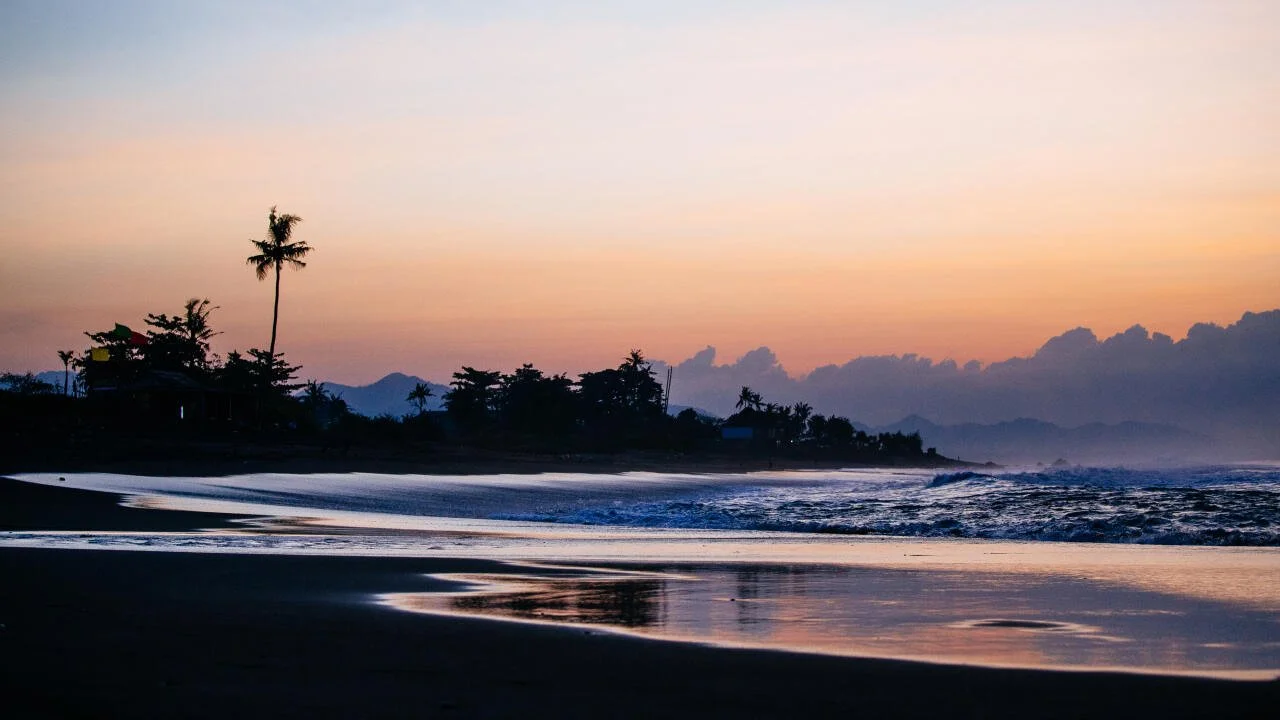
When most travelers imagine Bali, they picture powdery white sand, turquoise water, and sunset beach clubs glowing in orange light. I did too, the first time I booked a ticket to the island. But Bali has another coastline — darker, quieter, and far more dramatic. The black sand beaches Bali hides along its eastern and northern shores feel like a different world entirely. Instead of soft beige stretches and cocktail bars, you find volcanic landscapes shaped by lava, fishing villages waking at dawn, and Mount Agung rising in the background like a watchful guardian.
These beaches aren’t an accident of nature. They are the visible signature of Bali’s volcanic past, and they give the island a depth that many short-term visitors never discover. A Bali black sand beach doesn’t just look different; it feels different. The contrast between charcoal sand and bright blue water creates a cinematic scene that changes with every shift in sunlight. In the early morning, the sand glows silver; at sunset, it turns deep graphite. If you’re looking for something beyond the usual beach-club circuit, black sand beach Bali locations might become your favorite unexpected discovery.
Why Does Bali Have Black Sand Beaches?
The answer begins with volcanoes. Bali sits along the Pacific “Ring of Fire,” and its landscape has been shaped for thousands of years by eruptions and tectonic activity. Mount Agung, the island’s highest and most sacred volcano, has played a central role in creating many of the black sand beaches Bali is known for today. When volcanic eruptions occur, molten lava flows down slopes, cools, and eventually breaks down into fine mineral fragments. Over time, rivers and ocean currents carry these fragments to the coastline.
The result is sand that is rich in volcanic minerals such as basalt and magnetite, giving it a deep gray or black appearance. This is why most volcanic beach Bali locations are concentrated in the east and north of the island, closer to Mount Agung and Mount Batur. The darker sand absorbs heat more quickly than white sand, which is something you’ll notice immediately if you walk barefoot at midday. But visually, that dark shoreline creates one of the most striking natural contrasts in Southeast Asia.
It also explains why east Bali beaches feel different from the southern coast around Seminyak or Kuta. The south is shaped more by coral and limestone, which produce lighter sand. The east, by contrast, tells a story of lava and geological transformation. When you stand on a Bali black sand beach and look toward the mountains, you are literally standing on the remains of past eruptions. That connection between sea and volcano is what makes these landscapes feel raw, powerful, and authentic.
Best Black Sand Beaches Bali Has to Offer
There isn’t just one black sand beach Bali visitors can explore. In fact, there are many, each with its own personality and rhythm. Some are sleepy fishing villages. Others are surf breaks. Some are perfect for sunrise photography, while others are better suited for long reflective walks. If you want to experience the diversity of black sand beaches Bali offers, it helps to move beyond a single destination and explore several along the eastern and northern coastline.
Below are some of the most compelling volcanic shores worth adding to your itinerary.
Lovina Black Sand Beach
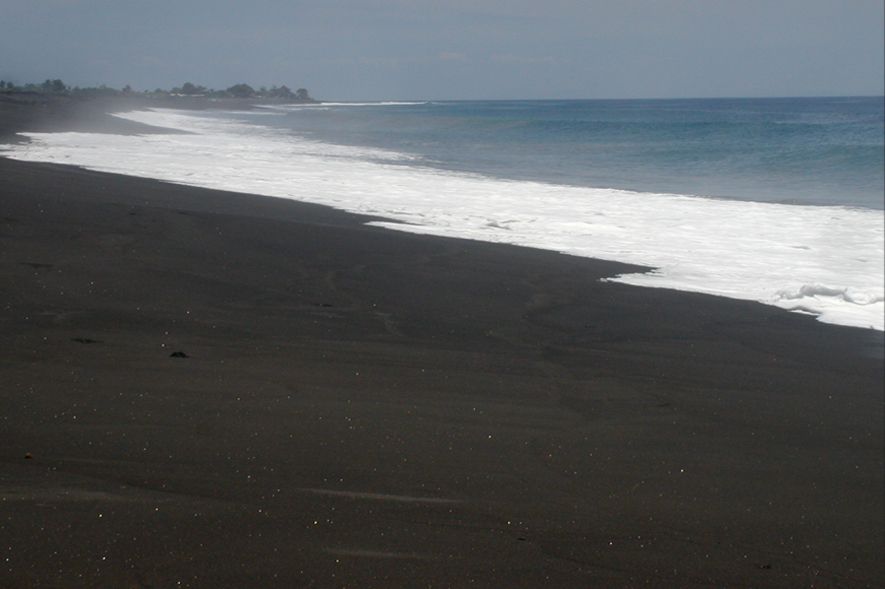
Lovina black sand beach is perhaps the most famous example in North Bali. Located far from the traffic of the south, Lovina offers a calm, laid-back atmosphere that feels worlds away from Canggu or Seminyak. The sand here is soft, dark, and fine, and the water tends to be gentler compared to many southern beaches. Early mornings are particularly magical, as local fishermen head out to sea and dolphin-watching boats glide across the horizon.
Unlike some dramatic cliff-lined coastlines, Lovina has a gradual slope into the water, making it one of the more accessible black sand beaches Bali travelers can comfortably enjoy. The town itself is small and relaxed, with modest cafés and family-run guesthouses rather than high-end resorts. The volcanic sand creates a beautiful contrast with the pastel colors of sunrise, which is why many photographers consider Lovina one of the best places for dawn imagery on a Bali black sand beach.
Amed Black Sand Beach
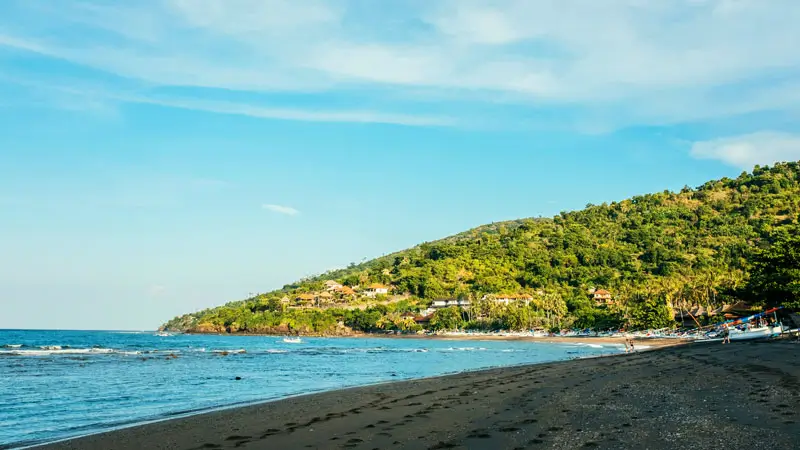
Amed black sand beach stretches along a string of small villages on Bali’s northeastern coast. This area combines volcanic shoreline with vibrant coral reefs just offshore, making it one of the most interesting volcanic beach Bali destinations for snorkelers and divers. The sand here is darker and slightly coarser in texture, with Mount Agung often visible in the distance on clear days.
What makes Amed special is the combination of mountain and sea. You can spend the morning exploring underwater life and the afternoon gazing at terraced hills rising behind the coast. Compared to Lovina, Amed feels more rugged and less developed, though boutique hotels and dive shops are increasingly common. Among all black sand beaches Bali has, Amed might offer the strongest sense of balance between adventure and tranquility.
Keramas Beach
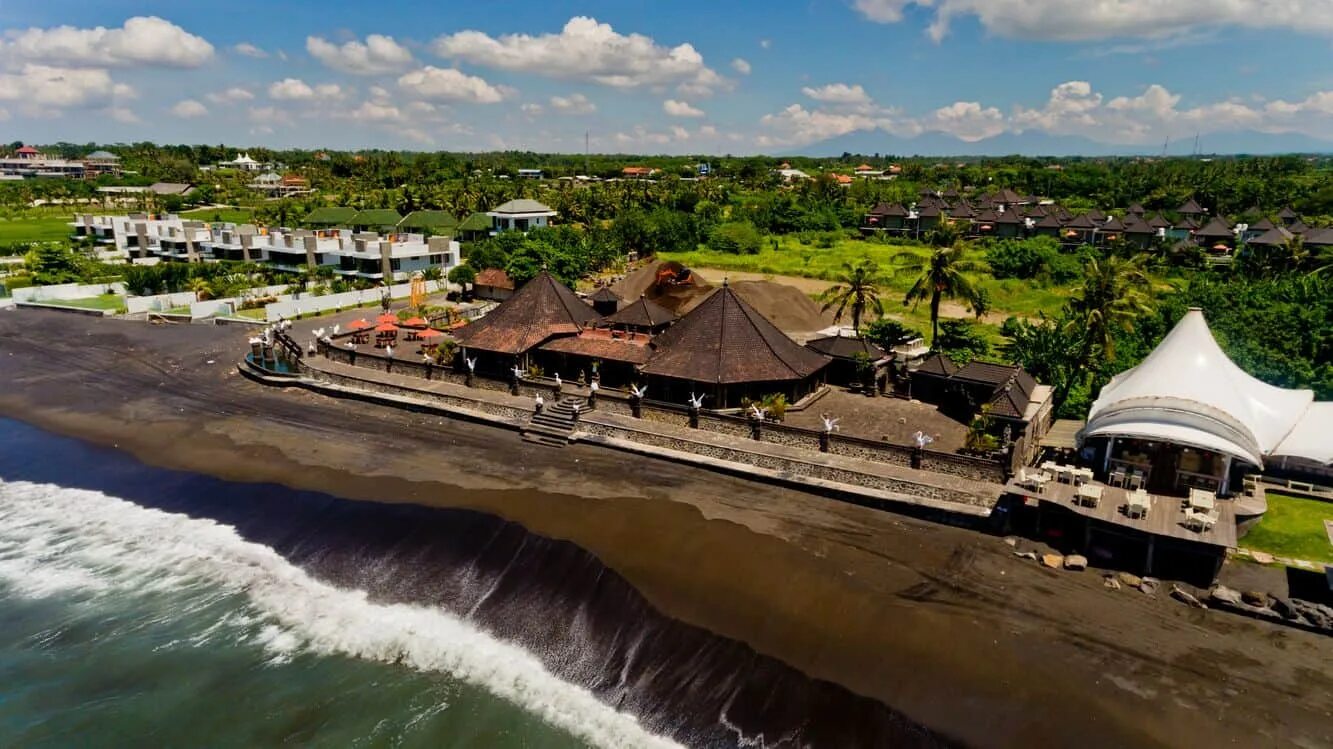
Keramas Beach, located on Bali’s southeast coast, has a very different personality. Known internationally as a surf destination, it attracts experienced surfers seeking powerful right-hand breaks. The sand here is distinctly black and slightly reflective, especially when wet. Unlike the quiet fishing villages of the north, Keramas has a more dynamic energy thanks to nearby resorts and surf events.
Despite its growing popularity, Keramas remains one of the most visually dramatic black sand beaches Bali presents to visitors who venture beyond the usual tourist hubs. The waves crash against the dark shoreline, and on certain days the ocean turns a luminous turquoise that sharply contrasts with the volcanic sand. Even if you’re not a surfer, watching the action from the shore can be mesmerizing.
Candidasa Coastline
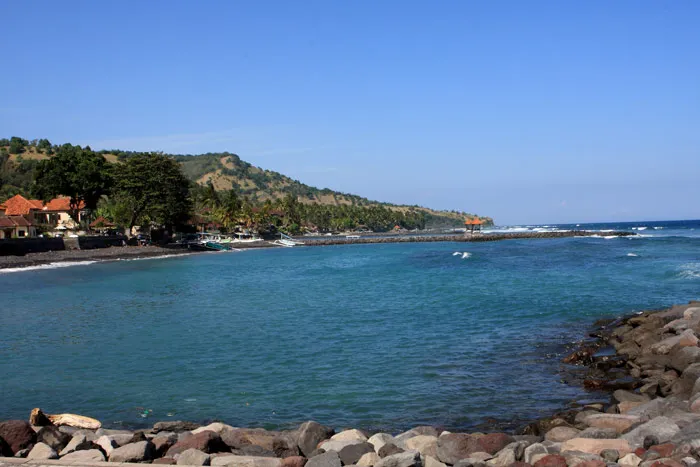
Candidasa is less about a single defined beach and more about a stretch of coastline dotted with dark volcanic sand and rocky outcrops. This area appeals to travelers seeking peace and quiet. Compared to busier destinations, Candidasa maintains a slower rhythm, with small hotels and ocean-view restaurants overlooking the water.
The beaches here are narrower, and swimming conditions vary, but the scenery is compelling. If you’re exploring east Bali beaches by scooter or car, Candidasa makes a logical stop between Amed and the southern coast. The volcanic textures and village atmosphere provide yet another variation on the black sand beach Bali experience.
Pantai Lebih
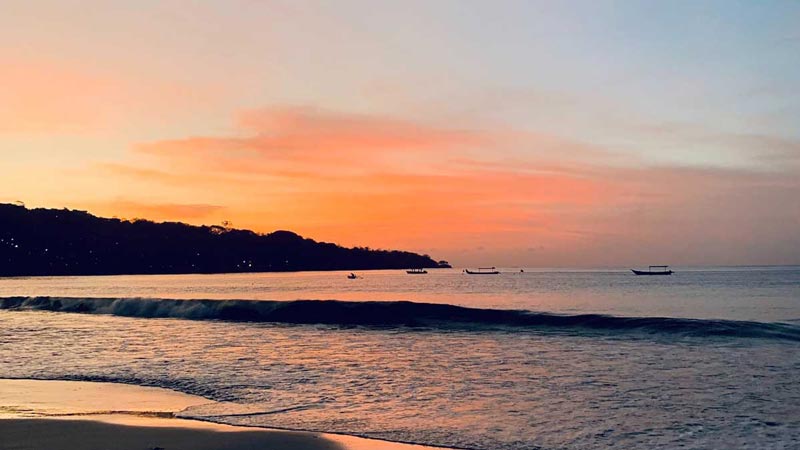
Pantai Lebih is a local favorite known for seafood and dramatic skies. Located east of Denpasar, it’s easy to access but often overlooked by international tourists. The black sand beaches Bali offers here feel more local and less curated. Fishermen pull boats ashore, and small warungs serve freshly grilled fish right by the water.
The shoreline is wide and open, making it a good place for long walks rather than swimming. The waves can be strong, and currents unpredictable, but the mood is atmospheric. When storm clouds gather, the combination of dark sand and dark sky creates a powerful visual scene that feels distinctly volcanic and raw.
Saba Beach
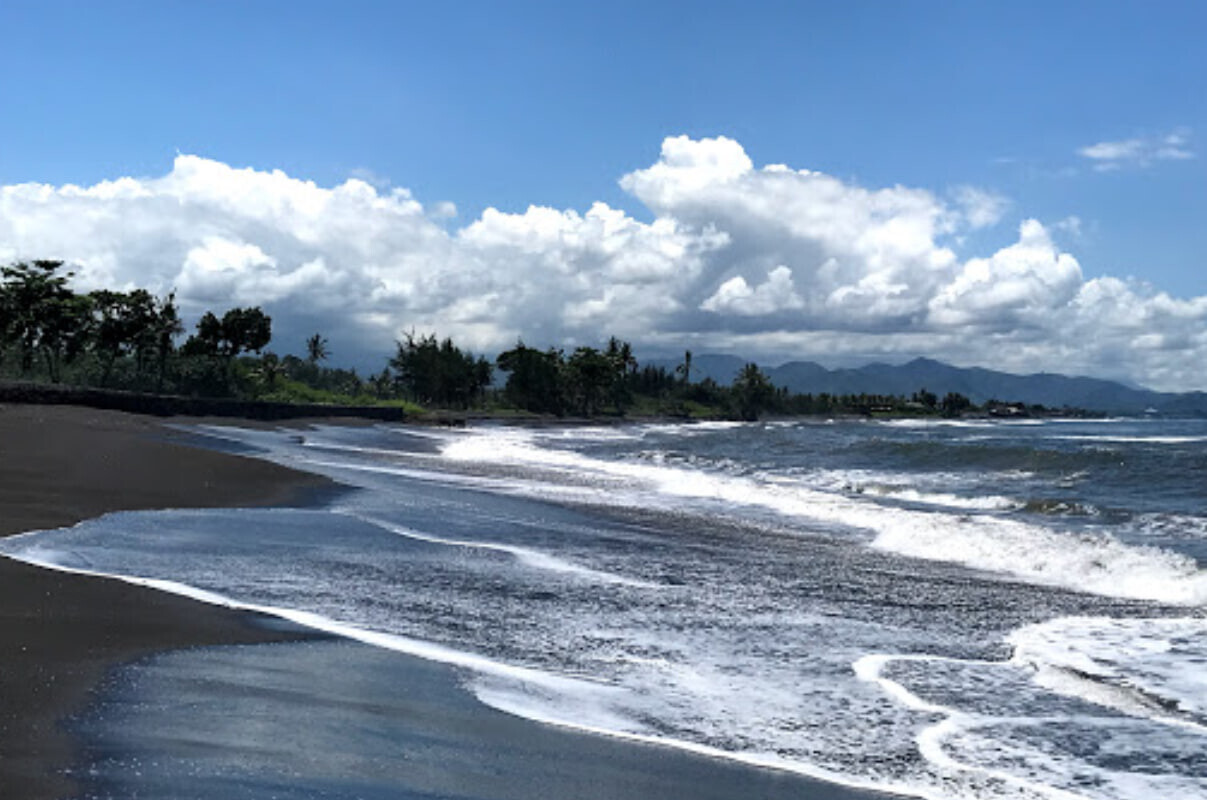
Saba Beach is another striking volcanic beach Bali visitors rarely include in standard itineraries. Located near Gianyar, it features a long stretch of black sand framed by palm trees and open fields. Horse riding along the shoreline is a popular activity here, adding a cinematic touch to an already dramatic setting.
Saba feels expansive and relatively uncrowded. The sand is deep charcoal in color, and at sunrise the light creates subtle silver highlights across the surface. If you’re searching for black sand beaches Bali locations that feel hidden yet accessible, Saba offers a compelling balance.
Are Black Sand Beaches in Bali Good for Swimming?
Swimming conditions vary significantly depending on location. Some black sand beaches Bali presents, like Lovina, have relatively calm waters suitable for relaxed swimming. Others, such as Keramas or Pantai Lebih, are better suited for experienced surfers due to stronger currents and waves. It’s important to assess local conditions rather than assuming all beaches are similar.
One factor to consider is the lack of extensive reef protection in certain volcanic beach Bali areas. Without reefs to break incoming waves, swells can be more powerful. Always look for local signage, observe what residents are doing, and avoid swimming alone in unfamiliar waters. While the dramatic aesthetic of a Bali black sand beach is appealing, safety should remain a priority.
Best Time to Visit Bali Black Sand Beaches
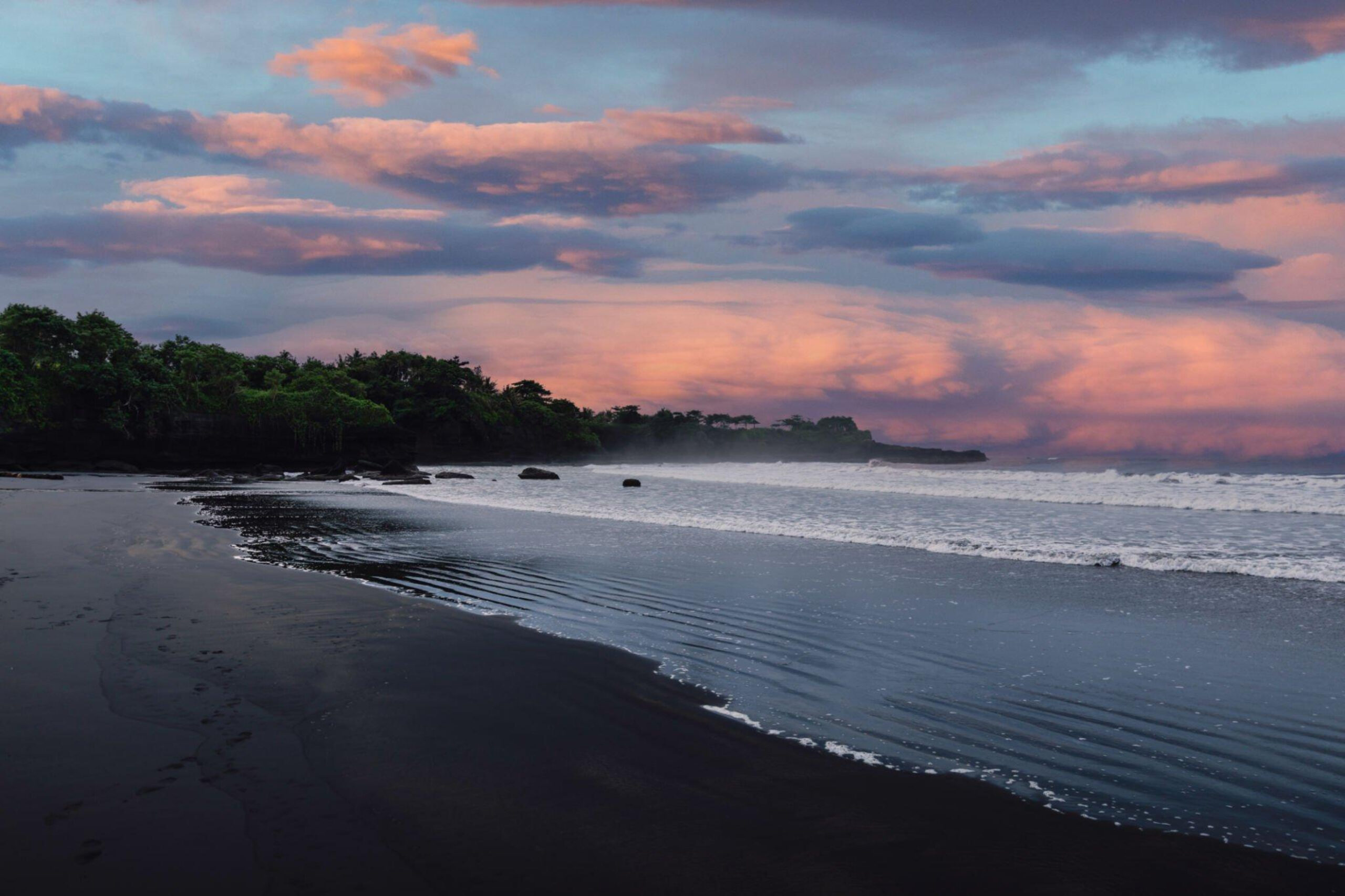
The dry season, typically from April to October, offers more predictable weather and clearer skies. This is ideal for photography, especially if you’re interested in capturing the contrast between dark sand and bright ocean. Sunrise is often the best time to visit black sand beaches Bali locations, particularly on the east coast where the sun rises directly over the water.
During the rainy season, the beaches can appear even darker and more intense in color, but heavy rainfall may affect accessibility. If your goal is to photograph a Bali black sand beach with Mount Agung in the background, early morning during the dry season provides the clearest views.
Exploring East Bali’s Volcanic Coastline
A two-day road trip along east Bali beaches offers a cohesive way to experience multiple black sand beach Bali destinations. Start in Keramas, continue north toward Candidasa, spend the night in Amed, and wake early to watch sunrise over the water. From there, you can loop inland toward Sidemen for mountain views before returning south.
This route reveals how diverse black sand beaches Bali landscapes can be within relatively short distances. The coastline shifts from surf-oriented breaks to quiet fishing villages, from wide open stretches to intimate coves. The unifying thread is volcanic geology and a sense of connection to Bali’s natural forces.
See Bali’s Black Sand Beaches from the Sky
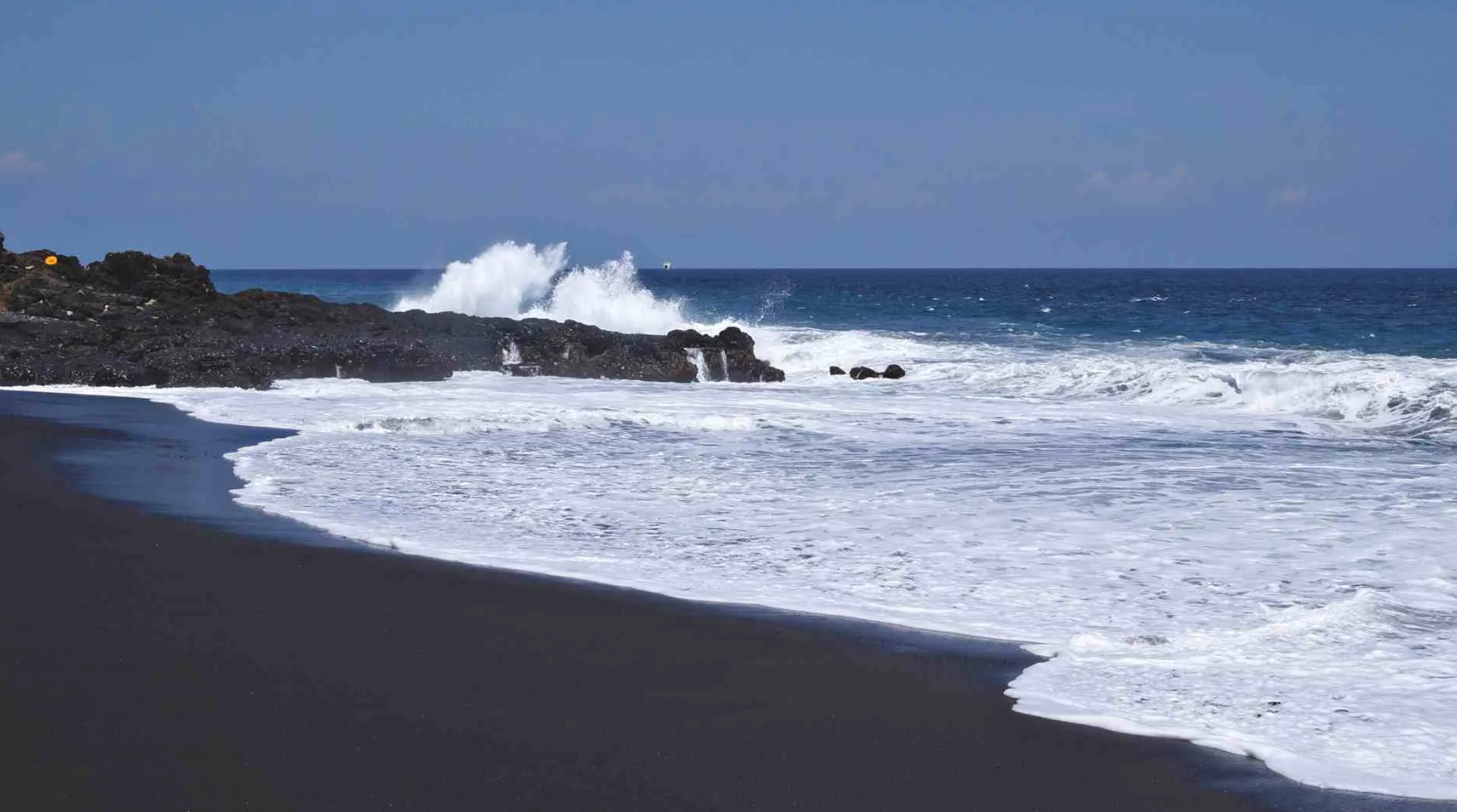
Experiencing black sand beaches Bali from ground level is powerful, but seeing them from above offers a completely different perspective. From the air, the volcanic coastline resembles abstract art: ribbons of charcoal tracing the edge of bright blue water, framed by lush green hills. The contrast becomes even more dramatic when viewed in a single sweeping panorama.
Helicopter tours make it possible to connect multiple Bali black sand beach locations in one flight. Aerial routes along the east coast allow travelers to observe Mount Agung, Amed, Keramas, and other coastal landmarks without long driving times. Operators such as Balicopter provide scenic flights that can reach virtually any major tourist point on the island, making it possible to combine luxury transport with unforgettable views.
For photographers, couples planning proposals, or travelers with limited time, a helicopter tour offers an efficient way to appreciate the scale of volcanic beach Bali landscapes. Instead of seeing one shoreline at a time, you gain a holistic view of how lava-shaped mountains meet the ocean. It transforms the experience from local exploration into a broader understanding of Bali’s geography.
Black Sand Beaches vs White Sand Beaches in Bali
White sand beaches in southern Bali often feature beach clubs, surf schools, and lively nightlife. In contrast, black sand beaches Bali tends to showcase are quieter and less commercial. The atmosphere is more reflective than festive. The sand itself feels denser and warmer underfoot, and the visual palette shifts from bright tropical tones to deeper, moodier shades.
Neither type is objectively better; they simply offer different experiences. A Bali black sand beach invites contemplation and photography, while white sand beaches encourage social gatherings and sunset cocktails. Many travelers find that combining both creates a fuller understanding of the island’s diversity.
Travel Tips for Visiting Black Sand Beaches Bali
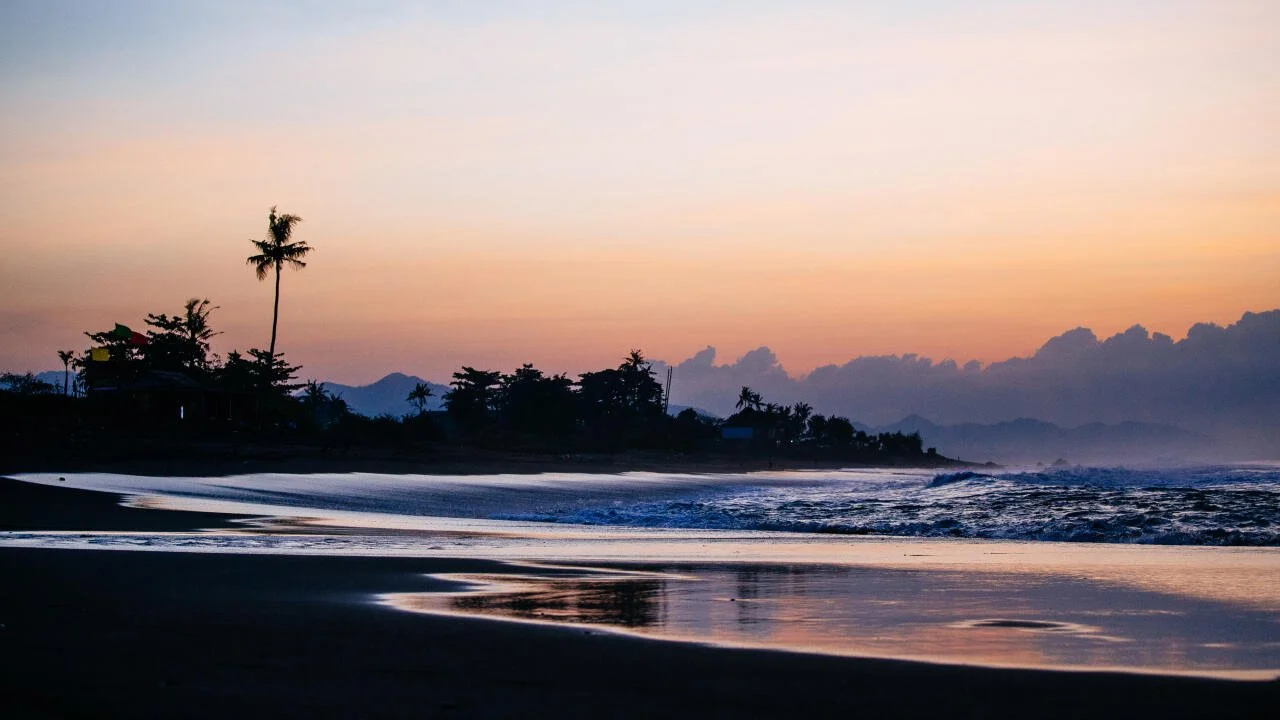
Wear sandals or flip-flops during midday, as volcanic sand absorbs heat quickly. Visit early in the morning for cooler temperatures and better lighting. Bring water and snacks, especially to less developed beaches where facilities may be limited. Respect local fishing communities and avoid disturbing boats or equipment placed along the shore.
If you plan to fly a drone, check local regulations and be mindful of temples and private property. Many black sand beaches Bali locations are near small villages where community norms matter. Approaching with curiosity and respect enhances the experience for everyone.
Final Thoughts – Why Black Sand Beaches Bali Feel Different
There is something undeniably compelling about standing on a Bali black sand beach and realizing you are walking on fragments of ancient lava. These shores feel elemental and grounded, shaped by forces larger than tourism trends or social media feeds. The black sand beaches Bali reveals to those willing to explore beyond the south coast offer a quieter, more dramatic vision of the island.
If white sand beaches show Bali’s polished side, volcanic beaches reveal its raw heart. From Lovina’s sunrise calm to Amed’s reef-lined waters and Keramas’ surf breaks, each black sand beach Bali location tells part of a larger geological story. And whether you explore by scooter along winding coastal roads or from above on a scenic helicopter flight, these darker shores may become the most unforgettable part of your journey.
Related Tours
See more Blog Posts
.webp)



.svg)

.svg)
.svg)
.svg)

