





What to Pack for Bali: The Ultimate Bali Packing List for Every Type of Traveler



Packing for a tropical island sounds simple—until you actually try to decide what to pack for Bali. The humidity changes how clothes feel on your skin. The culture influences what you can wear in temples. The weather shifts between blazing sun and sudden downpours. And daily life on the island—scooters, beach clubs, jungle hikes, volcano sunrises—demands more versatility than most people expect. This guide is a complete, practical, experience-based Bali packing list designed to help you pack light without missing anything essential.
If you’ve been searching for what to pack for Bali, chances are you’ve already seen generic checklists. They usually mention swimwear, sunscreen, and flip-flops. That’s a start—but it’s not enough. Bali is not just a beach destination. It’s a cultural island with temple etiquette, high humidity, unpredictable rain, and adventure opportunities ranging from snorkeling to Mount Batur hikes. Your packing strategy should reflect that diversity.
This guide covers what to wear in Bali by season, what to bring for temples and jungle adventures, how to pack smart for humidity, and what not to pack at all. It also breaks down essentials depending on your travel style—digital nomad, luxury traveler, family, surfer, or adventure seeker. By the end, you’ll have a realistic Bali packing list you can actually use.
Why Packing for Bali Is Different
Understanding what to pack for Bali starts with understanding the island itself. Bali sits close to the equator, which means high humidity year-round. Even during the dry season, the air is warm and heavy. Fabrics behave differently. Tight synthetic clothes feel uncomfortable. Heavy denim becomes unbearable. Breathability is everything.
Bali is also deeply spiritual and culturally conservative in sacred spaces. While beach clubs allow relaxed outfits, temples require modest dress. That means covered shoulders and a sarong around the waist. If you plan to visit temples like Uluwatu or Tirta Empul, your Bali packing list must include appropriate clothing. Respecting local customs is part of traveling responsibly.
Logistics also matter. You may find yourself riding a scooter between rice fields, walking uneven sidewalks in Canggu, climbing volcanic trails at sunrise, or hopping between islands by boat. Bali travel essentials are not just about style—they’re about practicality. Lightweight layers, secure bags, and proper footwear make your experience smoother and more comfortable.
Bali Weather Explained (So You Pack Smart)
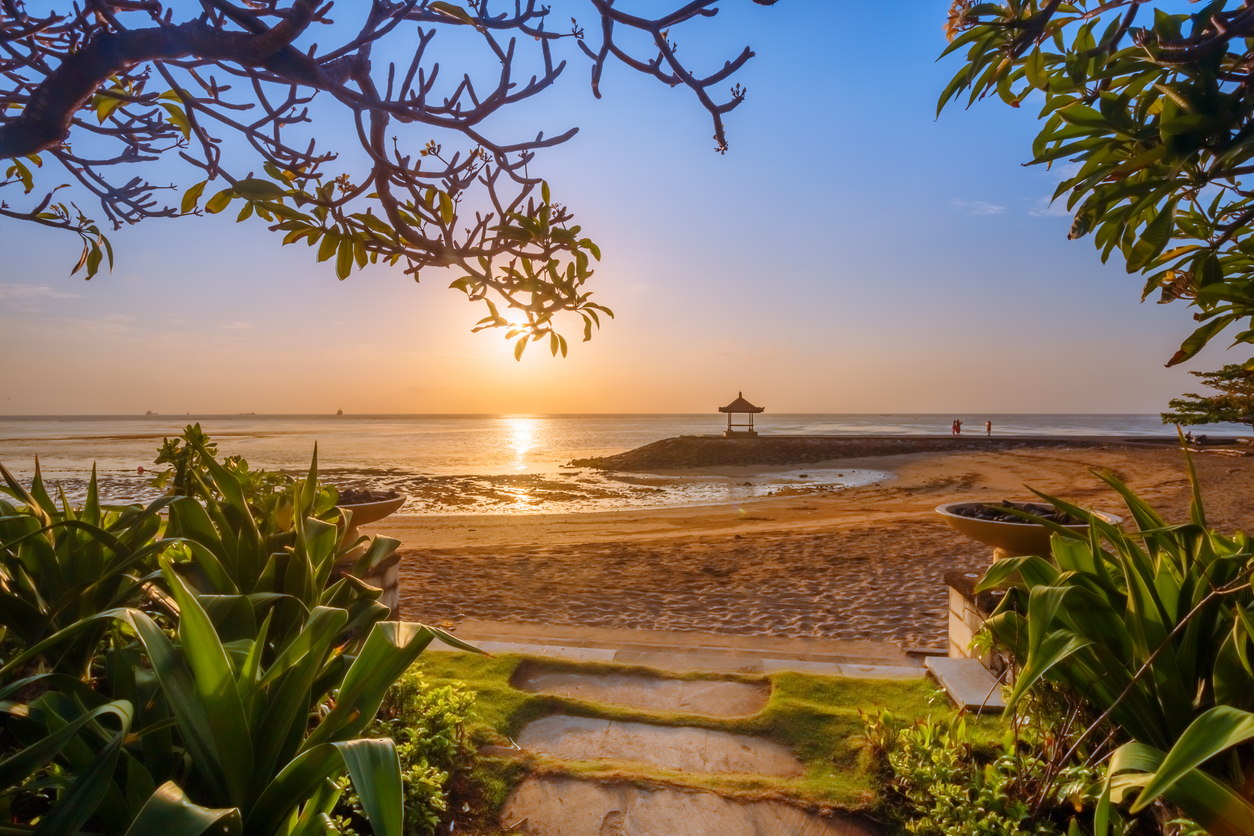
When deciding what to pack for Bali, you need to consider the two main seasons: dry and rainy. Temperatures remain warm all year, usually between 26–31°C (79–88°F), but rainfall patterns affect daily life significantly.
Dry Season (April–October)
The dry season is sunny and ideal for beach days, surfing, and outdoor adventures. However, “dry” does not mean cool. The heat can feel intense, especially midday. Lightweight, loose clothing made of linen or cotton is ideal. You’ll likely wear the same few breathable outfits repeatedly, so pack versatile pieces rather than bulky options.
Even during the dry season, evenings can feel slightly cooler in higher areas like Ubud or Mount Batur. A thin long-sleeve layer or light jacket belongs on your Bali packing list. Not for warmth in the traditional sense—but for comfort in air-conditioned restaurants or early-morning excursions.
Rainy Season (November–March)
If you’re traveling during the wet months, what to pack for Bali shifts slightly. Rain often comes in heavy tropical bursts rather than all-day drizzle. Streets can flood temporarily, and humidity increases. Quick-dry clothing becomes essential. Avoid fabrics that stay wet for hours.
A lightweight rain jacket or compact poncho is useful, especially if you plan to explore by scooter. Closed shoes that dry quickly are better than heavy sneakers. Despite the rain, temperatures remain warm. You will still need sunscreen and summer outfits, but with added flexibility for sudden storms.
Humidity & Tropical Reality
Humidity is the factor most travelers underestimate. Cotton and linen outperform synthetic fabrics. Tight jeans feel uncomfortable quickly. Hair styling tools become nearly useless. Even makeup behaves differently. Pack minimal, breathable, and adaptable pieces. Laundry services are inexpensive across Bali, which means you can pack fewer items and wash frequently.
Clothing – What to Wear in Bali
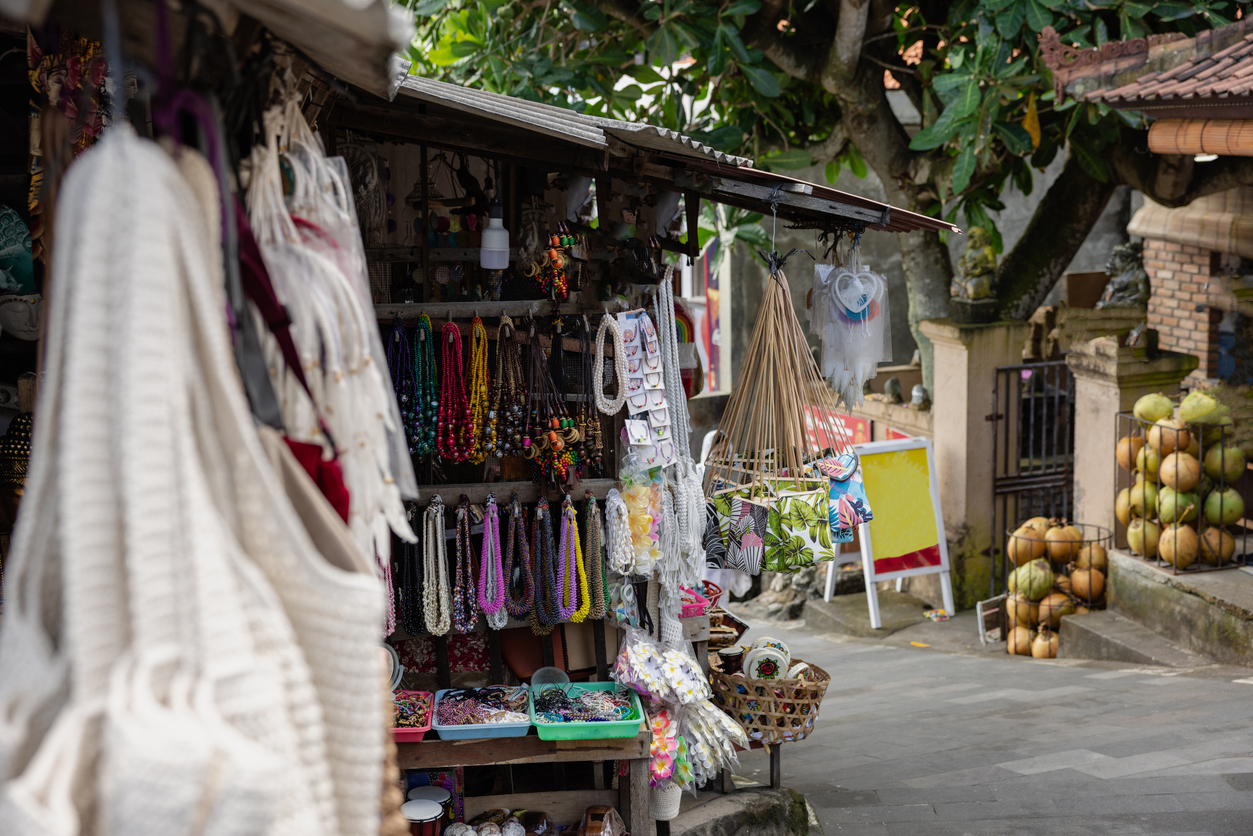
One of the most searched phrases related to this topic is what to wear in Bali. The answer is simple: breathable, loose, and respectful when necessary. Comfort should guide your decisions more than trends.
Everyday Island Outfits
For daily life in Canggu, Seminyak, or Ubud, think airy dresses, relaxed shorts, loose shirts, and comfortable tank tops. Linen shirts and wide-leg pants work well for both cafés and casual dinners. You do not need excessive outfits. Five to seven versatile combinations are usually enough for a week.
Avoid heavy materials. Avoid overly tight clothes. Bali style leans relaxed and effortless. Even upscale restaurants rarely require formal attire. Lightweight fabrics allow airflow and prevent overheating. Neutral tones and natural textures blend well with Bali’s tropical aesthetic.
Beach & Pool Essentials
Swimwear is obvious—but pack at least two sets. Humidity slows drying time, and you’ll appreciate a backup option. A lightweight cover-up or oversized shirt helps transition from beach to café without needing a full outfit change. Flip-flops or flat sandals are practical for sandy areas.
Reef-safe sunscreen should be on your Bali packing list if you plan to snorkel or dive. The sun near the equator is intense. Hats and sunglasses are not optional luxuries—they are essential. A compact beach bag that can handle sand and moisture is useful daily.
Temple Dress Code
Bali temple dress code rules are straightforward but important. Both men and women must wear a sarong and sash when entering temples. Shoulders should be covered. Some temples provide sarongs at the entrance, but bringing a lightweight one ensures convenience.
A loose shirt or shawl works well for covering shoulders. Avoid short skirts or revealing tops when planning temple visits. Including one modest outfit in your Bali packing list prevents last-minute stress and ensures you can explore sacred sites respectfully.
Volcano & Jungle Adventures
If you plan to hike Mount Batur or explore waterfalls, what to pack for Bali should include proper footwear and light layers. Early-morning hikes can feel cool before sunrise. A thin hoodie or windbreaker is enough. Sneakers with grip are essential for uneven terrain.
For jungle trips, quick-dry clothing and mosquito repellent are important. Long, lightweight pants protect against insects without causing overheating. Avoid packing heavy hiking boots unless you plan serious trekking; lightweight trail shoes usually suffice.
Shoes for Bali (You’ll Wear These 90% of the Time)
Shoes deserve their own section in any serious Bali packing list. In reality, you will rotate between two or three pairs at most. Flat sandals are your everyday go-to. Choose comfortable ones that can handle walking, not just beach photos.
Sneakers are essential for airport travel, hikes, and scooter rides. Waterproof or quick-drying materials are better during rainy season. Avoid high heels; uneven pavements and sandy areas make them impractical. If you want something slightly dressier, opt for stylish flats or minimalist sandals.
Water shoes are optional but useful for rocky beaches or waterfall areas. Keep footwear minimal. Packing excessive shoes only adds weight and rarely adds value to your Bali experience.
Toiletries & Health Essentials
When planning what to pack for Bali, toiletries should focus on sun and humidity protection. Reef-safe sunscreen is critical. After-sun lotion or aloe gel helps soothe skin after long beach days. Mosquito repellent is necessary, particularly in Ubud and rural areas.
Electrolyte packets are surprisingly useful in tropical heat. Dehydration happens faster than you expect. Basic medications, including stomach relief tablets and pain relievers, are good to carry. While pharmacies are widely available, having essentials on hand saves time.
Minimal makeup and simple skincare work best. High humidity affects heavy products. Travel-sized shampoo and conditioner are fine; local stores carry most brands. Keep your toiletry kit compact and focused on practical needs rather than overpacking.
Travel Documents & Tech

No Bali packing list is complete without documents and tech essentials. Your passport must have sufficient validity according to current visa rules. Depending on your nationality, you may obtain a visa on arrival. Always check requirements before departure.
Bali uses plug types C and F. A universal adapter simplifies charging. Power banks are extremely useful for long days exploring or navigating with your phone. Lightweight backpacks or crossbody bags with zippers keep belongings secure during scooter rides.
Travel insurance documents should be accessible digitally and physically. Consider downloading offline maps and saving important contacts. Digital organization reduces stress and allows smoother transitions between airport, hotel, and activities.
What NOT to Pack for Bali
Knowing what not to pack is just as important as knowing what to bring. Heavy jeans, thick jackets, and formal outfits rarely get used. High heels are impractical. Excessive makeup melts in humidity. Hair styling tools often feel unnecessary.
Large suitcases become inconvenient if you move between accommodations. Bali laundry services are affordable and efficient, which means you can pack less and wash more. Overpacking only adds unnecessary stress during transfers and airport travel.
Avoid bringing too many valuables. Bali is generally safe, but simple precautions are wise. Minimalism improves flexibility and makes island travel more enjoyable. Focus on essentials rather than “just in case” items.
Bali Packing List by Travel Style

Different travelers need slightly different Bali travel essentials. Adjust your packing based on your itinerary.
For Digital Nomads
If you’re working remotely, lightweight laptop gear and noise-canceling headphones are useful. Comfortable casual outfits for coworking spaces work better than overly beach-focused clothing. Include a light layer for air-conditioned cafés.
For Beach Club Lovers
Pack stylish but breathable outfits suitable for daytime lounging and sunset cocktails. Swimwear variety matters more here. Flat sandals that look polished work well. Avoid heavy statement pieces that feel uncomfortable in heat.
For Families
Children need sun protection above all. Hats, lightweight long sleeves, and extra swimwear are practical. Snacks and small medical kits simplify outings. Compact strollers work better than bulky ones due to uneven sidewalks.
For Adventure Travelers
Quick-dry clothing, a reusable water bottle, and reliable sneakers are key. Waterproof phone pouches are useful for boat trips. Lightweight backpacks with comfortable straps improve long excursions. Focus on function and durability.
Final Thoughts: Pack Light, Pack Smart
Ultimately, what to pack for Bali comes down to comfort, versatility, and respect for local culture. The island rewards simplicity. Lightweight fabrics, minimal shoes, practical toiletries, and thoughtful temple attire cover nearly every scenario.
Your Bali packing list should reflect how you plan to experience the island. Whether you’re chasing waterfalls, working from cafés, relaxing at beach clubs, or hiking volcanoes at sunrise, the key is breathable clothing, adaptable layers, and intentional minimalism. Pack less than you think you need. Bali’s climate, laundry services, and relaxed style make overpacking unnecessary.
If you follow this guide, you’ll arrive prepared—not overloaded. And instead of worrying about what you forgot, you’ll focus on what matters: sunsets over the Indian Ocean, incense drifting through temple gates, scooter rides past rice fields, and the feeling of truly settling into island life.
Related Tours
See more Blog Posts




.svg)

.svg)
.svg)
.svg)

