





Things to Do in Sanur, Bali: A Complete Travel Guide



Things to Do in Sanur, Bali: A Complete Travel Guide (2026)
Sanur is Bali at a gentler tempo: calm water, early mornings, and a beach town designed for walking, not rushing. It was one of Bali’s original tourism hubs, yet it never fully turned into a party district. Instead, it kept its family-friendly shoreline, reliable cafés, and a soothing “everything is easy here” rhythm. Add one more advantage—Sanur is the most convenient jump-off point for the Nusa Islands—and you’ve got a base that works for first-timers, repeat visitors, and anyone who wants the island without the overwhelm.
If you want to start your trip with something truly memorable, begin above the traffic. A Balicopter scenic flight lets you experience Bali from the sky: Sanur’s reef line, the bright curve of the coast, and distant volcano silhouettes all in one sweeping view. Sunrise is especially magical—gold on the lagoon, jukung fishing boats like tiny brushstrokes on the water, and Mount Agung appearing in the haze. Want a once-in-a-lifetime opener? Book a Balicopter helicopter tour and see Sanur from above before you unpack.
This guide covers the best things to do in Sanur: beaches and sunrise walks, culture and history, markets and shopping, water sports, day trips, family activities, nightlife, and practical travel tips—plus an FAQ at the end.
Beaches, Sunrise, and the Boardwalk
Sanur’s beaches are the town’s centerpiece. A coral reef offshore keeps the sea relatively calm and shallow, which makes swimming feel easy and beginner-friendly. It also makes Sanur famous for sunrise rather than sunset. Most mornings, people wander out with coffee, sit on the sand, and watch the horizon shift from lavender to gold—often with fishermen in traditional jukung boats gliding past.
Segara Beach (Tandjung Sari)
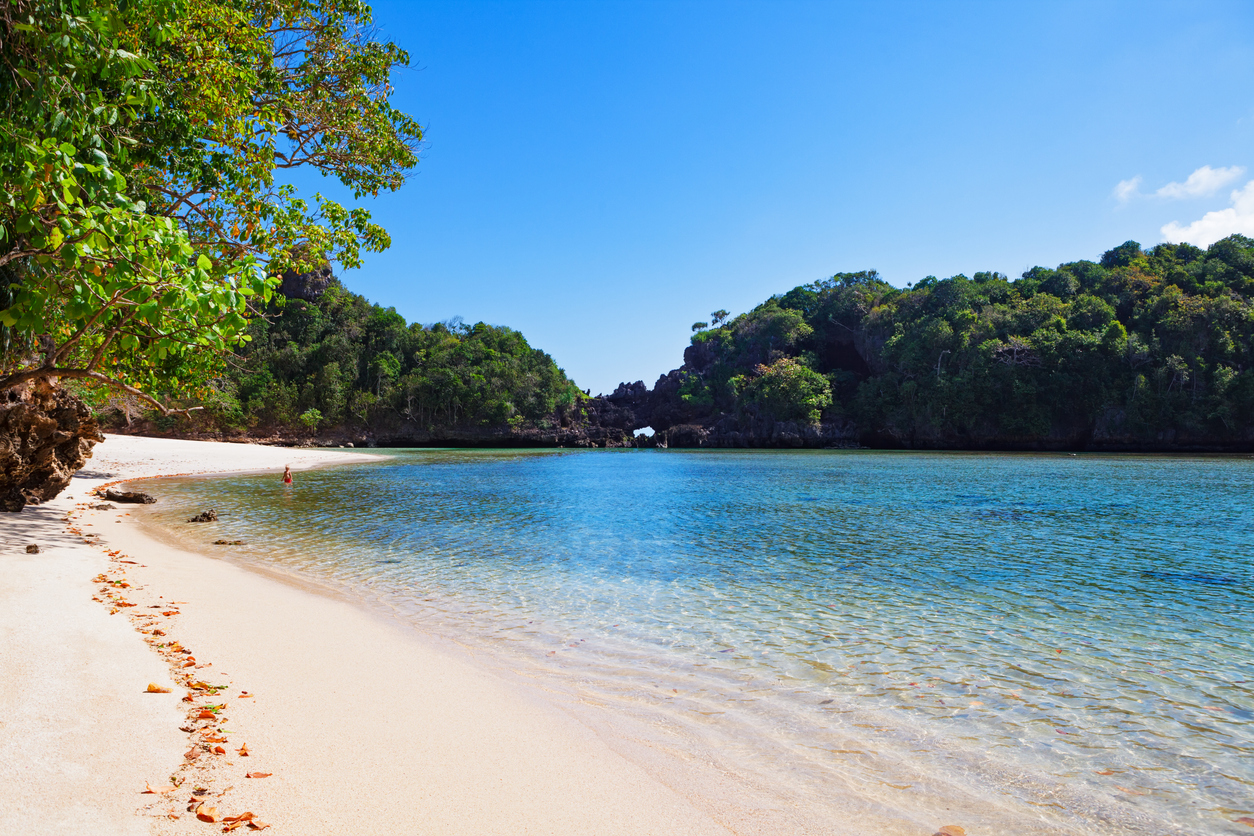
Segara Beach is my “classic Sanur” pick: neat sand, palm shade, and a polished feel without the resort bubble. Early mornings here are quiet and cinematic—soft light, gentle water, and a slow trickle of walkers and joggers. If you’re the kind of traveler who likes a simple ritual, this is where you make one: sunrise, a slow stroll, then breakfast nearby. The water is usually calm enough for an easy dip, especially around higher tide, and it’s a pleasant place to do nothing—just sit and watch the town wake up.
Hyatt Regency Beachfront Stretch
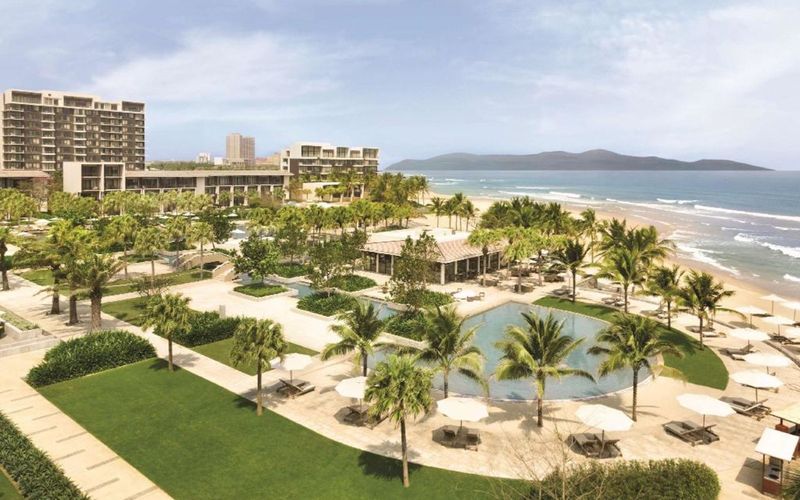
The beachfront by the Hyatt is famous for postcard views. On clear days you can spot Mount Agung on the horizon, and the sand is often dotted with colorful jukung boats pulled up for the morning. It’s a great place for photos, but it’s also a practical swim-and-wade zone because the vibe is organized and comfortable. Tides matter here; when the water retreats, you’ll see broad reef flats. When it comes in, the lagoon turns smooth and inviting. I like this area when I want an “easy beach day” that doesn’t require decisions.
Pantai Karang
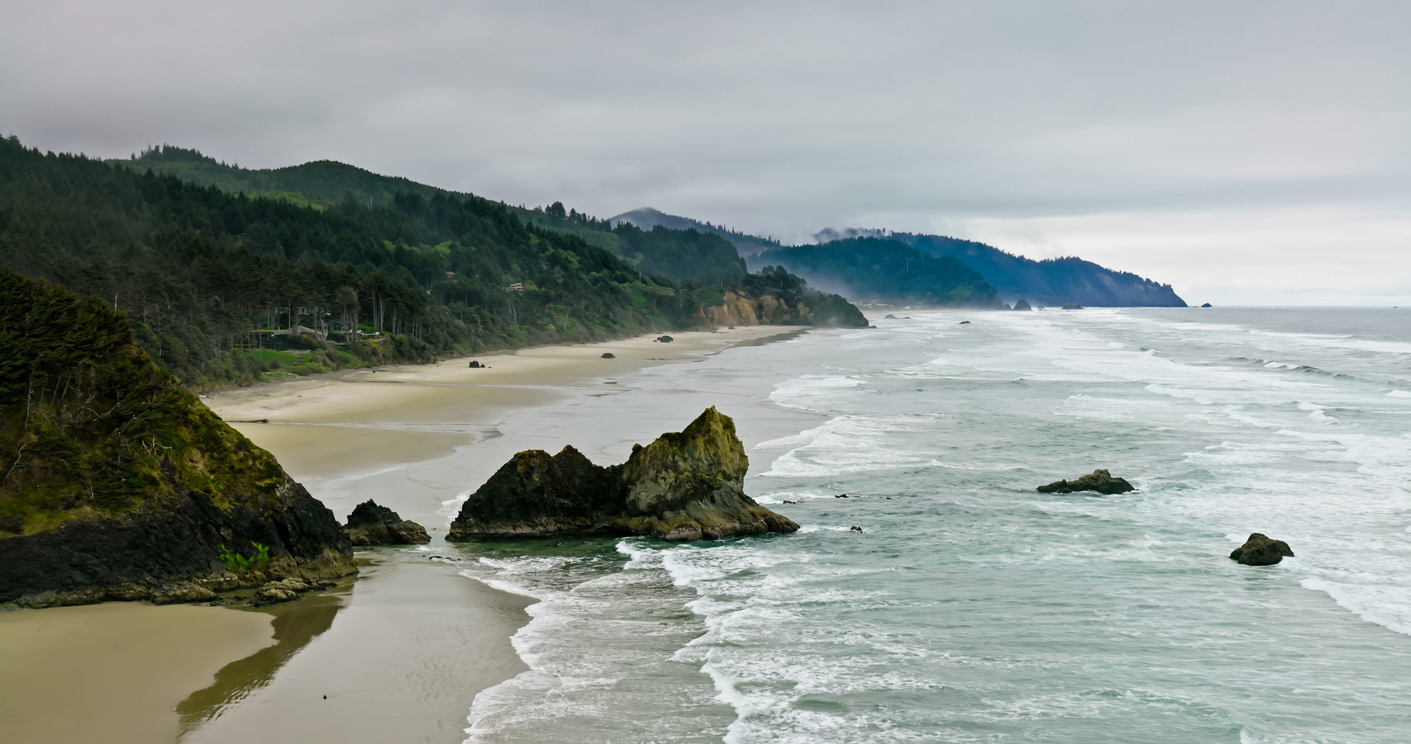
Pantai Karang feels more local and low-key. Mornings here have that community energy—people stretching, walking dogs, chatting quietly. Some days you’ll find free yoga sessions around 7:30 a.m., and even if you don’t join, it’s a sweet scene: mats on the sand, sunrise light, and the ocean as background music. If you want a calmer spot that’s still central, Pantai Karang is a good base for a gentle morning.
Cultural and Historical Attractions
Sanur’s calm vibe doesn’t mean it’s only beaches. There are small, meaningful cultural stops that add depth to your days.
Pura Blanjong (Blanjong Temple)
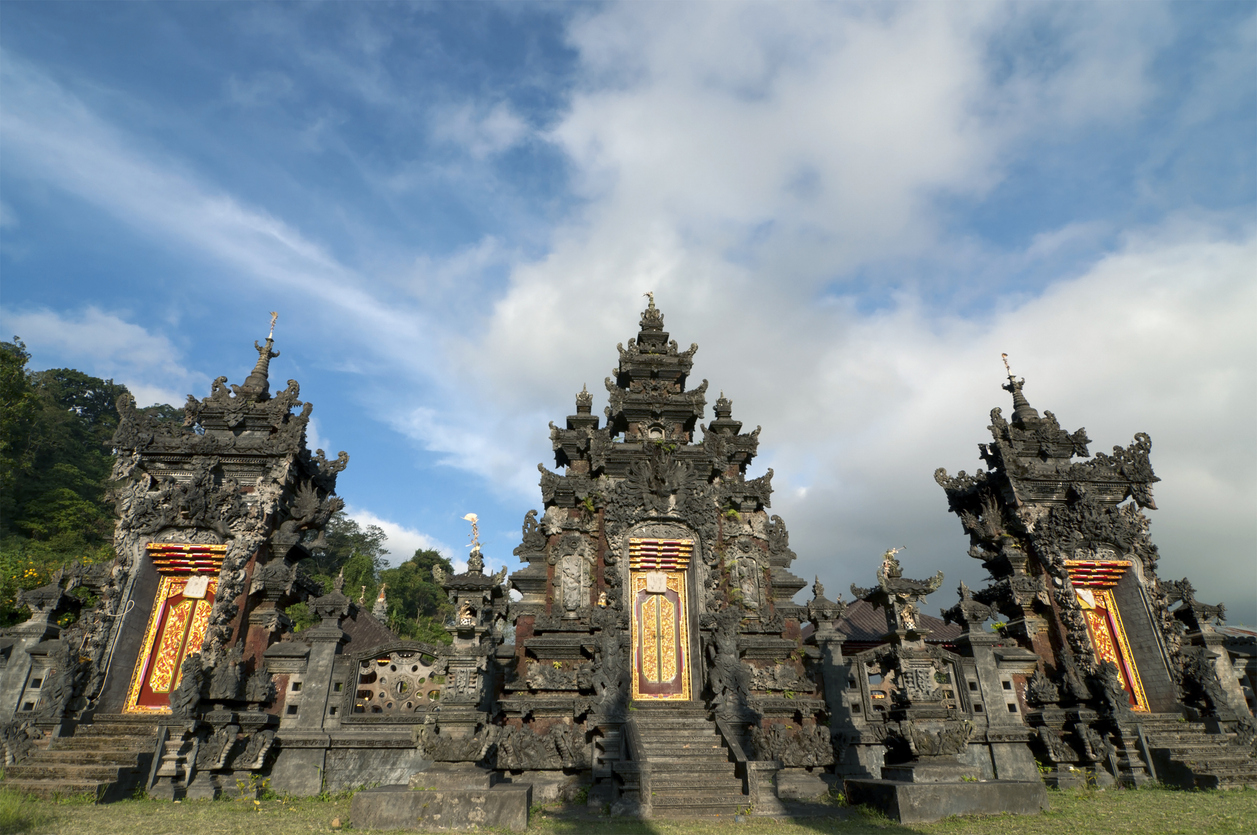
Pura Blanjong is modest in size, but historically significant. The highlight is the ancient stone pillar (Blanjong inscription), dated to 914 AD, associated with King Sri Kesari Warmadewa. It’s one of those places that takes 10–15 minutes, yet gives you a tangible connection to Bali’s older timeline. Dress respectfully, keep your voice low, and treat it as a quiet pause in your beach itinerary.
Le Mayeur Museum
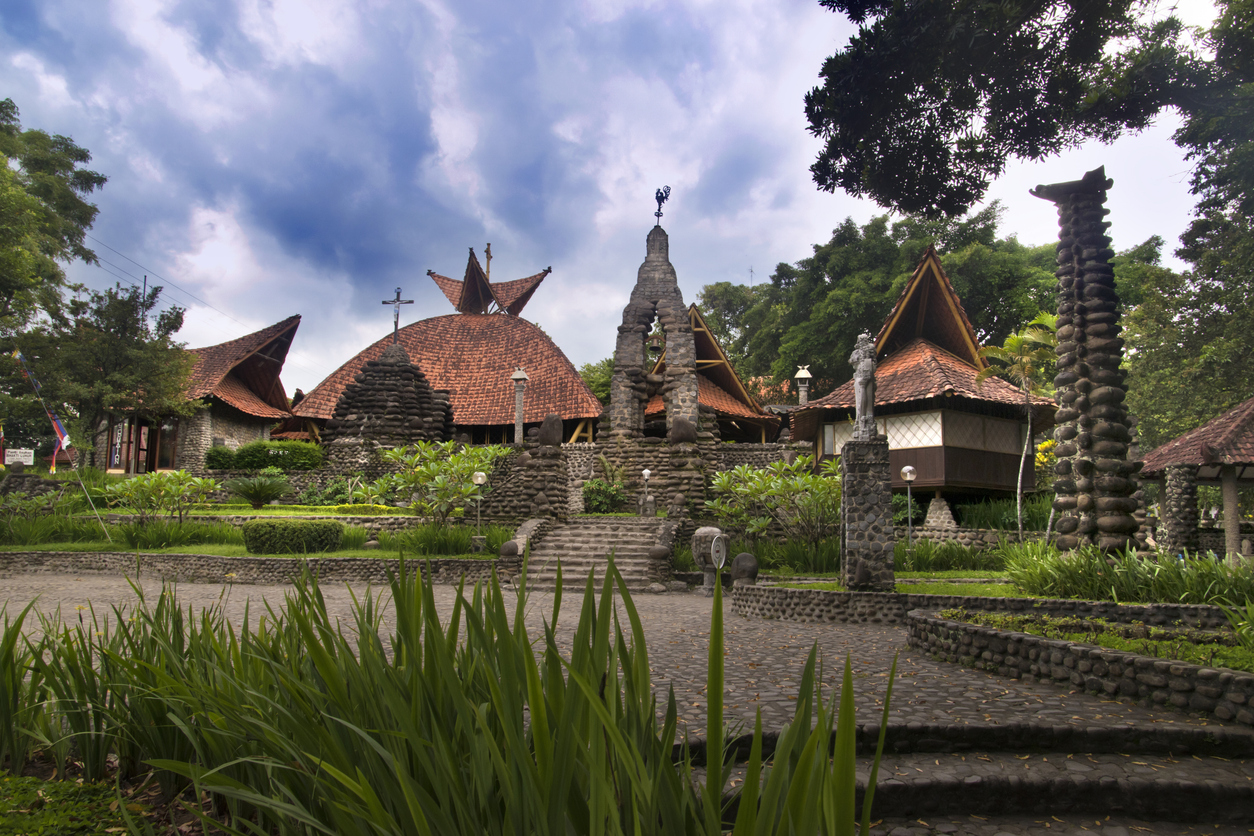
The Le Mayeur Museum is the former home of Belgian painter Adrien-Jean Le Mayeur and his Balinese wife, a dancer. Today it’s a small museum with colorful paintings and a garden setting that feels like a glimpse into another era of Sanur. It can be warm inside, and it’s not a huge collection, but if you like art or Bali history, it’s worth an hour. I like it as a “rainy-day” plan or a mid-day culture break when the beach feels too hot.
Bajra Sandhi Monument (Denpasar)

A short drive away in Denpasar, Bajra Sandhi is a striking monument dedicated to Balinese history and struggle. The architecture is dramatic—part fortress, part temple tower—and the interior museum is air-conditioned, which is a blessing on humid days. Even if you’re not a museum person, it’s a strong photo stop and a good way to add context to what you’re seeing across the island.
Markets and Shopping
Sanur’s shopping is pleasantly balanced: local markets for texture and a couple of modern options for convenience.
Jalan Danau Tamblingan (Sanur’s Main Street)
Jalan Danau Tamblingan runs parallel to the beach and is where most of Sanur’s shopping happens. You’ll find boutiques, souvenir stalls, cafés, spas, and practical stores. It’s ideal for an unhurried browse—pick up a sarong, a woven bag, small crafts, or just window-shop and stop for coffee. Bargaining is common at small stalls; fixed-price shops are also available if you prefer simplicity.
Sindhu Beach Market (Daytime Stalls)
Near Sindhu Beach, daytime stalls sell clothing, artwork, and souvenirs. This is where I look for small, packable items: lightweight textiles, simple jewelry, beachwear, and gifts that don’t require a suitcase strategy. Be polite when bargaining, and aim for a fair price rather than a victory.
ICON Bali Mall (Air-Con Backup Plan)

Sanur now has a sleek mall option. ICON Bali Mall is useful for rainy days, families who need predictable dining, or anyone who wants air-conditioned shopping and a clean, easy food court. Some travelers feel it changes Sanur’s sleepy mood; I treat it as a tool. Go when you need comfort, then return to the beach for the real Sanur vibe.
Water Sports and Beach Activities
Sanur’s reef-protected coastline makes water activities feel accessible, especially for beginners.
Parasailing and Jet Skiing
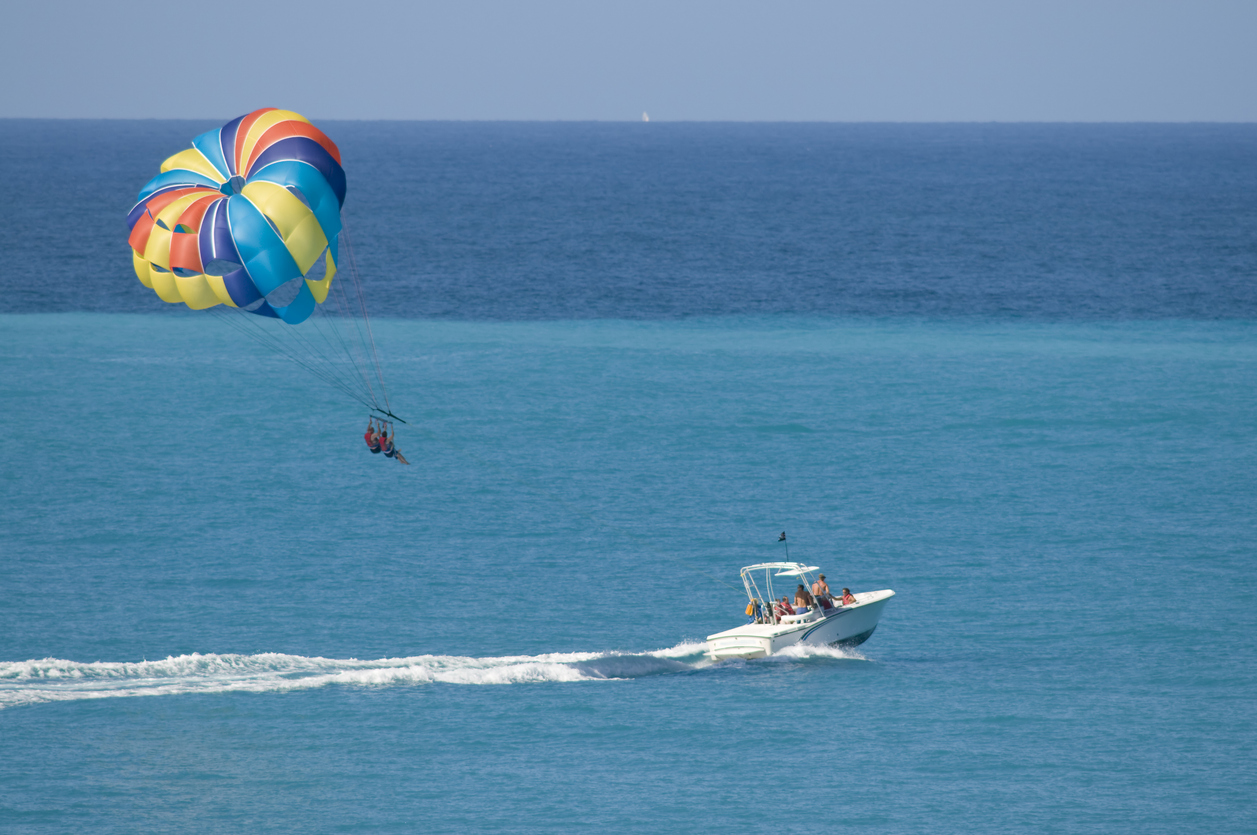
Along the beach you’ll find operators offering parasailing, jet skis, banana boats, and other classic holiday water sports. Choose carefully: compare operators, ask about safety, and don’t skip life jackets. Early morning often brings calmer conditions. Parasailing is surprisingly scenic here because the lagoon and reef line look beautiful from above.
Windsurfing and Kitesurfing (Seasonal)
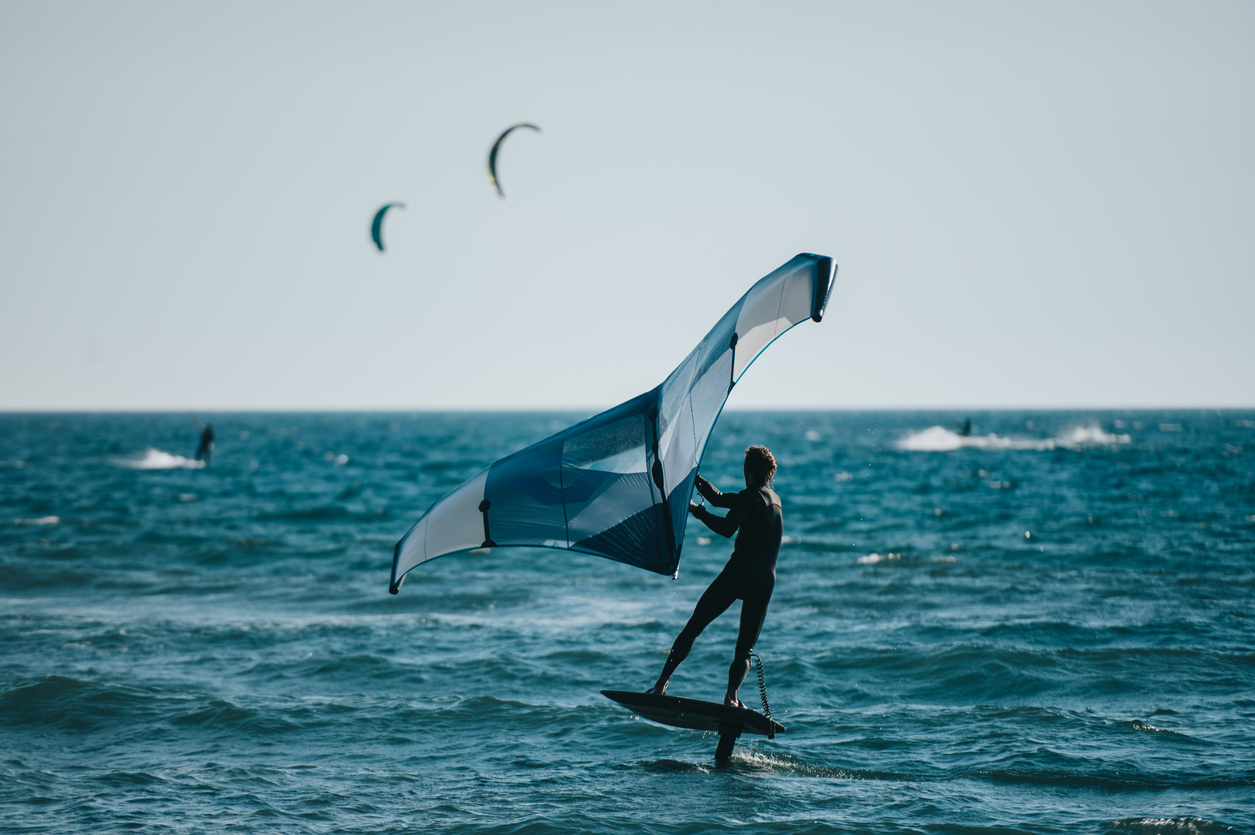
Sanur is one of Bali’s better spots for wind sports when the season brings consistent breezes. Lessons are available, and the calmer water can make learning feel less intimidating than wave-heavy beaches. Even if you don’t join, watching kites adds energy to the shoreline.
Massage and Spa Time
Sanur has massage places everywhere, ranging from budget storefronts to resort spas. A one-hour Balinese massage is often very affordable, and it’s the perfect counterbalance to sun and walking. My favorite Sanur day formula is simple: sunrise walk, long breakfast, beach time, massage, then dinner.

Snorkeling: What to Expect
Snorkeling directly off Sanur beach isn’t the island’s best. The near-shore reef isn’t as vibrant as top spots elsewhere. The smarter move is to use Sanur as your departure point for the Nusa Islands, where coral is healthier and visibility is better.

Day Trips from Sanur
Sanur’s location makes day trips feel unusually efficient by Bali standards, especially if you’re aiming east or central. You’re close to the harbor, relatively close to Denpasar, and you can reach Ubud without crossing the island. The only real variable is traffic and timing—if you plan your start well (or upgrade your transport), you can fit a lot into one day without it turning into a marathon.
Sanur Harbor to Nusa Penida
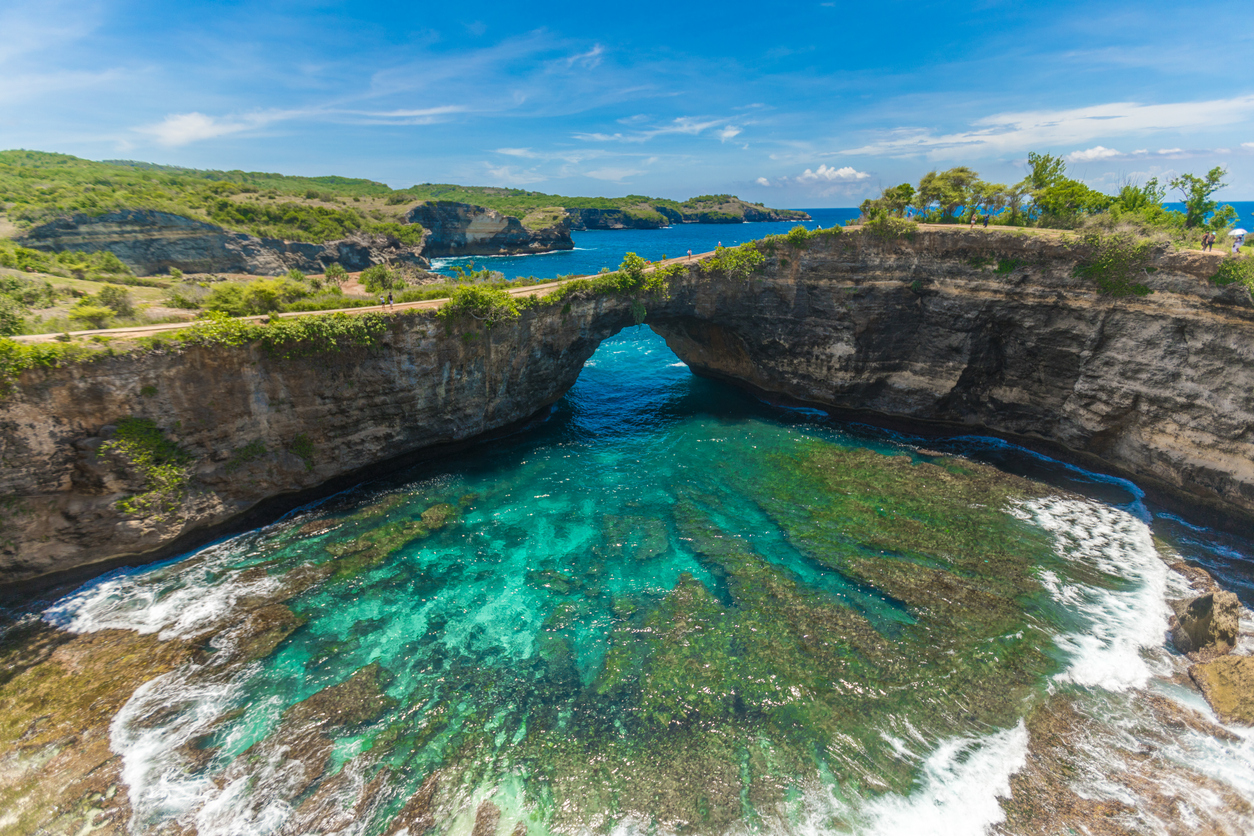
Sanur is the main gateway to Nusa Penida via fast boats, and it’s one of those day trips that feels like you’ve jumped into a different Bali entirely. Boats often take around 30–45 minutes, but factor in check-in time and boarding, especially in high season. I always recommend leaving early: the first departures give you cooler weather on the island and more breathing room at the busiest viewpoints.
Nusa Penida is dramatic and rugged—cliffs, turquoise bays, and big “wow” landscapes. If you’re doing it as a day trip, the key is to pick a focused route. Penida roads can be slow and bumpy, and trying to see everything is the fastest way to spend your entire day in a car. A smoother approach is choosing either the west highlights (Kelingking area + one more nearby stop) or a more relaxed beach-and-viewpoint combo.
Booking a tour that includes transport on the island makes everything easier. You get picked up, you don’t have to negotiate drivers on arrival, and your day stays structured. Bring water, sunscreen, and shoes you can trust—Penida viewpoints can be dusty and steep, and heat builds fast.
Nusa Lembongan for a Gentler Island Day
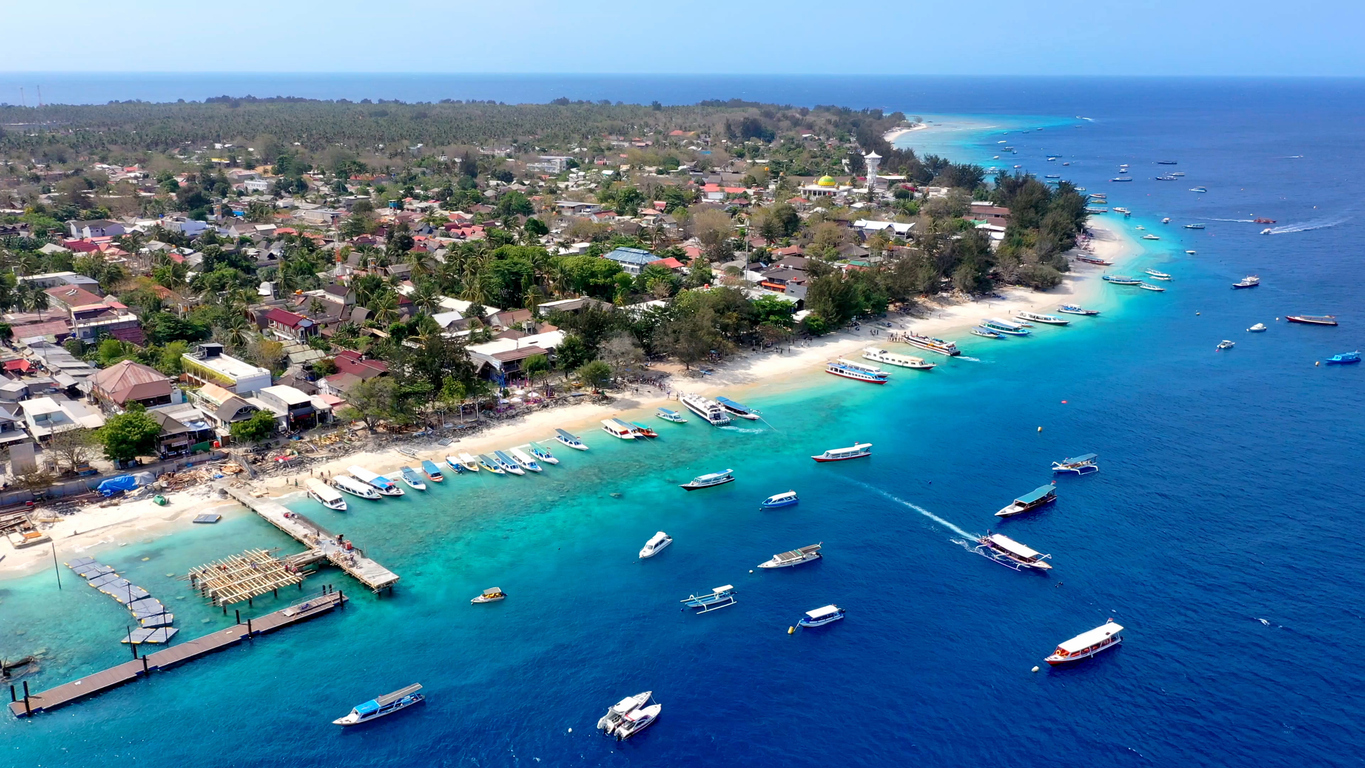
If Nusa Penida feels too intense for a single day, Nusa Lembongan is the gentler, softer alternative. The vibe is calmer, navigation is simpler, and the island feels more “holiday” and less “expedition.” That makes it an excellent option for families, travelers who want beach time, or anyone who prefers a day that doesn’t feel like a race against the clock.
Lembongan is easier to enjoy spontaneously. You can arrive, grab lunch, spend time by the water, and still fit in a few highlights without overplanning. It’s also a great “first Nusa island” if you’re unsure whether you want the bigger, wilder Penida experience. For many people, Lembongan is exactly the right balance: a proper island day trip with less logistical friction.
Balicopter Transfers to the Nusa Islands (Premium Option)
If you want to skip the boat entirely—or you’re short on time—Balicopter can turn the Nusa Islands into a premium day trip with a completely different feel. Helicopter transfer-style experiences replace the sea crossing with a scenic flight, which can save time and reduce the “waiting around” part of island hopping.
This option is especially valuable if someone in your group gets seasick, if you’re traveling with kids who struggle with long transitions, or if you’re trying to compress a high-impact Bali itinerary into a short stay. The flight itself becomes part of the highlight: coastline, reef line, and island shapes from above. It’s not the cheapest way to do the Nusас, but it is the most time-efficient and the most memorable.
Helicopter Tours (Scenic Day Trips Without the Road Time)
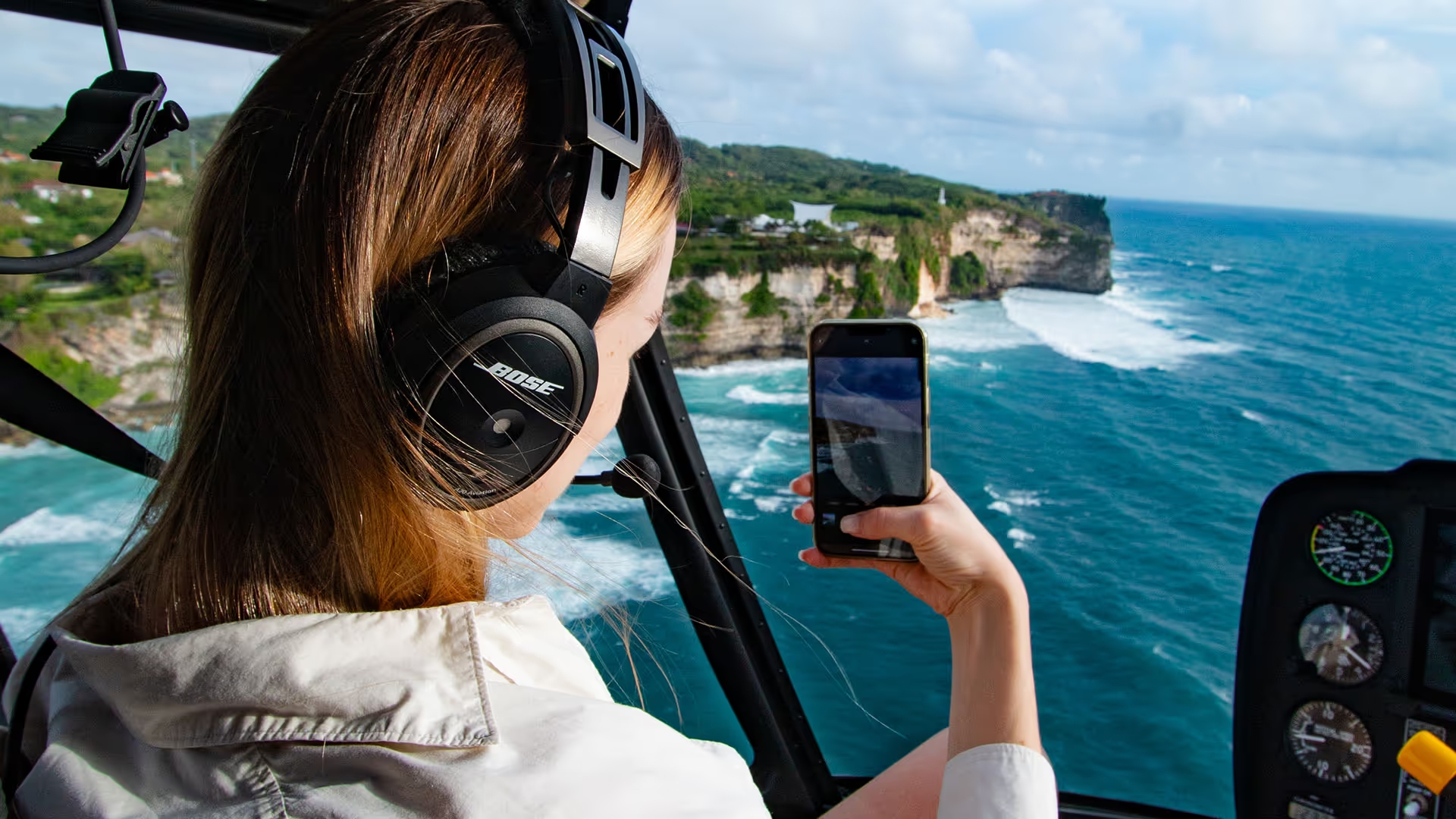
If you love the idea of exploring beyond Sanur but you hate the idea of spending half your day in a car, helicopter tours are the cleanest solution. Bali can be deceptively slow on the ground: short distances turn into long drives because of narrow roads, ceremonies, and peak-hour congestion. A helicopter tour flips that completely—less transit, more experience.
From Sanur, a helicopter day trip can be built around what you care about most: coastline and cliff views, volcano panoramas, jungle and rice terraces, or island-hopping experiences. It also works beautifully for sunrise or “golden hour” flights, when Bali’s landscape looks cinematic and the light makes everything feel unreal in the best way.
What I like about adding helicopter tours to a Sanur itinerary is that it keeps the town’s calm vibe intact. You can have a big adventure without coming back exhausted. It’s also a strong “special day” option—anniversary, birthday, proposal, or simply the one day you want Bali to feel truly extraordinary.
Related Tours


.jpg)
Ubud Day Trip

Ubud is reachable from Sanur in roughly 60–90 minutes depending on traffic, and it’s the easiest way to add jungle scenery, temples, and art culture to your Sanur beach days. The trick is not trying to cram in “all of Ubud” in one go. Choose a few meaningful stops: one temple, one nature highlight, and one café you actually want to sit in.
Start early, especially if you want quieter moments at popular spots. I like an Ubud day trip that feels balanced—something spiritual (a temple or holy spring), something scenic (rice terraces or a short walk), and something indulgent (coffee or lunch somewhere green). Then come back to Sanur and enjoy the contrast: calm beach evening instead of another busy district.
Tanah Lot (Iconic Sea Temple)
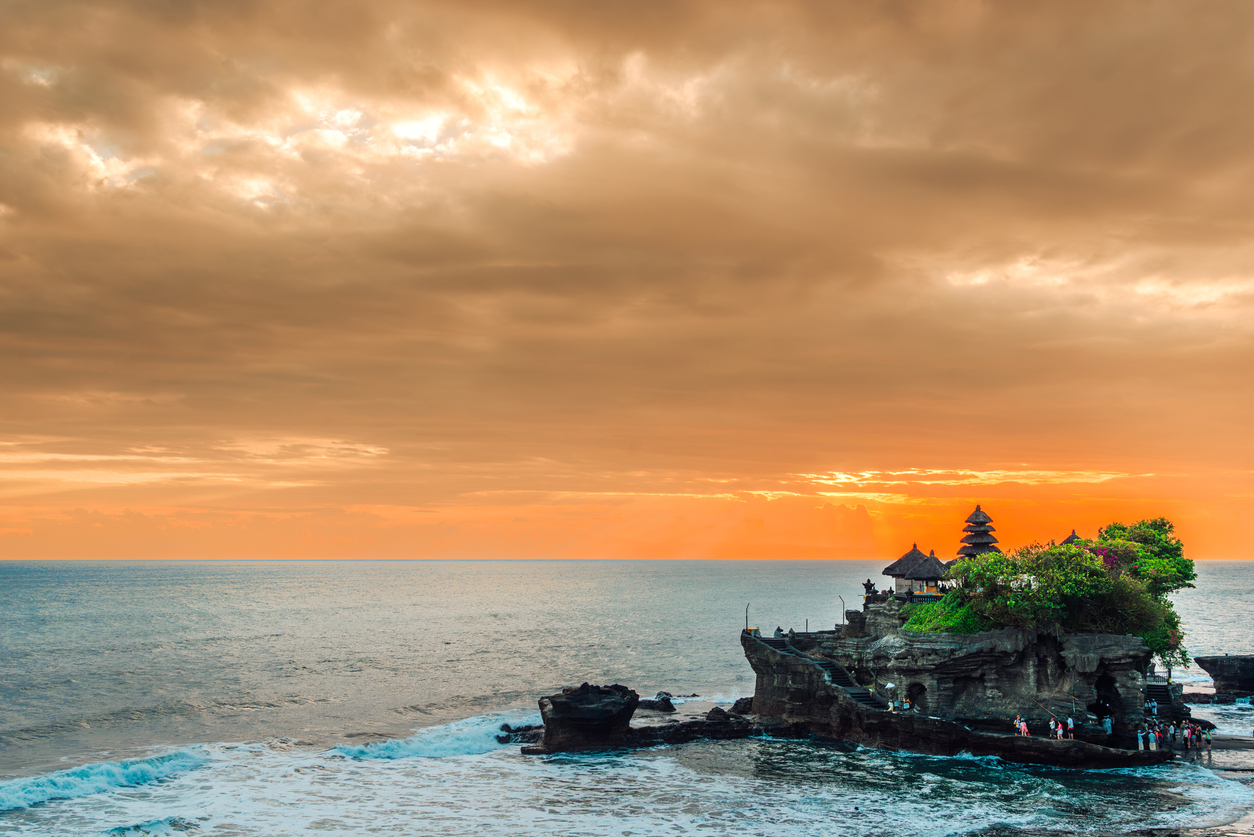
Tanah Lot is doable from Sanur as a longer day trip, and it’s one of those “classic Bali” moments that many travelers want. It’s iconic for a reason: a sea temple on a rock formation, waves crashing, dramatic coastal views. The main thing to know is that it can be crowded—so manage expectations and treat it like an atmospheric stop, not a private spiritual experience.
I prefer going later in the afternoon, letting the light soften, and combining it with a relaxed coastal drive. Think of it as “iconic-photo-and-coastal-walk” rather than “deep cultural immersion.” If you want a calmer end to the day, plan dinner somewhere scenic afterward rather than trying to squeeze in more stops.
Uluwatu (Cliffs and Kecak Dance)

Uluwatu is farther, but it delivers drama: cliffs, ocean, and the famous sunset Kecak dance. From Sanur, it works best as a purposeful afternoon-to-evening trip. Leave early enough to avoid arriving stressed, explore the cliff paths, and then settle in for the performance as the sky changes color.
Pair Uluwatu with one or two Bukit beaches if you want a fuller day, but don’t overload it. The best Uluwatu days have space for wandering and taking in the views. Coming back to Sanur afterward feels like returning to a quieter, softer Bali—one of the reasons this day trip works so well from here.
Family-Friendly Activities
Sanur is one of Bali’s easiest places to travel with kids because so much here is naturally low-stress: calm water, walkable areas, and a gentle pace. You can keep days simple and still feel like you’re doing “real vacation.”
Family Bike Ride on the Promenade
The boardwalk is practically a built-in family activity. Rent bikes, stop for coconut, watch boats, and let the outing be simple. It’s low-stress, flexible, and works for all ages. If you go early morning or late afternoon, it’s cooler and more comfortable.
Bali Zoo (Easy Half-Day)

Bali Zoo is a short drive away and offers a reliable family plan: shaded paths, animals, and interactive experiences. It’s a good “break from the beach” option, especially if kids need variety. Plan it as a half-day, then return to Sanur for a swim and a calmer evening.
Bali Bird Park

Near the zoo, Bali Bird Park adds color and energy. It’s visually exciting, full of photo moments, and has a gentle educational angle that doesn’t feel like “school.” It’s fun for adults too—bright parrots, tropical birds, and that lively “wow” factor kids love.
Camel Ride in Nusa Dua (Novelty Option)
If you want a quirky memory, the camel rides in Nusa Dua are a novelty activity—short, slightly surreal, and usually a hit with kids. Think of it as a fun photo-and-story experience rather than a long excursion.
Turtle Release (If Timing Works)
Depending on season and conservation schedules, you may catch a turtle hatchling release experience associated with nearby Serangan programs. Ask locally (hotels and cafés often know). If available, it’s gentle, educational, and genuinely memorable—one of those small moments kids remember for years.
Practical Travel Tips
Best time to visit
Dry season (roughly April–October) brings clearer days for beach time and day trips. July–August are pleasant but busy, so book boats and drivers earlier if you travel then. Rainy season (roughly November–March) can still be enjoyable: showers often come in bursts, and mornings can be beautifully clear. If you don’t mind occasional rain, shoulder months can feel like a sweet spot.
Getting around
Sanur is walkable in the central areas and along the promenade, and bikes are excellent for daily movement. For short rides, Grab/Gojek and taxis are common. For bigger days, hire a private driver—it’s the easiest way to see more of Bali without scooter stress. If you’re optimizing time or planning a “special day,” consider helicopter tours to avoid long drives altogether.
How long to stay
Most travelers love Sanur for 2–4 nights: enough for beach mornings, markets, a cultural stop, and one big day trip (like the Nusас). If you want slow, restorative Bali, a week feels natural here—Sanur is the kind of place where “doing less” actually feels like doing it right.
FAQ

When is the best time to visit Sanur?
April to October is the easiest window for sunny beach days and boat trips. Shoulder months can offer fewer crowds with good weather.
Is Sanur safe and family-friendly?
Yes. It’s one of Bali’s calmer areas, with gentle water, a long promenade, and a relaxed overall feel.
Can I swim at Sanur Beach?
Yes—especially around higher tide. The reef reduces waves and keeps the water relatively calm and shallow.
How do I visit the Nusa Islands from Sanur?
Use fast boats from Sanur Harbor (often around 30–45 minutes to Nusa Penida). Day tours can simplify transport on the island.
What’s the best way to start a Sanur trip in a memorable way?
Do sunrise on the beach—and if you want a true “wow” moment, start with a Balicopter scenic flight over the coastline, or choose a helicopter day tour to experience Bali’s landscapes without losing hours on the road.
See more Blog Posts




.svg)

.svg)
.svg)
.svg)

