





The first time I tried a Balinese massage (and why it felt “so Bali”)


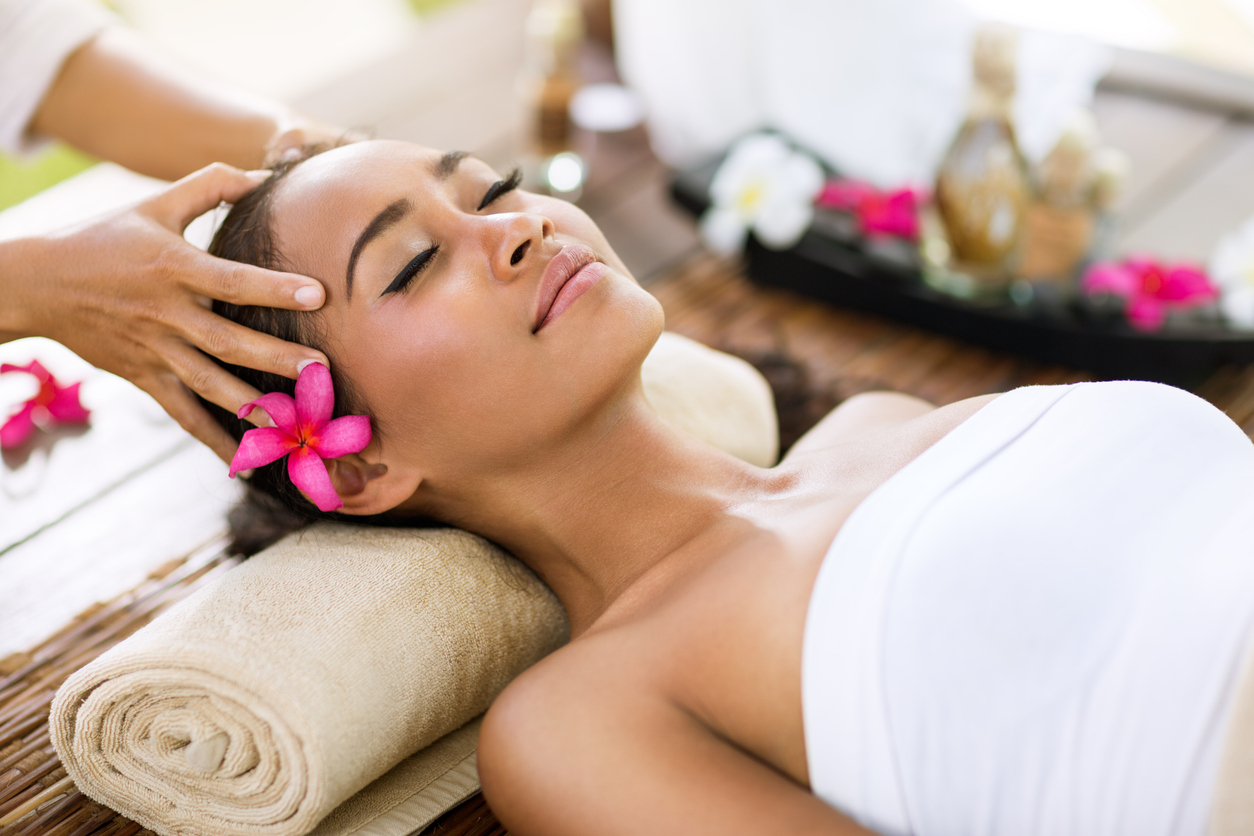
On my first real Bali trip, my body arrived before my nervous system did. Shoulders up to my ears, calves tight from wandering, brain still doing time-zone math. I was in Bali, but I didn’t feel like I had landed yet.
A Balinese massage was my first true I’m actually here moment. Not because it was fancy, but because the whole experience felt like Bali distilled: warm oil, soft ritual, and a rhythm that insists you slow down. The room didn’t shout “luxury.” It whispered “exhale.”
If you’re an English-speaking traveler planning Bali, that’s the promise you’re really buying when you type “Balinese massage” into Google: not just muscle work, but a fast track from itinerary mode to island mode.
The vibe: scent, rhythm, and that post-flight reset
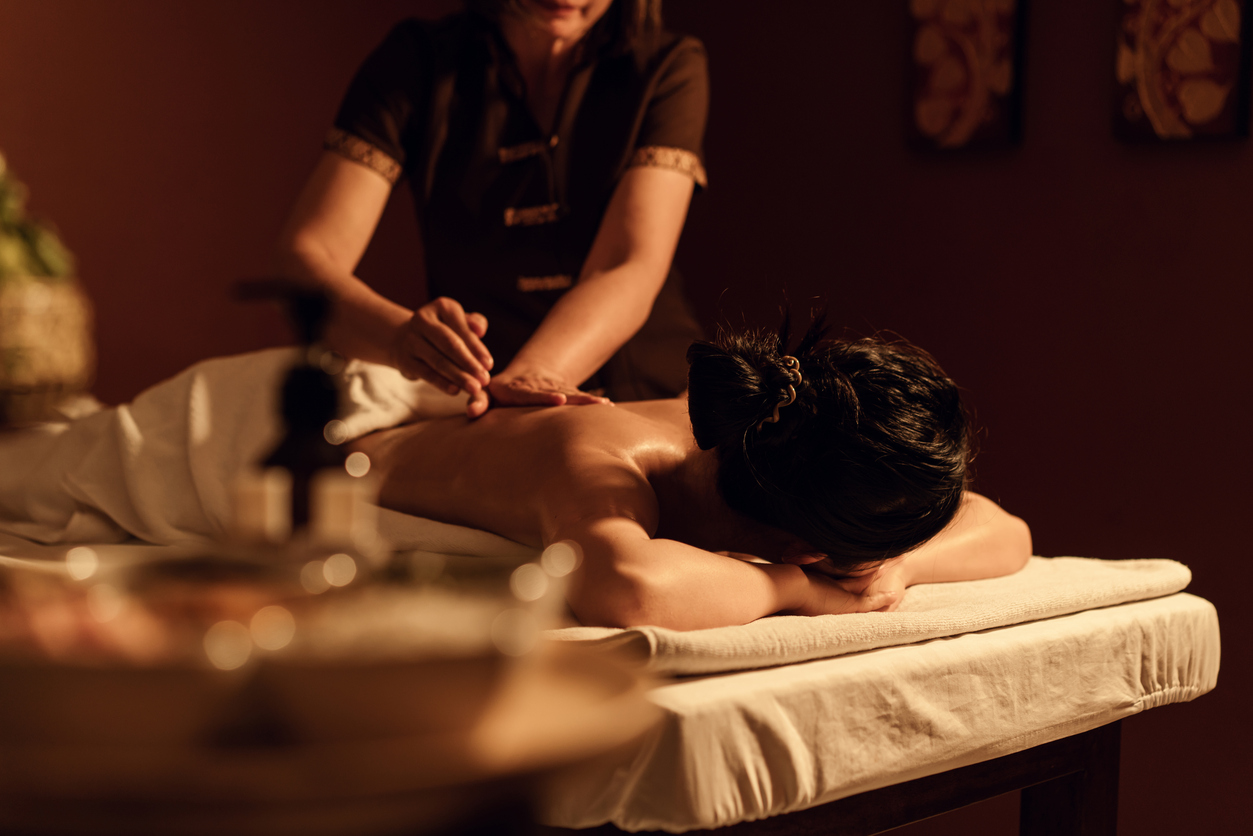
Balinese massage is widely described as a holistic, full-body treatment that blends gentle stretching, acupressure, reflexology, and aromatherapy—plus techniques like skin rolling, kneading, stroking, and pressure-point stimulation.
That “blend” matters. It’s why the session can feel both soothing and surprisingly effective: one minute you’re drifting, the next you notice blood moving again in body parts you forgot existed. Good Spa Guide also highlights the role of aromatherapy oils in the experience, noting they’re important for soothing the mind and making strokes more fluid and comfortable.
Who it’s best for (jet lag, sore legs, “I need a nervous system reboot”)
In traveler terms, Balinese massage is especially useful for:
- Jet lag and arrival tension (a full-body reset).
- General soreness from walking, scooters, temple stairs, or surf lessons.
- First-timers who want firm pressure without the “rehab session” vibe of deep tissue. (Many guides frame Balinese as balance- and relaxation-oriented, while deep tissue is more targeted.)
One reality check: it can still be deep. Good Spa Guide notes you should expect quite deep pressure in many sessions, because the therapist may work into knotted tissue.
What is Balinese massage, really?
Balinese massage is a traditional Indonesian approach that’s typically described as “full-body” and “holistic,” meaning it combines multiple techniques rather than focusing on one narrow method.
If “holistic” sounds vague, here’s the grounded version: it doesn’t just chase pain points; it uses rhythm, oil, and pressure-point work to bring your whole system down a notch.
The technique in plain English: strokes, pressure points, gentle stretching, oils
In one sentence: it’s an oil-based, full-body massage that blends long strokes and kneading with pressure-point work and gentle stretching.
Good Spa Guide’s definition is basically the canonical SERP version: gentle stretches + acupressure + reflexology + aromatherapy, combined with kneading/stroking and pressure-point stimulation.
A few practical details from that same “what to expect” style content:
- It’s usually performed on a massage couch, but can also be done on a floor mattress.
- Sessions are often around an hour (though many Bali spas also offer 90 minutes or more).
- The oil isn’t decorative: it’s there to reduce friction and make long strokes feel smooth.
Mello Spa frames the style as influenced by Ayurveda, acupressure, and reflexology and emphasizes the “balance body, mind, and spirit” intention—language that travelers often translate into “I slept better and felt calmer.”
Balinese vs deep tissue vs Thai: how to choose without overthinking it
A simple cheat sheet:
- Balinese massage: rhythmic, oil-based, full-body; designed to calm and rebalance.
- Deep tissue: more targeted and intense—better if you want focused work on one problem area.
- Thai massage: typically more stretch-based and often done with less oil (menus vary).
Three decision questions I use:
- Do I want relaxation or targeted release? (Balinese vs deep tissue.)
- Do I like oil? (If not, Thai might suit you.)
- Am I okay being a little sore tomorrow? (Deep tissue often comes with “next day feedback.”)
My personal rule: if I want to feel melted, I choose Balinese; if I want to feel fixed, I choose deep tissue.
What to expect step-by-step during a session in Bali
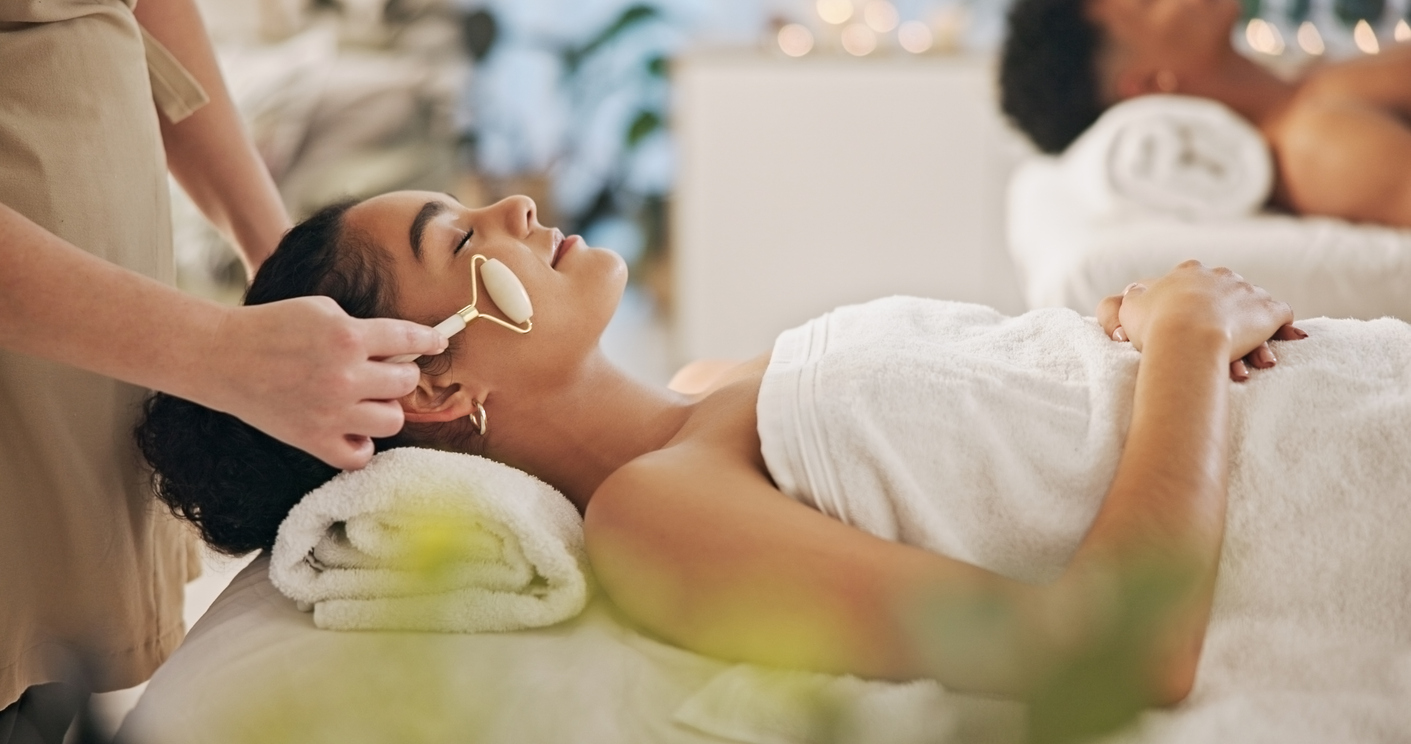
If you’ve never booked a massage in Bali, the nerves are usually about logistics: what to wear, what to say, and how not to be awkward.
Here’s the common flow, based on what Bali spas (and high-ranking guides) describe.
“Feet first” and foot rituals: how it usually starts
Many spas build in a small arrival ritual—often a foot bath or foot wash, sometimes with aromatherapy. Bali Orchid Spa explicitly calls out foot baths and aromatherapy as part of Balinese spa culture and encourages visitors to treat rituals as part of the experience rather than an optional extra.
Before you even get to the table, there’s often a little “settling” phase. Bali Orchid recommends arriving at least 15 minutes early to change, unwind, and transition into a calmer headspace.
That advice matters more than it sounds: massages feel better when you don’t arrive stressed.
Pressure levels, modesty, and what you can ask for (and should)
Clothing: Balinese massages are often oil-based, so you’ll undress (fully or nearly fully). Finns’ Ubud guide says most people remove all or nearly all clothing because the therapist needs access to the skin.
What the spa provides: Many Bali spas provide basics—robes, slippers, lockers, towels and toiletries—and Bali Orchid even notes that disposable undergarments may be offered for certain treatments.
Translation: you don’t need to bring a survival kit. Show up clean-ish and relaxed-ish.
Pressure: Bali Orchid encourages open communication (pressure level, room temperature, music volume).
And Good Spa Guide notes it’s common to use deep pressure to work on knotted tissue.
A phrase that works everywhere: “Medium pressure, please.” And if you have one sensitive area, tell them early (not after you’re already flinching).
Aftercare: water, tea, and why you shouldn’t book a scooter ride immediately after
Good Spa Guide suggests that if you can lie down afterward, take it.
Bali Orchid notes many spas offer water or herbal tea post-session and encourage you to stay a little longer in the lounge before returning to your day.
If you can, avoid scheduling “high alert” activities immediately after (driving in busy traffic, a rushed tour pickup). Your body will be more receptive to the massage if you let the calm settle.
Prices in Bali: what you’ll pay and how not to get ripped off

Bali massage prices can look chaotic at first glance. The trick is to remember you’re not only paying for “minutes.” You’re paying for setting, cleanliness, therapist experience, and (sometimes) a full spa ritual.
Use published menus as anchors—then decide what makes sense for your trip.
Budget street spa vs mid-range boutique vs luxury resort spa
Three real price anchors from published menus:
Budget / local-value (Ubud example): Sacred Ubud Spa lists Classic Balinese Coconut Oil Massage at IDR 125,000 for 60 minutes and IDR 180,000 for 90 minutes.
They also list combos like Bali Boreh Scrub & Balinese Massage (100 mins) for IDR 245,000.
Affordable packages + home service (Seminyak example): Bali Moon Spa publishes an extra IDR 75,000 per therapist for home/outcall service in Seminyak and surrounding areas.
They also list Balinese massage packages—one example is IDR 399,000 for a package including 1 hour Balinese massage plus manicure and pedicure.
Mid-to-premium spa (Nusa Dua example): Bali Orchid Spa publishes a Traditional Balinese Massage at 60 minutes for IDR 480,000 (and displays discounted pricing depending on offers shown).
For context on the very low end, Finns claims you can find a traditional Balinese massage for as little as IDR 70,000 in Ubud if you’re “not fussy” about the environment.
Consider that a signal that “cheap exists,” not a target you must hit.
My practical pricing advice: Pick a tier for your mood that day.
- If you just want your legs to stop complaining: local-value is fine.
- If you want a calm, memorable, “this is my Bali spa day” ritual: mid-range or premium is worth it.
Add-ons that change the bill: lulur scrub, flower bath, hot stones
If you want the “Bali spa ritual” experience—the one you remember months later—add-ons are where it happens.
Lulur scrubs: Good Spa Guide references the Javanese Lulur Ritual as a traditional preparation ritual (historically linked to bridal traditions). Modern spa menus often use “lulur” to mean an exfoliating scrub.
Flower baths: Finns’ couples guide notes that many couples packages include a foot bath, traditional Balinese massage, and a romantic flower bath.
For a concrete example, GetYourGuide lists a “2-hour” experience explicitly bundling Balinese massage + traditional Indonesian lulur scrub + flower bath.
Hot stones: Finns notes hot stone isn’t traditional Balinese massage, but it’s popular and widely offered.
A simple “value checklist” (cleanliness, communication, transparency)
To avoid regret, don’t optimize only for cheap. Look for:
- clear menus and no “mystery upsell”
- clean treatment rooms and fresh linens
- therapists who invite feedback on pressure (Bali Orchid says communication is key)
- an intake question or two (“any injuries?”)
- and transparency about health considerations (Good Spa Guide advises telling therapists about medical conditions/pregnancy).
If something feels off—unclear pricing, pushy upsells, poor hygiene—choose another place. Bali has options.
Where to book your Balinese massage: best areas for different travel styles
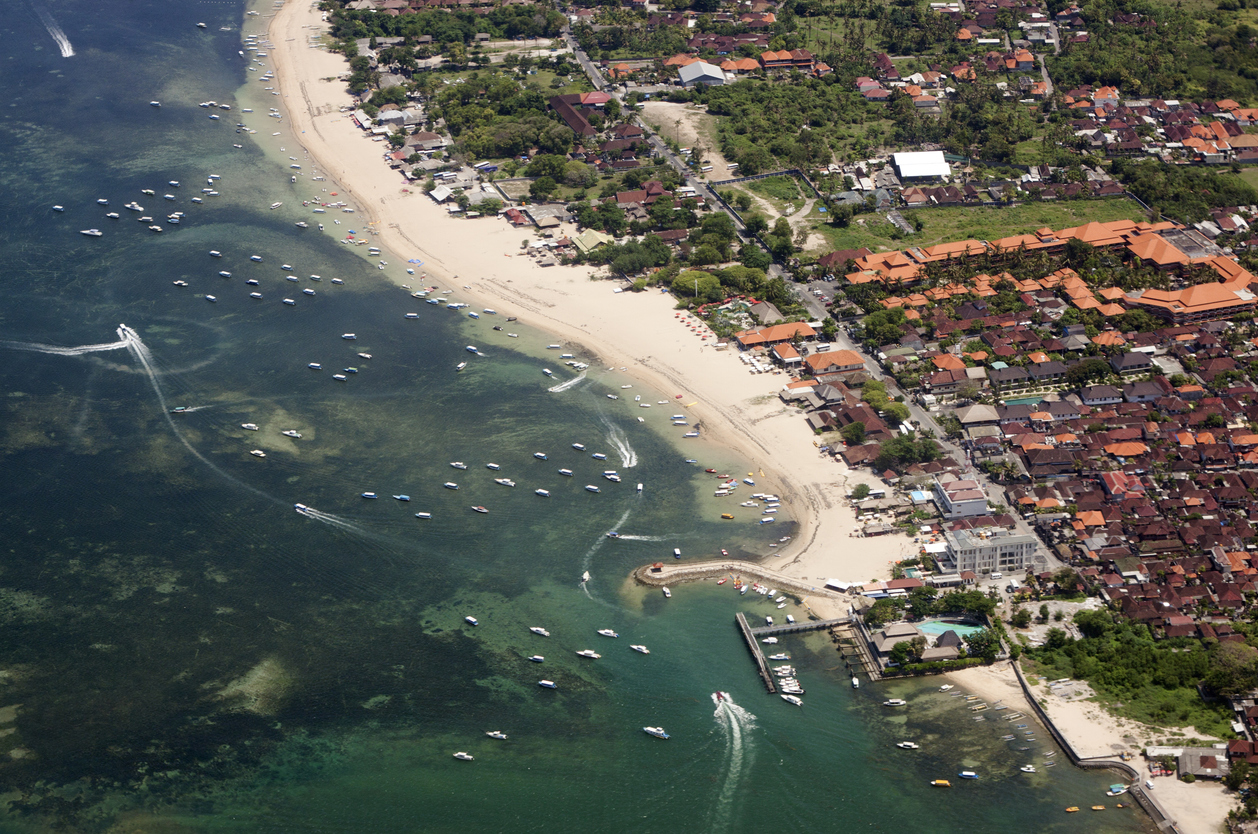
The “best” area is basically: where you’re staying + what you want the day to feel like.
Ubud for jungle calm and wellness-day energy
Finns calls Ubud the “spiritual heart” and frames it as ideal for holistic treatments.
Miss Filatelista similarly describes Ubud as Bali’s spiritual hub and highlights the variety of holistic therapies available there (from reflexology to reiki and sound therapy).
Practical Ubud move: book your massage late afternoon, then treat the evening like a soft landing—slow dinner, early bed, and a walk the next morning where your body feels like it belongs to you again.
Seminyak for polished, “easy to book” spas between cafés and beach clubs
Seminyak is convenience central, and it’s also where the “Balinese vs deep tissue” decision shows up constantly on menus—exactly the traveler intent Mello’s comparison guide targets.
If you want in-villa massage, Bali Moon Spa is an example of a provider openly publishing home/outcall options, additional fees, and package pricing.
Canggu for modern wellness menus (and post-massage brunch)
If your Bali trip is surf + cafés + “wellness as lifestyle,” Canggu fits. It’s also a departure point in at least one published helicopter tour catalogue, which is handy if you’re pairing “massage day” with “big view day.”
Nusa Dua for resort-grade consistency
Bali Orchid Spa’s published services and etiquette guide reflect a structured, resort-style experience and are tied to a Nusa Dua location.
Balicopter also markets tours starting from a Nusa Dua heliport, which can make logistics simpler if you’re staying nearby.
FAQ
Is Balinese massage painful?
It shouldn’t feel like punishment, but it can be firm. Good Spa Guide says deep pressure is common in Balinese massage, especially when working into knots.
If it’s too much, ask for less pressure. A good therapist will adjust immediately.
Can I do it if I’m pregnant / sunburnt / sore from surfing?
If you’re pregnant—or think you might be—tell the therapist in advance; Good Spa Guide explicitly advises sharing pregnancy and medical conditions.
For sunburns or acute injuries, go gentle or skip pressure work; your goal is to leave feeling better, not “tough.”
How often is “too often” if I’m in Bali for two weeks?
No universal rule. Many travelers do a massage every few days. The smarter metric is how you feel the next morning: if you’re sleeping better and moving easier, you’re on track; if you’re bruised or wiped out, reduce intensity or frequency.
Related Tours
See more Blog Posts




.svg)

.svg)
.svg)
.svg)

