





Nyepi 2026: The Ultimate Travel Guide to Bali’s Day of Silence


If you’re planning a trip to Bali in March, there’s one date you absolutely need to mark on your calendar: Nyepi 2026. Known as the Balinese New Year and often called the Day of Silence, Nyepi is unlike any other cultural celebration in the world. Instead of fireworks, countdowns, and late-night parties, Bali embraces 24 hours of complete stillness. The airport closes, roads empty, lights dim, and even tourists are required to remain inside their accommodations. For travelers, Nyepi 2026 is not an inconvenience—it’s an experience that can redefine what a holiday means. Understanding how Bali Nyepi works, how it affects travel logistics, and how to prepare properly will ensure your trip flows smoothly while honoring local traditions. This guide covers everything you need to know about Nyepi 2026, from cultural meaning and practical planning to personal travel tips and pre-festival celebrations.
What Is Nyepi? Understanding Bali’s Day of Silence
Nyepi is the Balinese Hindu New Year, calculated according to the Saka lunar calendar rather than the Gregorian calendar most travelers use. Unlike Western New Year celebrations, which focus on celebration and noise, Bali Nyepi emphasizes introspection, purification, and renewal. The Day of Silence marks a spiritual reset for the island, inviting reflection and balance. On Nyepi 2026, the entire island of Bali pauses collectively, creating an atmosphere that feels surreal and deeply powerful. The silence is not symbolic—it is literal. There are no vehicles, no visible outdoor activity, no entertainment, and minimal lighting after dark. For visitors experiencing Nyepi travel for the first time, it can feel almost otherworldly. Yet this pause is central to Balinese identity and spiritual life, making it one of the most unique cultural events in Southeast Asia.
When Is Nyepi 2026?
Nyepi 2026 will begin at 6:00 AM on March 19 and end at 6:00 AM on March 20. Because the holiday follows the Saka calendar, its date shifts each year, which is why searching specifically for Nyepi 2026 details is important when planning travel. The 24-hour observance includes strict island-wide regulations that apply equally to residents and tourists. Bali’s international airport closes for the duration, meaning no arrivals or departures are possible. Roads are empty, beaches are inaccessible, and even outdoor resort areas may be restricted depending on local community enforcement. For travelers visiting Bali Nyepi season, it is essential to coordinate flights around these hours. Many airlines adjust schedules well in advance, but missing this detail can disrupt an otherwise smooth itinerary. Planning your Nyepi 2026 stay properly transforms it from a logistical hurdle into a meaningful highlight of your trip.
The Spiritual Meaning Behind Nyepi
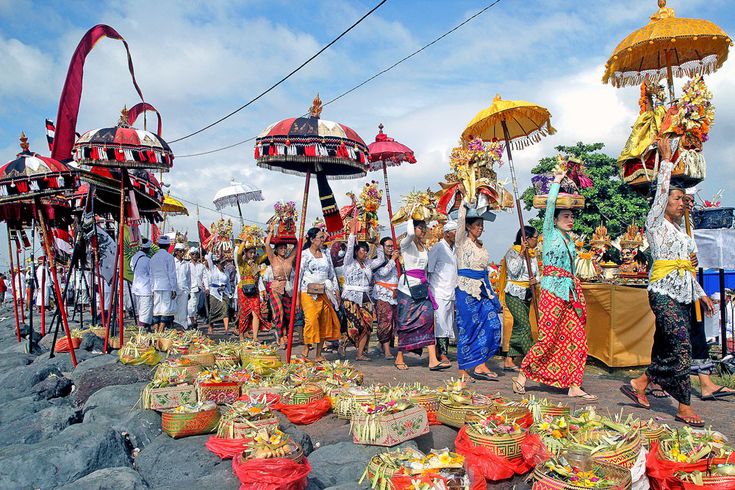
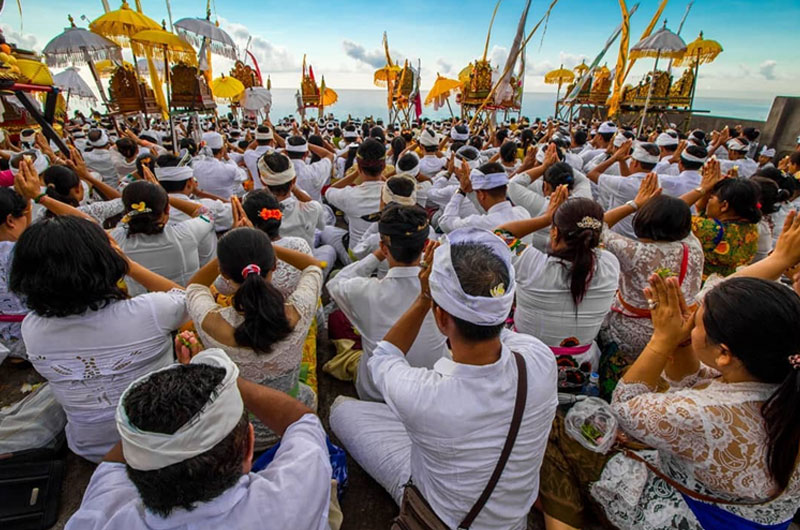
The philosophy behind Nyepi centers on the concept of “Catur Brata Penyepian,” four spiritual prohibitions observed during the Day of Silence. These include refraining from travel, abstaining from work, avoiding entertainment, and minimizing light or fire. Balinese Hindus use Nyepi as a time for meditation, fasting, and reconnecting with spiritual purpose. The island symbolically resets, encouraging harmony between humans, nature, and the divine. For visitors exploring Bali Nyepi traditions, understanding this deeper meaning fosters respect and appreciation. The silence is not imposed as a spectacle; it is a sincere communal practice observed across villages and cities alike. Experiencing Nyepi 2026 as a traveler means participating indirectly in this collective reflection. Rather than feeling restricted, many visitors describe the day as grounding and unexpectedly calming, offering rare space to pause in an otherwise busy travel schedule.
What Happens Before Nyepi: Ogoh-Ogoh Parades
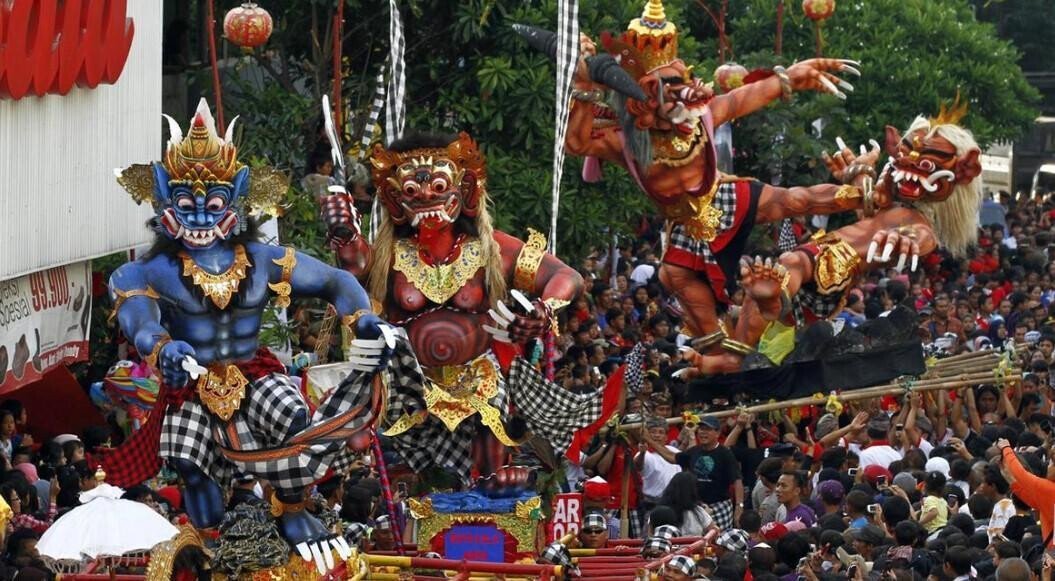
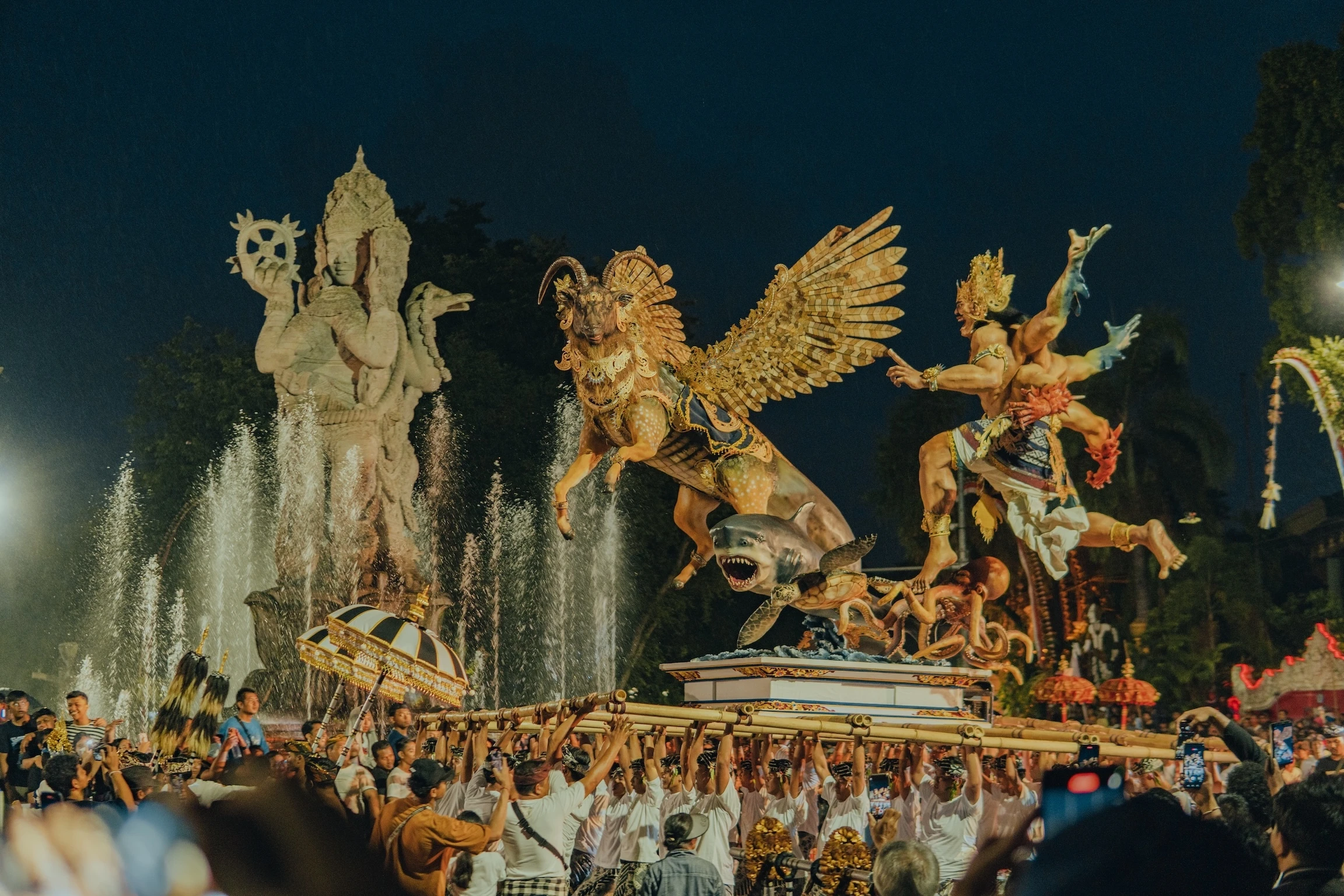
The day before Nyepi 2026 is dramatically different from the silence that follows. On the evening of March 18, Bali erupts in vibrant parades featuring enormous papier-mâché figures known as Ogoh-Ogoh. These elaborate statues represent mythological demons and negative forces, symbolizing impurities to be cleansed before the new year begins. Villages compete to create the most impressive designs, and streets fill with music, fire torches, and communal energy. For travelers, the Ogoh-Ogoh parade is a must-see cultural moment that contrasts sharply with the stillness of Bali Nyepi. Photographers, cultural enthusiasts, and families gather to witness the spectacle before the statues are ceremonially burned. Attending these celebrations provides context for Nyepi travel, helping visitors understand that the silence is preceded by purification and ritual. Planning to stay near central areas such as Ubud or Denpasar allows easier access to major Ogoh-Ogoh displays.
What to Expect During Nyepi 2026
From sunrise on March 19, Nyepi 2026 transforms Bali into one of the quietest places on Earth. The airport closes, and even major highways become completely empty. Local security volunteers known as Pecalang patrol neighborhoods to ensure compliance with regulations. Tourists must remain within hotel or villa grounds, and outdoor exploration is prohibited. Most resorts operate at reduced lighting levels, especially at night, and some encourage guests to limit noise and curtain exposure. Internet access generally remains available inside hotels, though some properties choose to reduce bandwidth in solidarity with the holiday. For Nyepi travel planning, bringing books, downloaded movies, and personal activities is recommended. While the restrictions may sound intense, many travelers find the day peaceful and restorative. Bali Nyepi offers an opportunity to slow down intentionally, creating a travel memory unlike any typical beach vacation.
Travel Logistics: Flights and Transportation
One of the most important considerations for Nyepi 2026 is air travel. Ngurah Rai International Airport closes entirely for the 24-hour period, affecting both domestic and international routes. Airlines usually adjust schedules, but travelers must double-check arrival and departure times to avoid complications. Land transportation services, including taxis and ride-hailing apps, also cease operations. Ferry connections to neighboring islands are suspended, and day trips are unavailable. When organizing Bali Nyepi travel, aim to arrive at least one day before the holiday and depart no earlier than March 20 after 6:00 AM. Hotels typically confirm Nyepi policies at booking, and many offer special packages recognizing the Day of Silence. Planning transportation well in advance ensures Nyepi 2026 enhances rather than interrupts your itinerary. Clear coordination allows you to experience Bali’s unique cultural rhythm without stress.
Where to Stay During Nyepi 2026
Choosing the right accommodation significantly shapes your Nyepi 2026 experience. Resorts in Ubud often embrace the spiritual tone of the holiday, offering yoga sessions, meditation workshops, or quiet cultural programming within property grounds. Beachfront hotels in Seminyak or Nusa Dua may provide comfortable indoor amenities, though ocean access will be restricted. Private villas offer privacy but require guests to self-manage food and entertainment during the Day of Silence. When researching Bali Nyepi options, confirm whether meals are included on March 19, as many restaurants outside hotels will be closed. Properties typically provide room service or pre-arranged dining options for guests. Selecting accommodation aligned with your travel style—whether reflective, luxurious, or family-oriented—ensures Nyepi travel becomes a highlight. Advance communication with hosts clarifies expectations and prevents misunderstandings.
How to Prepare for Nyepi Travel
Preparation is key to enjoying Nyepi 2026 fully. Before March 19, purchase snacks, refill water supplies, and download digital entertainment. Although hotels provide meals, having additional personal comforts enhances the day. Travelers should plan indoor activities such as journaling, reading, meditation, or simply resting. Bali Nyepi encourages mindfulness, making it an ideal time to disconnect from constant sightseeing. If you rely on daily tours, schedule them before or after the holiday to maximize exploration time. Respectful attire is recommended when moving within hotel grounds, and outdoor wandering should be avoided entirely. Approaching Nyepi travel with curiosity rather than frustration transforms restrictions into meaningful structure. By aligning your mindset with local practice, you become part of the island’s collective pause rather than an outsider observing it.
Experiencing the Silence at Night
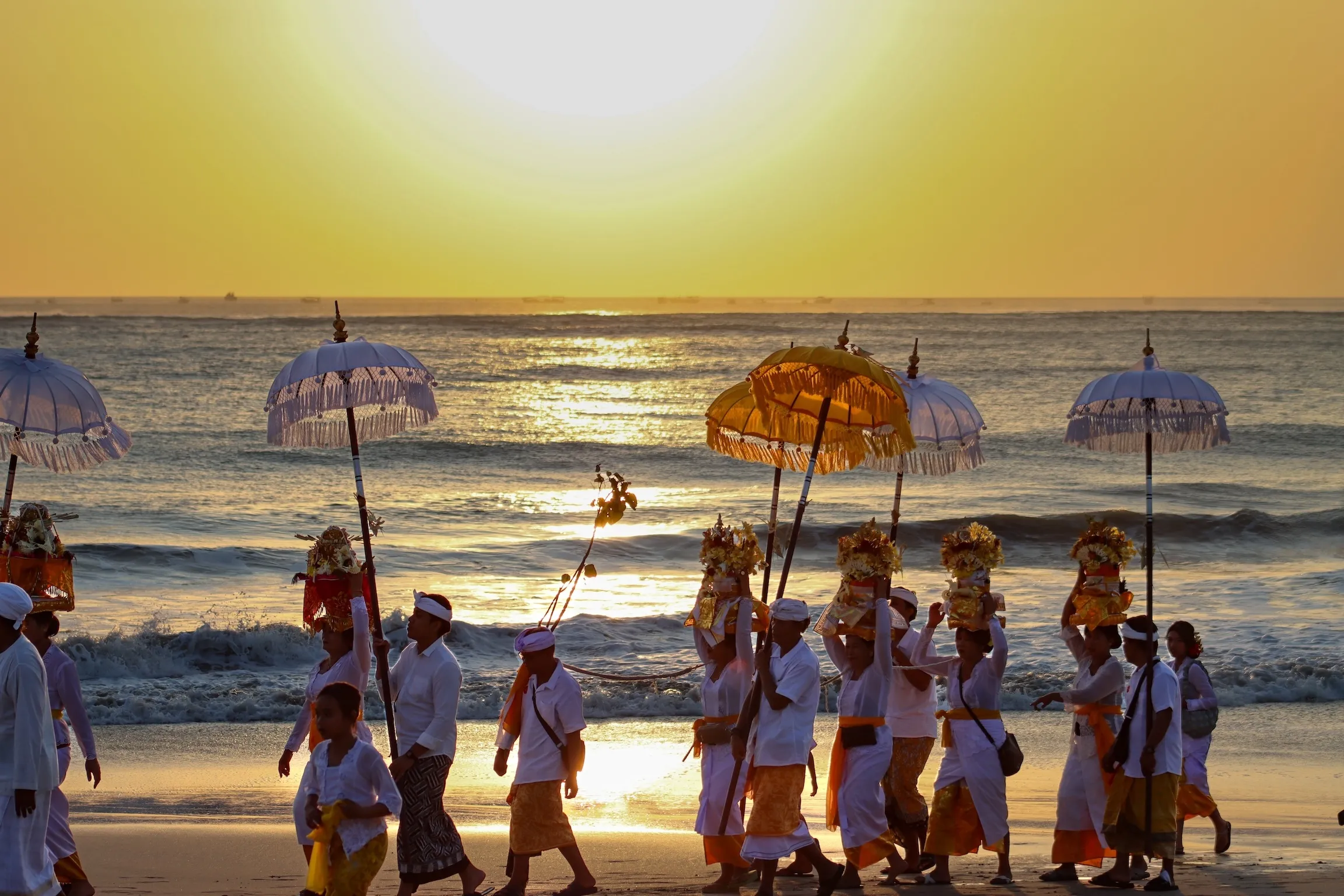
One of the most extraordinary aspects of Nyepi 2026 occurs after sunset. With minimal artificial lighting across Bali, the night sky becomes remarkably clear. Stars appear brighter than usual, and in rural areas, the Milky Way can be visible without light pollution. For travelers accustomed to illuminated cities, this celestial display is unforgettable. Bali Nyepi night offers rare quiet, broken only by natural sounds such as wind or distant waves. Some hotels organize guided stargazing sessions within permitted areas, though activities remain subdued. Experiencing this level of darkness reinforces the spiritual symbolism of renewal and humility. During Nyepi travel, stepping onto a balcony quietly to observe the sky becomes a profound memory. The contrast between lively Ogoh-Ogoh celebrations and silent night skies encapsulates the full emotional arc of the holiday.
Cultural Etiquette and Respect
Respect is central to participating responsibly in Nyepi 2026. Although tourists are not expected to observe religious fasting, they must follow local regulations strictly. Avoid stepping outside accommodation boundaries, limit visible lighting, and maintain low noise levels. Using drones or attempting to document empty streets publicly is discouraged and may attract intervention from Pecalang patrols. Bali Nyepi is not a performance for visitors; it is a sacred observance. Demonstrating cultural sensitivity strengthens the relationship between tourism and local community values. When planning Nyepi travel, communicate with hotel staff about specific property rules, as enforcement may vary slightly between villages. Respectful behavior ensures that Bali continues welcoming international travelers to witness meaningful traditions. Viewing Nyepi 2026 as an honor rather than a constraint enhances the authenticity of your experience.
After Nyepi: Ngembak Geni

The day following Nyepi 2026, known as Ngembak Geni, marks a return to normal life and renewed social connection. Families visit relatives, seek forgiveness, and restore community ties. For travelers, March 20 offers a gentle reawakening as shops reopen, traffic resumes, and tours restart. The shift from silence to activity feels dramatic, underscoring the transformative rhythm of Bali Nyepi. Scheduling outdoor adventures or cultural visits on this day allows you to appreciate the renewed energy across the island. Some travelers describe heightened awareness of sound and movement after 24 hours of quiet. Incorporating Ngembak Geni into your Nyepi travel plan completes the narrative arc from purification to reconnection. This balance between stillness and celebration defines the unique character of the Balinese New Year.
Is Nyepi 2026 Worth Planning Around?
For many travelers, the question is whether Nyepi 2026 enhances or disrupts a Bali itinerary. The answer depends largely on mindset and preparation. If you expect uninterrupted beach days and nightlife, the Day of Silence may initially feel restrictive. However, travelers open to cultural immersion often find Bali Nyepi deeply meaningful. The enforced pause offers space to reflect on travel itself, shifting focus from constant activity to mindful presence. Unlike typical festivals, Nyepi travel requires participation through stillness rather than observation. That inversion creates an unforgettable story to share. Planning flights carefully, selecting the right accommodation, and embracing the holiday’s intention ensures Nyepi 2026 becomes a highlight rather than an obstacle. Experiencing an entire island in synchronized silence is rare in the modern world.
Final Thoughts on Nyepi 2026
Nyepi 2026 is more than a date on the calendar—it is a rare invitation to experience collective stillness in a world defined by noise. Bali Nyepi reshapes expectations of celebration by replacing spectacle with silence. For travelers, it presents both logistical considerations and emotional rewards. From vibrant Ogoh-Ogoh parades to star-filled night skies, the transition into and out of the Day of Silence creates a powerful narrative arc. Proper Nyepi travel planning ensures flights, accommodations, and daily routines align with local customs. Approached respectfully, Nyepi 2026 offers one of the most unique cultural encounters available to modern travelers. Whether you seek spiritual reflection, cultural immersion, or simply a memorable story, Bali’s Day of Silence stands as an extraordinary travel experience worth embracing.
Related Tours
See more Blog Posts





.svg)

.svg)
.svg)
.svg)

