





Best Places to Snorkel in Bali: A Complete Guide to Bali’s Underwater Paradise


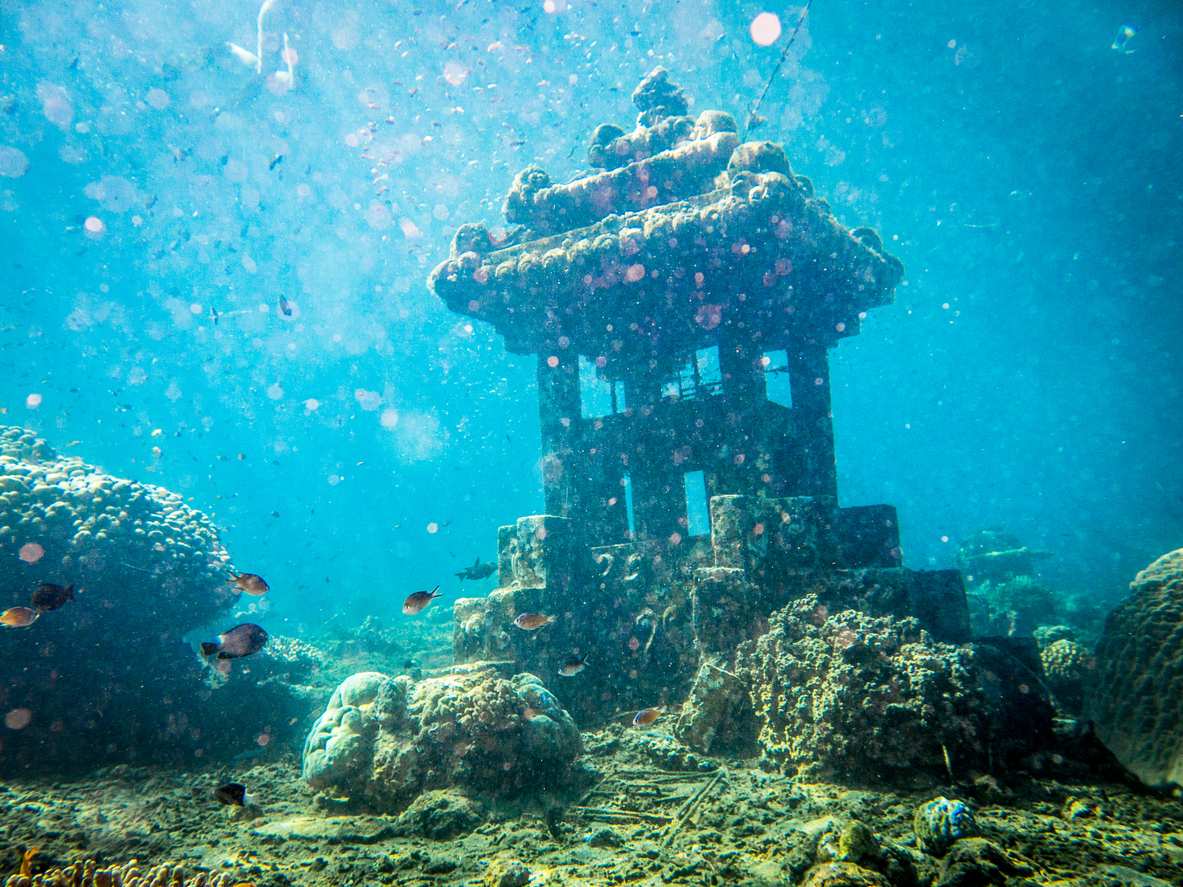
Bali is often described as a tropical island of temples, volcanoes, and rice terraces, but for many travelers, its true magic begins just below the surface of the sea. Snorkeling in Bali offers access to vibrant coral reefs, warm turquoise water, and an astonishing diversity of marine life — all without the need for complex equipment or professional certification.
What makes Bali particularly special is the sheer range of snorkeling experiences available within a relatively small geographic area. You can float above shallow coral gardens directly from the beach in the morning, and by afternoon find yourself face to face with manta rays near dramatic offshore reefs. Whether you are a complete beginner or an experienced ocean lover, Bali consistently ranks as one of the best places to snorkel in the world.
This in-depth guide explores the best places to snorkel in Bali, the best time to go, what to expect underwater, and how to reach even the most remote snorkeling locations in comfort — including premium options that allow you to skip long boat rides entirely.
Why Bali Is One of the Best Snorkeling Destinations in the World
Bali’s reputation as a snorkeling destination is not accidental. The island sits on the edge of the Coral Triangle, a region known for containing the highest marine biodiversity on the planet. This results in healthy reef systems, dense fish populations, and frequent encounters with larger marine species.
One of Bali’s greatest strengths is accessibility. Unlike many tropical destinations where snorkeling requires boat trips, much of Bali’s best snorkeling can be enjoyed directly from the shore. Calm bays, gentle slopes, and shallow reefs allow snorkelers to see colorful marine life within minutes of entering the water.
Another advantage is water temperature. The sea around Bali remains warm year-round, usually between 26 and 29°C (79–84°F). This makes snorkeling comfortable without thick wetsuits, even during longer sessions.
Finally, Bali offers variety. Northern and eastern coasts are known for calm waters and excellent visibility, while southern and offshore islands provide dramatic scenery, pelagic species, and unforgettable encounters with manta rays.
Best Time to Snorkel in Bali
Dry Season vs. Wet Season
The best time to snorkel in Bali is generally during the dry season, which runs from April to October. During these months, rainfall is minimal, seas are calmer, and underwater visibility is at its best.
The wet season, from November to March, brings more rain and occasional rough seas, particularly on the southern coast. However, snorkeling is still possible year-round, especially in sheltered areas on the east and north of the island.
Visibility and Sea Conditions
Visibility in Bali can range from 10 to 30 meters depending on location, tides, and weather conditions. Eastern Bali, including Amed and Tulamben, often enjoys clearer water even during wetter months.
Currents vary significantly by location. Some sites are calm and beginner-friendly, while others — particularly around offshore islands — require caution and experience.
Best Months for Manta Rays
Manta rays can be seen throughout the year near Nusa Penida, but sightings tend to peak between May and October, when plankton levels attract these majestic animals closer to the surface.
Best Places to Snorkel in Bali
Amed — The Best Shore Snorkeling in Bali
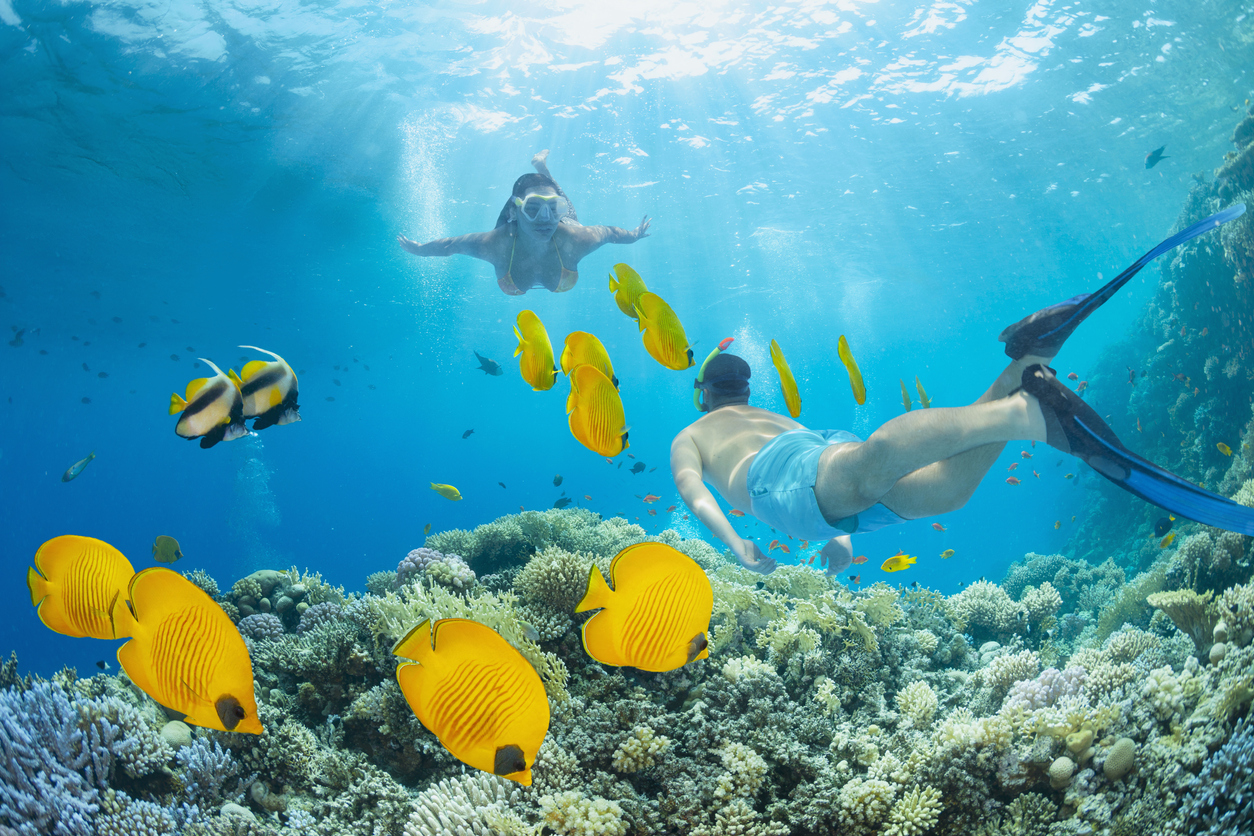
Amed is widely regarded as one of the best places to snorkel in Bali directly from the beach. Located on the island’s northeast coast, this laid-back area is known for its black volcanic sand, quiet villages, and healthy coral reefs that begin just a few meters offshore.
Snorkeling in Amed is ideal for beginners and relaxed snorkelers. The water is usually calm, entry points are easy, and the reefs are shallow enough to explore comfortably for long periods. Expect to see clownfish, parrotfish, butterflyfish, moray eels, and occasionally sea turtles.
Another advantage of Amed is the lack of crowds. Unlike southern Bali, the area remains relatively peaceful, allowing snorkelers to enjoy the underwater world without heavy boat traffic or large tour groups.
Nusa Penida — Dramatic Reefs and Iconic Manta Rays
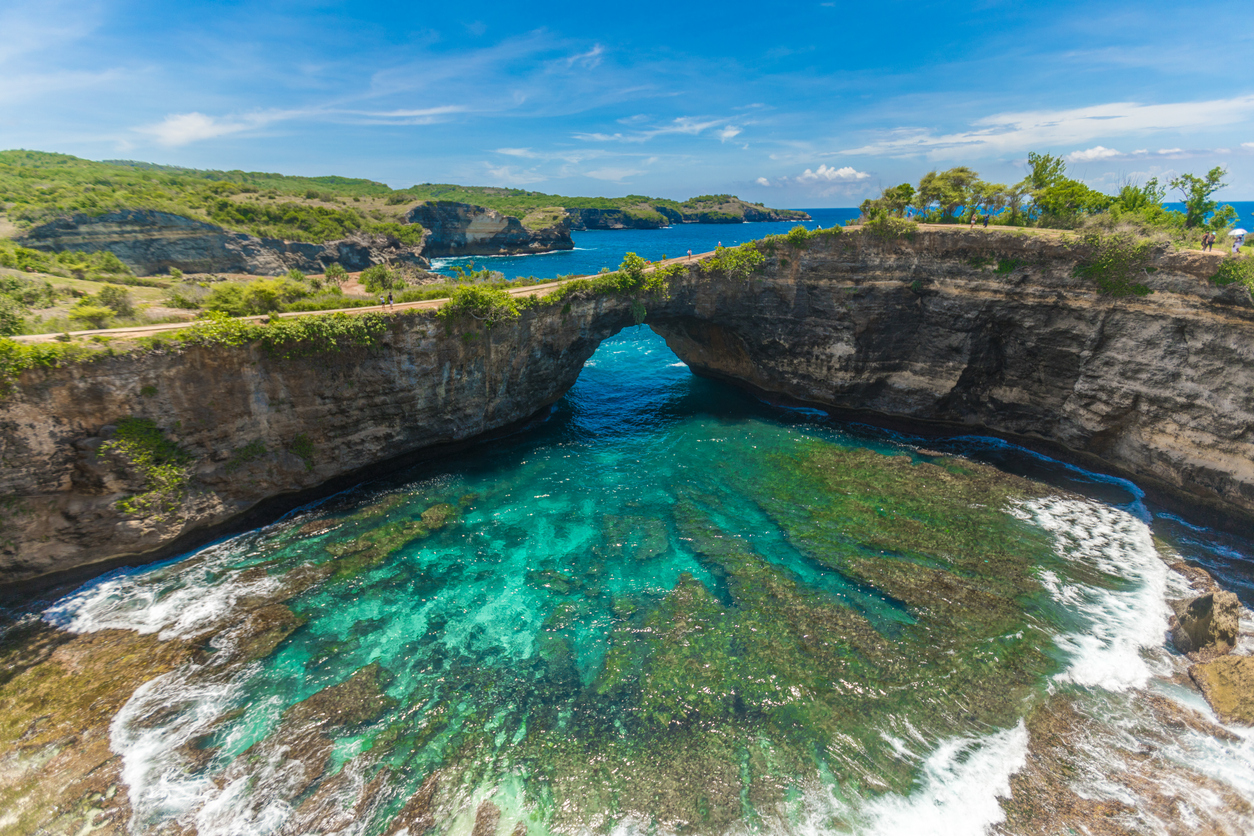
Nusa Penida is one of Bali’s most famous snorkeling and diving destinations. The island is known for steep underwater drop-offs, strong currents, and exceptional marine life.
Snorkeling spots such as Crystal Bay and Manta Point offer the chance to see large schools of fish, reef sharks, and manta rays. Visibility is often excellent, and the underwater scenery is dramatic.
However, conditions around Nusa Penida can change quickly. Currents may be strong, and waves unpredictable. For this reason, snorkeling here is best suited to confident swimmers or those joining guided tours with local knowledge.
Nusa Lembongan and Nusa Ceningan — Clear Water and Gentle Conditions
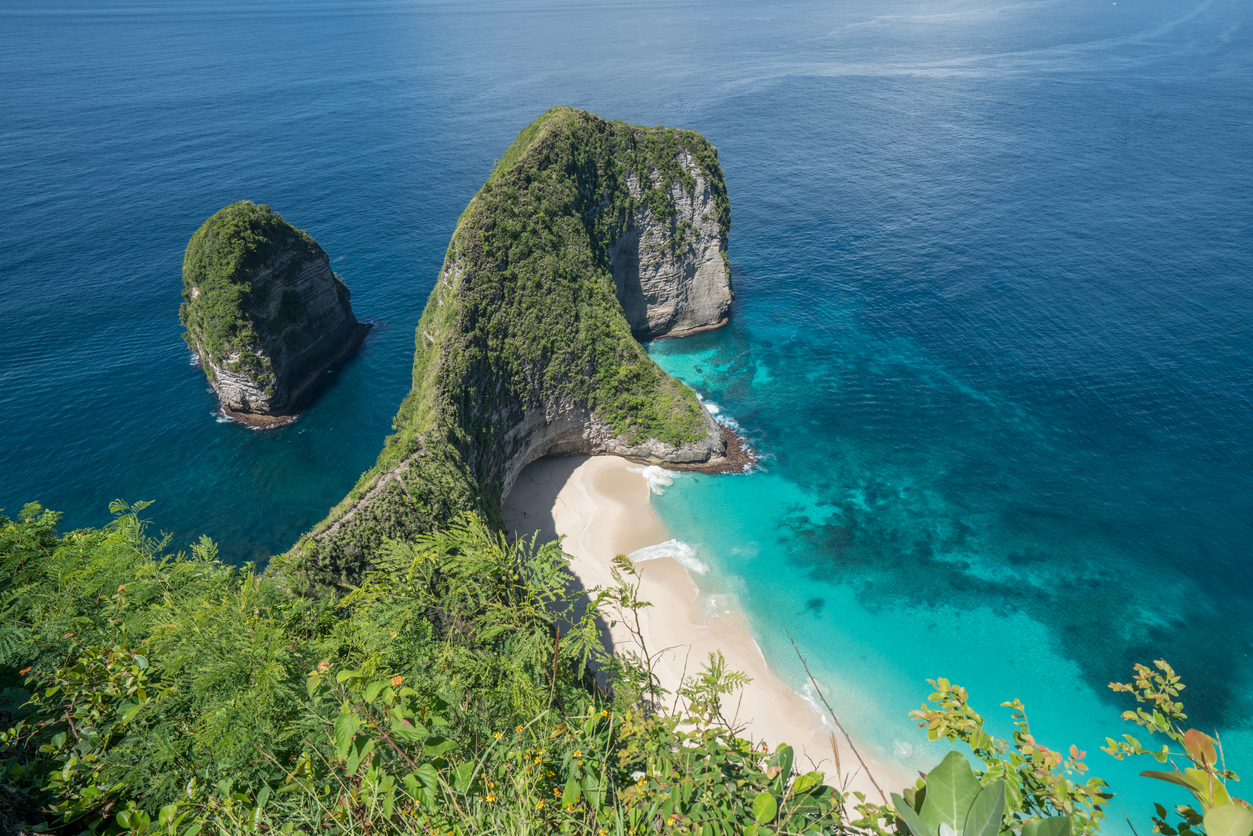
Nusa Lembongan and Nusa Ceningan offer some of the clearest and calmest snorkeling conditions near Bali.
These small islands are surrounded by shallow reefs, making them perfect for families and first-time snorkelers. Coral gardens, reef fish, and occasional rays are common sightings, and the water clarity often exceeds that of mainland Bali.
Boat trips between snorkeling spots are short, and the overall pace of life on the islands is slower, adding to their appeal as snorkeling destinations.
Blue Lagoon, Padang Bai — Ideal for Beginners
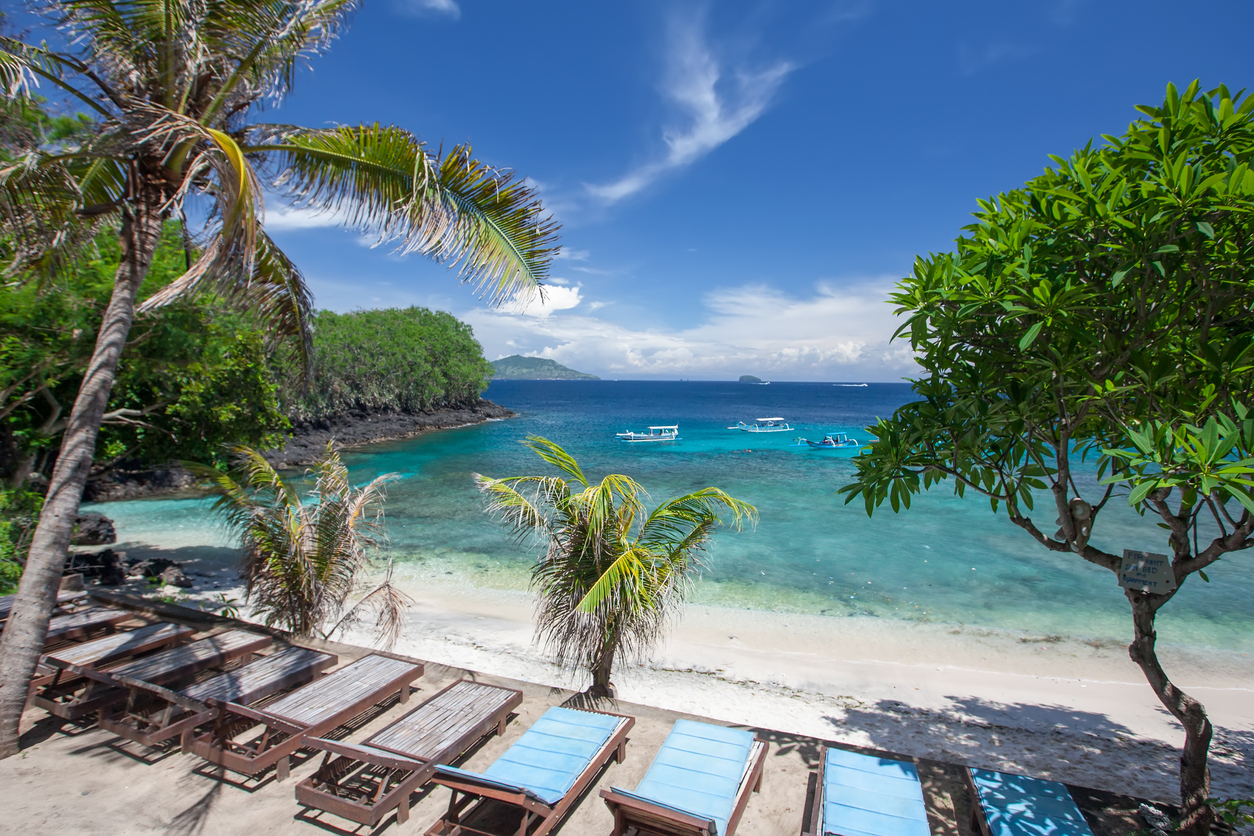
Blue Lagoon in Padang Bai is one of the most beginner-friendly snorkeling spots in Bali. Sheltered by surrounding cliffs, the bay offers calm water, sandy entry points, and abundant fish life.
Snorkelers often encounter clownfish, angelfish, parrotfish, and vibrant coral formations within minutes of entering the water. Its accessibility and gentle conditions make Blue Lagoon an excellent introduction to snorkeling in Bali.
Menjangan Island — Bali’s Most Pristine Reefs
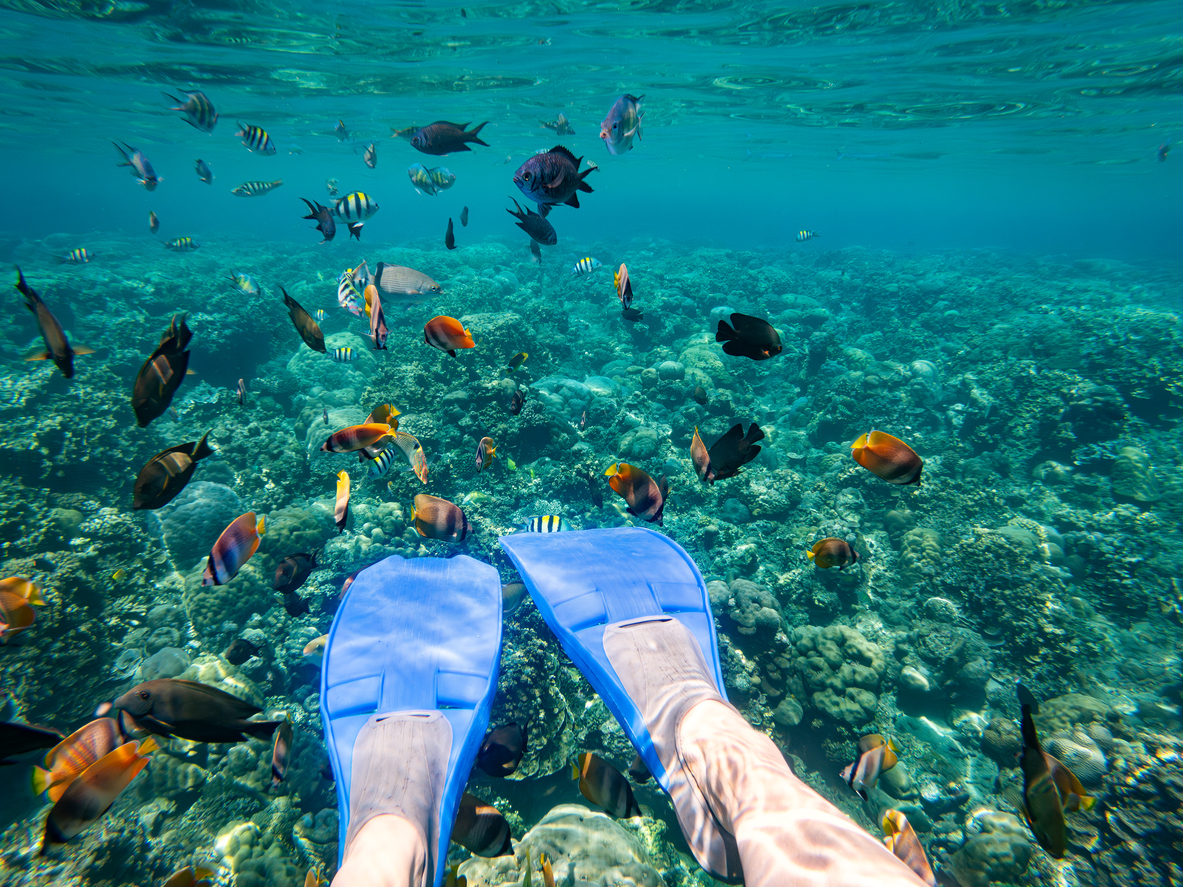
Menjangan Island lies within West Bali National Park and is often described as having the best coral reefs in Bali.
Because the island is protected, its reefs remain healthy and largely untouched. Snorkelers can explore vibrant coral walls, large sponges, and dense fish populations in exceptionally clear water.
Access to Menjangan requires a boat trip, but the pristine conditions and dramatic underwater scenery make it one of Bali’s most rewarding snorkeling destinations.
Tulamben — Snorkeling a Historic Shipwreck
Tulamben is famous for the USAT Liberty shipwreck, which lies close to shore and is accessible to snorkelers as well as divers. The wreck has become an artificial reef, attracting schools of fish, soft corals, and larger marine species.
Snorkeling here offers a unique combination of history and marine life. While entry points can be rocky, the underwater experience is unlike any other snorkeling site in Bali.
Snorkeling With Manta Rays in Bali
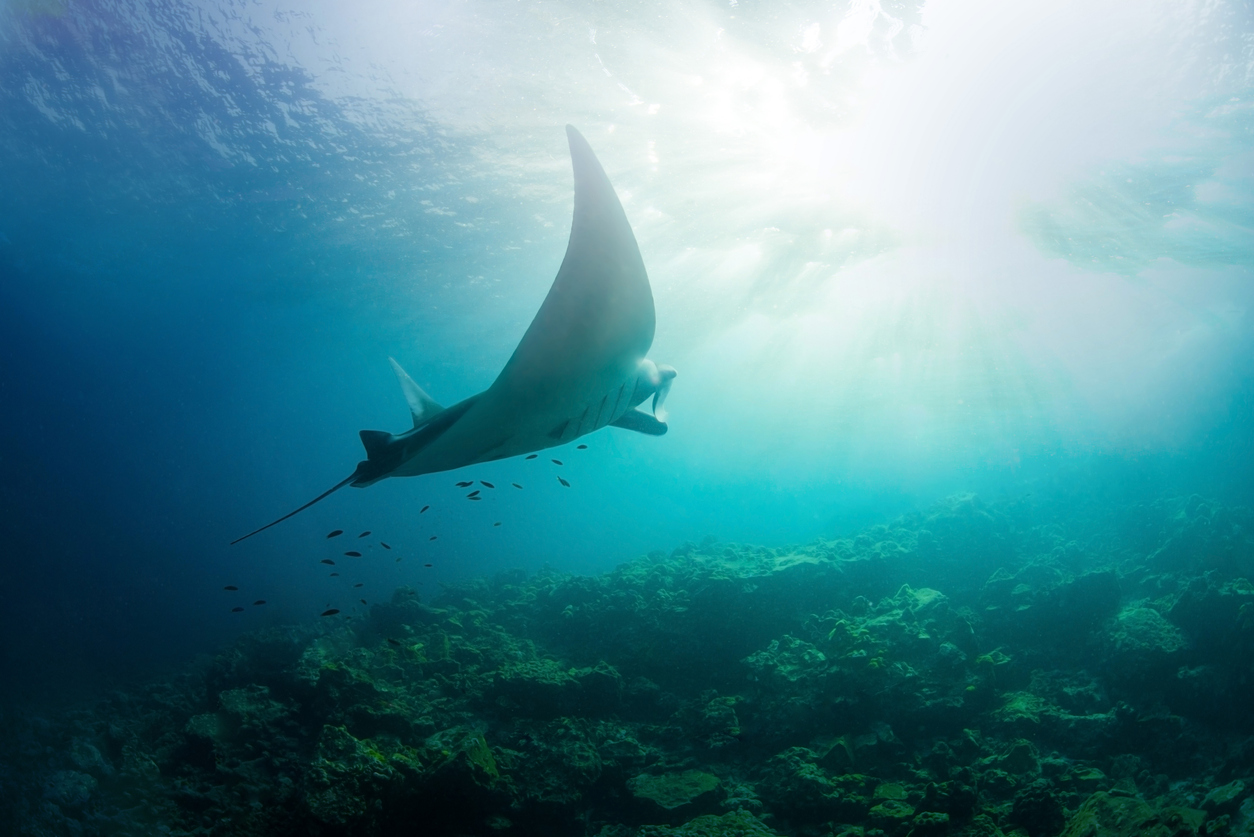
Manta Point is one of the most iconic places in Bali to snorkel with manta rays. These gentle giants gather near cleaning stations, allowing snorkelers to observe them gliding gracefully through the water.
Snorkeling with manta rays is a powerful and emotional experience. It also comes with responsibility. Maintaining distance, avoiding chasing or touching the animals, and following local guidelines help ensure the protection of these vulnerable species.
Helicopter Access to Bali’s Best Snorkeling Spots
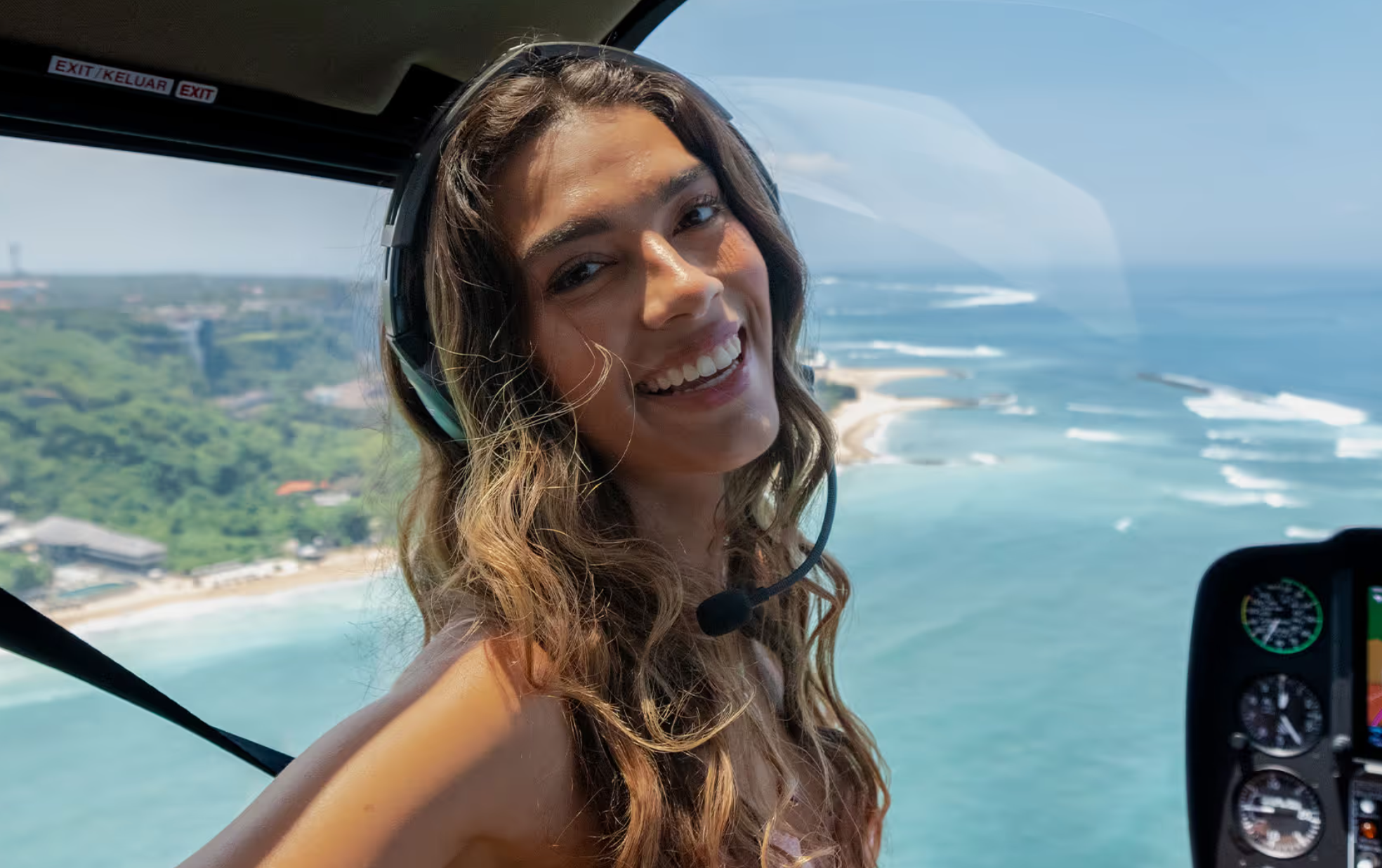
Reaching Bali’s most spectacular snorkeling locations often requires long road transfers, early departures, and crowded boat rides. For travelers who value comfort and efficiency, this can significantly impact the experience.
This is where Balicopter provides a premium alternative.
Balicopter offers private helicopter transfers across Bali, allowing travelers to reach remote snorkeling locations quickly and comfortably. Instead of spending hours on winding coastal roads or enduring rough sea crossings, guests can enjoy a scenic aerial journey over Bali’s coastline, reefs, and islands.
Advantages of choosing Balicopter for snorkeling trips:
- 🚁 Direct helicopter access to remote snorkeling destinations
- 🌊 Avoid long boat transfers and unpredictable sea conditions
- ⏱️ Save several hours of travel time
- 🐠 Reach exclusive or less crowded snorkeling sites
- 📍 Access areas such as Manta Point, Nusa Penida, and other hard-to-reach reefs
Balicopter can deliver travelers to virtually any snorkeling location in Bali, transforming snorkeling into a seamless, stress-free, and truly unforgettable experience.
Related Tours


.jpg)
Snorkeling in Bali for Beginners
Bali is one of the easiest places in the world to start snorkeling. Calm locations such as Amed, Blue Lagoon, and parts of Nusa Lembongan offer shallow reefs and minimal currents.
Beginners should choose calm days, wear reef-safe sunscreen, and avoid standing on coral. Joining a guided snorkeling tour can provide added safety and local knowledge, especially in unfamiliar areas.
Snorkeling vs. Diving in Bali
Snorkeling and diving both offer incredible ways to explore Bali’s underwater world. Snorkeling requires no certification and allows immediate access to marine life near the surface.
Diving offers deeper exploration and access to wrecks and walls, but many of Bali’s reefs are shallow enough that snorkelers see nearly as much marine life as divers.
Practical Tips for Snorkeling in Bali

- Use reef-safe sunscreen to protect coral ecosystems
- Wear fins for better control and reduced fatigue
- Check tides and conditions before entering the water
- Never touch coral or marine animals
- Respect local regulations and marine life
FAQ: Snorkeling in Bali
Is snorkeling in Bali good year-round?
Yes, snorkeling is possible year-round, though visibility is best during the dry season.
Do I need a guide to snorkel in Bali?
Many spots are accessible independently, but guides are recommended for strong-current areas.
Can beginners snorkel with manta rays?
Only in calm conditions and preferably with experienced guides.
Which snorkeling spots are accessible without a boat?
Amed, Blue Lagoon, and Tulamben offer excellent shore snorkeling.
Snorkeling in Bali is more than a casual beach activity — it is a gateway into one of the richest marine environments on Earth. Whether you choose calm coral gardens or dramatic manta ray encounters, Bali offers underwater experiences that remain unforgettable long after you leave the island.
See more Blog Posts





.svg)

.svg)
.svg)
.svg)

