





Bali Spiders: Are They Dangerous and Should You Be Worried?


If you’ve been researching your trip and typed “bali spiders” into Google, you’re not alone. One of the most common pre-travel fears is tropical wildlife — especially spiders in Bali. Photos of giant huntsman spiders and massive golden orb webs can look intimidating, particularly if you’re not used to tropical environments.
So let’s address it clearly: yes, Bali spiders exist. Yes, some of them are big. But no, they are not something most travelers need to fear.
In this detailed guide, we’ll explore what kinds of spiders in Bali you might encounter, how big they really get, whether Bali spiders are dangerous, and how to avoid unnecessary anxiety during your trip. This is a practical, experience-based travel perspective — not sensational wildlife drama.
By the end of this article, you’ll understand the difference between “big” and “dangerous,” where you’re most likely to see spiders in Bali, and whether they should affect your travel plans at all.
Are There Spiders in Bali?
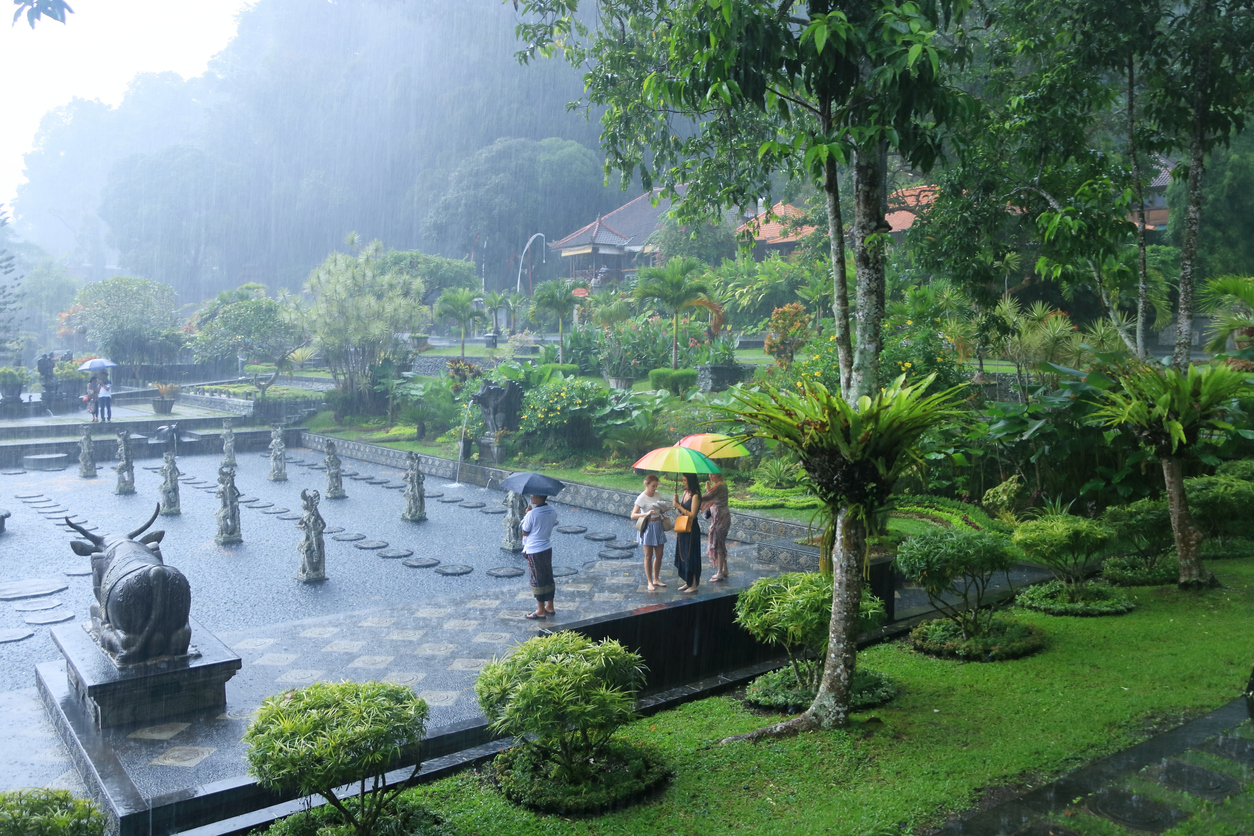
Yes. Bali is a tropical island with a warm climate, rice fields, jungles, and lush vegetation — which means it naturally supports a wide variety of insects and spiders.
The presence of Bali spiders is directly related to biodiversity. Tropical climates allow insects to thrive year-round, especially during the rainy season. And where there are insects, there are predators — including spiders.
However, here’s what’s important: spiders in Bali are part of the ecosystem, not an invasive threat to tourists.
Most travelers:
- Never notice them.
- See only small house spiders.
- Encounter a large spider once or twice during their entire stay.
The idea of “giant spiders Bali” is often amplified online because large tropical spiders look dramatic in photos. But in daily life, encounters are rare and typically harmless.
If you are staying in sealed hotels or modern villas, you may barely see any Bali spiders at all.
Types of Spiders in Bali
Let’s look at the most common spiders in Bali so you know exactly what we’re talking about.
Bali Huntsman Spider
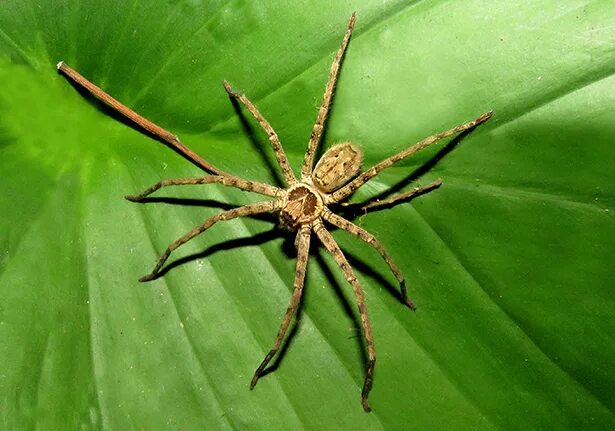
The Bali huntsman spider is probably the species that causes the most fear. Scientifically belonging to the Sparassidae family, huntsman spiders are known for their large leg span — sometimes reaching 12–15 cm (5–6 inches).
Yes, that’s big.
But here’s the key point: huntsman spiders are not aggressive and are not considered dangerous to humans. Their venom is mild and rarely causes anything more than temporary discomfort.
Characteristics:
- Flat body
- Long legs spread sideways
- Fast runners
- Usually found on walls or ceilings
They often enter homes while hunting insects. They are beneficial predators and help reduce mosquitoes and cockroaches.
If you see a Bali huntsman spider, it looks dramatic — but it is not a threat.
Golden Orb Weaver (Giant Web Spider)

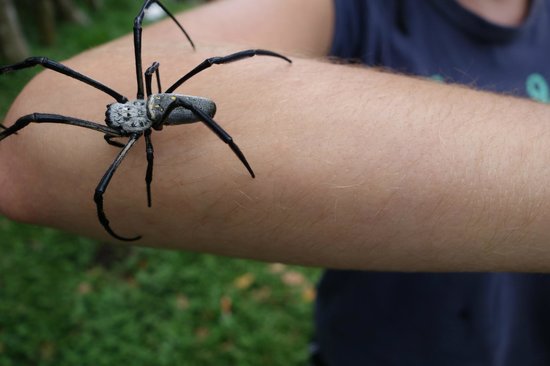
Another famous member of Bali spiders is the golden orb weaver (Nephila species).
These spiders build large, intricate webs in gardens, rice fields, and jungle areas. The females can appear large due to their long legs and bright coloring.
Important facts:
- They are web-based spiders (not runners).
- They rarely leave their webs.
- They are not aggressive.
- Bites are extremely rare.
You are most likely to encounter these giant spiders Bali in nature — especially near rice terraces or jungle pathways. They are actually beautiful in the sunlight, with golden silk that glows.
For photographers, they’re fascinating. For arachnophobes, they can be startling — but they’re not dangerous.
Wolf Spiders in Bali
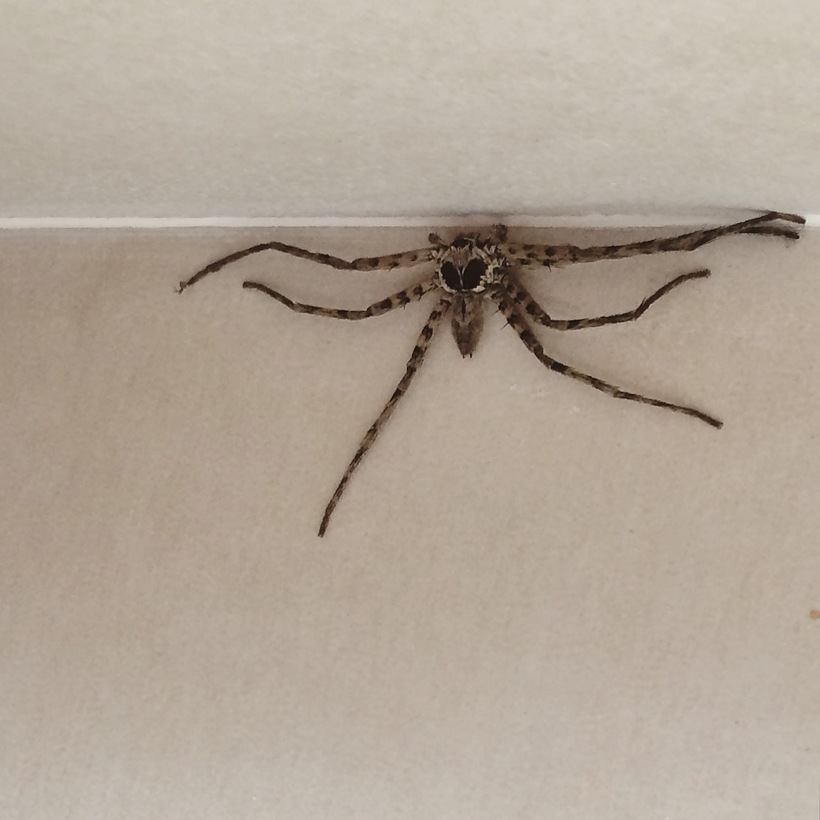
Wolf spiders are ground hunters. They are smaller than huntsman spiders but can still look intimidating due to their speed.
They:
- Do not build webs.
- Live in gardens and soil areas.
- Are nocturnal.
- Avoid humans.
Their bites are rare and not medically significant.
If you are walking barefoot in grassy areas at night (which isn’t recommended anyway), you may see one move quickly across the ground.
House Spiders in Villas and Hotels
Like anywhere in the world, spiders in Bali also include small house spiders.
In open-air villas — especially those surrounded by rice fields — you may occasionally see:
- Small web spiders in corners
- Tiny jumping spiders on walls
- Small garden spiders near lights
Modern hotels in areas like Seminyak or Nusa Dua usually have minimal insect presence due to regular maintenance.
Open architecture villas in Ubud or jungle areas are more likely to have occasional visitors — but again, rarely problematic.
Are There Tarantulas in Bali?
This is one of the most searched questions related to bali spiders.
There are no native large tarantula species commonly found in Bali. While Indonesia as a whole has some tarantula species, Bali itself is not known for widespread tarantula populations.
If someone claims they saw a tarantula in Bali, it is likely a large huntsman spider — often confused due to size.
So if you are wondering, “is there tarantula in Bali?” — the practical answer for travelers is no, not in the way people imagine.
Are Bali Spiders Dangerous?
Now we address the core concern behind searches like:
- are bali spiders dangerous
- dangerous spiders in bali
- venomous spiders bali
Most Bali spiders are venomous — but that does not mean dangerous.
Nearly all spiders worldwide have venom designed to subdue insects. However, medically significant spider bites are extremely rare in Bali.
There are:
- No documented widespread fatal spider species on the island.
- No regular hospital admissions due to spider bites.
- No “black widow level” threats common to travelers.
In comparison to countries like Australia, Bali’s spider risks are minimal.
The fear of “dangerous spiders in Bali” is largely driven by size and unfamiliar appearance — not by actual medical threat.
If bitten (which is rare), symptoms would typically include:
- Mild redness
- Local swelling
- Temporary discomfort
Serious allergic reactions are possible with any insect bite, but statistically uncommon.
So are Bali spiders dangerous?
For the vast majority of travelers — no.
How Big Are Spiders in Bali?
One of the reasons bali spiders get attention is size.
The huntsman spider’s leg span can reach 15 cm. That’s visually impressive.
But leg span is not body size.
Their body is much smaller — usually 2–3 cm. The long legs create the dramatic effect.
Golden orb weavers can also appear large due to extended legs and large webs.
During rainy season (November–March), insects increase — which means spiders may appear slightly more frequently.
However, “giant spiders Bali” is more of a visual shock than a real threat.
If you’ve ever traveled in Thailand, Malaysia, or Australia — Bali’s spiders are similar or smaller in comparison.
Where You’re Most Likely to See Spiders in Bali
Jungle and Rice Fields
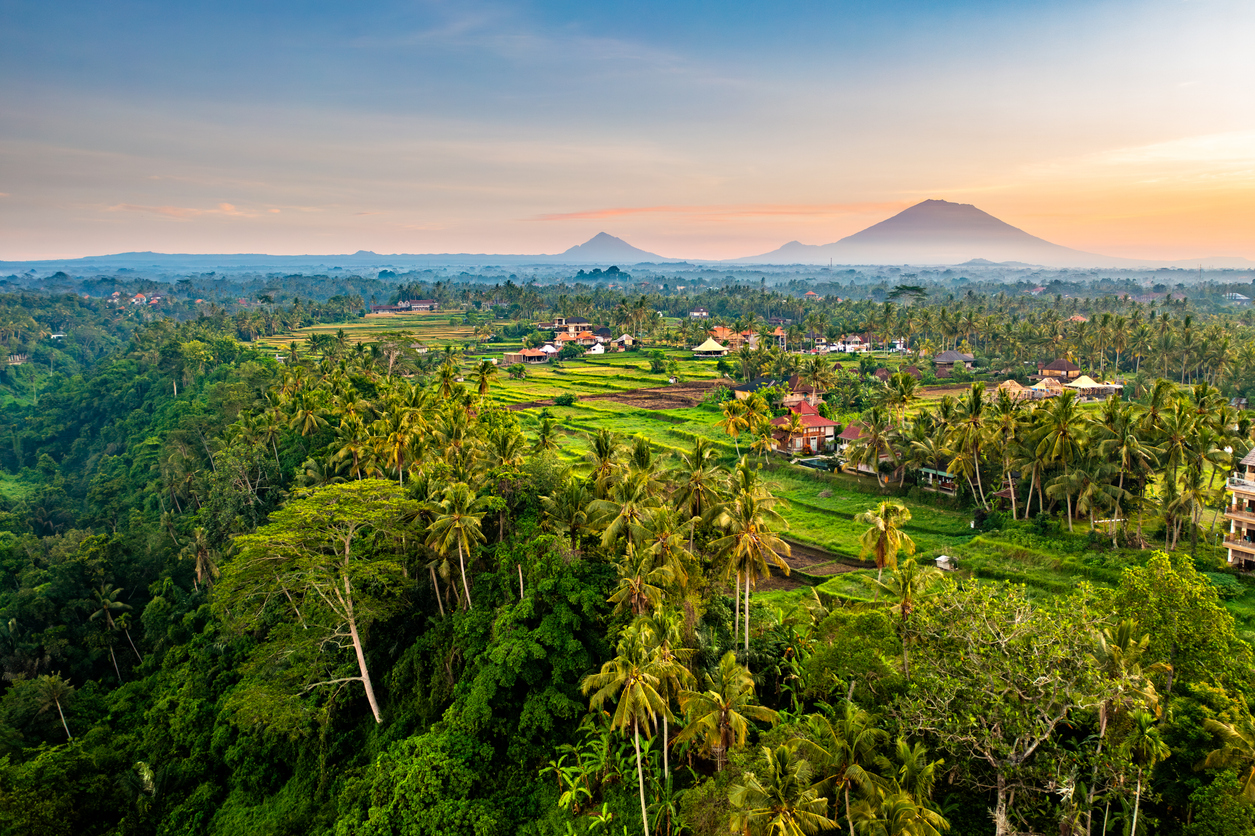
Ubud, Tegalalang, Sidemen — areas surrounded by nature — naturally host more wildlife.
Golden orb weavers are commonly seen along walking trails.
Huntsman spiders may appear on outdoor walls.
Villas with Open Architecture
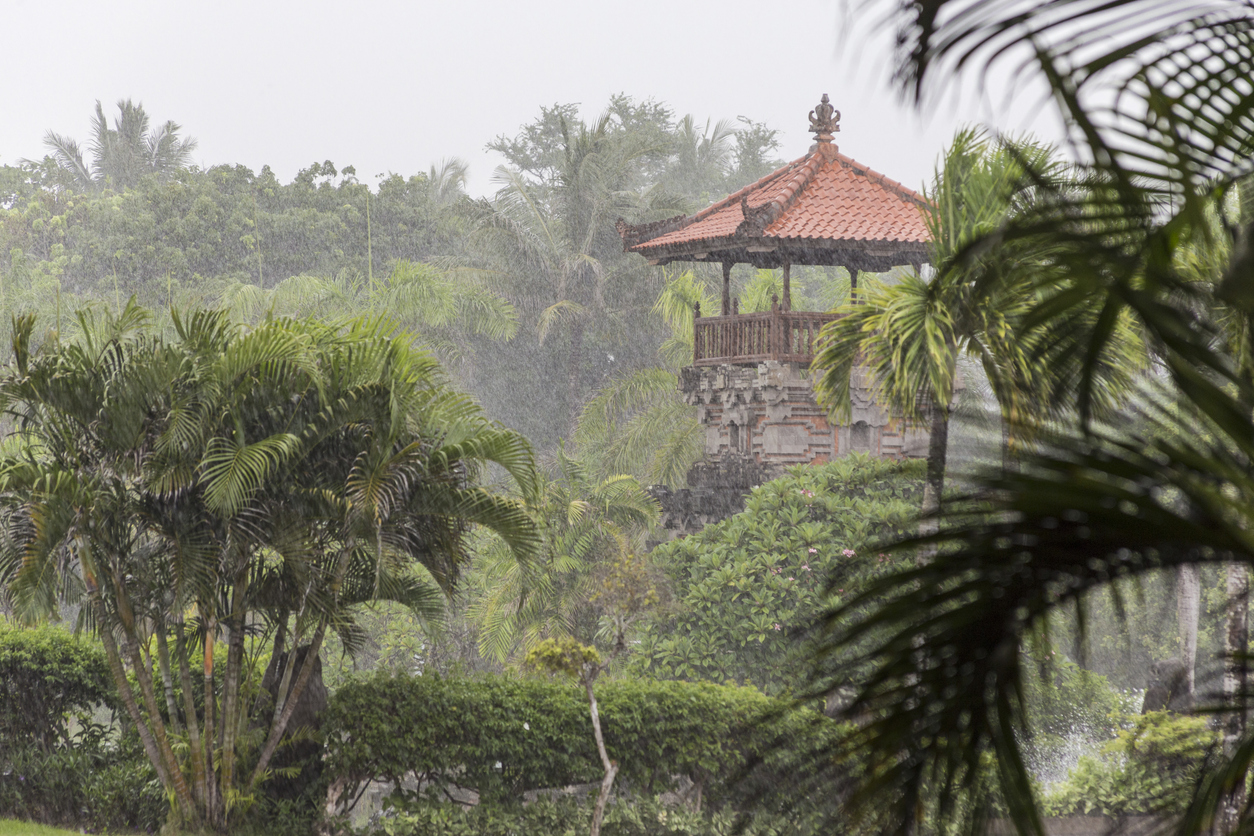
Bali villas often feature:
- Open living rooms
- Large sliding doors
- Tropical gardens
This design increases airflow — but also allows occasional insects or spiders to enter.
It does not mean infestation. It means tropical living.
Beach Areas and Resorts

Seminyak, Canggu, Nusa Dua — these areas typically have fewer noticeable spiders due to:
- Higher development
- Pest control
- Less dense jungle
You may still see small house spiders — but large Bali spiders are uncommon in these urban zones.
Bali Spiders at Night
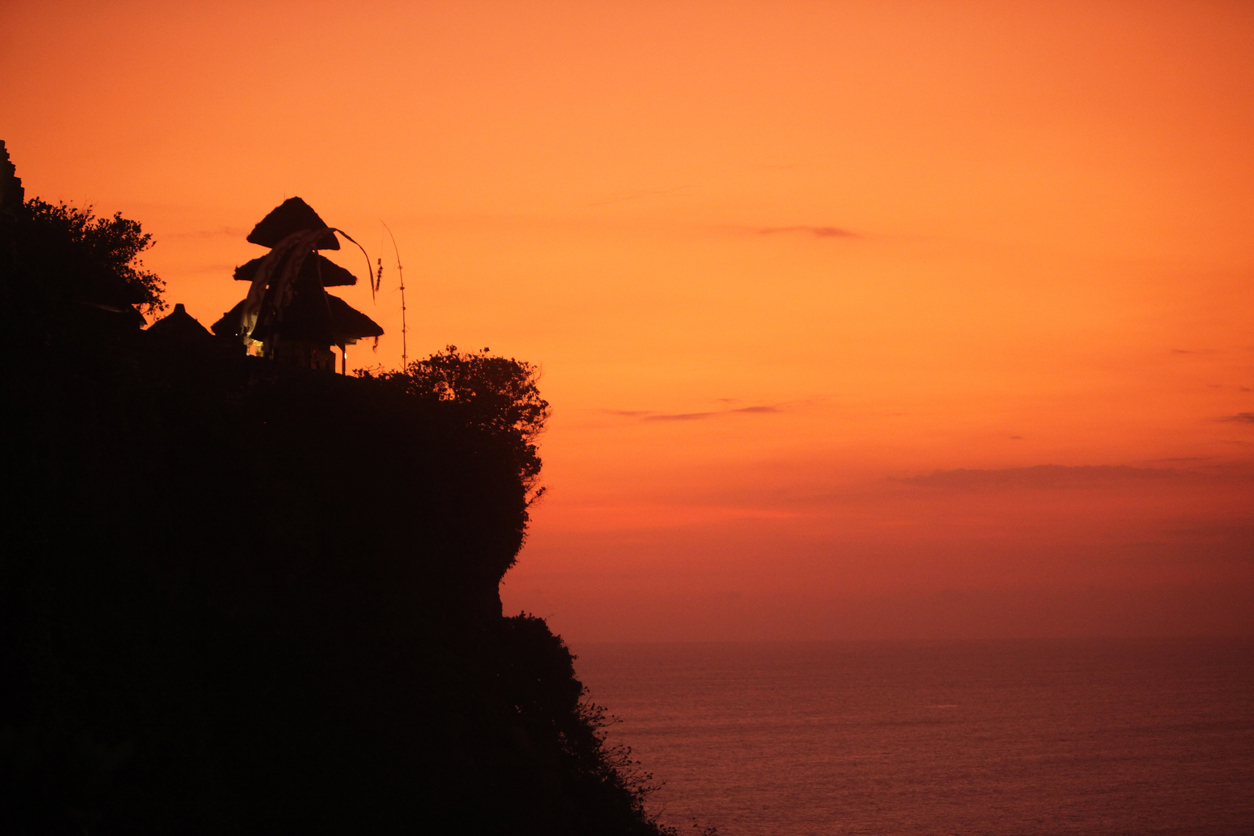
Spiders are more active at night.
You might notice:
- Huntsman spiders moving along walls
- Web spiders illuminated by garden lights
- Increased insect activity
Outdoor lighting attracts insects — which attracts spiders.
If you are uncomfortable, simply reduce bright exterior lights or close curtains.
Night encounters are more about surprise than danger.
How to Avoid Spiders in Bali
If you are still concerned about spiders in Bali, here are practical tips:
- Choose modern accommodations.
- Keep doors and windows closed at night.
- Avoid leaving food out.
- Use mosquito nets where provided.
- Shake towels if staying in jungle villas.
- Avoid walking barefoot in gardens at night.
Most of these precautions are standard tropical travel habits — not specific to dangerous spiders in Bali.
Living in Bali — Should Expats Worry?

Many expats initially worry about Bali spiders.
In reality:
- The first large spider is shocking.
- The second one is less alarming.
- After a few weeks, it becomes normal.
Most long-term residents consider spiders helpful — they reduce mosquito populations.
For families with children, spiders rarely pose any meaningful risk. Teaching kids not to touch wildlife is sufficient.
Compared to risks like traffic accidents, scooters, sunburn, or dehydration — spiders are extremely low on the actual risk scale.
Final Thoughts: Should You Be Afraid of Bali Spiders?
If your search history includes “bali spiders” and “are bali spiders dangerous,” here is the honest answer:
Yes, spiders in Bali exist.
Yes, some are large.
No, they are not a reason to cancel your trip.
The island is home to diverse wildlife — and that includes spiders. But dangerous spiders in Bali are not a common travel hazard.
Most encounters are harmless. Most travelers barely notice them.
Understanding replaces fear.
If you can handle seeing the occasional large huntsman spider — you’ll be absolutely fine.
Bali offers jungles, waterfalls, temples, beaches, sunsets, culture, and unforgettable experiences. Spiders are simply part of the ecosystem — not a headline risk.
Travel informed, not alarmed.
And enjoy the island.
Related Tours
See more Blog Posts




.svg)

.svg)
.svg)
.svg)

