





Bali Dance – A Complete Guide to Traditional Balinese Dance Performances


The first time I watched a Bali dance performance, I thought I was simply attending another cultural show. I had already seen temple ceremonies, walked through rice fields in Ubud, and watched sunsets from cliffside cafés. But as the rhythmic chanting began and dozens of bare-chested men formed a hypnotic circle of sound, I realized that Balinese dance is not just entertainment — it is a living, breathing expression of the island’s spiritual identity. In Bali, dance is prayer, mythology, theater, and community ritual all woven together.
If you are planning a trip and typing “bali dance” or “balinese dance performance” into Google, you are probably trying to answer a few practical questions: Which dance should I see? Is Kecak worth it? Where can I watch traditional Balinese dance in Ubud? But behind those practical searches lies something deeper. Dance in Bali is inseparable from religion, daily offerings, temple anniversaries, and the Hindu cosmology that shapes island life.
This complete guide explores everything you need to know — from the most famous performances like Kecak dance Bali and Barong dance Bali, to where to see authentic shows, what the gestures mean, how sacred rituals differ from tourist stages, and how to experience traditional Balinese dance respectfully. By the end, you will not only know where to go — you will understand what you are witnessing.
What Is Bali Dance? Understanding Traditional Balinese Dance
At its core, Bali dance refers to a wide range of traditional performance arts rooted in Balinese Hinduism. While many visitors use “Bali dance” and “Balinese dance” interchangeably, locals typically refer to it as tari Bali, meaning “dance of Bali.” The island’s dance traditions date back centuries and evolved alongside temple rituals, royal courts, and village ceremonies.
Traditional Balinese dance is not separated from religion the way theater often is in the West. Instead, it forms part of temple offerings. During ceremonies known as odalan (temple anniversaries), dancers perform to honor the gods. In these contexts, the audience is not tourists — it is the divine. Even today, many performances are considered sacred, and dancers undergo ritual preparation before appearing in temple settings.
Another defining element of traditional Balinese dance is the gamelan orchestra. Gamelan music consists of layered metallic percussion instruments, gongs, bamboo flutes, and drums. The sound is shimmering and percussive, moving in complex rhythmic cycles. Rather than flowing continuously like Western music, gamelan feels punctuated and dynamic, which directly influences the sharp eye movements, angular hand gestures, and precise footwork of Balinese dancers.
Importantly, Bali dance exists in different categories. Some dances are sacred (wali), performed only inside temple courtyards. Others are ceremonial (bebali), connected to rituals but open to viewing. Finally, there are secular or entertainment performances (balih-balihan), which are most often staged for visitors. Understanding this distinction helps travelers appreciate the cultural context rather than seeing everything as a tourist attraction.
The Most Famous Traditional Balinese Dances
When researching balinese dance, you will quickly encounter several names repeated across travel guides. While dozens of regional variations exist, three performances dominate most visitor itineraries: Kecak, Barong, and Legong. Each represents a different aspect of Balinese mythology and artistic expression.
Kecak Dance Bali – The Iconic Fire Dance at Sunset
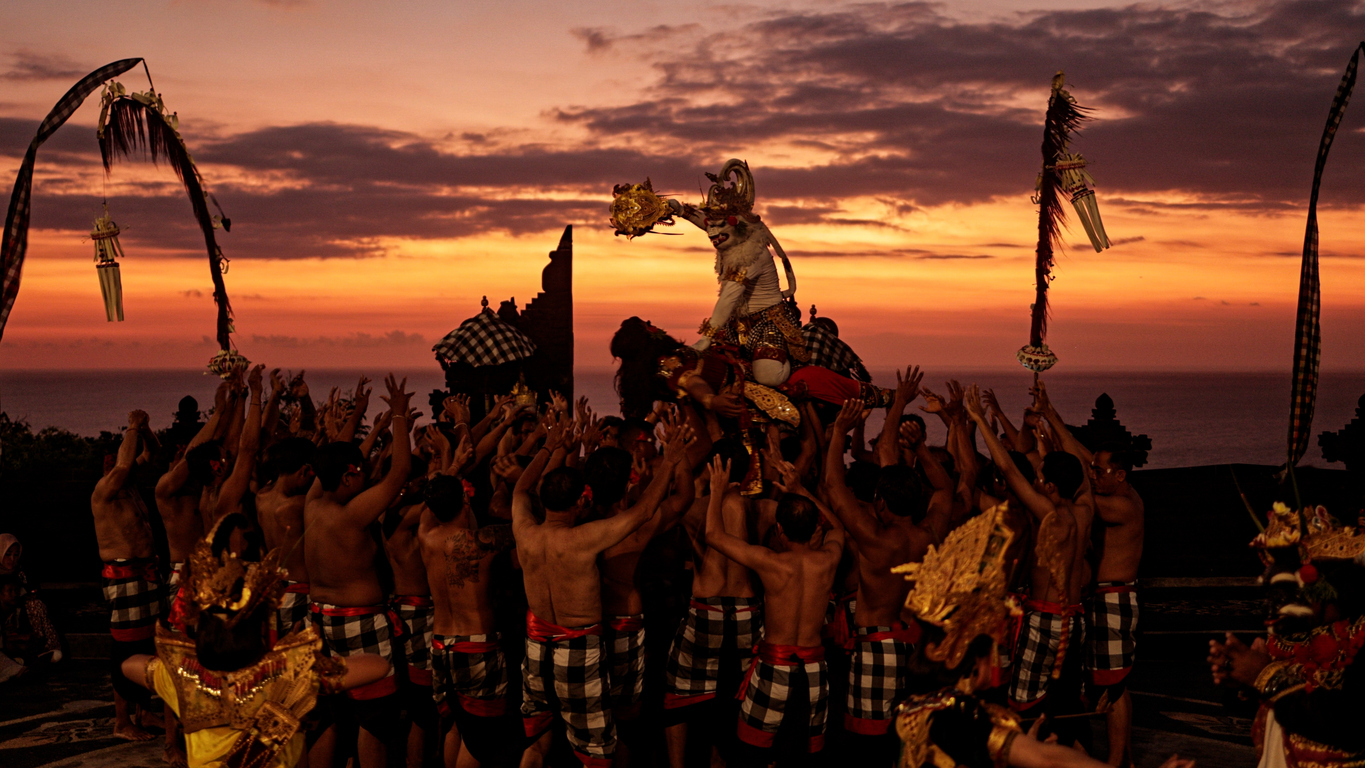
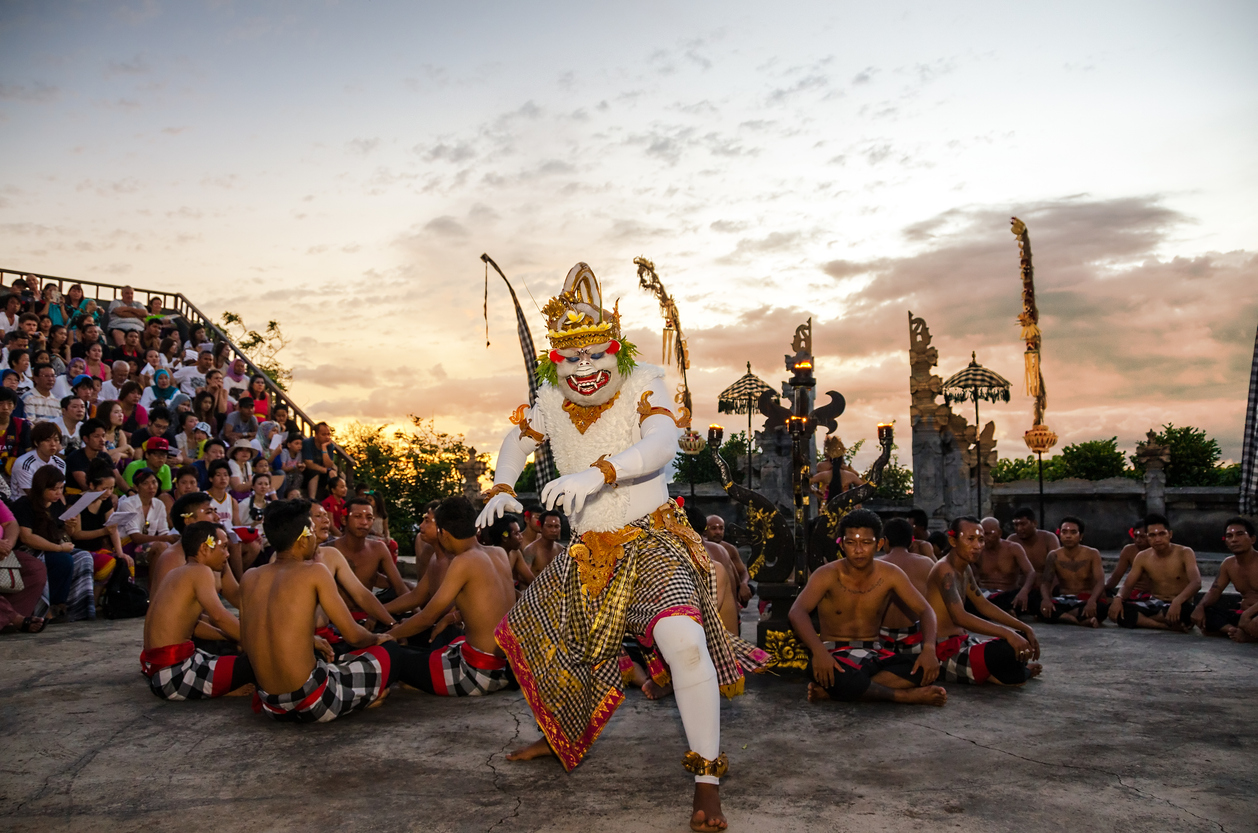
If you search “kecak dance bali,” the results almost always lead to Uluwatu Temple. Kecak dance Bali is perhaps the most visually dramatic performance on the island. Unlike most traditional Balinese dance styles, Kecak does not rely on gamelan instruments. Instead, it features a chorus of 50 to 100 men chanting “cak-cak-cak” in overlapping rhythmic patterns, creating a hypnotic soundscape.
The dance retells scenes from the Ramayana epic, focusing on Prince Rama, Princess Sita, and the monkey god Hanuman. The chanting circle represents Hanuman’s monkey army, and as the story unfolds, dancers move through fire, battle demons, and recreate moments of mythological tension. When performed at sunset on the cliffs of Uluwatu, the ocean backdrop and fading light intensify the atmosphere.
Although today it is one of the most popular tourist performances, Kecak originated in trance rituals known as Sanghyang. Over time, it evolved into a staged spectacle while retaining spiritual symbolism. If you want the most cinematic Bali dance experience, Kecak at sunset is difficult to surpass.
Barong Dance Bali – The Battle of Good and Evil
In contrast to the chanting spectacle of Kecak, Barong dance Bali focuses on an elaborate mythological creature known as Barong, a lion-like guardian spirit representing good. The performance dramatizes the eternal struggle between Barong and Rangda, a fearsome demon queen symbolizing chaos and darkness.
Barong dance is often performed in the morning in villages around Ubud. The costumes are richly decorated, with ornate masks and thick fur coverings. Two dancers operate the Barong costume together, creating lifelike movements. The storyline unfolds in episodes, blending comedy, tension, and ritual trance elements.
What makes Barong dance particularly compelling is its moral symbolism. Rather than presenting a simple victory of good over evil, it emphasizes balance. In Balinese Hindu belief, harmony comes from maintaining equilibrium between opposing forces. Watching Barong dance Bali offers insight into this philosophical worldview.
Legong Dance Bali – Grace, Precision, and Royal Heritage
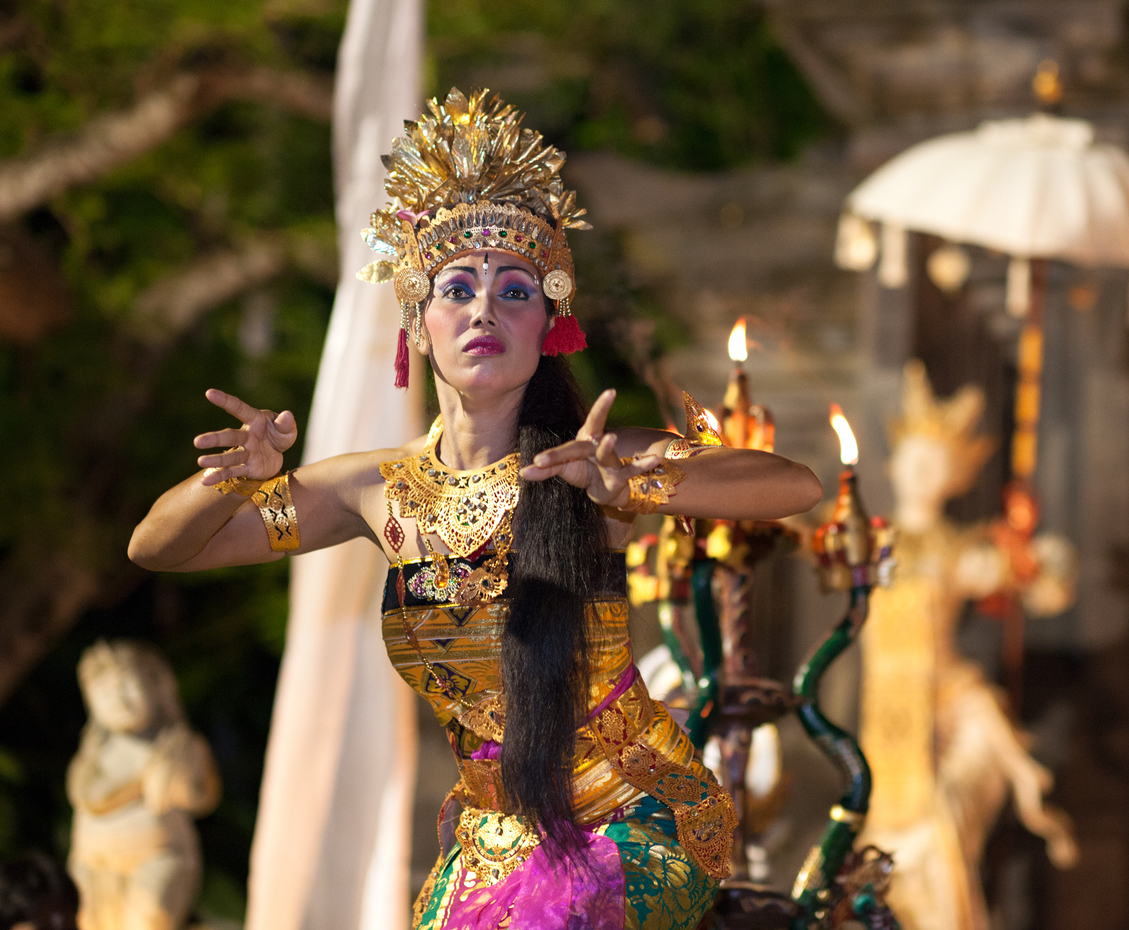
If Kecak is dramatic and Barong is mythological, Legong dance Bali is refined and precise. Traditionally performed by young girls trained from childhood, Legong originated in royal courts. The choreography is intricate, with highly controlled finger movements, rapid eye shifts, and delicate steps executed in perfect synchronization with gamelan music.
Legong performances often take place at Ubud Palace in the evening. The dancers wear elaborate golden headdresses and layered silk costumes, moving with a level of precision that reflects years of discipline. Unlike Kecak, which relies on communal chanting, Legong centers on individual technique and expression.
The exaggerated eye and finger gestures in Legong dance are not random. Each movement conveys emotion, narrative cues, and character identity. Observing closely reveals how storytelling in traditional Balinese dance is encoded in the smallest details.
Where to See the Best Bali Dance Performances
One of the most common traveler questions is “where to see balinese dance?” The answer depends on whether you seek dramatic scenery, accessibility, or deeper cultural immersion.
Uluwatu Temple – Sunset Kecak
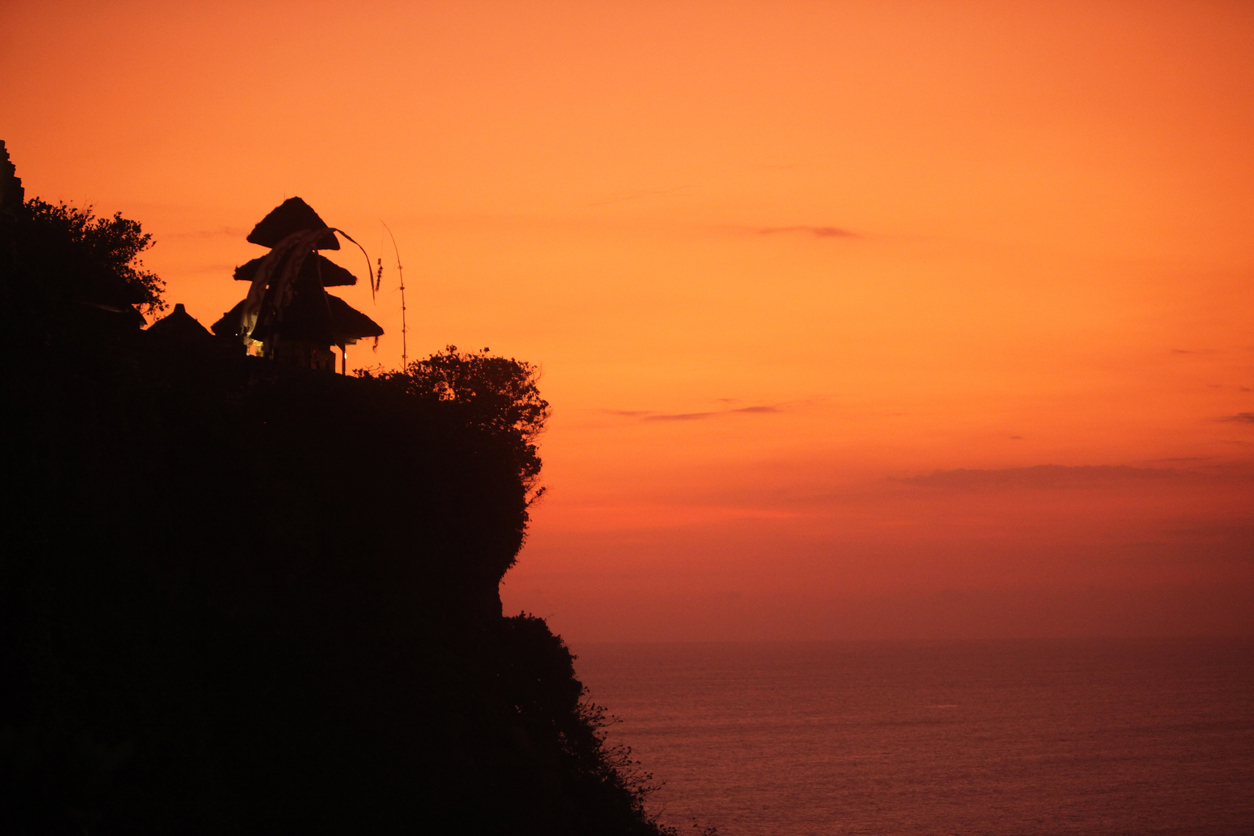
For iconic views and large-scale performance, Uluwatu Temple hosts nightly Kecak shows. Arrive early, as tickets sell out quickly. The amphitheater overlooks the Indian Ocean, and sunset creates a natural stage light effect. This is the most photographed Bali dance setting.
Ubud Palace – Evening Cultural Shows
In central Ubud, Ubud Palace offers rotating performances of Legong and other traditional Balinese dance styles. Shows begin around 7:30 PM, and tickets can be purchased at the entrance. The setting feels intimate yet historically grounded, making it a popular choice for visitors staying in Ubud.
Pura Taman Saraswati – Temple Atmosphere
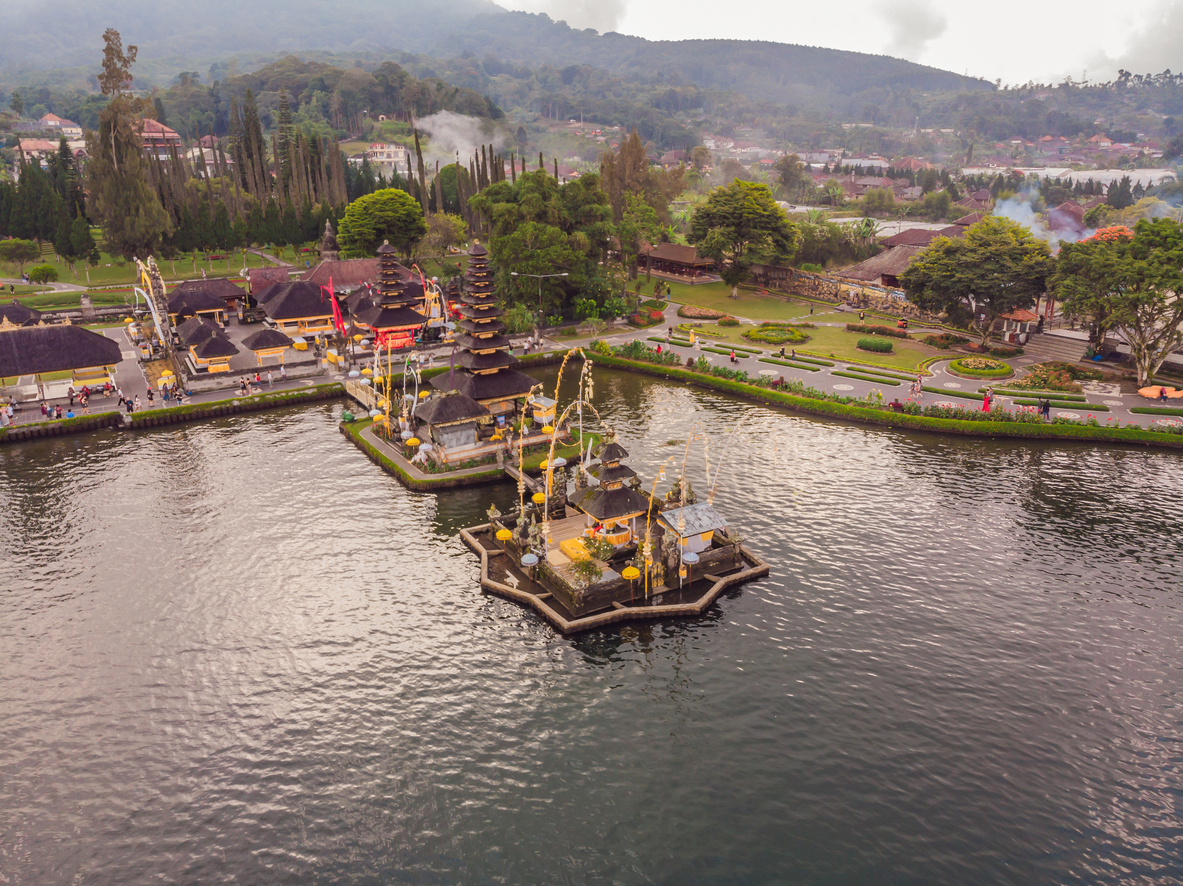
Located in central Ubud, Pura Taman Saraswati provides a temple backdrop surrounded by lotus ponds. Evening performances here combine aesthetic beauty with ritual ambiance, creating a balanced environment between sacred and staged contexts.
Village Temple Ceremonies
For those seeking authentic ceremonial dance, attending a local temple anniversary can be rewarding. However, visitors must dress appropriately in sarongs and sashes, and photography should be respectful. These performances are not scheduled for tourism, so guidance from local hosts is essential.
Bali Dance Costumes, Music, and Symbolism
The visual richness of Balinese dance lies largely in its costumes. Gold leaf headdresses, layered silk fabrics, and carved masks create striking silhouettes. Colors carry symbolic meaning: red for bravery, white for purity, black for protection, and gold for divinity.
Hand gestures, known as mudra, originate from Indian classical traditions but evolved uniquely in Bali. Fingers often bend backward dramatically, emphasizing tension and elegance. Rapid eye movements called seledet punctuate musical accents. These micro-expressions guide the audience through emotional shifts in the story.
Gamelan music underpins nearly every performance except Kecak. The orchestra includes metallophones, gongs, bamboo flutes, and drums, arranged in interlocking rhythmic patterns. Rather than following melody in a Western sense, dancers respond to percussive cues. The relationship between music and movement is inseparable.
Masks also play a central role, especially in Barong and Topeng dances. Wearing a mask is considered spiritually significant; dancers often undergo ritual cleansing before performance. The mask is believed to carry energy beyond theatrical symbolism.
Sacred vs Stage Performances – Is Bali Dance Only for Tourists?
Some travelers wonder whether Bali dance has become purely commercial. While tourism has undoubtedly influenced staging and scheduling, dance remains deeply embedded in Balinese life. Sacred performances still occur in temple courtyards during religious ceremonies, inaccessible to casual spectators.
Tourist-oriented shows typically shorten narratives and standardize schedules for convenience. However, many performers are trained within village communities, and proceeds often support cultural preservation. The boundary between sacred and staged is more fluid than rigid.
When attending any performance, respect local customs. Wear modest clothing when near temples, avoid climbing structures for photos, and remain seated during sacred segments. Even staged performances deserve mindful viewing.
Tips for Watching a Bali Dance Show
Arrive at least 30 minutes early, especially for popular Kecak dance Bali shows. Seats are often unassigned, and central positions offer the best visibility. Bring water, as performances can last over an hour in humid conditions.
If photographing, disable flash to avoid distracting dancers. Respect announcements regarding safety, particularly during fire segments. In Uluwatu, monkeys are active around the temple grounds, so secure belongings before the show begins.
Combining dinner reservations nearby with a performance creates a seamless evening itinerary. In Ubud, many cafés surround performance venues, allowing easy post-show dining.
Why Bali Dance Is More Than Just a Show
Watching traditional Balinese dance is not simply about checking off a cultural attraction. It offers insight into how myth, religion, and daily life intersect on the island. The dances are narratives of balance, devotion, heroism, and cosmic order.
From the chanting circle of Kecak to the moral tension of Barong dance Bali, each performance reflects layers of belief that shape Balinese identity. Even Legong, with its royal origins, continues to be taught to new generations, preserving lineage and technique.
If you leave Bali having seen only beaches and cafés, you will miss one of its most profound expressions. But if you sit beneath a temple sky, listening to gamelan rhythms or the rising chant of Kecak at sunset, you may find that Bali dance becomes one of the most memorable moments of your journey.
And long after the chanting fades and the fire embers cool, the rhythm may stay with you — echoing like the island itself.
Related Tours




.svg)

.svg)
.svg)
.svg)

