





30 Amazing Things to Do in Bali


Bali is a tropical paradise bursting with exciting things to do. From soaring above emerald rice terraces in a helicopter to exploring ancient sea temples at sunset, Bali offers endless Bali activities for tourists. Its iconic landmarks – like the ocean-bluff Tanah Lot temple – define the island’s romantic allure. Whether you crave adrenaline adventures or cultural immersion, this guide covers 30 Bali tourist attractions you won’t want to miss. We’ll give practical tips, local insights, and reasons each activity is worth doing, so you can plan the perfect Bali itinerary.
Balicopter Helicopter Tour

Activity: Balicopter offers private helicopter rides over Bali. This thrilling tour lets you see Bali from above – from the azure coastlines to volcano peaks and temples. You can take a short scenic flight at sunset or a full-day charter (even to Nusa Penida or the Gili Islands). The rides cover major sights: you’ll fly past the towering GWK statue, cliffs, and temple complexes – a truly unique perspective. The helicopters are modern and air-conditioned, and pilots explain the sights as you go.
Why it’s worth it: The views are jaw-dropping and Instagram-worthy – few experiences match gliding over tropical forests and temples. It’s perfect for special occasions (resort transfers, birthday surprises) or simply a luxury splurge. Pro tip: Book in advance on a clear-weather day. Bring sunglasses (the sun glints off the helicopter windows) and check weight limits for safety. Balicopter flights often sell out fast, so reserve your spot early.
Related Tours


.jpg)
The Bali Swing
The Bali Swing (near Ubud) is a must-try thrill for adventure lovers and Instagram fans. This jungle attraction lets you swing high above the forest valleys on giant wooden swings and bird’s-nest seats. It’s literally swinging between palm trees – the rush of wind plus panoramic views of rice terraces and river below make it unforgettable. Many call it “the best swing in Asia” and one of Bali’s most Instagrammable spots.
Why it’s worth it: Beyond the adrenaline, you feel a connection to nature – the jungle’s green canopy and rustic Balinese scenery around you. The whole park is photo-friendly (workers often snap your swing moments), and there are multiple swing heights and nest perches for different comfort levels.
Tips: Go early (when it opens) to avoid crowds and get the best photos. Wear sturdy shoes (paths can be uneven). The official Bali Swing is very popular; consider booking in advance online. A souvernir sarong or Balinese costume nearby lets you join locals in cultural dress for extra fun.
Cultural note: The swing area is built around Bali’s rice farming culture. You’ll see the traditional subak irrigation system far below, illustrating the island’s Tri Hita Karana harmony of people, nature and spirit. Swinging high in the jungle captures that blend of rural life and exhilaration – it’s quintessential Bali.
Ubud Monkey Forest Sanctuary
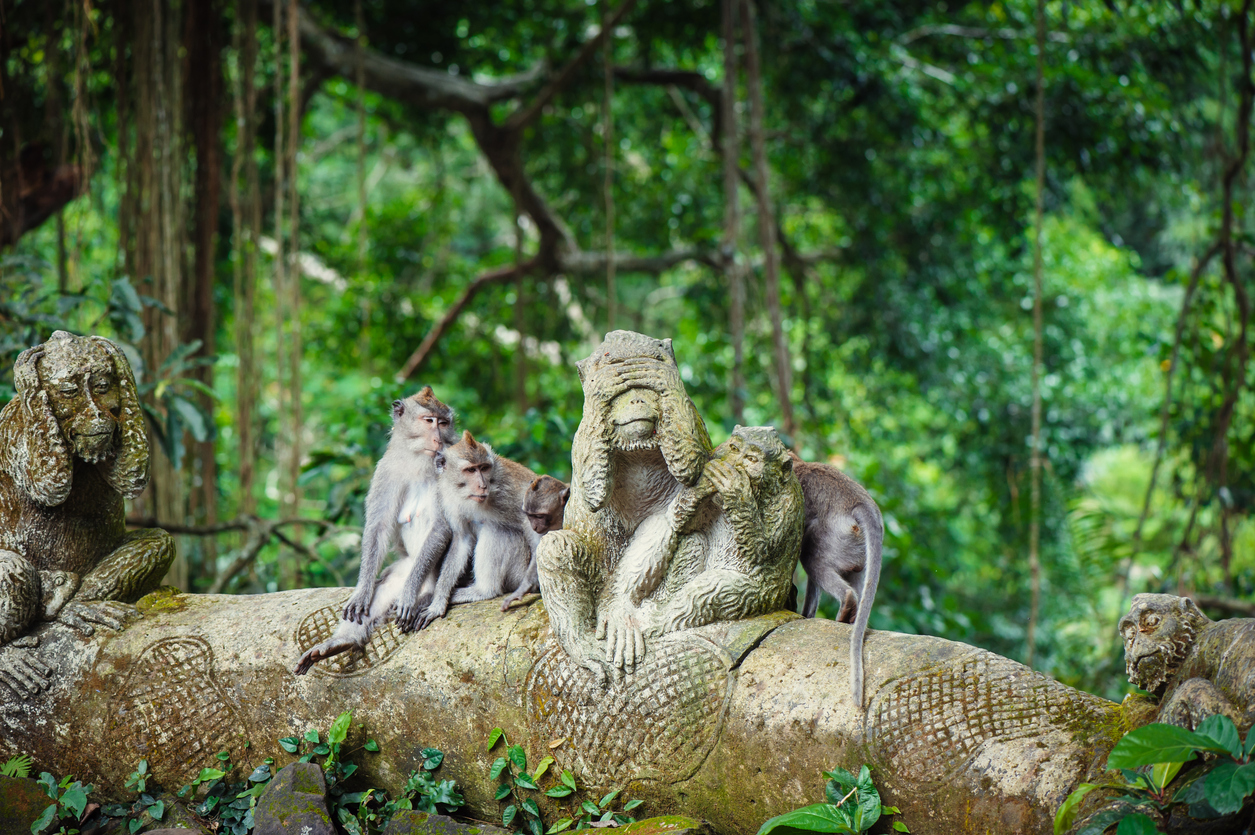
The Sacred Monkey Forest (Sacred Monkey Forest Sanctuary) in Ubud is a wildlife and cultural highlight. A lush 0.1 km² reserve home to about 1,260 Balinese long-tailed macaque monkeys, it’s also a temple complex. As you wander ancient temples overgrown with banyan roots, playful monkeys scamper overhead. The paths lead past statues, fountains and shrines, reflecting the Balinese ethos of harmony between humans, nature and the divine.
Why it’s worth it: It’s one of Bali’s top tourist attractions – you’ll love seeing monkeys in their semi-wild habitat, coexisting with temple buildings. Families enjoy feeding sessions with safe monk shows. It’s also a calm green haven in busy Ubud, embodying local Hindu culture.
Tips: Keep your belongings secure (monkeys can grab sunglasses, snacks or anything shiny!). Wear simple shoes (some areas can be slippery). It’s respectful to dress modestly since it’s a temple site (sarongs are available to borrow). Many visitors go early morning or late afternoon to avoid crowds. Don’t feed the monkeys unauthorized food; there are park-accredited feeding guides if you want to buy safe fruit for them.
Monkeys are active and charming, but keep a gentle distance – enjoy snapping photos of the monkeys grooming each other or swinging through trees. The sanctuary staff do conservation here, so your admission fee helps protect both the animals and the forest.
Tegalalang Rice Terraces
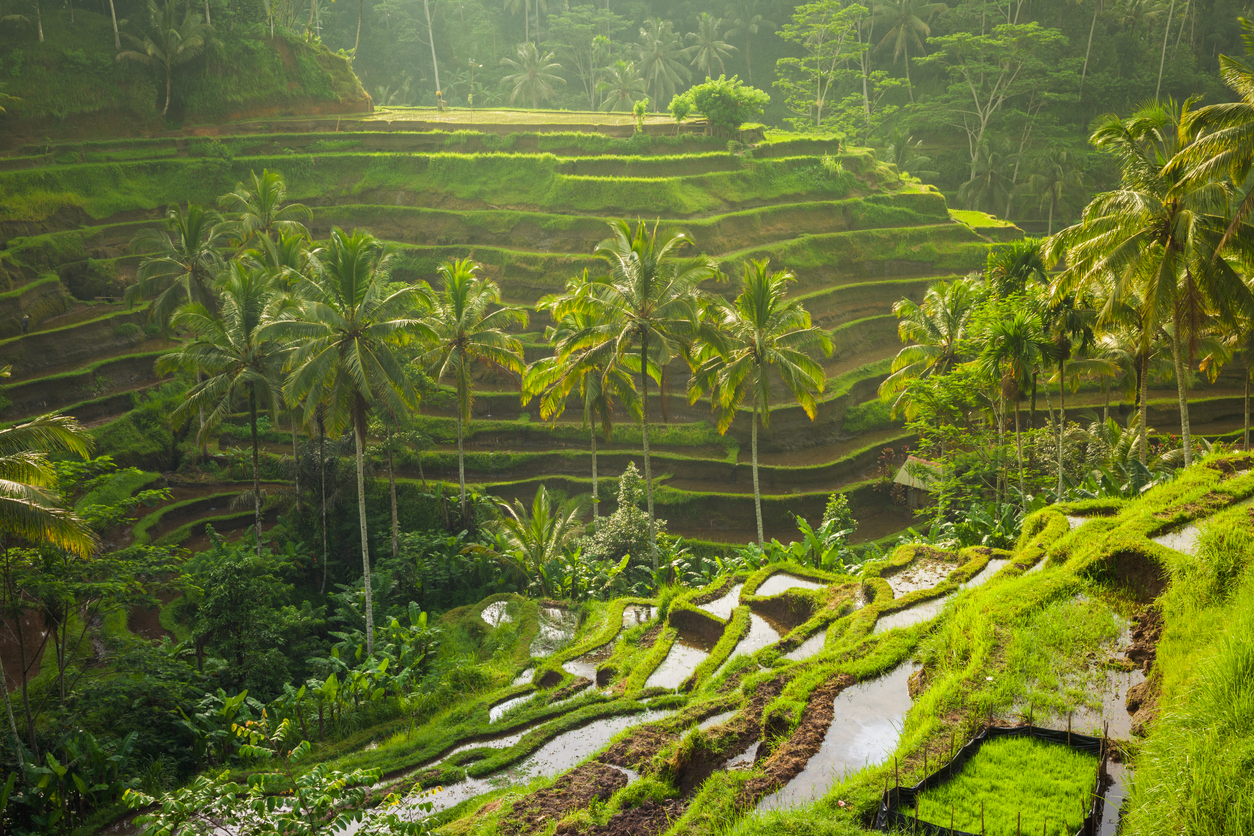
The Tegalalang Rice Terraces near Ubud are among Bali’s most iconic landscapes. These emerald-green terraces are carved into the valley slopes, part of the ancient subak irrigation system. According to Bali lore, the cascading steps of rice offer a “mystical charm” and symbolize the local harmony of humans and nature.
Why it’s worth it: The scenery is breathtaking – waves of lush rice paddies sweep across hillsides, changing hue with the light and seasons. It’s a photographer’s paradise and a living cultural site. You’ll often see local farmers tending the fields by hand, using tools passed down through generations.
Tips: Arrive in the morning or late afternoon for soft light and cooler weather. There is a small entrance fee (approx IDR 15,000) – you may even get a complimentary coffee or coconut drink. Walk along the terraces or even try a short jungle swing (there’s a smaller one here too). Respect the farmland – stay on paths and yield to farmers working.
This UNESCO-inspired attraction highlights Bali’s rice-farming heritage. The subak cooperative system, centuries old, ensures each farm is nourished by mountain spring water. Visiting Tegalalang is both an outdoor adventure and a lesson in how Balinese spirituality is tied to the land. Don’t forget to stop at a warung (small cafe) overlooking the terraces for a fresh coconut drink or local snack with your view.
Mount Batur Sunrise Trek
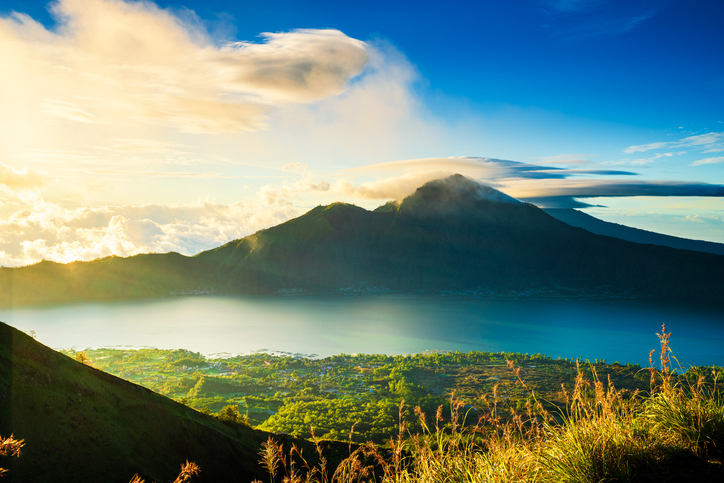
An early morning hike up Mount Batur (Gunung Batur) is a classic Bali adventure. At 1,717 m, this active volcano offers an unbeatable sunrise experience. Guided treks depart around 2–3 AM from nearby Kintamani, aiming to reach the summit before dawn. As the sun rises, you’ll watch golden light spill over Lake Batur and distant peaks like Mount Agung.
Why it’s worth it: Standing at the rim as mist clears and the first rays hit the caldera is truly magical. This UNESCO-recognized site rewards the early wake-up with immense satisfaction. Many tours include a simple breakfast of eggs boiled in volcanic steam at the top!
Tips: Bring warm layers (it’s cold at the summit), headlamp or phone for the dark hike, and plenty of water. Choose a certified guide (safety is key, as paths can be rocky). Since it’s popular, book your trek in advance. If you’re an early riser who loves nature, Batur’s sunrise trek is among Bali’s most talked-about activities.
In Balinese culture, volcanoes are sacred (Mount Batur has ancient temples on its slopes). Hikers often leave a small offering (like flowers) at the peak in thanks. The view stretching out over the highland valleys shows how Bali’s heart truly lies in its lush mountains – well worth the climb for adventurous travelers.
Tanah Lot Temple at Sunset
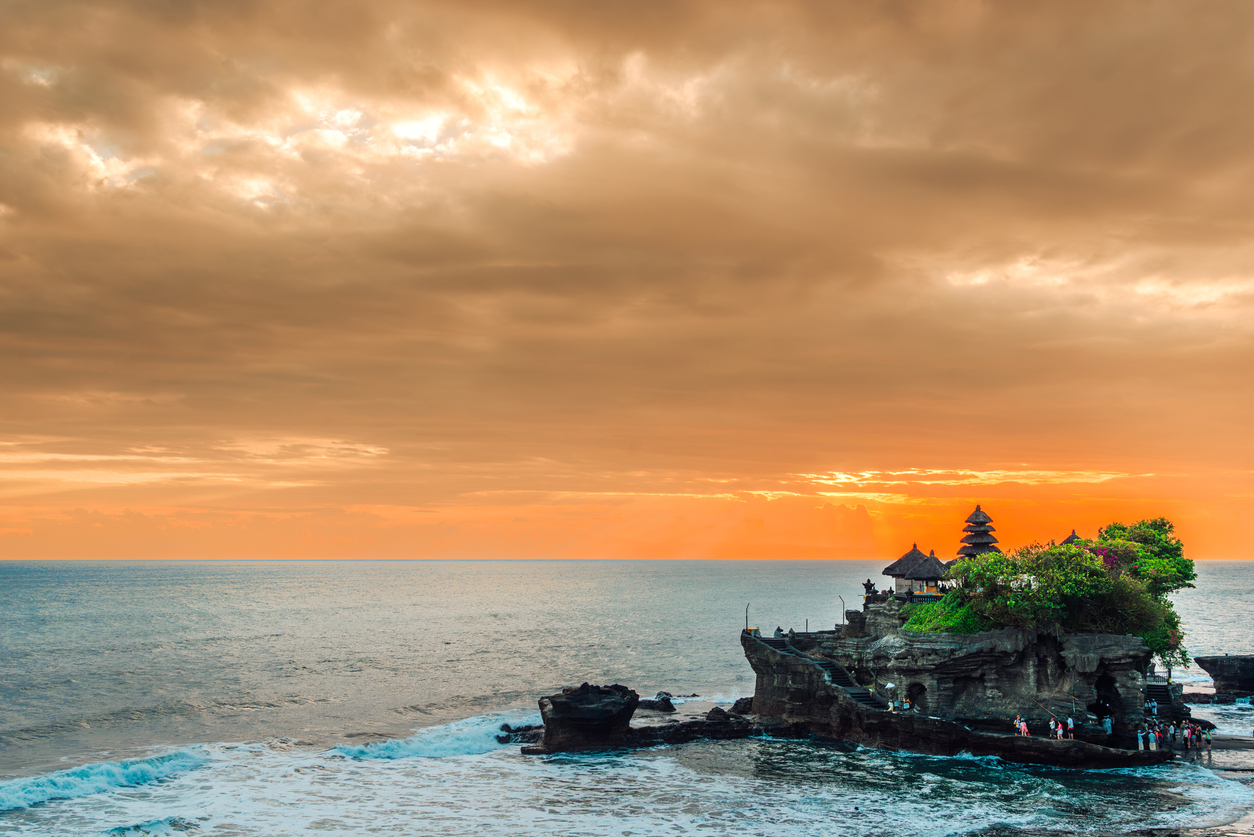
Tanah Lot (which means "Land in the Sea") is the quintessential Bali sunset spot. A photogenic Hindu sea temple perched on a rocky outcrop, Tanah Lot’s silhouette against the crimson sky is Bali’s postcard view. The temple itself dates to the 16th century and honors the sea god, Bhatara Segara.
Why it’s worth it: Watching the sun dip behind Tanah Lot with waves crashing below is a spiritual and scenic experience in one. It’s an iconic Bali tourist attraction for a reason – the backdrop and atmosphere are breathtaking. The surrounding plaza has shops and a small warung (cafe) where you can sip coconut water as colors shift.
Tips: Go late afternoon to see the sunset, but plan to arrive by 4–5 PM to secure a good viewing spot (the cliff paths can get crowded). You’ll pay an entrance fee and must wear a temple sarong (rentals are available at the gate). Keep an eye on the tide – you can walk to the temple during low tide but only enjoy views from the shore after dark. Also, beware of monkeys near the parking area (they tend to tug at belongings).
Locals recommend visiting really early in the morning if you want solitude – the sunrise over Tanah Lot is quieter, though less dramatic light. Either way, this temple captures the dreamy coastal spirit of Bali. At dusk, vendor lights and gamelan music float on the breeze, making Tanah Lot a memorable cultural experience as well as a photo stop.
Uluwatu Temple and Kecak Dance
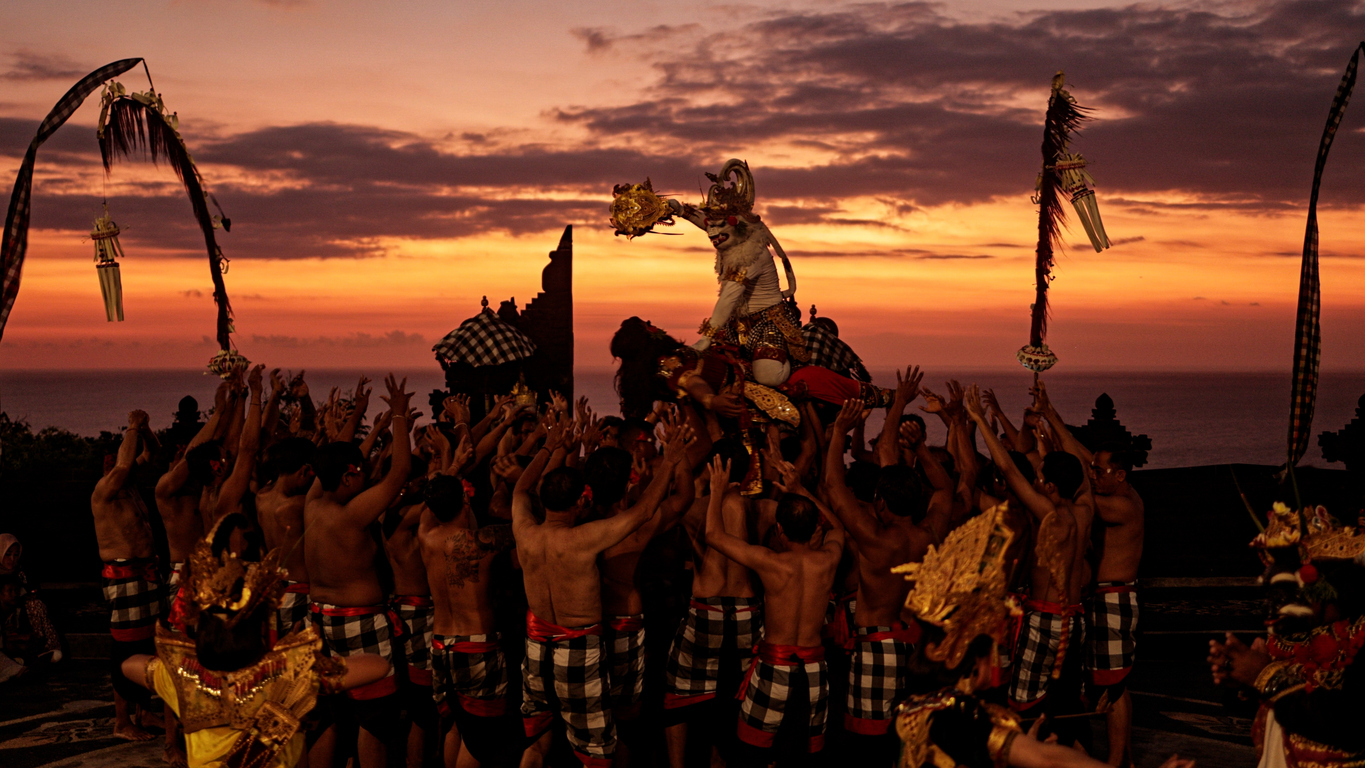
Perched on a 70m cliff over the Indian Ocean, Pura Luhur Uluwatu is one of Bali’s nine directional sea temples. Its prime location makes it breathtaking at any time, but it’s most famous for the nightly Kecak Fire Dance against sunset. As waves crash far below, a chorus of chanting male dancers re-enacts the Ramayana epic with fire performances and a live soundtrack of “cak-chak-chak.”
Why it’s worth it: Uluwatu blends spiritual significance with drama: the cliffside temple itself is striking, and the Kecak show is a cultural spectacle. Locals say watching Kecak here is “more than just entertainment – it’s a mesmerizing fusion of mythology, spirituality, and Balinese heritage”. The golden-sky background makes it unforgettable.
Tips: Go just before sunset. Book seats in the Uluwatu amphitheater early (show time is usually around 6–7pm). Bring a scarf or wrap (it gets windy and cooler up high), and be very careful of the temple’s macaque monkeys – they’re known to steal cameras and glasses from unsuspecting visitors. Women should be modestly dressed out of respect (waist sarongs are provided). After the dance, take a short walk to the edge for some of Bali’s most stunning ocean views. The sea breeze and echoes of “cak” chants will linger in your memory long after.
Surfing in Bali (Kuta and Canggu)
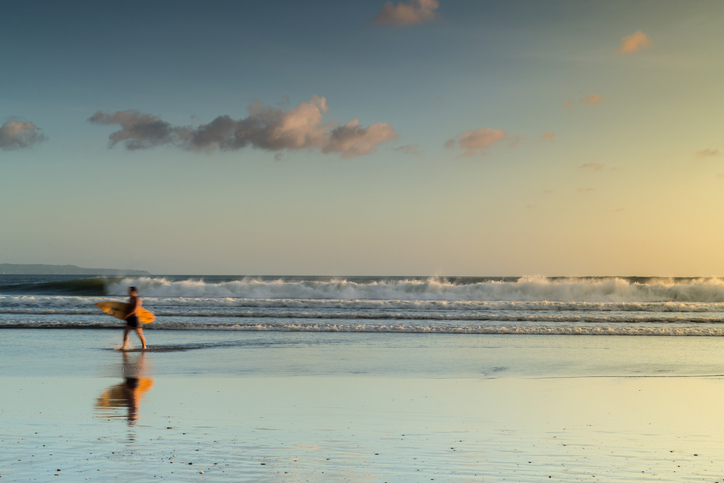
Surfing is almost synonymous with Bali. Kuta Beach (southwest coast) is Bali’s classic surf spot – its long, gentle waves and sandy bottom make it perfect for beginners. Surf schools dot the beach, so you can grab a board and lessons easily. For more experienced surfers, Uluwatu, Canggu and Padang Padang further south offer bigger reef breaks.
In Canggu, hotspots like Batu Bolong and Old Man’s have “soft, forgiving waves” ideal for learners. The surf culture here is relaxed and international – you’ll see locals mingling with tourists in beachfront cafes. Evening beach parties are common too.
Why it’s worth it: Riding Bali’s waves is a must-do for active visitors. Even if you’re not an expert, taking a lesson is fun and embodies the island’s surf lifestyle. When you paddle out, you’ll often be surrounded by stunning scenery – palms, black lava rocks, and Bali’s famous sunsets framing your ride.
Tips: Bring or rent a rash guard to avoid sunburn. If you’re a novice, definitely book a lesson (instructors know the safe spots). Wake up early for the best, glassy waves and fewer crowds. Check surf conditions (May–Oct is high season for bigger swells). After your session, enjoy fresh coconut water on the sand. Surfing in Bali is more than a sport – it’s a way to connect with the ocean and enjoy Bali’s coastal charm.
Waterbom Bali Water Park
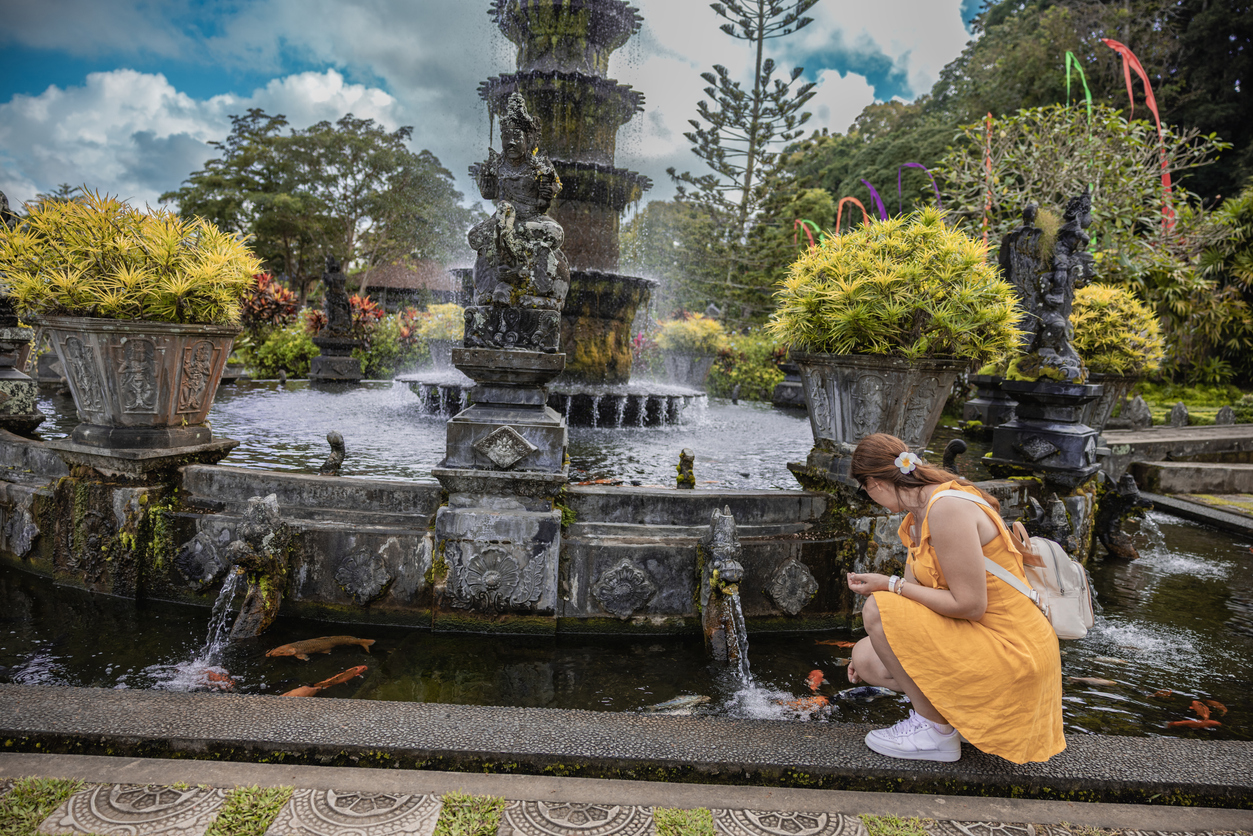
For a fun break from sightseeing, head to Waterbom Bali in Kuta. This world-class water park (open since 1993) has dozens of slides, pools and tropical landscaping. It’s consistently rated “one of Bali’s best attractions” and even among Asia’s top water parks. Rides range from thrilling vertical drops to a lazy river where you can float under Bali’s sunshades.
Why it’s worth it: Waterbom blends adrenaline and relaxation. You can race friends on side-by-side slides, then unwind on a hammock by the pool. It’s immaculate, safe (lifeguards are everywhere), and has amenities like restaurants, child-friendly pools, and cabanas. Locals and tourists alike love it – the vibe is energetic and family-friendly.
Tips: Arrive when it opens in the morning to avoid peak crowds. Lockers are available (bring a padlock). Sunscreen is essential between rides. You’ll pay an entrance fee (coupons often bundle food/drinks). Food and drink inside can be pricey, so consider packing snacks. Don’t miss the signature “Climax” slide if you dare! Even if you’re with kids, the park has slides and splash zones for all ages. Rainforest pools and palm groves around the park also give it an upscale Bali feel – a refreshing change of pace on a hot day.
Snorkeling & Diving (Menjangan and Nusa Penida)

Bali’s underwater world is spectacular. Menjangan Island (in West Bali’s national park) is known for pristine coral gardens and clear waters. Snorkelers and divers here see colorful reef fish, sea turtles, and even reef sharks. The nearby Nusa islands (Lembongan, Penida) are famous for marine life, including manta rays at Manta Point and the USS Liberty shipwreck at Tulamben.
Why it’s worth it: Bali has something for every snorkeler. On a day trip, you can swim among giant mantas, marvel at coral walls, and explore sunken relics. The sense of serenity under the waves – with sunlight filtering down on vibrant reefs – is a great contrast to bustling beaches. Plus, eco-guide tours often include fun extras like feeding schools of fish.
Tips: Always use reef-safe sunscreen and respect marine life (no touching corals). If you’re new to snorkeling, join a guided tour (they provide gear and guidance). Many tours include ferry to Nusa islands or boat to Menjangan. Keep an eye on currents and listen to your guide. If you’re diving, Bali’s dive sites have something for both beginners and advanced. Remember: even a short surface snorkel off a boat can reveal bright anemones, clownfish, and tangs. Bali’s underwater color is an activity every nature-lover should try.
Dolphin Watching in Lovina
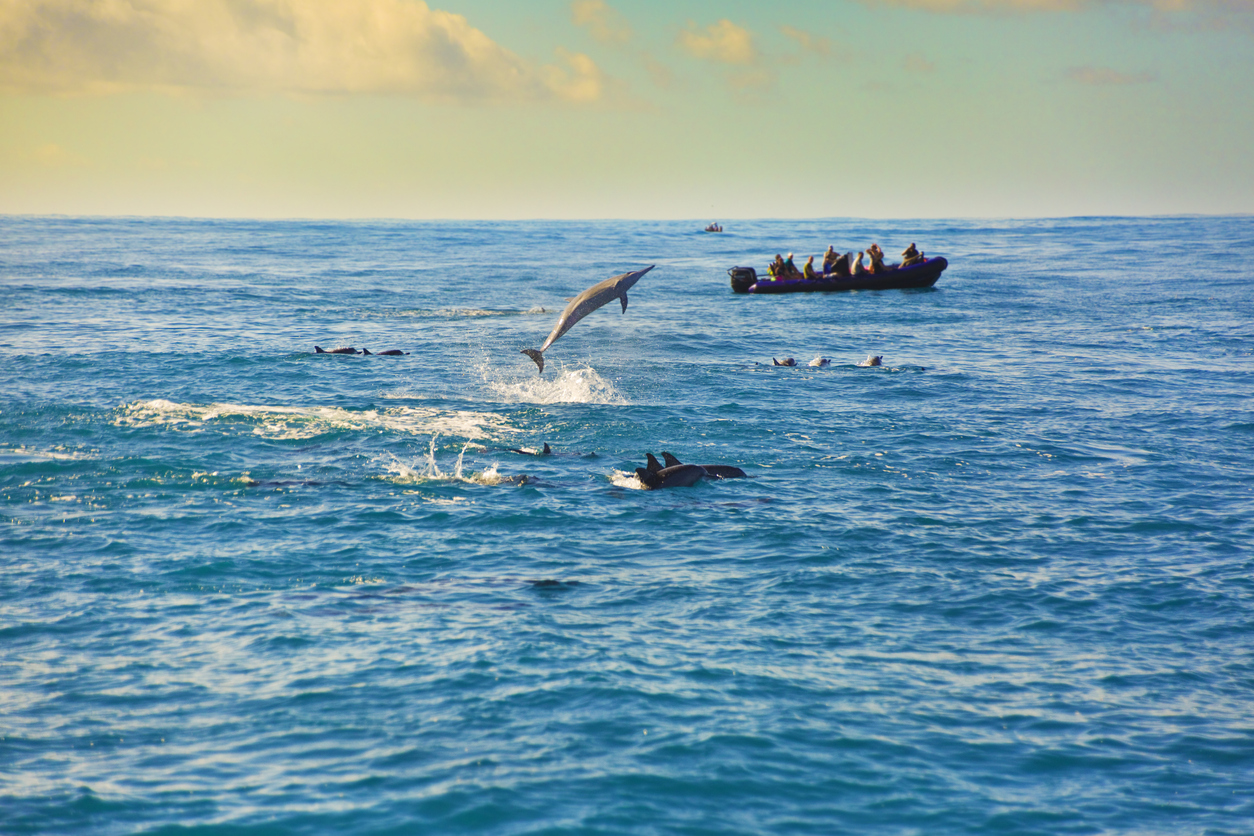
In northern Bali, Lovina Beach is famous for its wild dolphin tours. At dawn, hundreds of dolphins often leap and swim in pods just offshore. Small wooden outrigger boats depart before sunrise so you can cruise quietly on calm black-sand waters to spot them.
Why it’s worth it: Seeing wild dolphins at sunrise is pure magic. As the pink sky lights up the horizon, playful dolphins dance around the boat. It’s a family-friendly experience that feels like a real safari on the sea. You’ll leave early (around 6 AM), but rewards are high – guests often say it’s the highlight of the trip to Bali.
Tips: Book with a reputable operator that respects wildlife (no chasing or feeding). Wear layers (mornings can be cool) and a hat for sunrise. Bring a camera with zoom – the dolphins can surprise-close. Afterward, locals sometimes offer refreshing herbal coffee or breakfast on the beach. Lovina has a relaxed vibe (much more laid-back than south Bali), so combine your trip with a soak in nearby hot springs or a visit to Banjar’s hot pools.
Tanjung Benoa Watersports
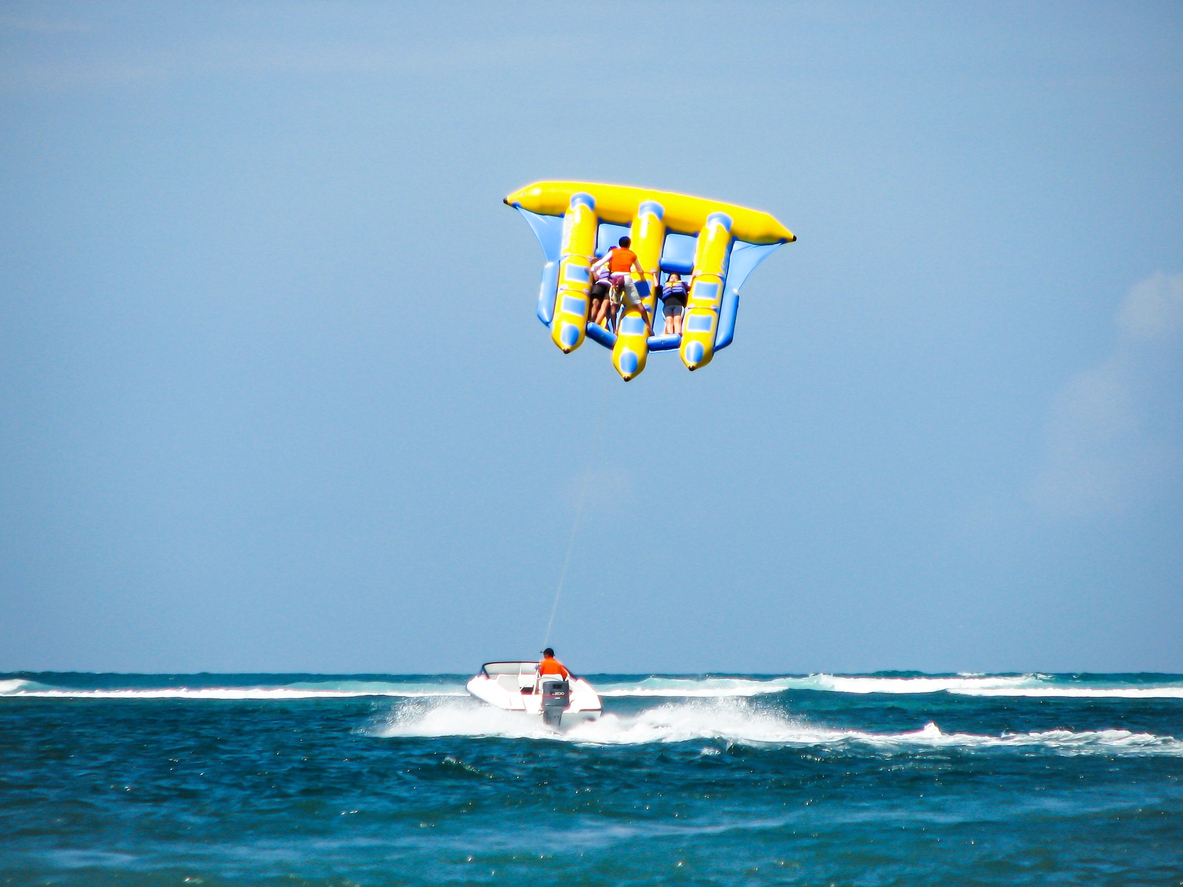
Tanjung Benoa, near Nusa Dua, is Bali’s watersport hub. Parasailing, jetskiing, banana boats, and flyboarding are all on offer here. From the seat of a parasail you’ll get a bird’s-eye view of Bali’s coastline. Or ride high above the waves on a flyboard jetpack. There are dozens of operators lining the beach, each offering package deals on multi-activity days.
Why it’s worth it: It’s the place for adrenaline on water. If you’ve ever wanted to skim across the ocean at high speed or feel the rush of being lifted by wind over the sea, Benoa can provide it. Also, because the bay is protected (not open ocean), the waters are relatively calm and safe for these activities.
Tips: Confirm pricing ahead and check equipment quality. Life jackets are mandatory. Parasailing is best done when tides are low. Pack swimwear and a waterproof phone pouch for photos. If you prefer something low-key, many operators also do glass-bottom boat tours to nearby coral spots. And note: after thrill rides you may be wet and salty, so bring a towel and change of clothes. Ending the day at a nearby beachside cafe with a cold coconut drink is a great way to round out your Benoa adventure.
Seminyak Beach & Beach Clubs

Seminyak’s broad beach and stylish beach clubs make it a chill but lively spot. Seminyak Beach itself is great for swimming and sunset strolls. Just inland, venues like Potato Head and Ku De Ta offer infinity pools right on the sand. These clubs serve cocktails, hold parties, and have famous DJs and live music. The vibe is trendy and upscale – you can lounge on a cushioned daybed, order gourmet food, and dance with your toes in the sand.
Why it’s worth it: Bali is known for lounging by day and partying at night. Seminyak combines both: you can relax all afternoon at a beachfront pool, then stay on for sunset cocktails and dancing. The scenes here epitomize Bali’s modern leisure: sleek design meets ocean sunsets.
Tips: Book a table or daybed at least an hour before sunset (that’s when it fills up). Daytime entry might cost extra after 4pm, so come earlier. Dress smart-casual for evening (some clubs have dress codes). Swimwear is fine during the day, but locals expect modesty away from the beach. Nearby restaurants and shops in Seminyak Village also make for a great early evening meal or stroll after the club. Tip your servers (service charge often is included). Many clubs have international menus, so it’s also a food-lovers’ spot. Enjoy the party vibe – Bali’s beach clubs are as famous as its temples!
Tirta Empul Holy Water Temple
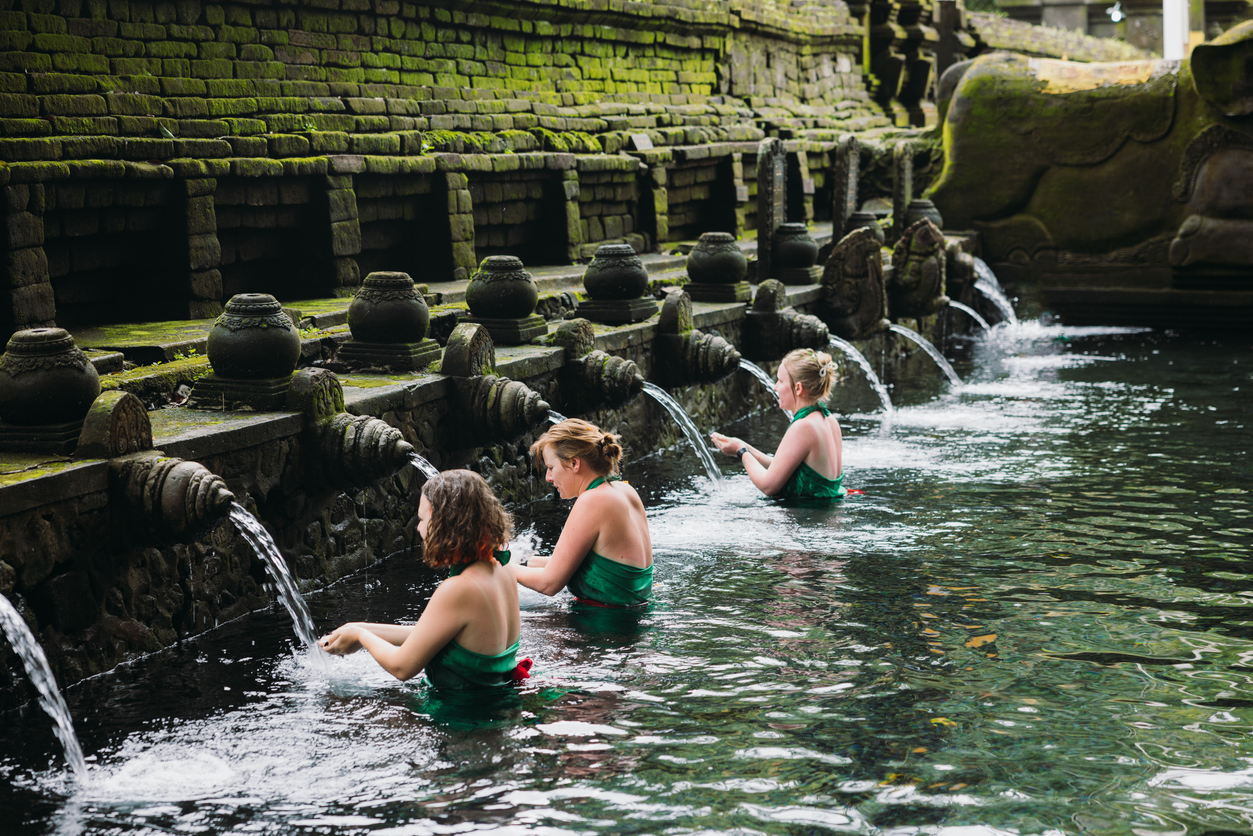
“Tirta Empul” means “holy spring.” This temple near Tampaksiring is famous for its purification pools. Balinese Hindus bathe in its sacred spring water as a ritual cleansing (Melukat). The site dates back to 962 AD, surrounding a natural spring that feeds stone pools and fountains.
Why it’s worth it: It’s a spiritual and immersive cultural experience. Tourists can wade into the stream and follow the locals – you’ll walk through fountains and prayer areas, pouring water over your head to “wash away bad luck.” It’s fascinating to see this living tradition. The temple setting is beautiful, with mossy walls and Balinese carvings reflecting ancient stories.
Tips: Modest clothing is essential (sarongs and sashes provided at entrance). You’ll pay a modest entrance fee, which includes a sarong rental. Have a small bucket to help scoop water. Most visitors start at the first fountain and move sequentially through all 13 purification spots. Stay respectful – if you’re not bathing, observe quietly. The experience is unique but can be crowded; early morning visits feel more peaceful. Afterward, explore the temple grounds and gardens. Some people say it’s one of the most memorable things to do in Bali because of the deep cultural ritual involved.
Ulun Danu Beratan Temple
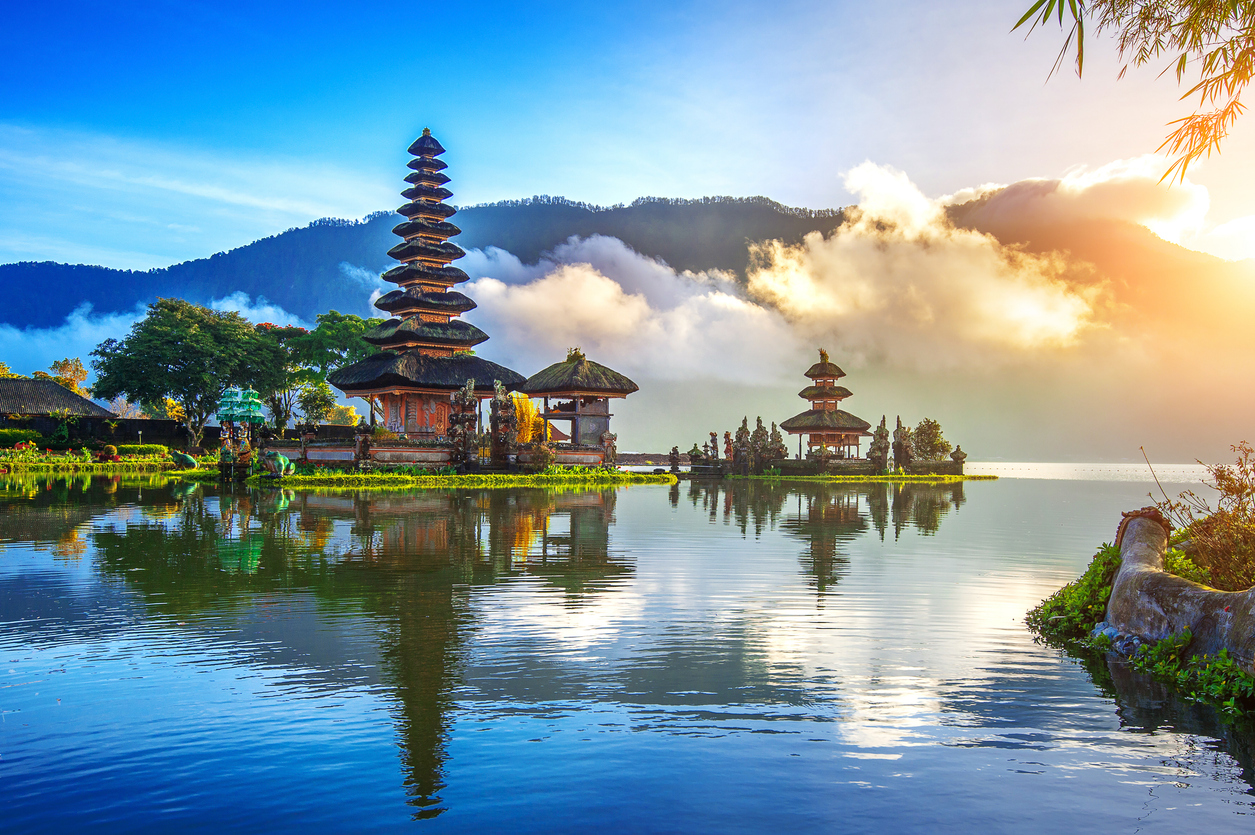
Pura Ulun Danu Beratan is the iconic “floating” temple on Lake Bratan in central Bali’s mountains. Built in 1633, it honors Dewi Danu, the goddess of water and lakes. On calm mornings the temple complex’s spired shrines seem to float on the lake surface – a classic postcard scene.
Why it’s worth it: Its scenery is stunning and serene. The cool, misty climate of Bedugul highlands adds to the peacefulness. Photographers love Ulun Danu because the turquoise lake and green hills create an unforgettable frame around the temple pagodas. Culturally, it represents Bali’s reverence for water – the lake is a crucial irrigation source.
Tips: Wear a sarong (required for temple areas). Mornings have fewer crowds and still waters (sometimes you can take a boat for a closer look at the shrines). After touring the temple, relax by the lakefront and try local snacks (ginger tea and glutinous rice cakes sold in the park). Since it can drizzle in the mountains, bring a light jacket or umbrella. Many travelers combine this with visits to nearby hot springs (Banjar) or botanical gardens. Ulun Danu is one of Bali’s most serene attractions – take a deep breath of the cool mountain air while soaking in the view.
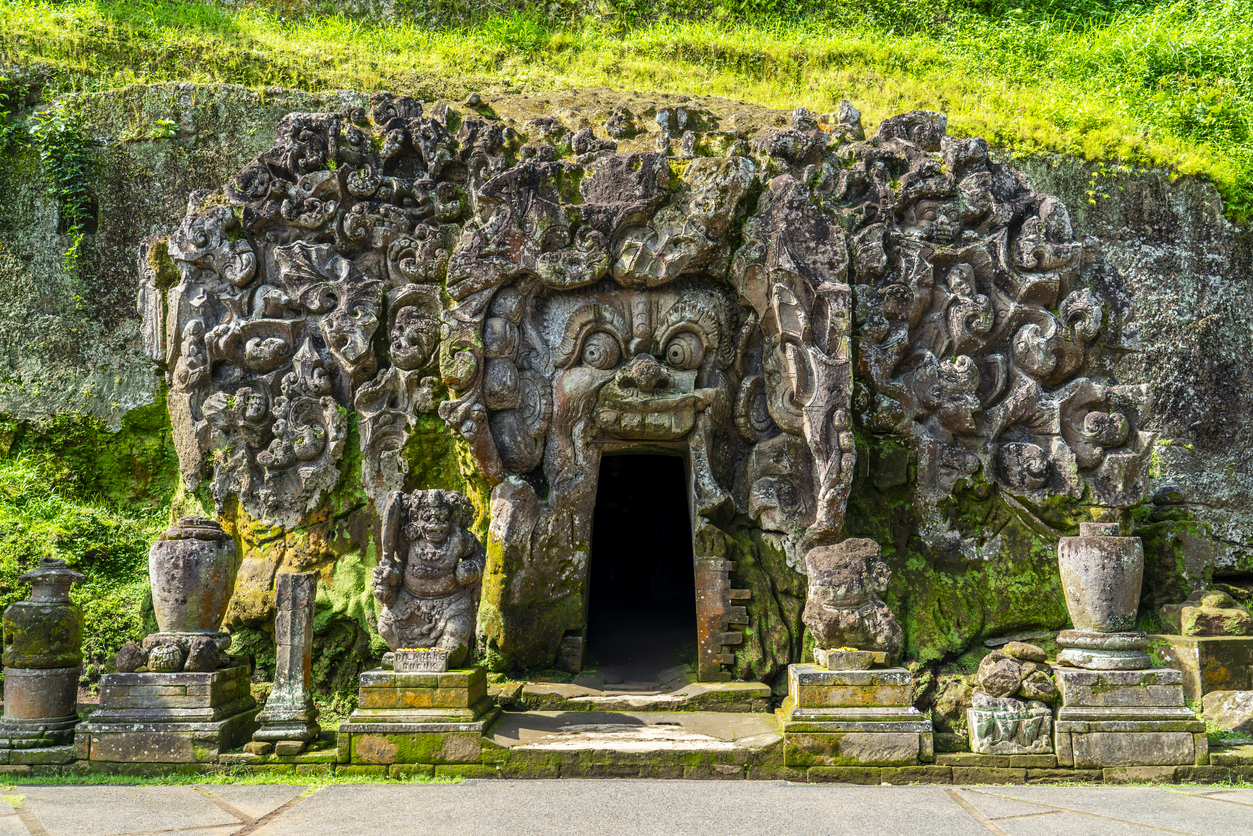
Goa Gajah (Elephant Cave)
Near Ubud, Goa Gajah (“Elephant Cave”) is a fascinating archaeological site. Dating to the 11th century, it features a carved cave entrance with fierce stone faces (not actually elephants, but possibly menacing figures). Inside the cave is a small meditation chamber. The site also has bathing pools with fountains and relics reflecting Hindu-Buddhist influences.
Why it’s worth it: It’s both mysterious and photogenic. The massive stone gate – with bared fangs and bulging eyes – offers a glimpse into ancient Balinese art and mythology. Strolling the grounds, you’ll see farmers offering flowers and fruit to small shrines, a living continuation of traditions. It’s a peaceful spot where history and legend intertwine.
Tips: Dress modestly (shoulders/legs covered). It’s inexpensive and easy to reach by scooter or car from Ubud. Watch your head in the low cave entrance. Bring a camera (the carved entrance and the reclining Buddha statue inside make great photos). There’s less shade, so use sunscreen or hat. If you visit the Elephant Cave early in the day, you can avoid crowds and enjoy the misty jungle atmosphere. Exploring Goa Gajah takes maybe 30 minutes to an hour – a great quick culture stop between other Ubud sights.
Balinese Dance Performance (Barong & Keris)
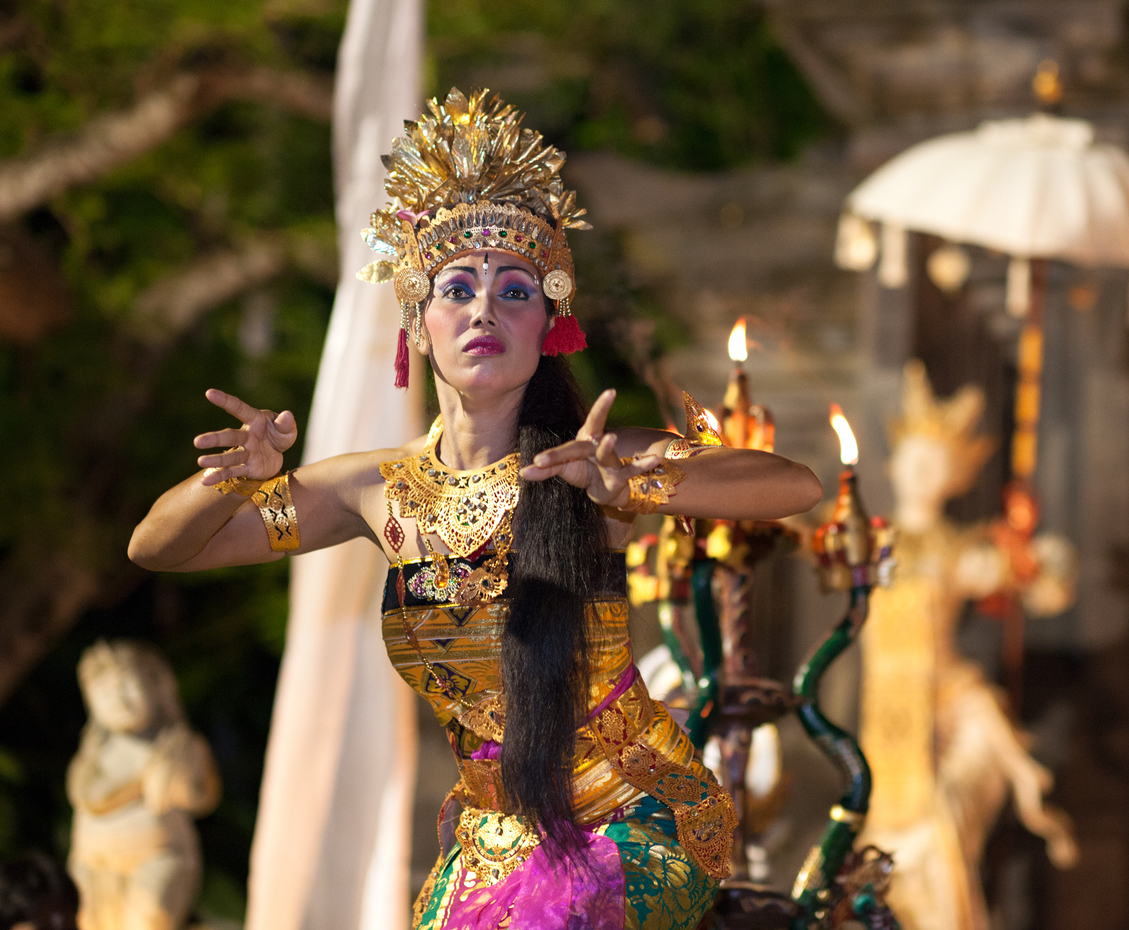
Balinese traditional dance is a vibrant cultural activity. One famous show is the Barong and Keris Dance at Batubulan village (near Ubud). It depicts the eternal battle between Barong (a lion-like good spirit) and Rangda (the witch of evil). Dancers wear elaborate masks and costumes, culminating in a dramatic climax of trance and knife-wielding.
Why it’s worth it: It’s Bali’s legendary folklore brought to life. The dance is loud with gamelan music and full of color – you’ll see dancers catch flaming kerosene torches in their mouths and enter a trance. It’s both entertainment and a spiritual ceremony, reflecting Bali’s Hindu beliefs about balance between good and evil.
Tips: These shows usually start around 7-8pm (check local schedules). The venue will usually provide a sarong at the entrance. Best seats are near the front, and photos/videos are usually allowed. Kids love the theatrics, but stay aware – performing dancers get very close. If the flames or fake fighting seem intense, remember it’s highly choreographed ritual. To make it a full night out, combine a Barong show with dinner at a nearby Balinese restaurant. Seeing a dance like this deepens your understanding of Bali’s living art traditions.
Balinese Cooking Class
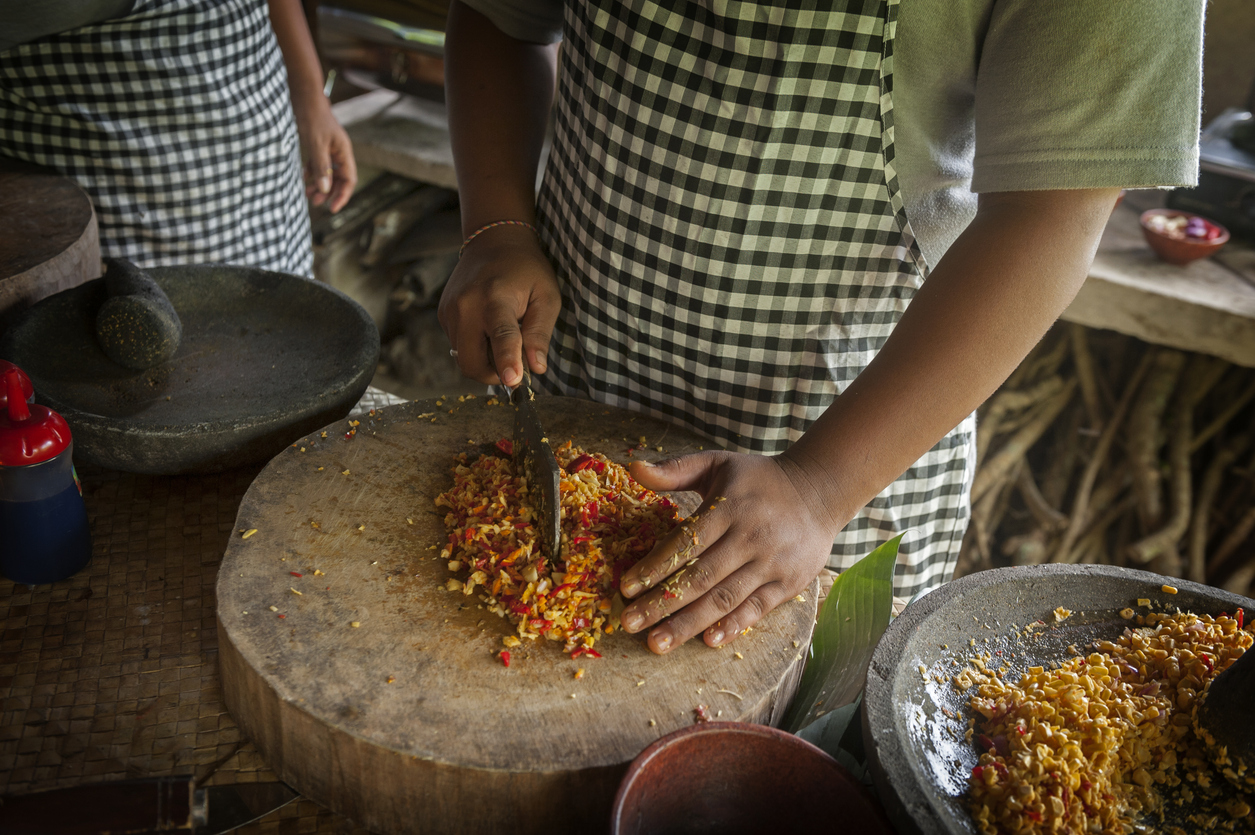
Taking a Balinese cooking class is a delicious cultural experience. Many cooking schools in Ubud and beyond offer morning courses. You typically start with a market tour (choosing fresh ingredients like chilis, turmeric, ginger and kaffir lime leaves) and then learn to make dishes such as nasi goreng (fried rice), satay skewers, sambal sauces, and traditional desserts like pisang goreng (fried bananas).
Why it’s worth it: Beyond the tasty outcome, it’s a fun hands-on way to dive into local life. You’ll use a stone mortar ulek-ulek to grind spice paste, and get tips on Balinese flavor combinations from expert cooks. At the end, you feast on your creations – nothing tastes as good as the meals you made yourself!
Tips: Book a class through a reputable local chef or villa resort (many include free pick-up from Ubud hotels). Wear comfortable clothes and closed-toe shoes (markets can be crowded) and bring swimwear if the class has a pool (some do as an extra perk). Classes usually last 3–4 hours. This is also a great activity for couples or families, and you’ll go home with recipes – a Bali souvenir that keeps on giving. It’s one of those things to do in Bali that you’ll talk about long after your trip, as you recreate those flavors for friends and family at home.
Penglipuran Village (Traditional Bali Aga)
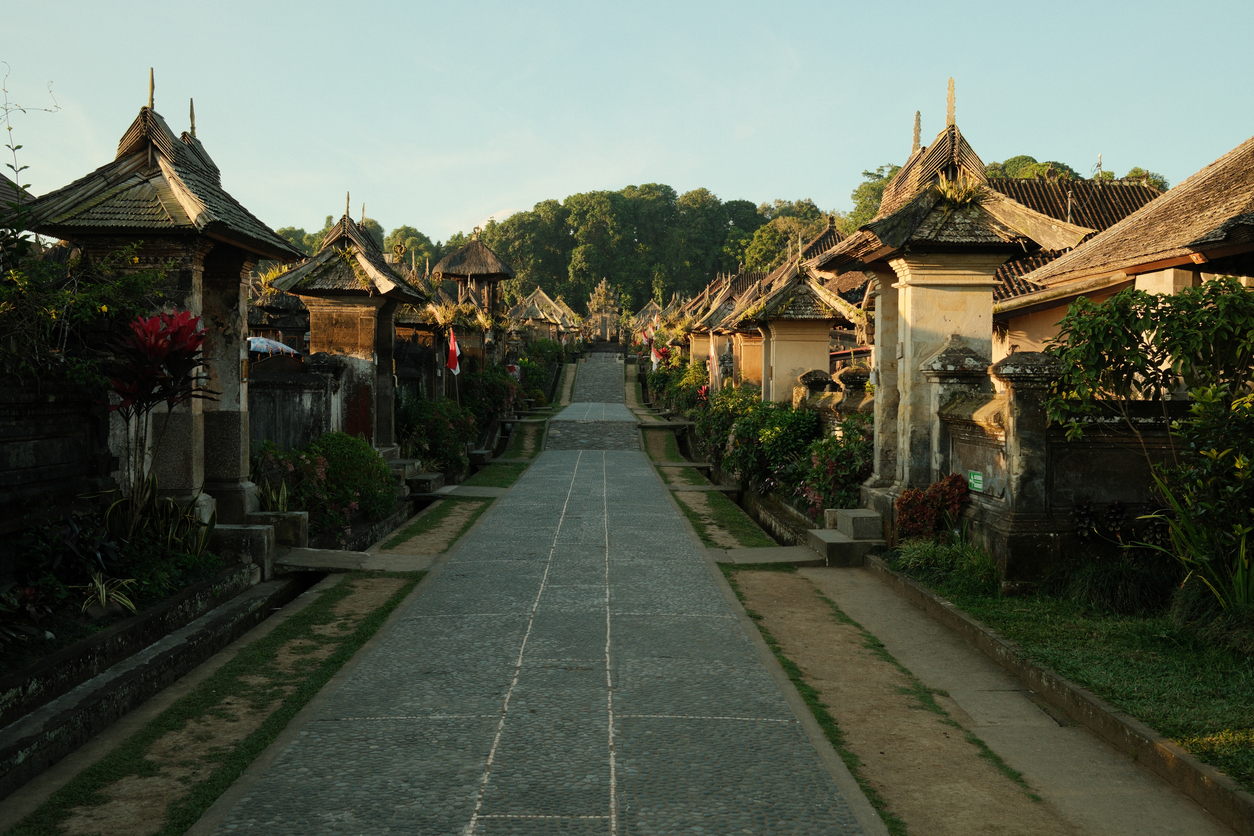
Nestled in the Bangli highlands, Penglipuran Village is often called Bali’s “cleanest village.” It’s a living example of an old Bali Aga community (pre-Hindu Balinese culture). Walking down its main street, you’ll see perfectly aligned bamboo-walled houses, identical gateways, and spotless stone paths. It really feels like stepping back in time.
Why it’s worth it: This village is preserved for a reason – it shows centuries-old layouts and philosophy. Unlike other touristy spots, Penglipuran is genuinely inhabited, and families still practice daily rituals here. It won awards for cultural preservation and cleanliness. For travelers, it’s a picturesque stroll through rice fields and bamboo groves, with friendly locals in traditional attire.
Tips: Go early before the school kids arrive, or late afternoon for a calmer visit. Modest dress is appreciated. There’s an entrance fee (supporting community programs). Visit the bamboo forest cafe at the end for a snack and jungle views (as one local tip suggests). If you see elderly residents in their front yards, you can politely say “Selamat pagi” (good morning) and maybe try some local banana fritters from a stall.
Admire the desa kala patra philosophy (doing things in the right place and time) manifested everywhere: from the alignment of doors to the nightly smoke rites. Even though Penglipuran has become more popular, it still feels authentic. It’s one of those unique Bali activities where culture and photo ops come together – just remember, it’s also someone’s home, so tread respectfully.
Ubud Art Market and Royal Palace
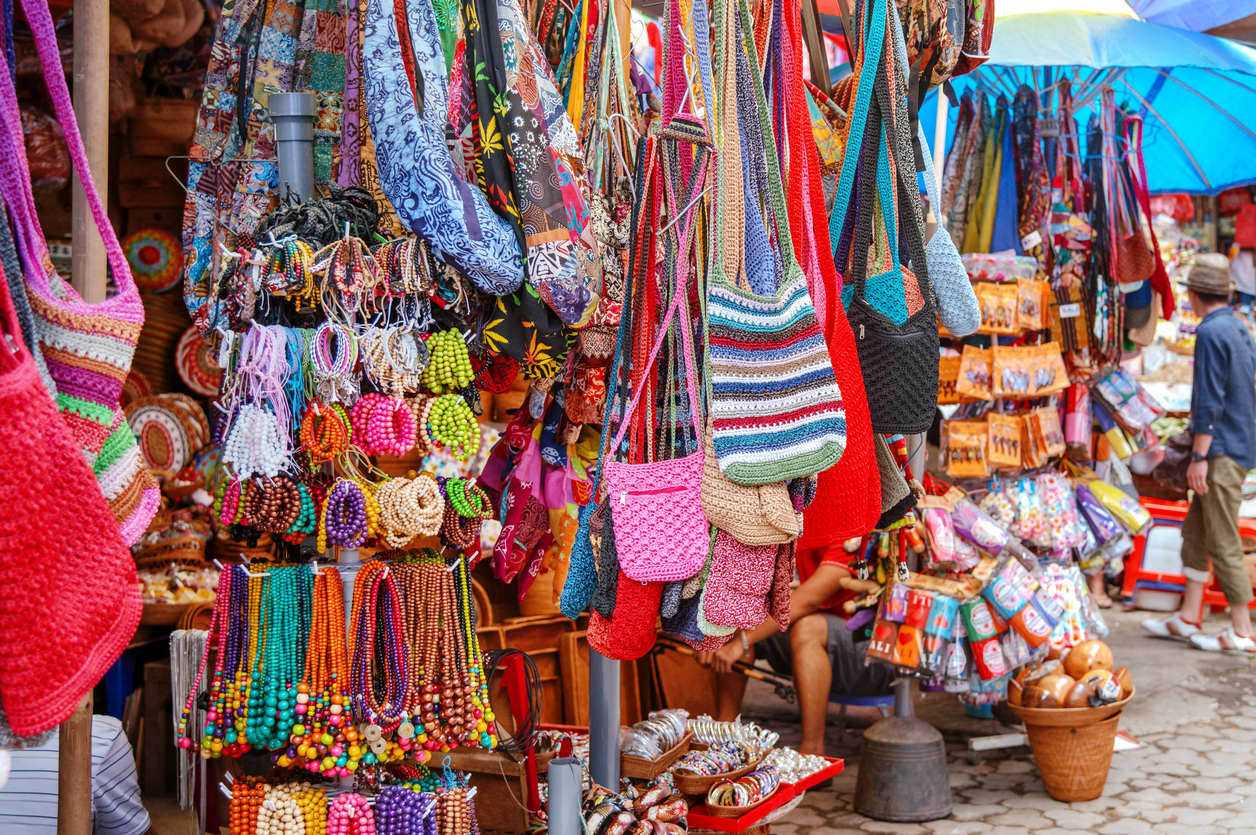
The cultural hub of Bali is Ubud town. Don’t miss Ubud’s Art Market (Pasar Seni) and the Ubud Royal Palace (Puri Saren) in the town center. Here you can shop for batik, woodcarvings, silver jewelry and silk scarves – many vendors are artists themselves. Bargaining is expected; start at about half the asking price.
Why it’s worth it: Ubud is Bali’s artistic heart. The market and its narrow alleys are bustling with color and energy. The palace, across the street, provides a contrast with its traditional carved architecture and periodic free dance performances in the courtyard. Walking here helps you understand modern Balinese culture – art, music, and history all converge.
Tips: Haggling is part of the fun – haggle gently with a smile. Carry small change and a durable bag for your purchases. The palace is free to enter, but dress modestly (sarong and sash provided). There are many art galleries and cafes around Ubud if you want a break. If visiting, try timing it so you see an evening dance at the palace (often featuring Legong or other traditional dances). Most tourists combine the market, palace, and a scenic rice-terrace walk afterward. It’s one of the quintessential things to do in Bali for both souvenir shoppers and culture lovers.
Sekumpul Waterfall
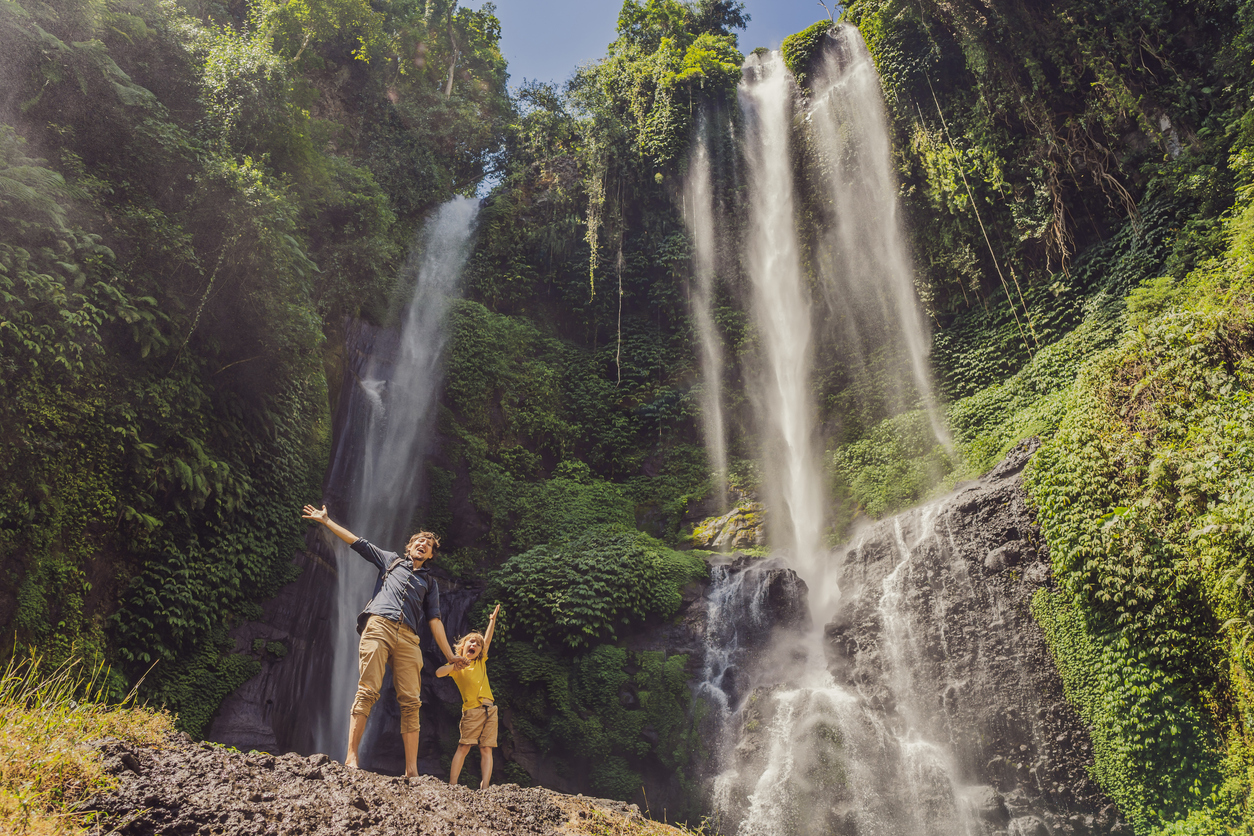
Sekumpul Waterfall, tucked in Bali’s north, is often called the island’s most stunning waterfall. From a mountain viewpoint you’ll spot multiple falls cascading through lush jungle mist. The main tier plunges nearly 80 meters into a green pool below – rainbows sometimes arc in the spray.
Why it’s worth it: It’s an exhilarating trek reward. Getting there requires a guided hike through villages, jungle trails and across streams (wear good hiking sandals). But standing at the poolside, surrounded by tropical plants and hearing the thunderous water, makes the effort unforgettable. Photography buffs and nature lovers will be awed by the scenery.
Tips: Wear non-slip shoes (stone paths can be wet and steep). Bring swimming gear if you want a dip (though currents can be strong). Go with a local guide (the trail is tricky). Many tours combine Sekumpul with nearby Banyumala or Gitgit waterfalls. Arrive early to avoid afternoon fog or crowds. Respect nature – take all trash back. For safety, do not climb the rock faces near the falls.
Local guides emphasize that Sekumpul isn’t just pretty; it embodies Bali’s spiritual reverence for water. While admiring the falls, pause a moment to appreciate the rainforest around you. The experience – the hike, the pristine jungle, the sheer power of the falls – offers a deep connection to Bali’s wild side. If you love scenic nature, this activity is a top Bali adventure.
Tegenungan Waterfall
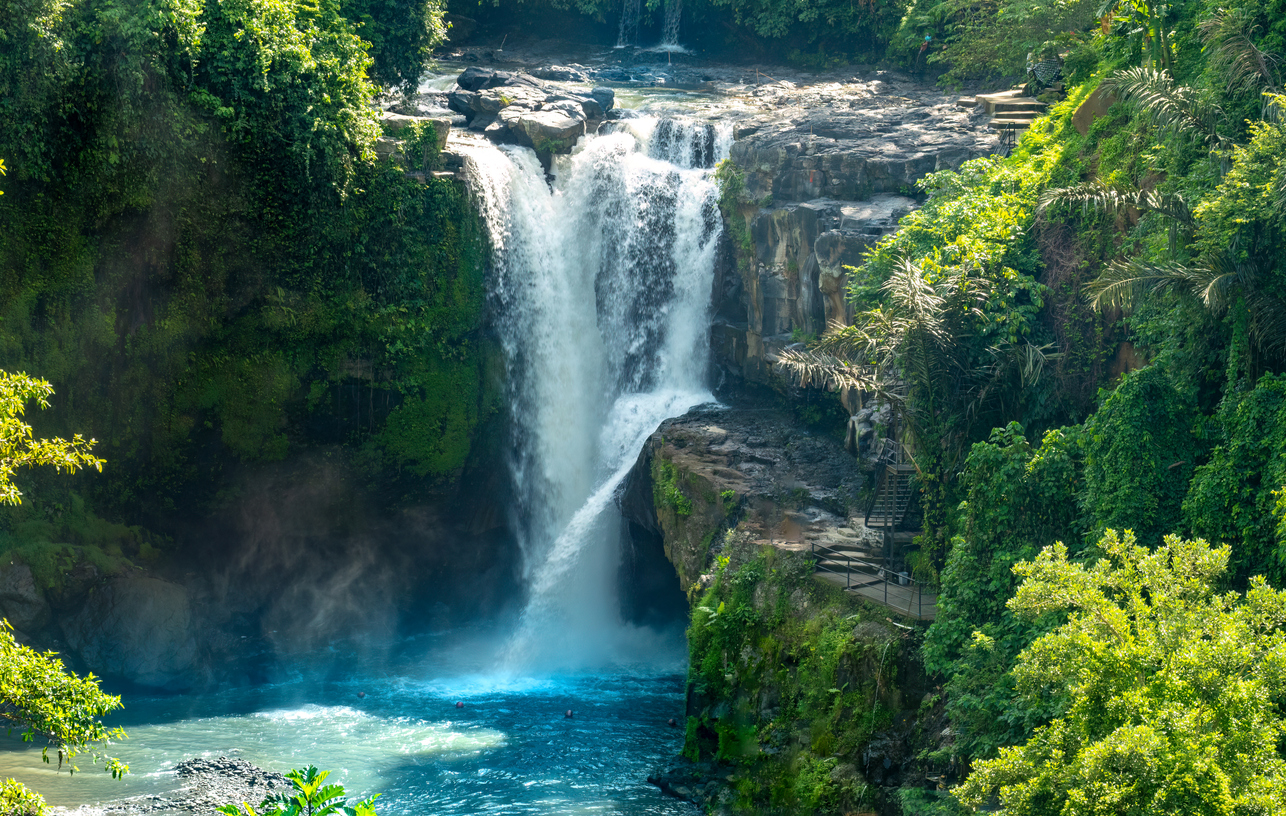
Not far from Ubud, Tegenungan Waterfall is a lush cascade on the Petanu River. Its wide curve and accessible cliffside viewpoint make it very photogenic. According to travelers, “a visit to Ubud is not complete without dropping by this waterfall”.
Why it’s worth it: You can reach Tegenungan with just a short walk down stone steps (be ready for the climb back up!). The fall is dramatic – water thunders into a shaded pool surrounded by green cliffs. It’s also popular for swimming in the cool water at the base, with a rope swing or bamboo bridge for fun photos.
Tips: Go in early morning to avoid crowds (and locals say lighting is best then). There’s a modest entrance fee. You must walk ~150 steps down to the viewing platform, so wearing sneakers or water shoes helps. Swimming is allowed but be cautious (wear a life vest if unsure). Bring cash for small restaurant or massage spots at the top. After your visit, you can relax at a riverside café. Because it’s near Ubud, many tours bundle Tegenungan with other sites. It’s an easy nature escape that still feels remote and refreshing.
Bali Bird Park
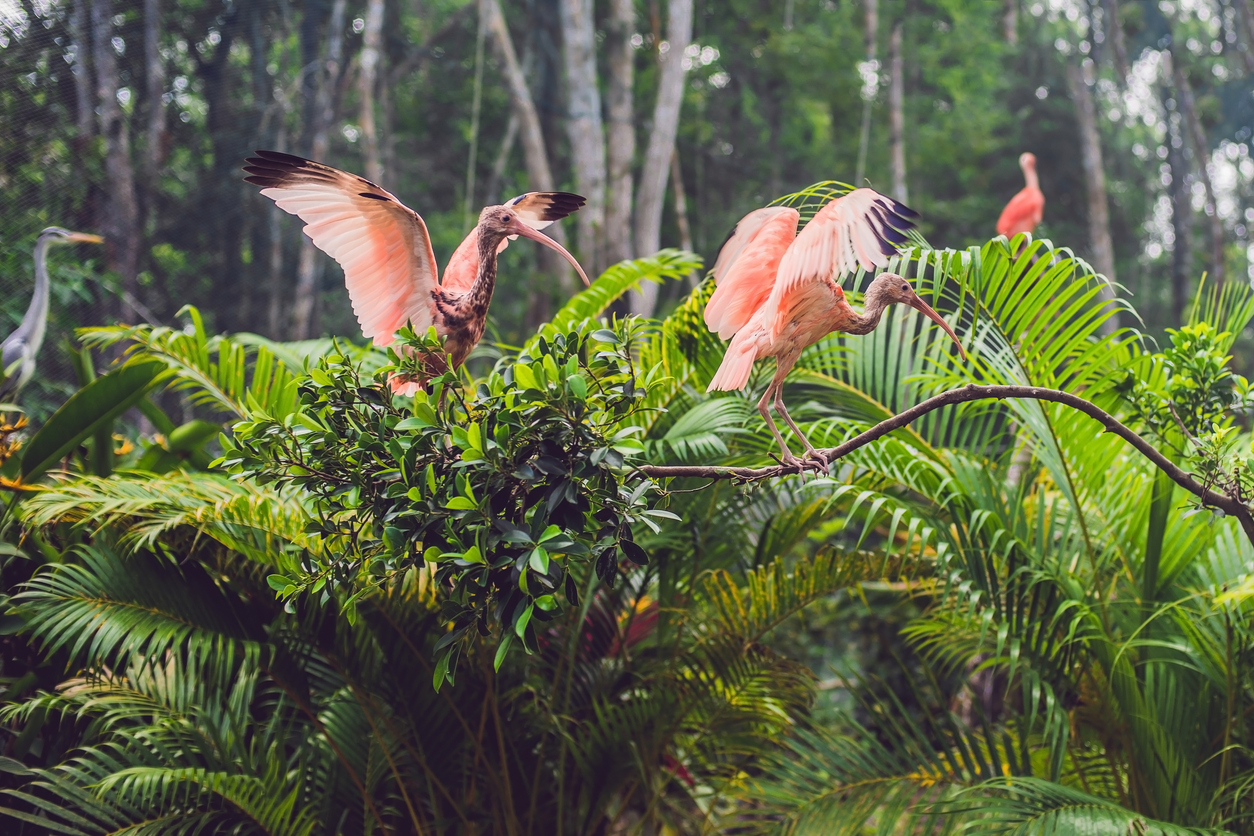
The Bali Bird Park (Gianyar) is a great family-friendly attraction. It’s home to over 250 bird species from around the world – including many Indonesian species and the critically endangered Bali starling. Stroll through seven themed aviaries (rainforest, Bali, Papua, etc.), where colorful hornbills, flamingos, parrots and peacocks roam. Watch feeding shows or the famous bird-and-komodo dragon exhibits.
Why it’s worth it: It combines fun and conservation. Guests can see Bali’s rare birds (like the white-crested hornbill) up close, and the park’s work with endangered birds (like the Bali mynah) is important. The landscaped gardens are beautiful too, with ponds and palms giving a taste of Bali’s nature. For those with kids (or anyone who loves animals), this is a hands-on way to spend an afternoon.
Tips: The park can be hot; visit in the morning when birds are most active. Take a scheduled feeding show (fruit-feeding sessions and free-flight demonstrations are very engaging). You can also have lunch at the park’s restaurant. Don’t miss the Komodo Experience (you see real Komodo dragons!). Plan about 2–3 hours here. If you like photography, the hornbills (as shown) make vivid portraits. Coming here rounds out any Bali trip by highlighting the island’s wildlife beyond just beaches and temples.
Bali Safari & Marine Park
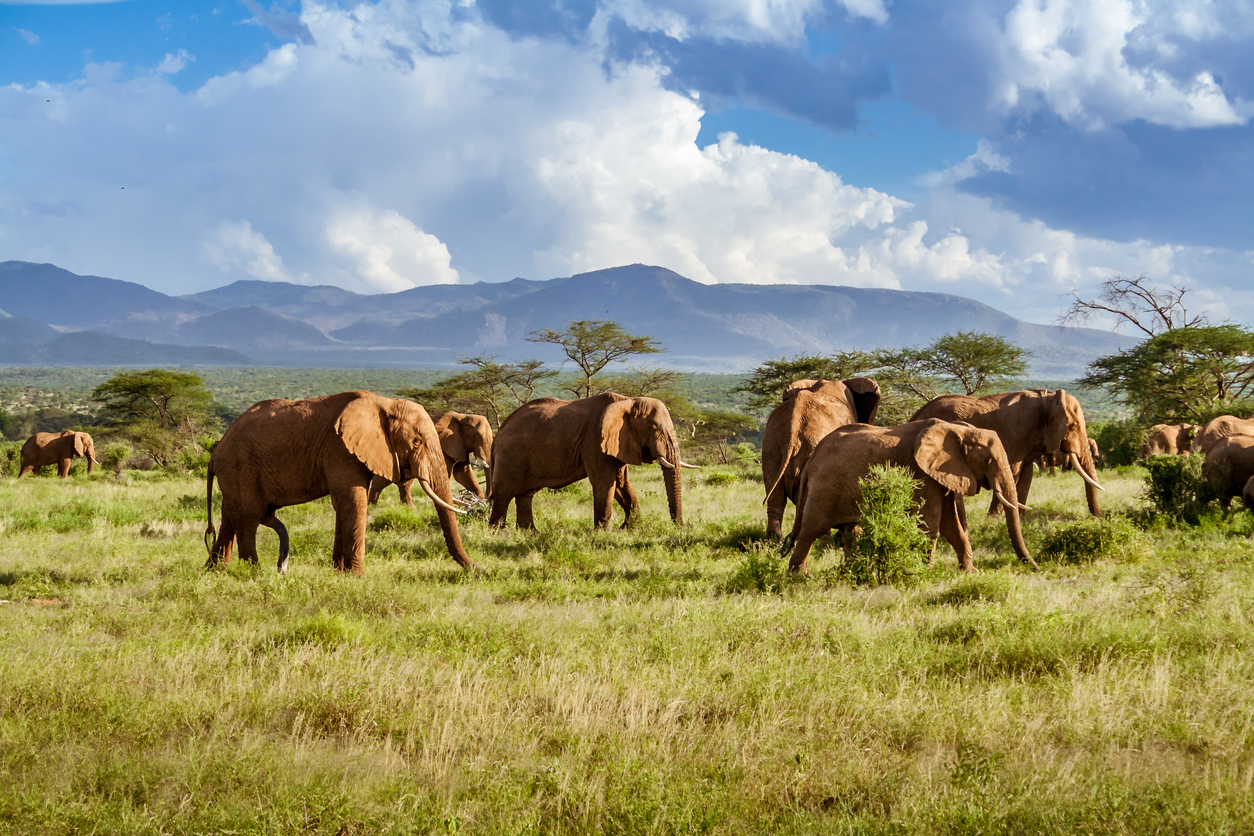
Bali Safari and Marine Park (in Gianyar) is the island’s largest zoo-safari. It houses around 1,000 animals of 100+ species. Guests take an open-air truck safari through habitats representing Indonesian, Indian and African wildlife. You might see komodo dragons, Sumatran tigers, orangutans, elephants and more up close. The park also has a water park, fun zone, and a night safari experience.
Why it’s worth it: It’s a full-day family destination. Combining a theme-park vibe with conservation, it offers animal shows (like elephant bath or bird of prey performances) and interactive programs (feeding giraffes or elephant rides). The African-themed Mara River Lodge even lets you stay overnight among the animals.
Tips: Book the “Explorer Tour” for a full buffet lunch and best safari seats. Arrive in the morning to see animals before they nap. Wear comfortable clothes and bring binoculars. There is also a Marine Park section (with an aquarium and dolphin show). Even if you skip the water park, check out the Rainforest Trail area. The Safari Park experience shows a different side of Bali – one that educates on wildlife and conservation. It’s a great activity, especially if you’re traveling with kids who will love the excitement of a real “safari” in Bali.
Coffee Plantation and Kopi Luwak Tasting
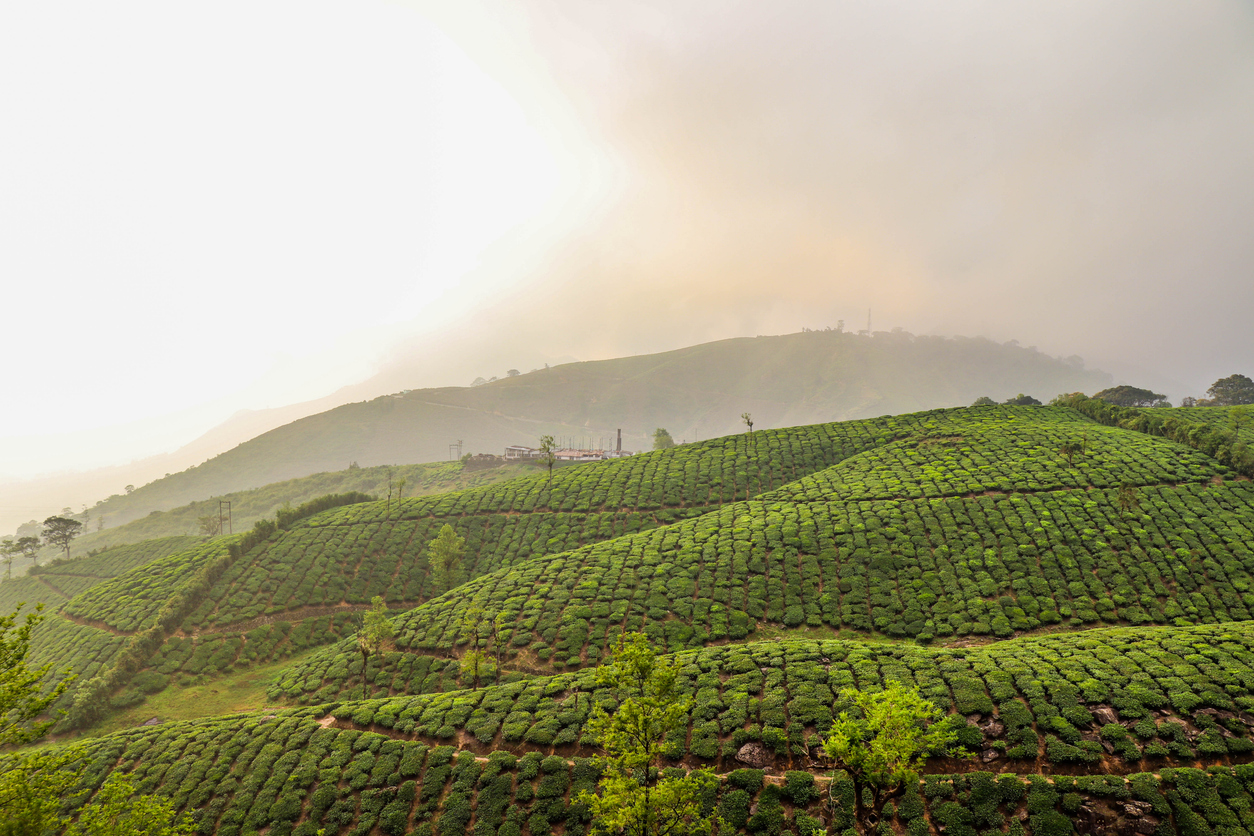
Take a scenic trip into Bali’s mountain villages to visit a coffee plantation. Bali produces kopi luwak (civet coffee) – beans eaten and excreted by the Asian palm civet. On plantation tours, local farmers show you how they sort, wash and roast the beans. You can sample Bali’s volcanic-roasted coffee, including the rare civet variety.
Why it’s worth it: It’s a taste of Bali’s agrarian side. The plantations are often set in lush gardens with views of rice fields or volcanoes. Tasting fresh Balinese coffee, ginger tea and fruit juices there is relaxing. And trying civet coffee (no animals involved in modern farms) is a novelty – it’s very smooth and mild.
Tips: Many plantation tours also include spice and cacao trees. Don’t miss savoring balí kopi susu (coffee with sweetened condensed milk) made Bali style. If ethical concerns about kopi luwak bother you, focus on the other local brews (long black, chocolate coffee). These tours often pair well with a visit to Ulun Danu Temple or Jatiluwih; they’re typically organized in the cooler highlands of Kintamani or Bedugul. A helpful tip: if you’ve got more time, consider volunteering at a farm or hiking nearby – these villages are tranquil and authentic.
Balinese Spa and Massage

Bali is renowned for its wellness culture. Don’t miss a traditional Balinese massage – a signature spa treatment. This massage style combines gentle stretching, acupressure and aromatherapy. Skilled therapists use long, flowing strokes that relieve tension and balance the body’s energy.
Why it’s worth it: After all the exploring, your muscles will thank you. Bali spas (from luxury resort spas to modest warungs) focus on natural techniques and ingredients. Many tourists report feeling completely refreshed. A classic treatment is the lulur body scrub followed by a flower bath – both very relaxing cultural experiences.
Tips: Book at least an hour or two for a full session; popular spas can get booked up (especially evening). Wear loose clothes, and drink lots of water afterwards. If you’re sore from activities, add a hot-stone or deep-tissue option. For authenticity, try a spa that incorporates traditional architecture and garden pools. Remember to tip around 10% if service charge isn’t included. Whether it’s a couple’s massage overlooking a rice field or a simple roadside spa under bamboo, a Balinese massage is a soothing way to immerse in local wellness traditions.
Yoga and Wellness Retreat

Bali, especially Ubud, is a global yoga hub. There are countless studios and retreats offering daily classes, from traditional Hatha to Aerial Yoga. Popular places include the Yoga Barn or Radiantly Alive in Ubud. You can drop into a class for a few dollars or join a week-long retreat. Many resorts also offer complimentary yoga by the pool each morning.
Why it’s worth it: Bali’s serene rice-terrace backdrops make yoga extra peaceful. It’s one of those Bali activities where mind and body both feel vacationed. You’ll meet a mix of travelers and locals, often followed by healthy smoothie or vegan treats at studio cafes.
Tips: Even beginners can find welcome classes, just let the instructor know your level. Bring a towel or mat if you have one (rentals are common too). Try a sunrise or sunset class for beautiful natural light. If you have time, balance an adventure day with a long yoga stretch day – it’s a hallmark of a balanced Bali trip.
Conclusion
Bali truly has something for every traveler – a mix of adventure, relaxation, and culture. From high-flying Balicopter helicopter tours to serene temple ceremonies, each of the above 30 activities is worth experiencing. Use this guide to plan your itinerary: with local tips and insights in hand, you’ll know what to expect and how to make the most of each one. So start booking those Bali activities, pack your bags, and prepare to discover the magic of Bali on your next trip. Enjoy your Bali adventure – selamat jalan!
See more Blog Posts





.svg)

.svg)
.svg)
.svg)

