





Sangeh Monkey Forest – Bali’s Hidden Jungle Sanctuary Beyond the Crowds


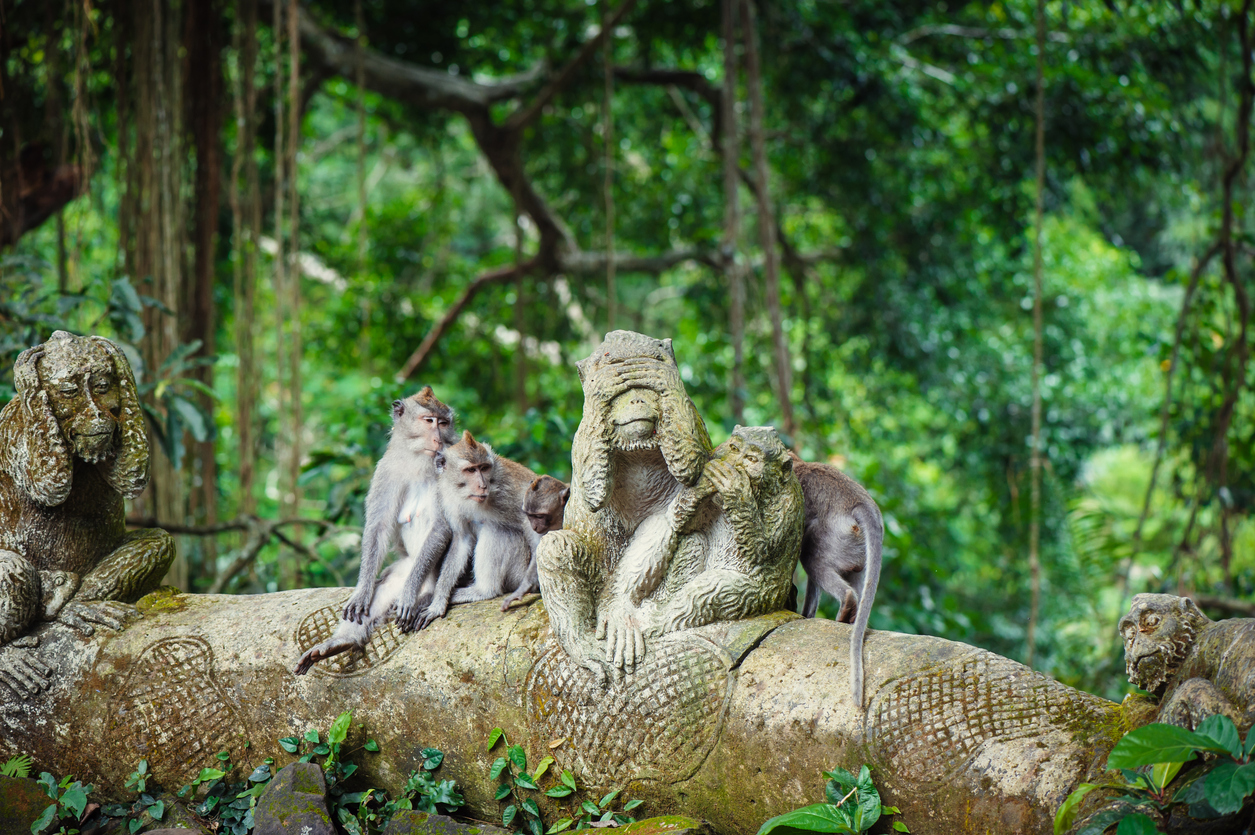
While most travelers in Bali instinctively head toward Ubud when they hear the words “monkey forest,” there is another sanctuary that feels quieter, older, and somehow more mysterious. Sangeh Monkey Forest sits west of Ubud, wrapped in towering nutmeg trees and village life, offering an experience that feels less staged and more atmospheric. If you’re searching for a place where jungle silence replaces traffic noise and where monkeys roam through sacred grounds instead of souvenir shops, this is it.
Unlike the bustling Sacred Monkey Forest in Ubud, Sangeh Monkey Forest Bali delivers something subtler. The paths feel wilder, the crowds thinner, and the forest canopy denser. It’s not just another stop on a Bali itinerary — it’s a place where you slow down, listen to rustling leaves, and notice the layered scent of earth and nutmeg drifting through the air.
This guide covers everything you need to know before visiting: location, entrance fees, opening hours, what makes the nutmeg forest unique, how it compares to Ubud, safety tips, nearby attractions, and even how to reach it by helicopter if you prefer to skip Bali’s traffic. If you’re wondering whether Sangeh Monkey Forest is worth visiting — especially compared to other monkey sanctuaries — you’ll find a detailed answer here.
Where Is Sangeh Monkey Forest in Bali?
Sangeh Bali is located in Badung Regency, approximately 20–25 kilometers west of Ubud and about 45 minutes to one hour by car, depending on traffic. The village of Sangeh itself feels calm and rural, surrounded by rice fields and small local compounds rather than tourist infrastructure. That setting immediately shapes the experience: arriving here feels like entering a local landscape rather than a commercial attraction.
If you’re staying in Ubud, the drive is straightforward and scenic, winding past traditional villages and farmland. From Canggu or Seminyak, the journey takes roughly 60–90 minutes, while from Nusa Dua it can take up to 1.5–2 hours during peak traffic. Because Sangeh Monkey Forest Bali is not centrally located like its Ubud counterpart, most visitors arrive by private driver, scooter, or organized tour.
There is parking available near the entrance, and the site is clearly marked. Google Maps navigation is accurate, and most drivers in Bali are familiar with “Monkey Forest Sangeh” as a destination. The slightly remote location is precisely what keeps the forest feeling less crowded and more authentic.
What Makes Sangeh Monkey Forest Unique?
At first glance, you might assume that all monkey forests in Bali are similar. However, Sangeh Monkey Forest stands apart due to its ecological and spiritual character. The sanctuary covers approximately 40 hectares and is dominated by towering nutmeg trees, some of which are believed to be centuries old. This is often referred to as the Sangeh nutmeg forest, and it creates a darker, denser canopy than you’ll find in Ubud.
The trees here are not decorative additions; they form the backbone of the forest’s identity. Their roots twist dramatically above the ground, creating natural sculptures along the pathways. When sunlight filters through the leaves, it produces a soft, green glow that feels almost cinematic. The atmosphere is quieter, and the scale of the trees adds a sense of ancient permanence.
Another defining feature of Sangeh Monkey Forest Bali is the presence of Pura Bukit Sarih, a sacred temple complex located within the forest grounds. The temple adds spiritual depth to the visit. Unlike heavily photographed temples closer to tourist hubs, this one feels integrated into daily village life. Local ceremonies still take place here, reinforcing the idea that this is not simply a wildlife park but a living cultural space.
The Monkeys of Sangeh
The forest is home to several hundred long-tailed macaques. These monkeys are accustomed to human presence but generally behave less aggressively than those in busier tourist areas. Because visitor numbers are lower, feeding patterns are more regulated and competition among monkeys appears less intense.
As in any monkey forest, you should avoid bringing visible food, shiny jewelry, or loose accessories. The monkeys are intelligent and curious. However, many travelers report that interactions in Monkey Forest Sangeh feel calmer and more observational rather than confrontational. Rangers are present throughout the forest, and they monitor interactions to ensure safety.
Watching the macaques move through the nutmeg canopy is one of the highlights of the visit. They leap between branches, groom one another on stone walls, and occasionally approach visitors out of curiosity. If you remain calm and avoid direct eye contact or sudden movements, encounters tend to remain peaceful.
Sangeh Monkey Forest Entrance Fee & Opening Hours
One of the practical considerations before visiting Sangeh Monkey Forest is understanding ticket prices and visiting times. The Sangeh Monkey Forest entrance fee is generally lower than that of the Ubud sanctuary, making it an appealing option for budget-conscious travelers seeking a similar yet quieter experience.
Ticket prices vary slightly for domestic and international visitors, but they are typically affordable. Children receive discounted rates. It’s recommended to bring cash, although some payment methods may be accepted depending on recent updates.
The Sangeh Monkey Forest opening hours usually run from morning until late afternoon, often around 8:00 AM to 5:00 PM. Arriving earlier in the day offers cooler temperatures and more active monkey behavior. The forest can feel particularly atmospheric in the morning light when mist still lingers beneath the canopy.
Because opening hours can occasionally change due to ceremonies or local events, checking recent reviews or confirming with your driver is wise before planning your visit.
What to Expect When Visiting
Walking through Sangeh Monkey Forest Bali feels immersive. The main trails are well-maintained but not overly developed. Wooden walkways, stone steps, and shaded clearings create a loop that most visitors complete in about 60 to 90 minutes. The forest is large enough to feel expansive yet compact enough to explore comfortably in half a day.
The air inside the Sangeh nutmeg forest is noticeably cooler than surrounding areas. The canopy blocks much of the direct sun, creating a natural climate buffer. Photographers will appreciate the interplay of light and shadow, particularly around the temple structures and ancient tree roots.
The overall experience is quieter than Ubud. You may encounter small tour groups, but rarely the density seen in central Bali attractions. That slower pace allows for more contemplative exploration and uninterrupted photography.
Things to Do Around Sangeh Bali
Visiting Sangeh Bali can easily be combined with nearby attractions. Taman Ayun Temple, a UNESCO-listed water temple in Mengwi, is only about 20 minutes away. Pairing these two sites creates a culturally rich half-day excursion.
The surrounding countryside is dotted with rice fields and small villages. Some travelers choose to explore by scooter, stopping at roadside warungs for coffee or lunch. Because the area is less commercialized, it offers glimpses of daily Balinese life away from major tourist corridors.
If you are building a central Bali itinerary, consider combining Sangeh Monkey Forest Bali with a visit to Tanah Lot at sunset or a countryside drive toward Bedugul’s cooler mountain climate. The region is well-positioned for flexible route planning.
Helicopter Tours to Sangeh and Beyond
For travelers seeking a premium perspective, helicopter transfers offer a completely different way to experience central Bali. Instead of navigating traffic from Canggu, Ubud, or Nusa Dua, you can reach Sangeh Monkey Forest in minutes while enjoying panoramic aerial views.
Balicopter provides private helicopter charters and scenic flights across Bali, allowing travelers to arrive at or near Sangeh quickly and comfortably. A helicopter journey reveals rice terraces, temple complexes, volcanic landscapes, and the coastline in a single sweeping route. For those short on time or celebrating a special occasion, this transforms a simple forest visit into a luxury experience.
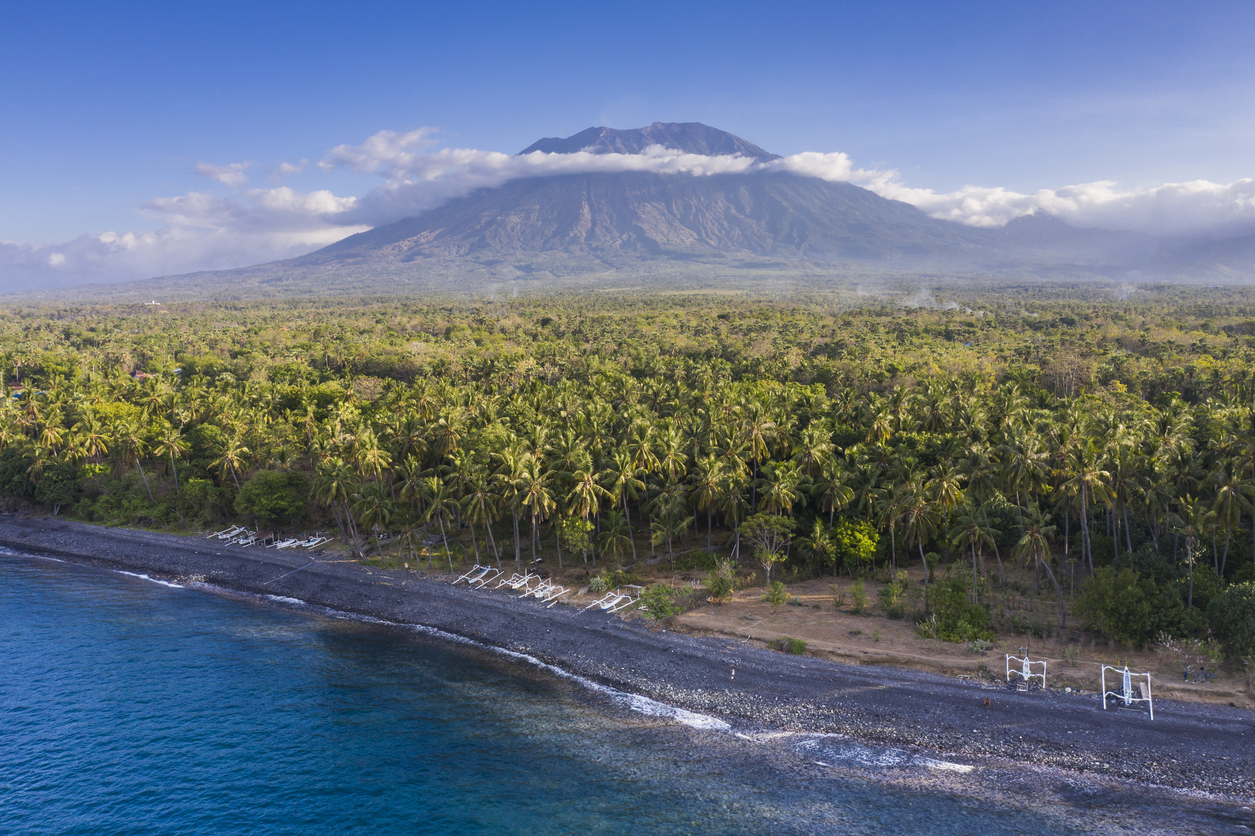
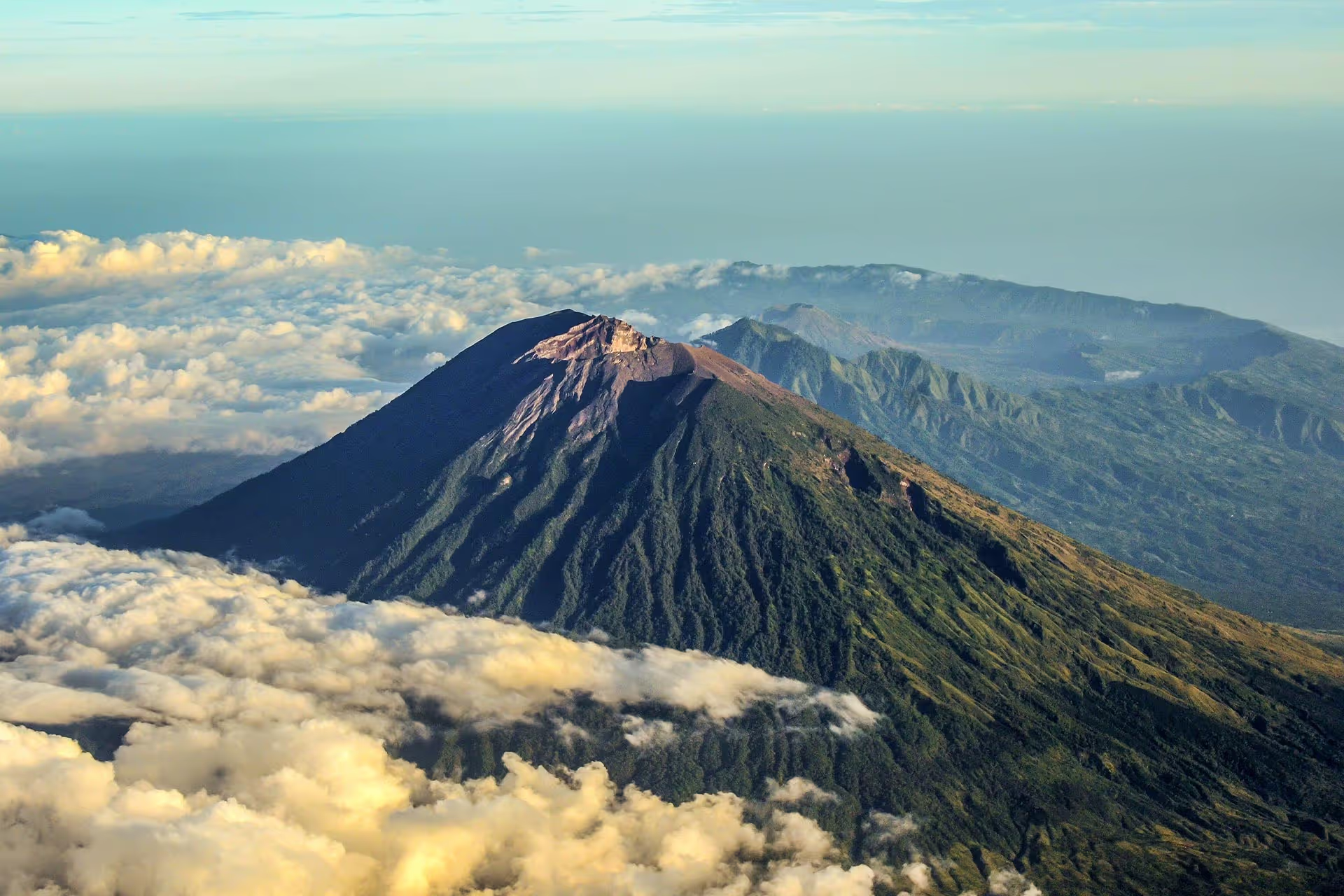
Beyond Sangeh, helicopter flights can connect you to Tanah Lot, Uluwatu cliffs, Mount Agung viewpoints, and hidden beaches. This option is particularly appealing for photographers and couples seeking unique travel moments. Combining a morning helicopter flight with an afternoon walk through Sangeh Monkey Forest Bali creates a dynamic contrast between aerial drama and jungle immersion.
Related Tours


Is Sangeh Monkey Forest Worth Visiting?
If you are looking for a quieter alternative to Bali’s busiest attractions, the answer is yes. Sangeh Monkey Forest delivers natural beauty, cultural context, and wildlife encounters without overwhelming crowds. The nutmeg canopy alone sets it apart visually from other forest sanctuaries.
Travelers who prioritize convenience and central access may still prefer Ubud. However, those willing to travel slightly farther often find Monkey Forest Sangeh more atmospheric and less commercial. It feels like stepping into a preserved ecosystem rather than a curated park.
In practical terms, the affordable Sangeh Monkey Forest entrance fee, manageable walking paths, and scenic rural setting make it suitable for families, couples, and solo explorers alike. If you have time for only one monkey sanctuary and value serenity, Sangeh is a strong contender.
Practical Travel Tips
Wear lightweight clothing and comfortable shoes, as humidity inside the Sangeh nutmeg forest can be noticeable. Avoid carrying plastic bags or visible snacks. Keep sunglasses secured and phones firmly in hand when taking photos.
Arrive early to enjoy cooler temperatures and fewer visitors. Bring water but keep it stored in a bag. If traveling during Bali’s rainy season, expect muddy patches along some trails.
Respect temple areas within Sangeh Monkey Forest Bali. If a ceremony is taking place, observe quietly and follow any guidance from local staff. Remember that this forest is both a wildlife habitat and a sacred space.
Final Thoughts
Bali offers countless jungle experiences, yet Sangeh Monkey Forest remains one of its most understated gems. The towering nutmeg trees, quieter monkey interactions, and rural setting create a distinct atmosphere that feels worlds away from heavily touristed areas.
Whether you arrive by scooter, private driver, or helicopter transfer with Balicopter, the experience rewards those who appreciate slower exploration. Comparing Sangeh vs Ubud Monkey Forest ultimately comes down to personal travel style. If your ideal Bali memory includes filtered green light, ancient roots, and the rustle of macaques overhead, Sangeh deserves a place on your itinerary.
For travelers seeking authenticity, space, and a sense of discovery, Sangeh Monkey Forest Bali is not just an alternative — it may quietly become your favorite jungle sanctuary on the island.
See more Blog Posts



.svg)

.svg)
.svg)
.svg)

