





Outdoor Activities in Bali: The Ultimate Adventure & Nature Guide


If you’re planning a Bali adventure and want the best outdoor activities in Bali, you’re in the right place. This island paradise offers endless outdoor fun – from soaring over volcanoes in a helicopter to snorkeling with manta rays, hiking lush jungles, and even water-splashing thrills at world-class parks. Whether you’re seeking adrenaline-pumping excitement, family-friendly fun, or serene nature experiences, Bali has it all. In this guide, we’ll cover the full spectrum of Bali’s outdoors, including water sports, hikes, adventure sports, wildlife encounters, cultural nature outings, and even hidden gems. We’ll start with a truly unique experience – helicopter tours over Bali – and then dive into water, land, and sky activities to make your trip unforgettable.
Helicopter Tours in Bali: See the Island from Above with BaliCopter
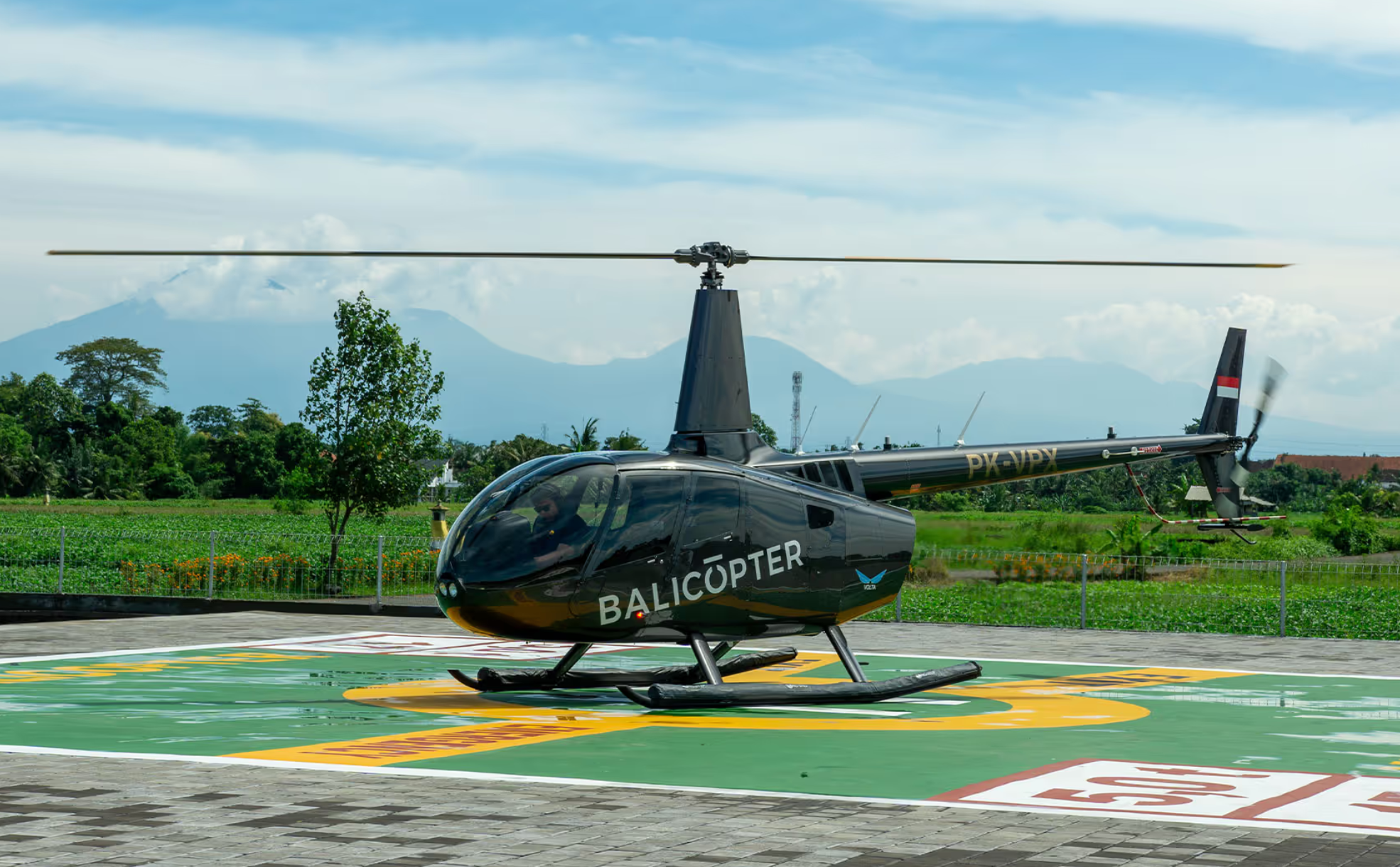
One of the most spectacular outdoor activities in Bali is taking to the skies with a helicopter tour. Imagine floating high above emerald rice terraces, dramatic volcanoes, and turquoise reefs. Balicopter, a premium Bali helicopter provider, offers top-notch aerial experiences tailored to thrill-seekers and luxury travelers alike. Their fleet is brand new – including factory-fresh Bell 505 and Robinson R66 helicopters built specifically for tours. These state-of-the-art aircraft have spacious, panoramic cabins designed for sightseeing. From your comfortable seat, you’ll enjoy uninterrupted 180° views of Bali’s most iconic landmarks – think fiery volcanoes at dawn, the massive GWK statue, and sweeping coastline vistas.
Safety and professionalism are paramount on Balicopter flights. The company employs top-class pilots with years of advanced training, ensuring your ride is smooth, safe, and fun. In fact, Balicopter operates under strict international safety standards, with regular maintenance and inspections so you can relax completely. As one testimonial put it: “It was organized at the highest level — great safety briefing, polite and friendly staff!”. On every flight, you’ll receive a thorough safety briefing and have a guide help you with gear, then enjoy the adventure worry-free.
The views from a Bali helicopter tour are jaw-dropping. You’ll soar over active volcanoes, see the caldera lake at Mount Batur, and gaze down at emerald rice terraces and sparkling temples on cliffs. Coastal flights hug white-sand beaches and coral reefs, perfect for epic photos. And because Balicopter’s jets are built for tours, you’ll be able to take stunning aerial photos through large windows without obstruction. It’s truly a once-in-a-lifetime Bali adventure.
Balicopter offers a range of experiences, from quick coastline “thrill rides” to longer sightseeing tours of Nusa Penida or even volcano picnic excursions. Every flight uses brand-new helicopters, maintained to the highest standards from day one. With groups as small as 2 passengers, you’ll get a personalized, luxurious vibe (imagine your own private sky limo!). Better yet, hotel pickup and drop-off are usually included for convenience.
Ready to elevate your Bali trip? Book a helicopter tour with Balicopter today and prepare for a breathtaking adventure above the clouds. Whether it’s for romance, sightseeing, or just pure fun, flying Bali’s skies is an unforgettable outdoor activity that tops any bucket list.
Related Tours


.jpg)
Water Sports in Bali: Surf, Snorkel, and Splash Around
Bali is famous for its beaches, and unsurprisingly the water sports opportunities are endless. If you’re wondering what to do in Bali on the water, think beyond sunbathing – the island is a playground for marine adventures. You can go snorkeling or scuba diving in crystal-clear reefs, ride the waves on a surfboard, plunge down water slides, or even walk on the ocean floor.

For snorkeling Bali offers world-class spots. Marine lovers flock to places like Nusa Lembongan and Nusa Penida, where you can swim with colorful reef fish and majestic manta rays (especially at spots like Manta Bay) during Bali adventure tours. Guided snorkeling trips often include visits to Manta Point, where gentle manta rays glide by year-round. Adiversity of tropical fish, turtles, and even sunken ships (like the USS Liberty wreck at Tulamben) make snorkeling and scuba diving among the most popular outdoor activities in Bali. One travel guide notes that water activities include “snorkeling and scuba diving to surfing, cruising and sea walks” – in other words, the island caters to all types of sea lovers.
Surfing in Bali is legendary. The island’s southern coast, especially around Kuta, Seminyak, and Uluwatu, is dotted with surf breaks suitable for everyone from beginners to pros. Gentle rolling waves at Kuta Beach are perfect for first-timers taking surf lessons, while the world-famous Uluwatu and Padang Padang cliffs challenge experienced riders. Bali’s surf scene is very social and family-friendly – many surf schools will get kids paddling the waves in a safe lagoon. In fact, Bali is “famous for offering you surfing points – presenting a perfect amalgamation of sea, sun and serenity”. When planning your Bali adventure, don’t miss a chance to catch some waves or at least cheer on surfers at sunset.

If big waves aren’t your thing, Bali still has plenty of fun water rides. In South Bali’s Tanjung Benoa and Sanur beaches, adventure-seekers can try parasailing high above the ocean, jet skiing along the shore, or riding inflatable floats. Banana boats and “rolling donuts” (circular towed rafts) are great for groups and will guarantee lots of laughs (and maybe some spectacular belly-flops!). Travel vendors often package these: one provider writes that Bali water sports include banana boat rides, jetskiing, parasailing, and even “fly boards”. A top destination for these is Tanjung Benoa, a bustling peninsula lined with water-sports operators (many shuttle tours will include Tanjung Benoa in their highlights of things to do in Bali).
For family fun (or simply thrill-seekers of all ages), don’t skip Waterbom Bali – Asia’s top-rated water park. Set in Kuta’s lush gardens, Waterbom has 26 waterslides across 5.1 hectares of tropical grounds. From gentle kids’ rides to adrenaline-pumping slides, plus lagoon-style pools and lazy rivers, it’s a full day of splashy entertainment. The park was even voted Asia’s best water park (Tripadvisor 2023). With on-site cafes and lush lounging areas, Waterbom shows that Bali’s outdoors can be thrilling and relaxing at once.
Another unique aquatic activity is sea walking with a helmet – a kind of “walking tour” on the ocean bottom. Tours around Bali allow you to descend in a transparent helmet with an oxygen supply, walking on the seabed among coral and fish. Tanjung Benoa and nearby Sanur offer these sea-walker experiences. It’s a fantastic way, especially for non-swimmers or kids, to get up-close with Bali’s marine life.
Ocean cruises and fishing charters are also an option. You could take a day cruise to Nusa Penida, enjoy dolphin-watching off Lovina beach at sunrise, or even try fly-fishing on Bali’s coast. But the gist is: Bali’s water is brimming with activities for any thrill or chill level, making it a top spot for water sports enthusiasts.
Hiking and Trekking in Bali: Volcanoes, Waterfalls, and Jungle Trails
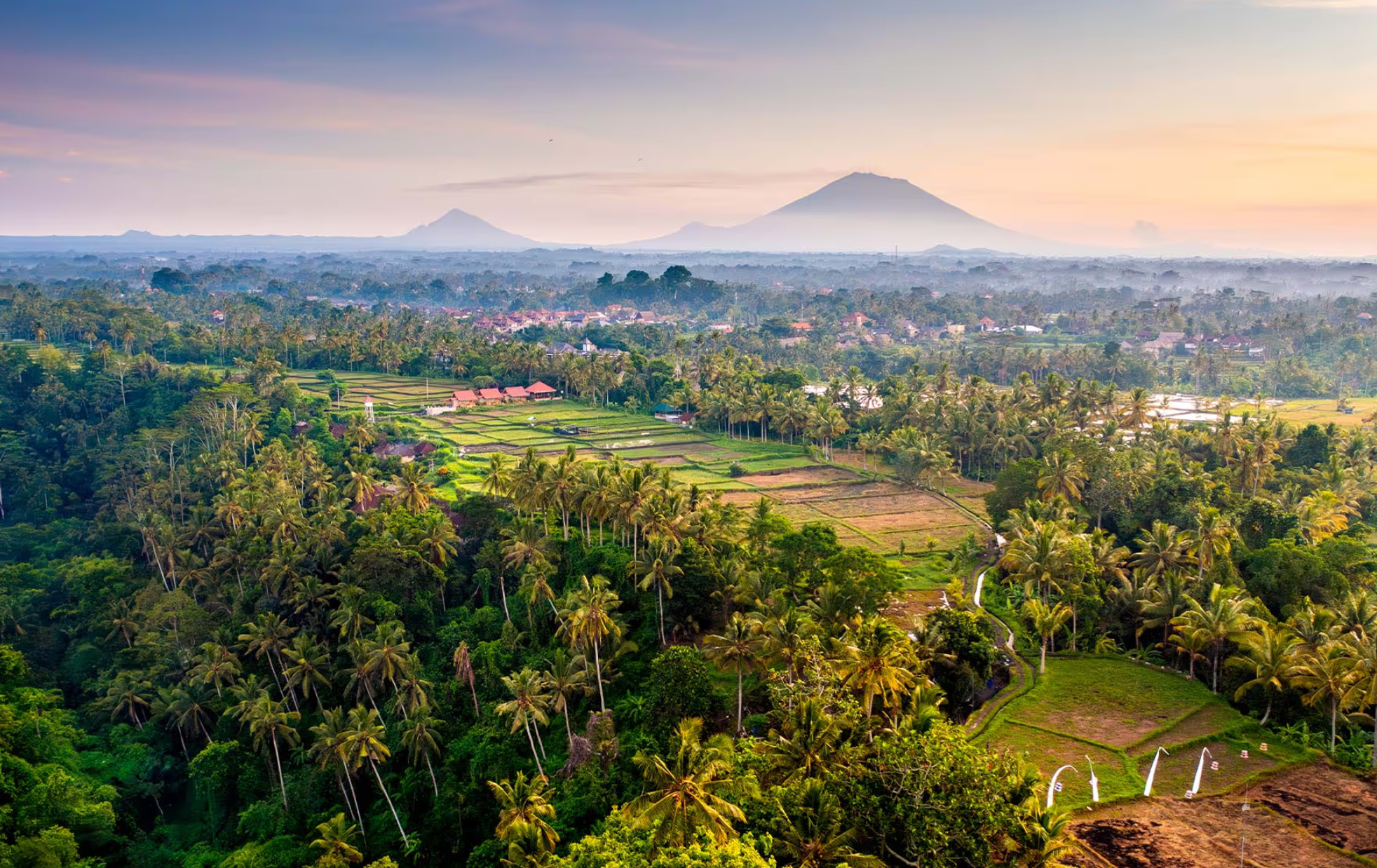
Bali’s landscape is wildly varied – from towering volcanoes to jungle valleys – and hiking is one of the most rewarding ways to explore it. Hiking Bali ranges from dawn treks up active volcanoes to gentle walks through rice terraces. For many travelers, a sunrise climb of Mount Batur is a must-do Bali adventure. This 1,717-meter volcano is an active peak with a crater lake. The ascent (usually started around 2–3 AM) takes 2–3 hours along a steep but well-traveled trail. The payoff? A fiery tropical sunrise spilling over misty peaks and the sparkling lake below – often described as “one of the most amazing sights” you’ll see. Guides share the path, and along the way you might even spot mischievous macaque monkeys foraging on the slopes. (On the descent, many tours include a stop at hot springs nearby for a relaxing soak.) Mount Batur may be challenging, but it’s doable for most fit visitors, and the views are truly magical.
Bali’s highest peak is Mount Agung (3,031 meters). This sacred volcano dominates the eastern skyline. Serious hikers sometimes tackle its steep trails (a long and strenuous climb taking 6–7 hours) for a spectacular summit view. On a clear day, from the top of Agung you can even see Mount Rinjani on Lombok far away. Because Agung is active, conditions vary and climbing it can be considered a true adventure. Even if you don’t summit, visiting nearby Besakih Temple (the “Mother Temple” on Agung’s flank) or simply viewing Agung from afar adds a mystical cultural touch to your outdoor itinerary.
Just west of Agung lies Mount Batur, which we covered, and just north is Mount Abang and Mount Batukaru. Mount Batukaru, at 2,276 m, is Bali’s second-highest peak. Its trails wind through dense rainforest, bamboo groves, and past Hindu temples at the peak. Batukaru is much quieter and more off-the-beaten-path than Batur or Agung. Hikers report it’s a “real challenge” but rewarding – the summit is a plateau with temples and, on a clear day, gorgeous views of the valley below. Tropical birds and deer are often seen along the way. If you’re looking for an authentic, jungle-style Bali trekking experience away from crowds, Batukaru delivers. (Note: guides are available, but some routes are hike-alone friendly. Permit required.)
For easier nature treks, the Campuhan Ridge Walk in Ubud is perfect for anyone. This is a paved ridge-top trail through rolling green hills just outside Ubud town. The path is well-maintained and mostly flat, making it an “easy hike” even for families. Along the 2–3 km trek you’ll see lush tropical foliage, palm trees, and distant rice fields. It’s a lovely spot for a morning walk or sunset stroll – and many hikers end the walk at the scenic Karsa Kafe overlooking rice terraces.

Another UNESCO-recognized nature spot is the Jatiluwih Rice Terraces. Spread over hundreds of lush hectares in Central Bali, these terraces represent the traditional Subak irrigation system. The area offers a network of marked walking trails of varying lengths through the emerald fields. You can choose from short 30-minute loops to longer 3–4 hour treks. The views are picture-perfect: layers of green rice paddies sloping down wooded hills, often framed by distant volcanoes. Hiking Jatiluwih immerses you in rural Balinese scenery and culture – you might pass local farmers working in the fields or sip tea at a warung overlooking the terraces. A guide or just a good map can help you pick a route (the Red Line track is an easy 30–45 minute walk through the heart of the fields).
Waterfall hikes are another highlight. Bali has dozens of beautiful falls hidden in the jungle. One of the most famous is Sekumpul Waterfall in northern Bali. Often called Bali’s most stunning cascade, Sekumpul actually consists of several falls plunging into a green valley. Reaching it involves a 30–60 minute trek along stone and forest paths. Guides are now required for Sekumpul (and it’s recommended) to navigate the paths and ensure safety. Many say Sekumpul is “one of the best attractions in Bali” due to its beauty. Nearby are the equally scenic Aling-Aling and Fiji waterfalls if you’re up for double- or triple-hikes in a day.
Closer to the south, you can trek to Tegenungan Waterfall or Kanto Lampo, which are easily accessible and make great photo stops. Even hidden canyon tours in places like Beji Guwang (near Ubud) offer guided hikes through narrow gorges with cascading falls and cliff jumps – definitely an adventure for thrill-seekers.
In summary, Bali’s hiking opportunities cover all levels. You can feel like an explorer on a volcano trail, or wander at your own pace along easy nature paths. These outdoor activities in Bali put you in touch with the island’s epic scenery and stillness – a perfect counterpoint to the beaches and parties.
Family-Friendly Outdoor Attractions in Bali
Bali isn’t just for adrenaline junkies; it’s very family-friendly too. If you’re traveling with kids (or just young-at-heart friends), there are plenty of outdoor activities in Bali that everyone can enjoy together.
First up, theme and water parks. Aside from Waterbom mentioned earlier (which is great for older kids and teens), Bali has Splash Water Park in Canggu and Circus Waterpark near Kuta, both catering to families. These smaller parks have slides and shallow pools suitable for little ones. There are also dinosaur parks like Bali Safari & Marine Park’s Fun Zone or Le Mayeur Memorial Park with kid-friendly rides.
Speaking of the Bali Safari & Marine Park, it’s a must-visit for families. This large conservation park houses over 100 species of animals from Indonesia, Africa, and India. You can take a “Safari Journey” tram ride through spacious exhibits and see lions, elephants, zebras, rhinos, and more roaming in naturalistic settings. The park also has scheduled animal shows and feeding sessions that engage kids (and adults!) and a small water play area called Fun Zone. One of the package tours is called “Jungle Hopper” and it promises a “memorable tour and education experience among the more than 100 species of animals housed at the park”. For an extra treat, the park offers a chance to ride elephants through a mini jungle (for a fee), or enjoy a buffet lunch at a restaurant inside the park with a view of the grazing animals. It’s a great mix of wildlife and culture: don’t miss the evening “Bali Agung” performance at the park, a spectacular dance show depicting Balinese legends (though that’s more theatre than outdoors).

Near Ubud, the Mason Elephant Park & Lodge (Taro Elephant Park) provides another family fun spot. You can feed and bathe gentle rescued elephants in a natural river setting – a rare and heartwarming experience. It’s as close as Bali gets to an elephant safari.
For animal lovers, Bali Bird Park in Gianyar has hundreds of colorful birds from Indonesia and beyond, including parrots, hornbills, and hornbill shows you can watch. The nearby Bali Zoo and Bali Reptile Park let kids get up close to animals on a more intimate scale – even petting a friendly deer or feeding giraffes in some cases.

Outdoor cultural experiences can also be family-friendly. For example, visiting the rice terraces of Tegalalang (near Ubud) lets children roam grassy trails and swing from famous bamboo swings over the valley (for a fun photo-op). Many rice-field cafes there have gardens and play areas for kids. Nearby is the Campuhan Ridge Walk (mentioned above), which is stroller-friendly in parts and lovely for a family hike.
Another family hit is the Bali Botanic Garden in Bedugul. It’s India’s largest garden (over 157 hectares) and has themed sections like an orchid house, bamboo garden, and butterfly park. Families can picnic in the cool mountain air and kids can explore wide lawns. As [42] notes, the garden houses over 21,000 plant specimens of 2,400 species – a mini jungle to wander through. It’s educational too, with many informative signs about Bali’s native plants. From the garden, you can see scenic Lake Bratan and the iconic Ulun Danu Temple on the lakeshore.
Don’t overlook water palaces like Tirta Gangga and Taman Ujung. These are historic royal gardens with ponds and fountains. Kids love wading in shallow pools among stone statues and big koi fish. The lush grounds and views of mountains make it a peaceful outdoor outing for families.
Finally, Bali has unique experiences like turtle sanctuaries, where you can learn about and sometimes release baby sea turtles – perfect for a family that cares about nature. Or head to a black-sand beach to look for sea turtle nests (Serangan Island or Perancak beach) at night, guided by conservation volunteers.
In short, things to do in Bali with family span waterparks and safari rides to gentle hikes and conservation activities. The best outdoor activities in Bali often let kids play and learn in nature at the same time.
Adventure Sports in Bali: Rafting, Canyons, and Aerial Thrills
Looking for heart-racing thrills? Bali won’t disappoint. Several adventure sports push the adrenaline to the max.
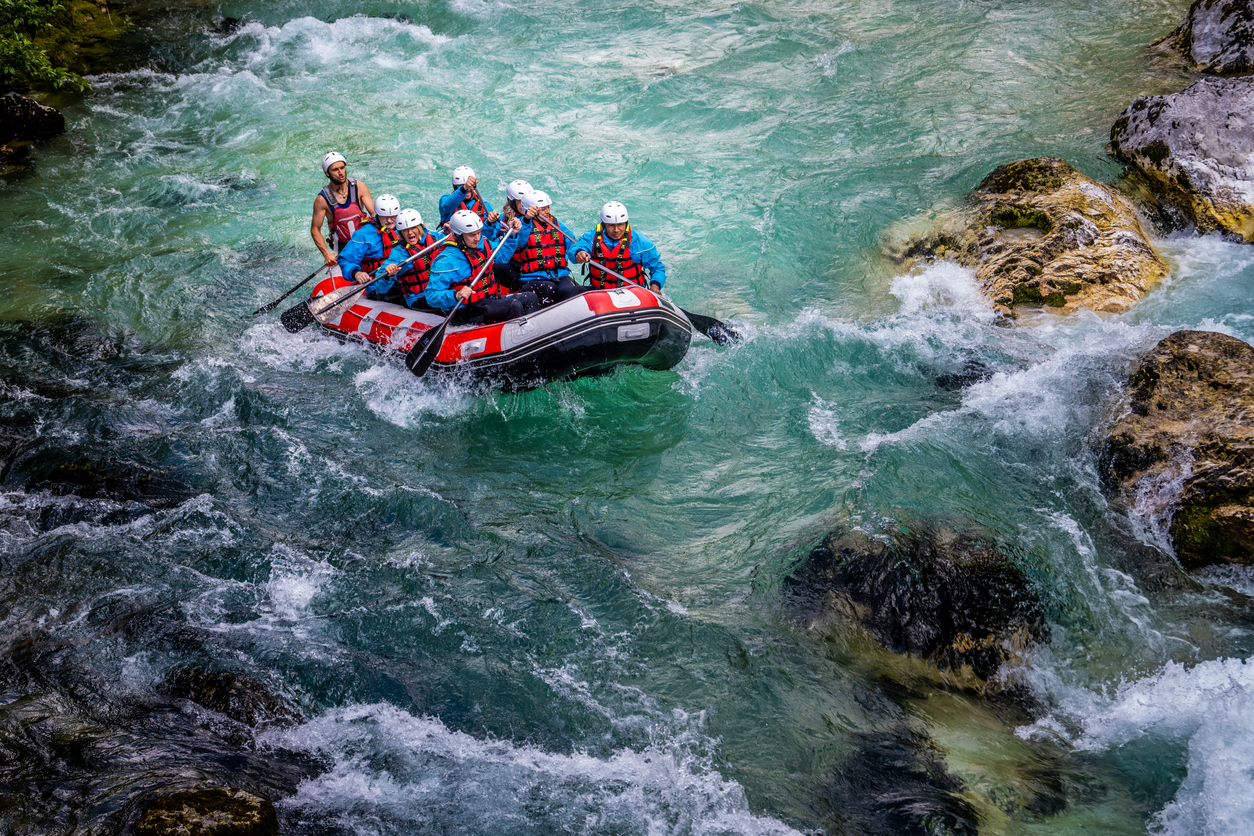
White-water rafting through Bali’s rivers is one of the top action picks. The Ayung River near Ubud is the island’s most popular rafting spot, offering Class II–III rapids set in a lush jungle canyon. Most tours include lunch and hotel transfer – a full morning of splashing and swinging on rafts. For a longer and wilder ride, head to East Bali’s Telaga Waja River. This river boasts Bali’s longest rafting track at about 17 km (roughly 2.5–3 hours on the water). It cuts through mountains and rice paddies with impressive rapids (some IV-level drops in wet season) and waterfalls. One rafting operator touts Telaga Waja as “the longest white water rafting site in Bali… about ±17 km rafting track”. Families with kids or newbies can still do Telaga Waja safely in dry season (the river is relatively calm then), and swimmers are okay because equipment and guides ensure safety. Either river adventure gives you an exciting way to see Bali’s interior – splashing past jungle, caves, and local farming villages.
Canyoning and waterfall jumping is another high-adrenaline option, especially near the village of Gitgit or Ubud. Tours take you abseiling down waterfall cliffs, sliding on natural water chutes, and cliff-jumping into pools. In northern Bali (near Singaraja), the Beji Guwang Hidden Canyon offers guided jumps into clear pools and rope swings above gorges. At Aling-Aling Waterfall, thrill-seekers leap from up to 12 meters into emerald basins, plus zipline across the river in between. These canyon tours are for the brave, but adrenaline junkies love them.
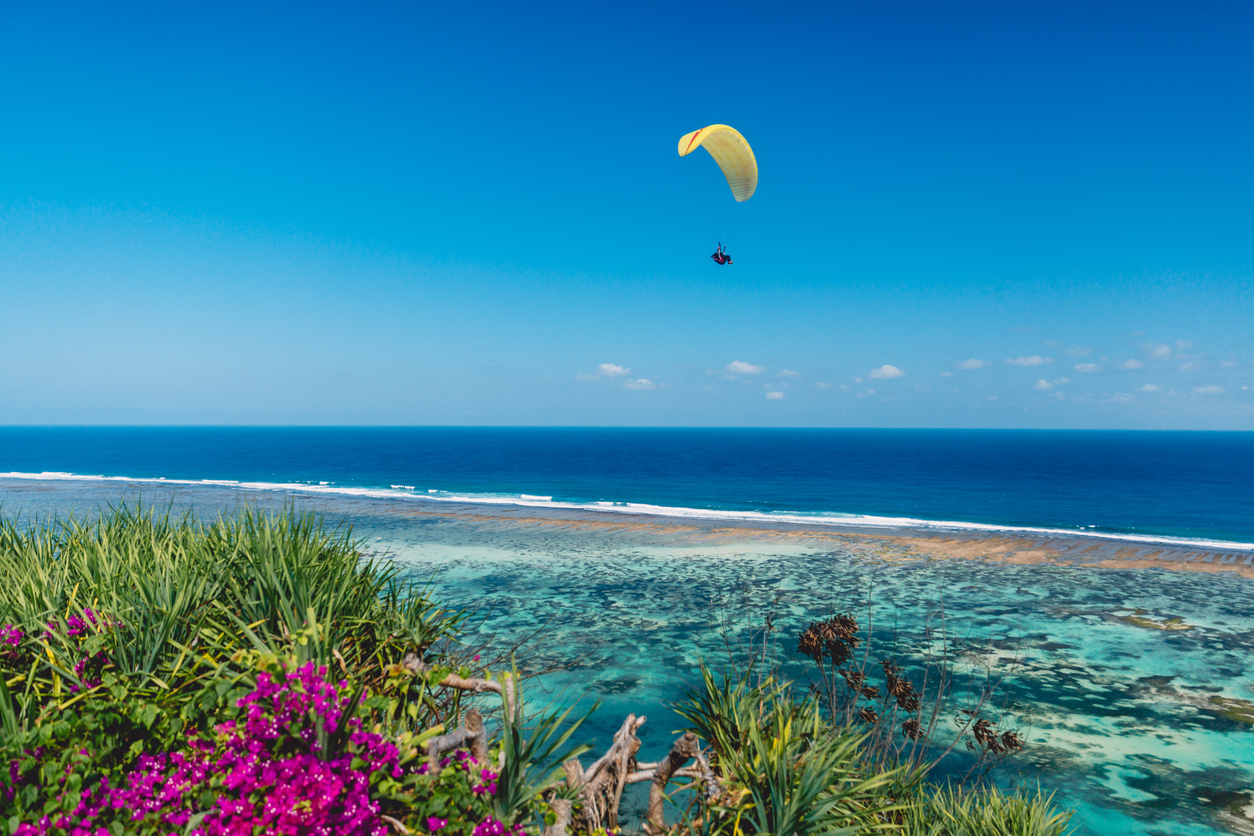
For air adventures beyond BaliCopter, paragliding and paramotoring have become popular. Tandem paragliding flights launch from the cliffs of Bukit Peninsula (Pandawa or Uluwatu) at dawn, giving surreal coastal views as you glide miles inland with the breeze. Similarly, motorized paragliding (paramotor) pilots offer sunrise flights over Uluwatu cliffs – gliding silently over temples and beaches at dawn. Booking through certified operators ensures safety. While not quite as mainstream as Europe’s paragliding spots, Bali’s thermals and scenic launch sites make for an unforgettable flight. Skydiving is possible too (Yes, there’s skydiving in Bali – over Uluwatu!) if you crave extreme heights.
On the land, ATV and off-road quad tours zoom through rice fields, jungles, and volcano trails. You can rent quad bikes near Ubud or around Kintamani for muddy fun. Rock-climbing and ropes courses (like the Bali Treetop Adventure in Bedugul) also test your courage.
Adrenaline aside, always choose licensed operators for these activities (safety first!) and ensure you have good insurance. Adventure sports in Bali let you see the landscape from a completely different angle – whether drenched on a raft, dangling from a cliff, or soaring like a bird.
Wildlife and Nature Encounters

Bali may be densely populated in places, but it still hosts intriguing wildlife and natural outings. Outdoor enthusiasts shouldn’t miss these nature encounters.
One of Bali’s most famous wildlife scenes is the sacred monkey forests. The Ubud Monkey Forest (Sacred Monkey Forest Sanctuary) is home to hundreds of long-tailed macaques living in a lush nature reserve with ancient temples. Visiting the forest means walking on jungle paths under ancient fig trees as monkeys curiously jump around. Kids and adults alike enjoy feeding the tame monkeys (though do watch out – they love shiny objects!). There’s also a monkey forest in Padangtegal. These visits blend nature, wildlife, and Balinese spirituality – the monkeys are believed to guard the temples.
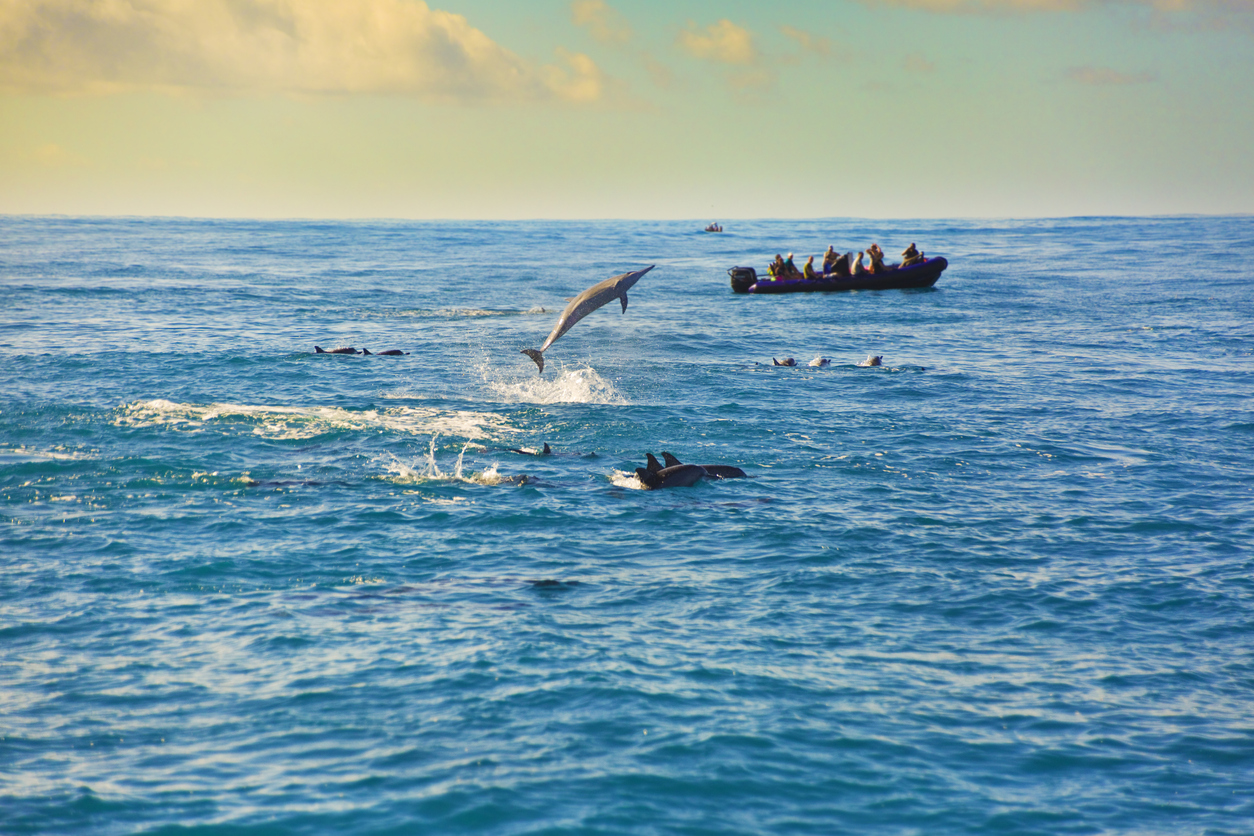
In coastal waters, dolphins and turtles attract visitors. Head to Lovina Beach in north Bali for an early-morning boat ride to see playful spinner dolphins riding the bow waves at sunrise. (No guarantee, but seeing them often is magical.) On the other side, near Sanur or Nusa Lembongan, you might spot sea turtles nesting on beaches or hanging under boats in shallow bays. Some sea turtle conservation centers (e.g. Serangan Turtle Conservation) allow you to release baby turtles into the sea – a memorable eco-adventure.
Birdwatching and forest treks are also possible. Bali’s bird life includes the colorful Bali starling (critically endangered, but you might see one in protected areas like West Bali National Park), hornbills, kingfishers, and more. The Bird Park in Gianyar has many local species and offers flying shows. For more serious birders, guided jungle walks in mountainous or wetland areas can reveal rare species like the Java sparrow, sunbirds, and weavers.
Marine life underwater is another highlight. Diver and snorkeler reports rave about Bali’s reef diversity. Sites like Menjangan Island (off northwest Bali) and Amed in the east have vibrant coral gardens. Snorkeling with Manta rays off Nusa Penida is especially popular – if lucky, you’ll see giants gracefully flying through the water at spots like Manta Point.
For a unique nature-meets-culture combo, consider visiting a coffee or cacao plantation in the hills (many are family-run). There you can trek through rainforest gardens, see native tropical plants, and sample local coffees (including famous Kopi Luwak). Some plantations have nature trails amid nutmeg or clove trees, giving insight into Bali’s agro-ecosystem.
Finally, sunsets and sunrises over nature are experiences in themselves. Bali’s volcano sunrises (Mt. Batur) we covered, but also catching the sun over the Indian Ocean from Uluwatu Temple, or from Pagodas at Lempuyang (the Gates of Heaven) is a spiritual outdoor moment. Even evening can be active: try a night jungle walk to spot nocturnal critters (civet cats, bats, spiders) – local guides will take you with night-vision lamps for an educational wildlife tour.
Cultural Nature Outings and Scenic Tours
Many of Bali’s outdoor “excursions” blend culture, history, and nature. These are perfect for travelers who want to enjoy nature without straying far from Balinese traditions.
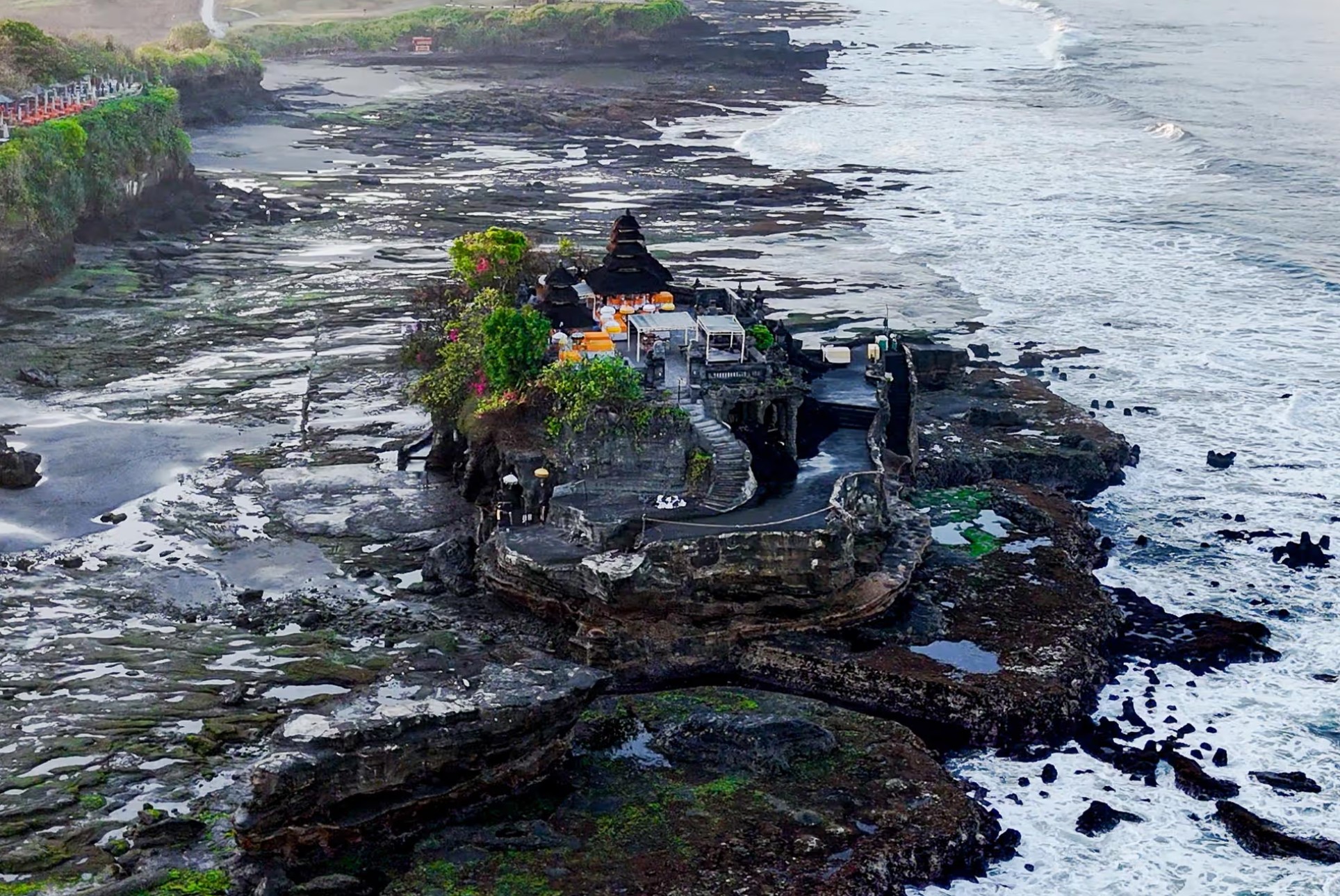
Visiting temples by the sea or in the forests is a unique outdoor activity. The iconic Tanah Lot temple sits atop a rocky outcrop off Bali’s southwest coast; the walk out on the waves at low tide is thrilling, and the sunset view is postcard-perfect. Similarly, Uluwatu Temple perches on a cliff 70 meters above sea level. You can hike around its well-kept pathways and then watch the legendary Kecak Fire Dance at sunset – drummers chanting around a fire on the cliff edge, with the waves crashing below. It’s a completely Balinese outdoor theater.
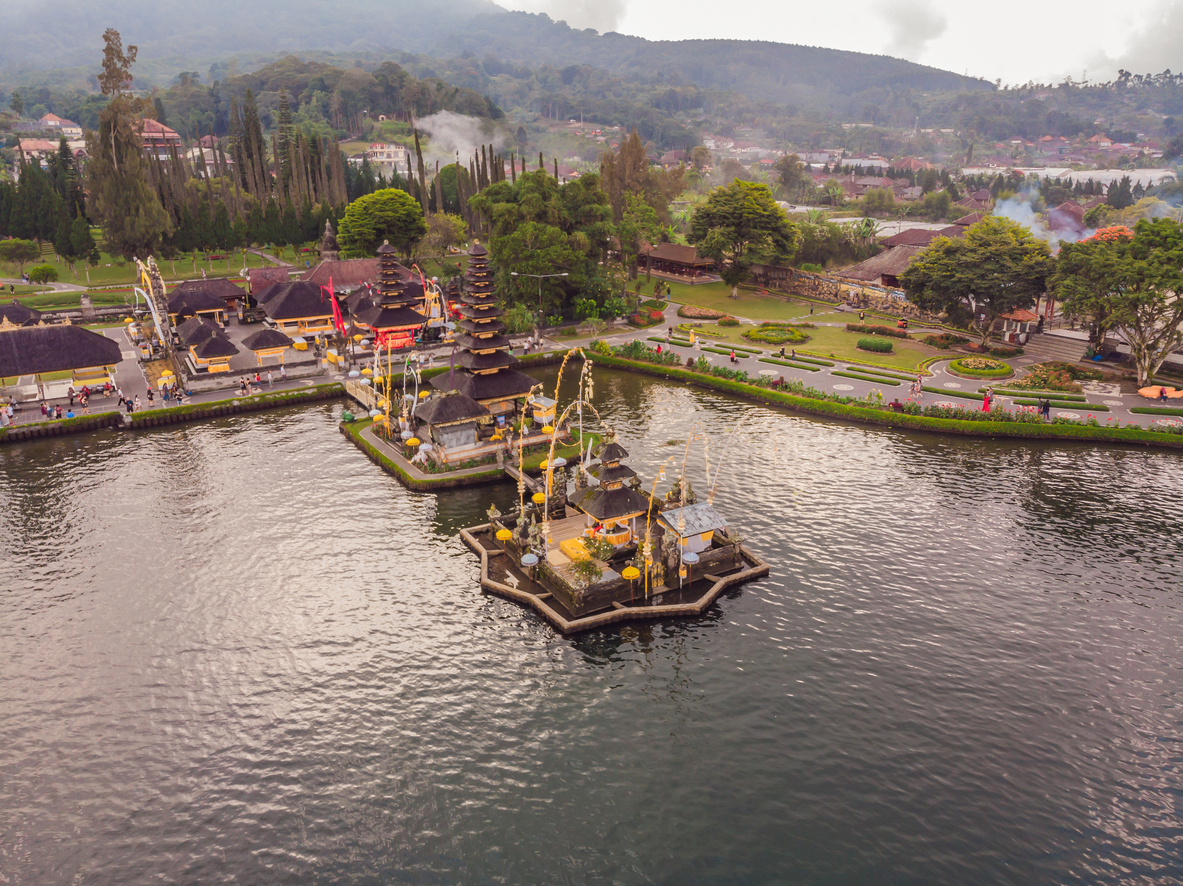
In the highlands, Ulun Danu Beratan Temple floats on Lake Beratan. The setting – calm water reflecting mountains and the tiered temple – is one of Bali’s most photographed nature spots. Nearby are gardens and strawberry fields for pleasant walks.
For a serene nature walk, the Ayung River Canyon has a hidden cave and a short trek to a waterfall temple behind the waterfall. And in Gianyar you can visit Tirta Empul, the holy spring temple: there’s a guided path along the spring channels where locals bathe for purification. It’s partly covered but feels like an open-air sanctuary.
Driving through traditional villages is an outdoor cultural adventure. For example, Penglipuran Village in Bangli preserves a centuries-old layout; you can wander its strict bamboo-lined streets and see farmers tending terraced paddies on the village outskirts. The artistic town of Mas (for wood carving) or Celuk (silver jewelry) also have small rural roads where you can walk among workshops and craft gardens.
Cycling tours are a popular way to mix culture and nature. Many companies offer downhill bike rides from Kintamani (near Mt. Batur) down through villages to rice fields. You’ll cycle along quiet back roads shaded by coconut trees, passing temples and stopping at markets for snacks. It’s active, adventurous, and very “Bali”. (Electric bikes are now popular too, making longer rides easier.)
Unique and Off-the-Beaten-Path Outdoor Activities

Finally, let’s highlight some special outdoor experiences that are a bit less common in travel guides but reward curious adventurers. These are perfect if you’ve already done the classics and want something different.
- Hidden Beaches and Secret Coves: Bali has many secluded beaches if you know where to look. For example, Green Bowl Beach (Padang) and Nyang Nyang Beach (Uluwatu) require a hike down steep paths, but reward with empty sands and caves. Similarly, Nusa Dua’s Waterblow is a natural rock formation where ocean waves spray high up – not a beach to swim, but an impressive nature show.
- Sunrise Yoga or Meditation in Nature: Some retreats offer outdoor yoga at dawn on hilltops or beaches. Doing sun salutations on a cliff overlooking the ocean or among misty rice terraces (with all the sounds of jungle waking up) can be an unforgettable outdoor wellness activity.
- Night Spearfishing or Diving: For experienced divers, spearfishing at night (with bioluminescent plankton) is an exotic adventure. Bali’s coast has resorts offering bioluminescent kayak tours or night snorkeling to see glowing plankton in the waves (in certain seasons).
- Bali’s Water Temple Maze: Tirta Gangga and Taman Ujung (previously mentioned) have lovely gardens to wander, but Jatiluwih also hides small temples and forest corners you can explore off the main path. Some secluded temples, like Pura Lempuyang on Mount Agung (the “Gates of Heaven”), involve hiking up hundreds of stone steps through the clouds to reach a shrine – an outdoor trek plus culture.
- Fishing or BBQ on a Boat: Instead of the usual boat tours, try hiring a small fishing boat with local fisherman in Sanur or Jimbaran. You can troll for reef fish and then have your catch grilled on the beach – a rustic maritime adventure.
- Visit Private Farms and Animal Encounters: There are lesser-known farms that offer hands-on activities. For instance, some organic farms let you forage for coffee beans or plants. There are even small family-run crocodile farms (e.g. Sangeh area) where you can see these prehistoric reptiles. While not as lush as safaris, they’re interesting in their own right.
- Cultural “Outdoor Kitchen” Tours: Some tours combine nature with cooking. For example, you might walk through a spice garden to pick herbs, then learn to cook Balinese dishes using traditional bamboo steamers outdoors.
Throughout Bali, one clear advice is: always be ready to explore on foot. Even just walking through a local market, a rice paddy lane, or a bamboo forest can turn into an adventure. Grab a map (or follow a local’s advice) and take the path less traveled – Bali often rewards curiosity with unexpected beauty.
No matter your interests, outdoor activities in Bali are abundant. From sky-high helicopter rides to underwater snorkel safaris, jungle hikes, and cultural walks, the island offers a full menu of experiences. Each season brings different options (dry season is best for waterfalls and volcano climbs, wet season has lush green rice fields). By blending adrenaline with nature and culture, you’ll get an unforgettable sense of Bali’s wild side. So pack your gear, put on your adventure hat, and go explore the island paradise – Bali’s outdoor wonders await!
See more Blog Posts
.webp)




.svg)

.svg)
.svg)
.svg)

