





Kayaking in Bali: The Ultimate Guide to Rivers, Mangroves & Ocean Adventures


There are many ways to experience Bali — surfing in Uluwatu, rafting down jungle rivers, diving with manta rays — but kayaking in Bali remains one of the island’s most underrated adventures. It offers something rare: silence. No engines, no roaring waves, no crowded beach clubs. Just you, your paddle, and the sound of water cutting through jungle, mangroves, or open sea.
If you’re searching for kayaking in Bali, you’ll quickly notice most guides barely scratch the surface. They list a few tours, mention Ayung River, maybe Telaga Waja, and move on. But Bali kayaking deserves more nuance. There’s river kayaking, white water kayaking, calm mangrove paddling, and even sea kayaking along dramatic coastlines.
This guide goes deeper. You’ll learn:
- The best places for Bali kayaking
- Kayaking vs rafting in Bali — which is better?
- Prices and what tours include
- Best seasons and times of day
- Safety considerations
- Who kayaking in Bali is perfect for
Whether you’re a first-time paddler or looking for something beyond the typical tourist activities, this is your complete guide.
Why Kayaking in Bali Is One of the Island’s Most Underrated Adventures
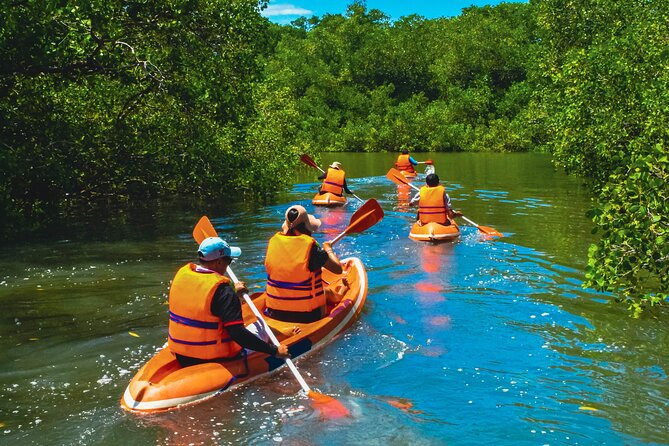
When people think about Bali adventure activities, they think surfing, ATV tours, or rafting. Kayaking in Bali rarely tops the list. And that’s exactly why it feels special.
Unlike rafting, which is fast, loud, and group-oriented, Bali kayaking can be intimate. You control the pace. You decide when to pause. You drift through hidden sections of river most rafting boats rush past.
On rivers like Ayung, kayaking in Bali means paddling between vertical jungle walls, passing waterfalls, and gliding under hanging vines. In mangrove forests near Nusa Dua or Sanur, it means silent exploration through narrow water corridors where birds nest overhead.
And if you choose sea kayaking in Bali, you’ll discover a different side of the island — cliffs rising from turquoise water, secret beaches only accessible from the ocean, and sunrise paddles that feel almost cinematic.
Kayaking is also accessible. You don’t need to be an athlete. Most Bali kayak tours are beginner-friendly, guided, and well-organized. The experience can be adrenaline-filled or calm and meditative depending on where you go.
In short: kayaking in Bali offers a rare balance between adventure and tranquility.
The Best Places for Kayaking in Bali
Let’s break down the top locations for Bali kayaking — each offers a different experience.
Ayung River – Jungle Kayaking Near Ubud
If you’re staying in Ubud, Ayung River is the most popular place for Bali river kayaking. Known primarily for rafting, it’s also ideal for kayaking — especially for beginners.
Why Ayung is special:
- Lush jungle scenery
- Carved stone cliffs
- Small waterfalls along the route
- Moderate rapids (Class II–III depending on season)
Ayung offers a balance between excitement and safety. During the dry season, the river is calmer and ideal for first-timers. In the rainy season, water levels rise and the experience becomes more dynamic.
Kayaking in Bali on Ayung typically lasts 1.5–2 hours on the water. Most tours include hotel pickup, safety briefing, helmet, life jacket, and lunch afterward.
This is the best entry point if you want Bali river kayaking without extreme intensity.
Telaga Waja River – White Water Kayaking for Thrill Seekers
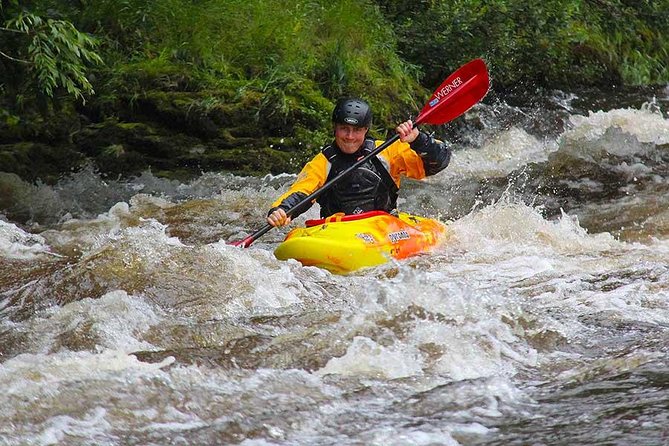
If Ayung feels too tame, Telaga Waja River is your next level. Located in East Bali, this river offers stronger rapids and a longer route.
Why choose Telaga Waja kayaking:
- More continuous rapids
- Less crowded than Ayung
- Dramatic valley scenery
- Ideal for adrenaline lovers
White water kayaking in Bali is more physically demanding here. Rapids can reach Class III–IV during peak rainy season.
If you’ve done rafting and want more control and challenge, this is where kayaking in Bali becomes truly exciting.
However, beginners should check with operators about experience requirements.
Mangrove Kayaking in Nusa Dua & Sanur
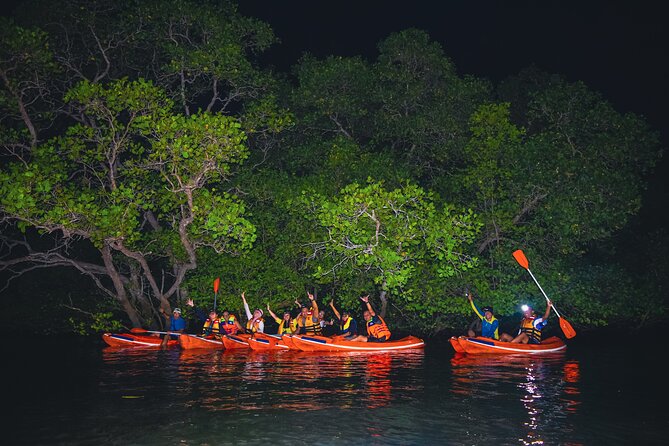
If rivers sound intense, mangrove kayaking in Bali offers a completely different atmosphere.
Near Nusa Dua and Sanur, you’ll find protected mangrove forests with calm waters. Here, Bali kayaking feels almost meditative.
What to expect:
- Flat water (great for beginners)
- Narrow channels through mangrove roots
- Birdlife and occasional fish sightings
- Sunrise or sunset tours available
This is one of the safest and most accessible forms of kayaking in Bali. Families, couples, and even children can enjoy it.
Mangrove kayaking is especially beautiful early in the morning when the water reflects the sky like glass.
Sea Kayaking Along Bali’s Coastline
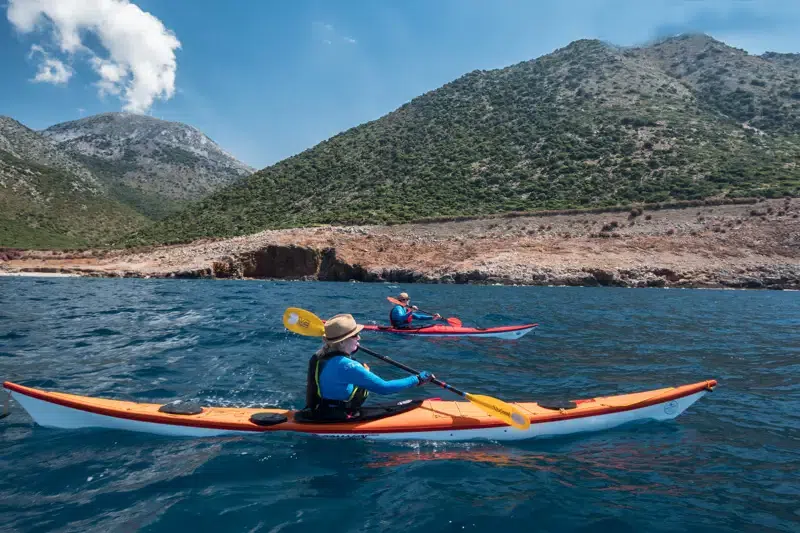
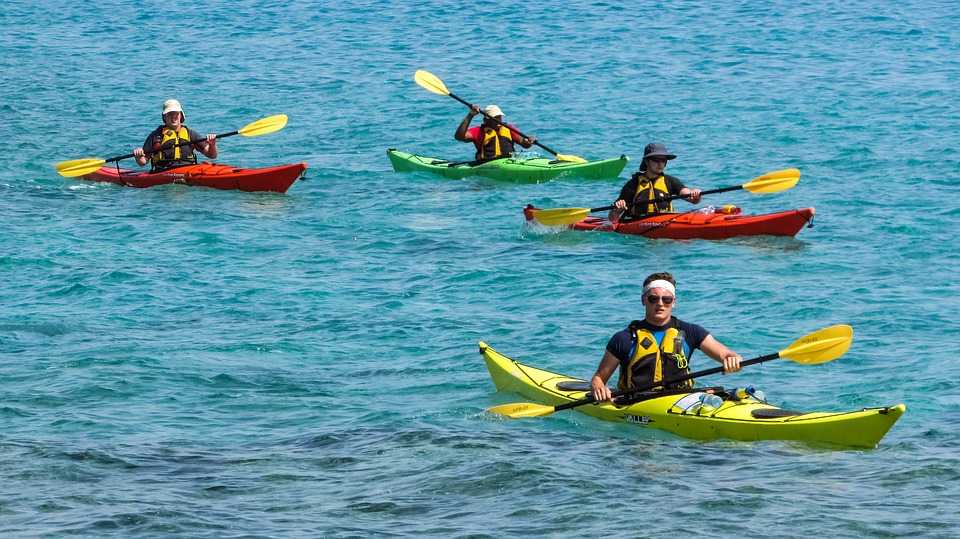
Sea kayaking in Bali is less common but incredibly rewarding. You can paddle along:
- Sanur coastline
- Nusa Dua reefs
- East Bali’s quieter shores
The experience depends heavily on weather and tides. Calm mornings are best.
Why try sea kayaking in Bali?
- Access hidden beaches
- View cliffs from the ocean
- Combine kayaking with snorkeling
- Catch sunrise from the water
Unlike river kayaking, ocean kayaking requires paying attention to wind conditions. Always go with a guided kayak tour in Bali unless you’re experienced.
Kayaking vs Rafting in Bali – What’s the Difference?
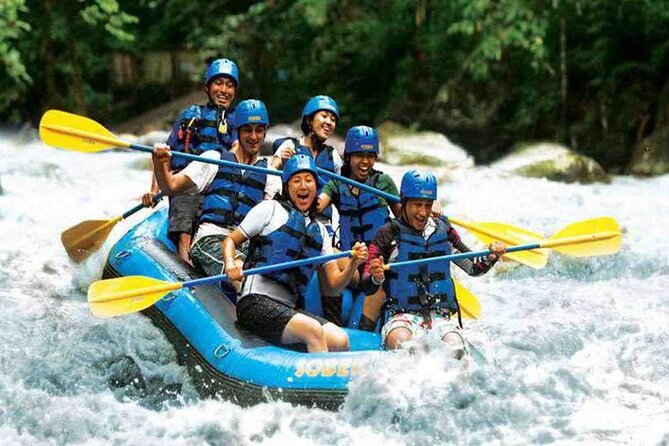
Many travelers ask: should I go rafting or try kayaking in Bali?
Here’s the breakdown.
Control:
- Rafting: You’re part of a group. A guide steers.
- Kayaking: You control direction and speed.
Intensity:
- Rafting: More stable, less technical.
- Kayaking: More engaging physically.
Experience level:
- Rafting: Easier for total beginners.
- Kayaking: Requires basic coordination.
Atmosphere:
- Rafting: Social, energetic.
- Kayaking: Can be calm or adventurous depending on route.
If you want something more immersive and less crowded, Bali kayaking is often the better choice.
When Is the Best Time for Kayaking in Bali?
Bali has two seasons:
Dry Season (April–October)
- Lower humidity
- More predictable weather
- Rivers calmer
- Ideal for beginners
Rainy Season (November–March)
- Higher river levels
- Stronger rapids
- More thrilling white water kayaking
- Afternoon storms possible
For sea kayaking in Bali, mornings are best year-round. Wind typically increases after midday.
Sunrise kayaking is particularly magical between May and September when skies are clearer.
Is Kayaking in Bali Safe?
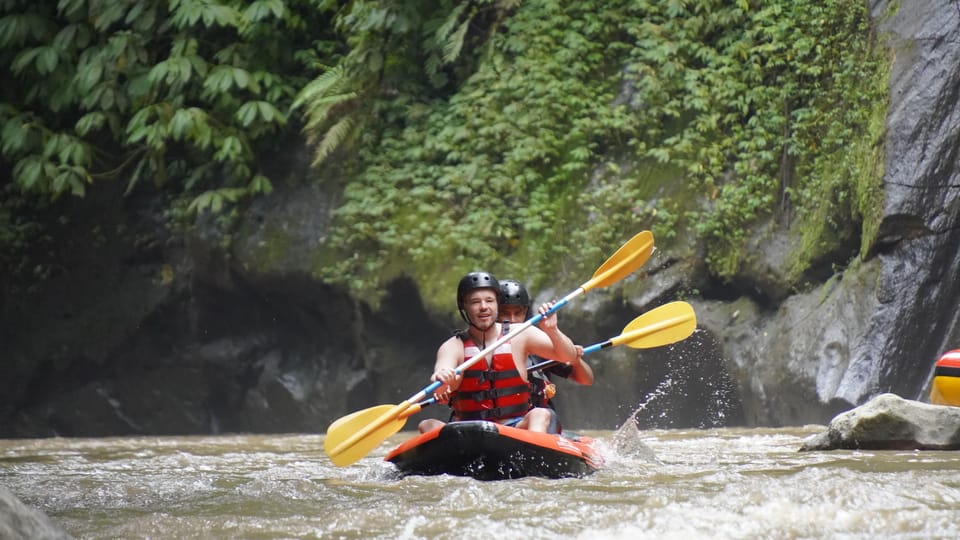
Overall, kayaking in Bali is safe when done with licensed operators.
Safety tips:
- Always wear a life jacket
- Listen carefully during briefing
- Choose appropriate river level
- Inform guide about health conditions
- Avoid solo ocean kayaking without experience
Mangrove kayaking is extremely safe. Ayung River is considered beginner-friendly. Telaga Waja requires more caution.
Serious accidents are rare when safety protocols are followed.
What to Bring for a Kayaking Trip in Bali

To make your Bali kayaking experience smooth, pack:
- Quick-dry clothes
- Water shoes or sandals with straps
- Sunscreen (reef-safe)
- Waterproof phone case
- Towel and change of clothes
- Small waterproof bag
Avoid cotton clothing — it stays wet.
FAQ About Kayaking in Bali
Is kayaking in Bali suitable for beginners?
Yes, especially mangrove and Ayung River tours.
Do I need prior experience?
No, but basic swimming ability is helpful.
Is white water kayaking in Bali dangerous?
Only if done without proper guide or during extreme conditions.
Can children go kayaking in Bali?
Yes, on calm-water tours.
How long does a kayak tour last?
Usually 1–2 hours on water.
Final Thoughts: Is Kayaking in Bali Worth It?
Absolutely.
Kayaking in Bali offers something rare on this island of contrasts — stillness within movement. Whether you’re paddling through jungle corridors, navigating gentle rapids, or drifting silently through mangrove tunnels, the experience feels immersive and authentic.
Bali kayaking isn’t just another activity to check off your list. It’s a perspective shift. From water level, the island reveals a quieter side most travelers never see.
If you want something active but not overwhelming, adventurous yet grounding — kayaking in Bali might become the highlight of your trip.
Related Tours
See more Blog Posts




.svg)

.svg)
.svg)
.svg)

