





Dream Beach Bali: A Complete Guide to Dream Beach on Nusa Lembongan



Let’s clear up the naming mess first, because it genuinely changes your itinerary. In this guide, “Dream Beach Bali” refers to Dream Beach Nusa Lembongan, a small beach cove on the southwest coast of Nusa Lembongan.
It is not Dreamland Beach—also called New Kuta Beach—on Bali’s Bukit Peninsula in Pecatu. If your map app starts showing “Pecatu,” “Bukit,” or anything Uluwatu-adjacent, you’re looking at the Dreamland/New Kuta version, not the Lembongan one.
Why the confusion? Google mixes intent: some people type “Dream Beach Bali” meaning “the dreamy beach I saw on Instagram,” while others mean the literal place name “Dreamland.” To de-risk that confusion for your readers, add a one-sentence note high in the intro: Dream Beach is on Nusa Lembongan; Dreamland/New Kuta is in Pecatu.
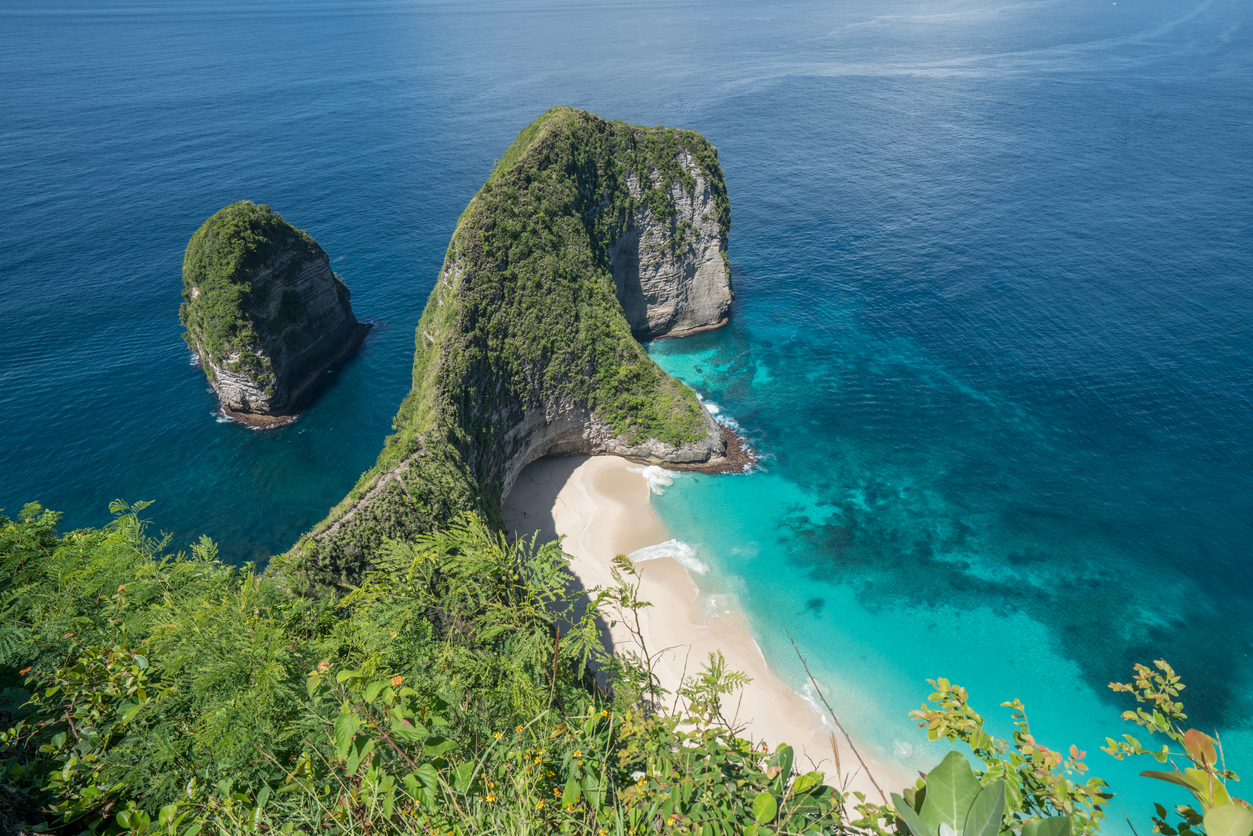
TripAdvisor describes Dream Beach Nusa Lembongan as a picture-perfect escape in its attraction listing: soft white sand, turquoise water, and dramatic limestone cliffs—exactly the scenery you daydream about during a long Bali slow commute.
Quick facts (Dream Beach on Nusa Lembongan)
- Setting: Secluded cove on the southwestern coast of Lembongan Island, framed by limestone cliffs
- Typical cost: Beach access is usually free; you may pay small parking fees and/or facility fees (e.g., pool day-use)
- Best time of day: Early morning for space and softer light; sunset for views
- Swimming: Possible in calm conditions, especially around low tide; can turn rough quickly
- Facilities: Viewpoint area, cafés/bars nearby, and resorts such as Dream Beach Huts
- Open hours: Often described as accessible 24/7
How to get to Dream Beach
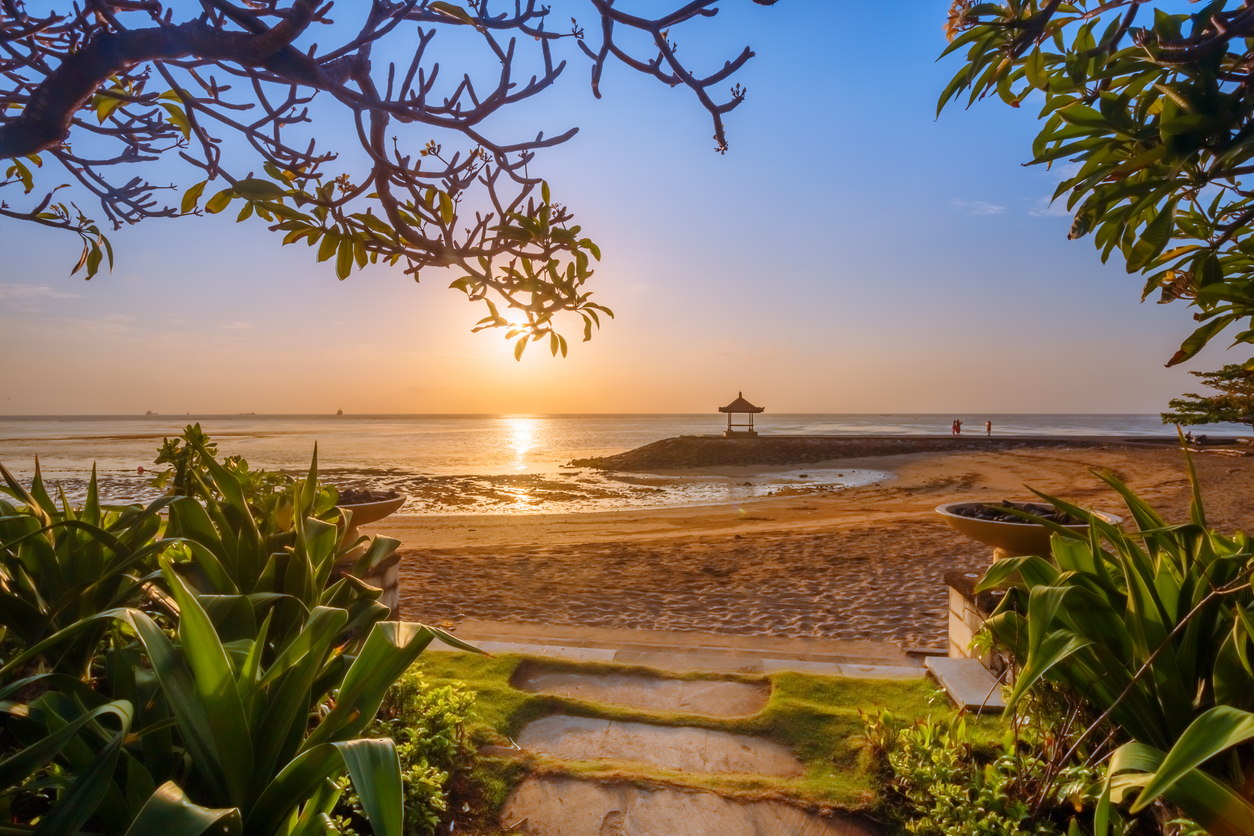
Getting to Nusa Lembongan from Bali
To reach Dream Beach Nusa Lembongan, you’ll first hop from mainland Bali over to Nusa Lembongan by boat. The FINNS Beach Club guide points to fast boats from Sanur; Padang Bai is mentioned for ferries, especially if you want to bring a bike.
A practical planning tip: if the ocean looks stormy, don’t just think “rainy day photos.” Think “bumpy crossing.” The FINNS Beach Club guide notes the boat journey can be rough in stormy seas, which is one reason some travelers prefer timing their visit for the drier season when sea crossings can feel more comfortable.
If your trip is short, treat Dream Beach Nusa Lembongan as a half-day anchor rather than a rushed photo stop: the travel time to reach the island (plus loading, unloading, and getting transport) is the hidden “cost” that makes lingering worth it.
For a step-by-step boat-and-transfer breakdown, see [How to get to Nusa Lembongan from Bali].
Getting around once you arrive
On Lembongan, you can reach Dream Beach Nusa Lembongan by scooter, a private car/driver, or a local pickup-style shuttle from the harbor.
If you’re comfortable on two wheels, scooter rental is the classic move. Jonny Melon estimates around 70,000 IDR per day (often with fuel included), but treat this as a ballpark—prices shift with season, demand, and negotiation.
If you’re not confident riding, take the “zero stress” option: ask your accommodation to arrange a driver. You’ll still get the same cliff views—just without negotiating sandy corners.
Navigation tip that saves time: most drivers stop at the cliff-top parking/viewpoint, and you continue down to the sand on foot. Plan for a short walk down, and remember you’ll need energy for the walk back up—especially in midday heat. Bring cash for parking, snacks, or a drink, and keep your valuables zipped—cliff tops have a talent for stealing hats and receipts.
Travel-blog reality check: Nusa island roads can be narrow, bumpy, and dusty. If you ride, wear a helmet, go slow, and don’t let the tropical vibe bully you into riding beyond your skill level.
What to expect when you arrive
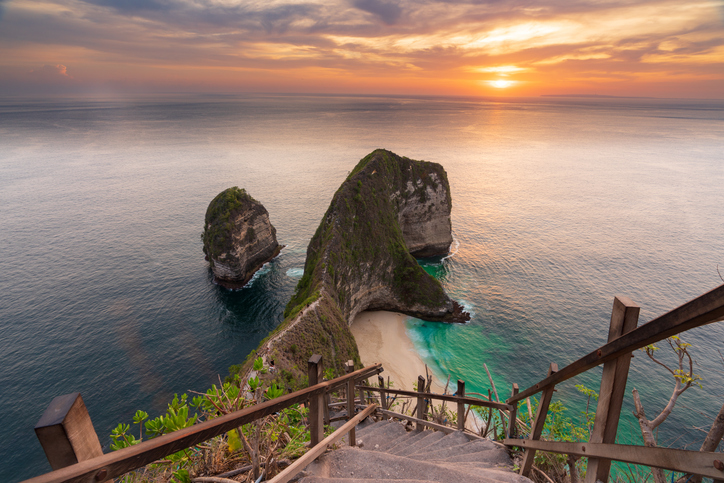
The viewpoint-first experience
Many visitors form their first impression from the cliff top. Several guides describe a pattern: tourists arrive, line up at a viewpoint for the signature photo, then move on—sometimes without walking down to the sand at all.
That’s good news for you. It means Dream Beach Nusa Lembongan can feel calmer on the sand than the parking area suggests, especially if you’re willing to walk five minutes farther than the crowd.
If you’re writing for photographers, one subtle angle to include is “photo patience”: let the viewpoint line pass, then shoot wider from the cliff edges for a more natural look. It’s the same scenery, but it feels less like a queue.
The beach itself
Once you descend, you’ll find a small bay tucked between cliffs. A detailed travel guide notes that the bay is enclosed by cliffs and that clear water can expose a reef below the surface—beautiful, but also a reminder that conditions and footing can change quickly.
Hotels.com describes Dream Beach Nusa Lembongan as a short, secluded stretch (often cited around 115 meters) on the southwestern coast, with limestone cliffs and dramatic rock shapes plus cliff-edge vantage points for big “wow” seascapes.
On an easy day, the sand is the star: soft enough for a towel-and-book afternoon, with that satisfying “small-cove” feeling where cliffs wrap you in. On a rough day, the ocean is the star—because watching waves hammer rock from a safe spot is its own kind of entertainment.
If you love exploring little natural corners, look for the cave under the cliffs on the right-hand side of the bay. At low tide, Jonny Melon notes you can walk around and into it to find a more secluded pocket of sand.
Food, drinks, and “vacation mode” facilities
You’re not marooned here with only coconuts. Multiple sources mention cafés and bars around the beach zone, including places associated with Dream Beach Huts like Café Pandan.
Prices can be higher than elsewhere on the island (you’re paying for location and the view), so if you’re budget-focused, consider eating closer to your base and coming here for one “treat yourself” coconut, smoothie, or sunset drink.
Packing micro-list for this beach: reef shoes (for rocks), sun protection, a small towel, and a dry bag if you’re carrying a phone down near the waterline. This is especially helpful at Dream Beach Nusa Lembongan, where rocky patches and spray can surprise you.
Alt-text captions for the image set below:
- “Dream Beach on Nusa Lembongan with a white-sand cove and limestone cliffs.”
- “Map showing where Dream Beach is located on Nusa Lembongan near Devil’s Tear.”
- “Stairs and path down to Dream Beach on Nusa Lembongan.”
Swimming and safety

A calm-day checklist before you even touch the water
Let’s be honest: this is where most guides wave their hands and say “be careful.” So here’s the simple, safety-first version for Dream Beach Nusa Lembongan.
Hotels.com notes that the blue water can be clear and “great for swimming” during low tide, but also emphasizes the beach faces the Indian Ocean and can get rough—so extra care is needed.
The FINNS Beach Club guide is more blunt: it warns it’s easy to get caught in a riptide on Nusa Lembongan beaches and be dragged out to sea.
Before you swim, do this five-point check.
First: look at the water. Are waves slamming into the shore with a strong pull back out? If yes, skip swimming.
Second: watch someone else. If confident swimmers are only wading and everyone is getting pushed sideways, that’s your answer.
Third: choose the “easy” zone. Avoid rocky sections and any area where waves hit a point and rebound in weird directions.
Fourth: keep it shallow. Wading and quick dips can be a better idea than “I’m going to swim laps.”
Fifth: if you’re unsure, choose the safer alternative—because there are plenty, and you’ll still feel like you had a beach day.
If you do enter the water, keep it close to shore, avoid turning your back to incoming sets, and don’t swim alone. These are not “dramatic” rules; they’re just the boring habits that keep travel stories from turning into rescue stories.
The safer alternatives when the ocean is rough
One reason Dream Beach Nusa Lembongan is popular is that you can still have a great time even when the sea says “no.”
Option one: enjoy the viewpoint, cave exploration (only if conditions allow), and a beach walk.
Option two: swap saltwater for an infinity pool. Daily Travel Pill notes that outside visitors can use the two-tier pool at Dream Beach Huts for an IDR 50K fee, and mentions another pool at D’Byas Dream Beach Club and Villa.
Option three: do a “cliffline stroll” between Dream Beach and the nearby viewpoints, stopping for photos, shade breaks, and a slow drink—turning the area into a scenic loop instead of a single beach stop.
Best time to visit
Best time of day for crowds and light
Dream Beach Nusa Lembongan is one of the island’s most popular sands, and crowds are real—especially around the cliff viewpoint.
The easiest hack is simple: go early. One guide recommends arriving before 10 a.m., before most people finish breakfast and tour shuttles stack up.
Jonny Melon also calls early morning the best time to beat the crowds, while still finding quieter corners around the cliffs.
If you’re doing a day trip, try to plan your boat timing so Dream Beach Nusa Lembongan happens in the morning window. You’ll get calmer vibes, better photos, and a more relaxed walk back up the stairs.
Sunset notes
Dream Beach Nusa Lembongan can also be a sunset spot. Hotels.com mentions it as a good location for sunsets and specifically notes happy hour timing at the cliff-top café area near Dream Beach Huts.
If you’re choosing between “sunset on the sand” and “sunset from the cliffs,” pick the cliffs: they’re safer and often more dramatic. Your toes might not be in the water, but your camera will be very happy.
What to do nearby
Devil’s Tear: do it, but do it carefully
The classic pairing is Dream Beach Nusa Lembongan plus Devil’s Tear, a rocky outcrop nearby. Jonny Melon’s 2026 guide describes Devil’s Tear as a spot where water is sucked in and blasted out through a blowhole-like feature, and calls it one of the island’s best sunset viewpoints.
Daily Travel Pill emphasizes it can be dangerous because of wave force and pressure. Don’t stand on wet rock, don’t climb down for “one more photo,” and don’t turn your back on the ocean. Treat it like a viewpoint, not a playground.
Practical itinerary tip: visit the beach first while it’s cooler, then walk/ride to Devil’s Tear for late afternoon light and spray.
The little “between spots” that most people miss
One of the best tips from a detailed Lembongan guide is: don’t just stay in the single famous photo spot. Venture to the side of the bay and explore the rocky coast between Dream Beach and Devil’s Tear for quieter corners and unique angles.
This is where your travel-blog voice can shine: describe the sound of waves in rock pockets, the salty breeze, and the way the cliffs cast shade in odd shapes—then remind readers to keep a safe distance from edges and wave-washed rock.
Nearby beach alternatives
If you’re beach-hopping, nearby options and contrasts matter. A guide that covers the area notes that Mushroom Beach (often called Mushroom Bay) is another option for clear water and sunsets, and it frames Sandy Bay as pretty but with very rough seas where swimming or snorkeling may be a bad idea.
This is why I love the area: you can build a mini day that matches conditions. Calm sea? Enjoy a dip. Rough sea? Go for viewpoints, cafés, and low-risk scenery.
Alt-text captions for the image set below: 4) “Wave conditions at Dream Beach—rough surf and foamy shoreline.”
5) “Waves crashing at Devil’s Tear near Dream Beach at sunset.”
6) “Cliff-top pool and ocean view near Dream Beach on Nusa Lembongan.”
Where to eat and where to stay
Easy picks for a smooth day
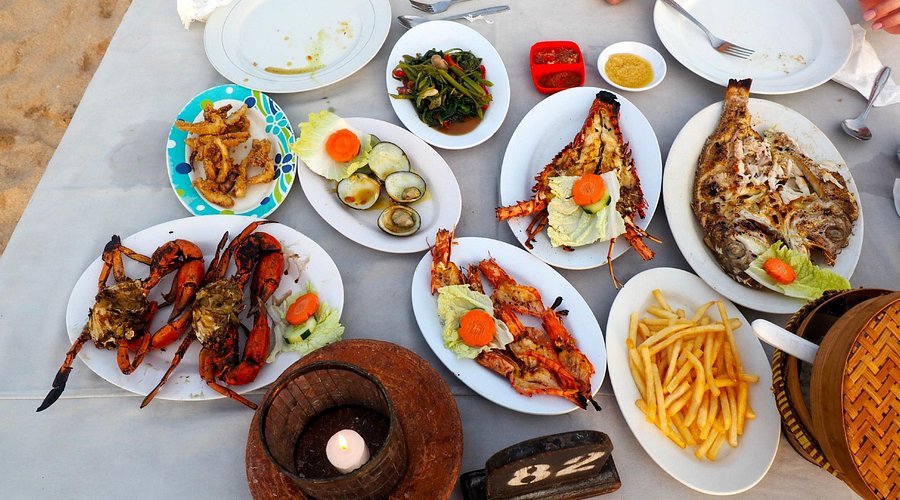
For a simple “no overthinking” day, anchor your visit around one meal with a view. Daily Travel Pill highlights Café Pandan and also mentions D’Byas Dream Beach Club as another option with a gorgeous viewpoint—while noting the zone can be pricier than other parts of the island.
Hotels.com also mentions light bites and drinks along the beach area and name-checks Café Pandan as part of Dream Beach Huts, including a happy-hour window.
If you want to stay nearby, multiple guides point to Dream Beach Huts as the iconic option in this pocket, known for its cliffside pool and direct proximity to the sand.
Planning more than a day trip? Continue with [Where to stay on Nusa Lembongan] and [Nusa Lembongan 2–3 day itinerary].
Final notes
Dream Beach Nusa Lembongan is at its best when you treat it like a small, special cove—not a checklist item. Arrive early, walk past the photo line, and spend your time either floating in calm shallows or soaking up the cliff views with a cold drink.
Related Tours
See more Blog Posts




.svg)

.svg)
.svg)
.svg)

