





Denpasar Airport (DPS) Guide: What to Expect at Bali’s Main International Gateway


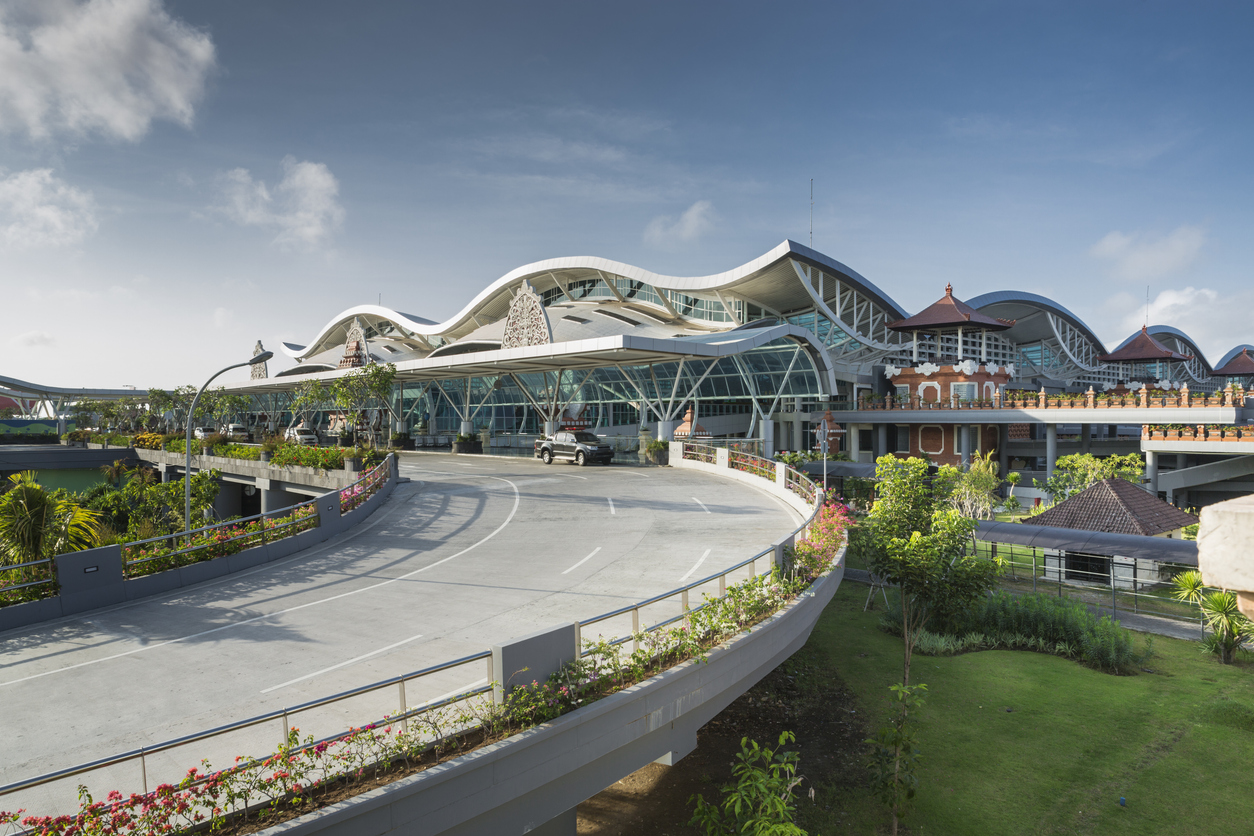
Landing at Denpasar Airport is the moment Bali becomes real. One minute you are watching the island appear beneath the wing, a patchwork of rice fields and coastline; the next, you are stepping into warm tropical air that feels heavier and softer than anywhere else. Officially known as Ngurah Rai International Airport, this is the main international gateway to the island and the place where almost every Bali trip begins. Travelers often search for “Denpasar Airport” or “Bali Airport,” and both mean the same thing: the hub that connects the Island of the Gods to the world.
If you are planning your first visit, you are probably wondering how busy Denpasar Airport is, how long immigration takes, whether visa on arrival is complicated, and how to get from the airport to Ubud, Canggu, or Seminyak without stress. This guide walks you through every stage of the experience, from landing and immigration to SIM cards, money exchange, transport options, and departure procedures. Written in a travel blog style but structured for practical use, it explains what to expect and how to move through Bali Airport smoothly, even during peak season.
Where Is Denpasar Airport and Why It’s Called Ngurah Rai
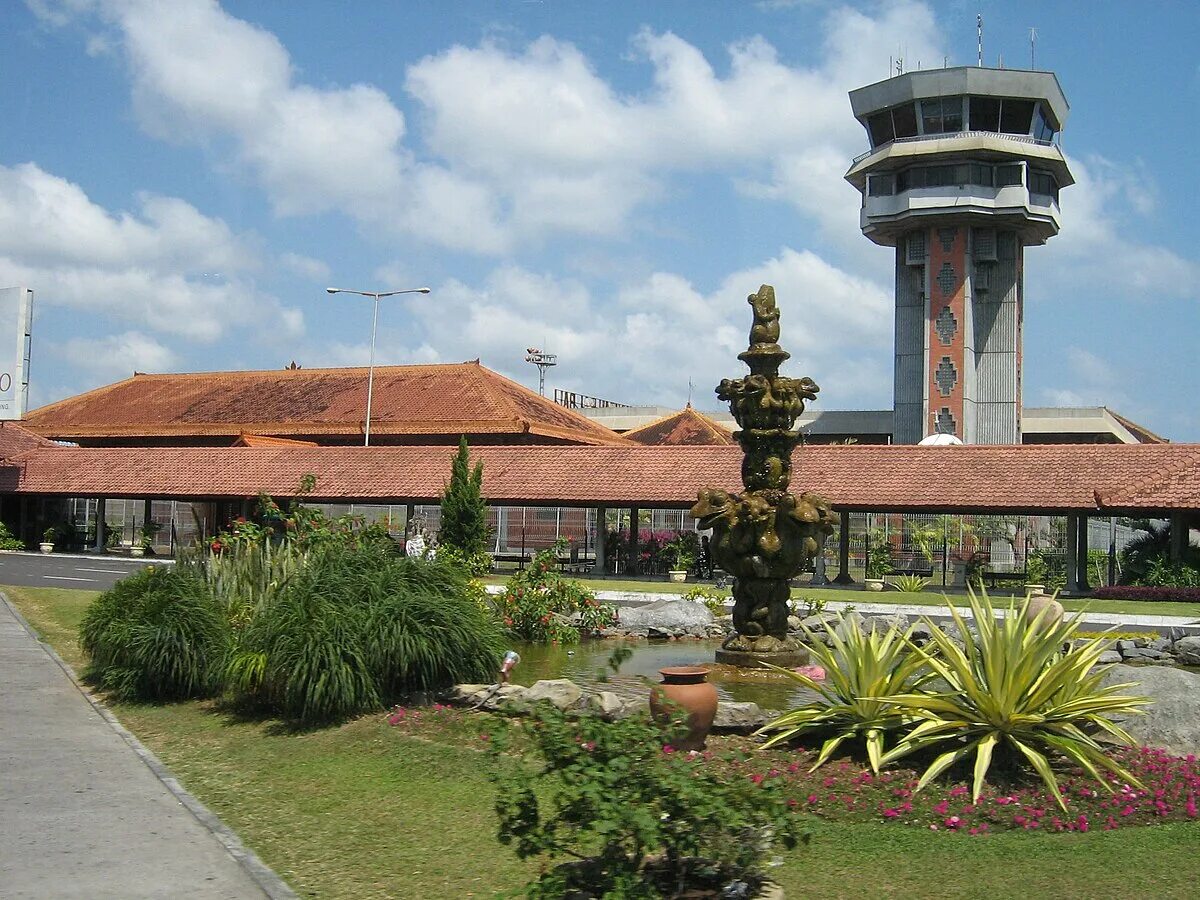
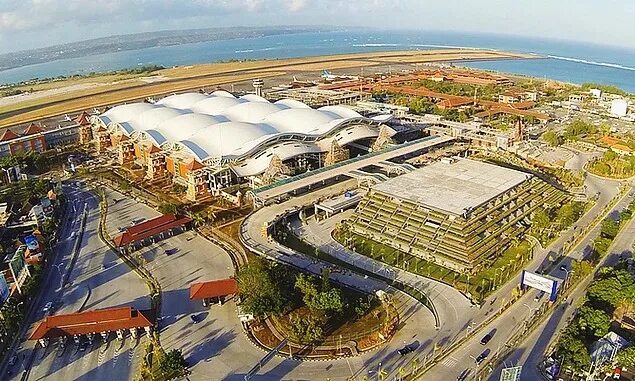
Denpasar Airport is located in the southern part of Bali, close to Jimbaran and Kuta, and roughly 13 kilometers from Denpasar city itself. Although many travelers assume it sits inside the city of Denpasar, the airport is actually closer to the island’s beach and resort areas. The official name, Ngurah Rai International Airport, honors I Gusti Ngurah Rai, a Balinese national hero. However, in everyday travel conversations, most people simply call it Bali Airport or refer to it by its airport code, DPS.
When booking flights, you will see the code DPS, which stands for Denpasar. This is important because some travelers mistakenly look for “Bali” as a city in airline systems, but Bali is an island, and Denpasar Airport is the main international entry point. From here, you can reach popular destinations such as Ubud in about 60 to 90 minutes, Canggu in roughly 45 to 75 minutes depending on traffic, and Uluwatu in around 45 minutes. Traffic conditions vary significantly, so planning transfers with flexibility is essential.
Arriving at Denpasar Airport: Step-by-Step Walkthrough
The arrival process at Denpasar Airport is generally straightforward, but it can feel overwhelming if you are unprepared. After disembarking, you follow clearly marked signs toward immigration. The terminal is modern and relatively easy to navigate, though during peak travel periods lines can extend into the corridors. Having your passport, arrival documents, and onward ticket details ready will speed up the process considerably.
Once through immigration, you proceed to baggage claim. The luggage belts are organized by flight number and clearly displayed on digital boards. After collecting your luggage, you pass through customs, which is typically a simple scan of your bags. From there, you exit into the arrivals hall where drivers wait, SIM card kiosks compete for attention, and the humid Bali air welcomes you properly. Understanding this flow in advance makes your first hour at Bali Airport calm instead of chaotic.
Immigration and Visa on Arrival at Bali Airport
For many nationalities, Indonesia offers a Visa on Arrival (VOA), which can be obtained directly at Denpasar Airport. The process usually involves paying a fee, either in cash or by card, and then proceeding to the immigration counters. During busy seasons, waiting times can range from 20 minutes to over an hour, depending on flight schedules and staffing levels. Early morning and late-night arrivals sometimes move faster, though this is not guaranteed.
To avoid delays, it is helpful to complete any required online pre-arrival forms before landing. Keep your onward or return ticket accessible, as immigration officers may request proof of departure. Make sure your passport has sufficient validity, typically at least six months from the date of entry. While the process at Bali Airport is not difficult, being organized reduces stress and helps you transition smoothly from airplane mode to island mode.
Baggage Claim, Customs, and First Impressions
After immigration at Denpasar Airport, baggage claim is usually efficient, although during peak hours luggage can take time to appear. Overhead screens indicate the correct belt number, and airport staff are generally available if you need assistance. The area is air-conditioned but often crowded, so keeping personal belongings close is important. Once you have your luggage, you proceed to customs, where most travelers simply walk through the green channel unless carrying declared goods.
The first impression of Bali Airport’s arrivals hall is lively and slightly chaotic. Drivers hold signs with names, family members wait eagerly, and various service counters offer transportation, tours, and activities. It can feel like a sensory overload after a long flight. Taking a moment to orient yourself before accepting any offers helps you make clear decisions. This is the point where preparation pays off, especially if you have pre-arranged transport or researched taxi options in advance.
SIM Cards and Money Exchange at Denpasar Airport
One of the most common questions about Denpasar Airport is whether to buy a SIM card immediately upon arrival. Multiple kiosks sell local SIM cards with data packages tailored to tourists. While prices are slightly higher than in city stores, the convenience of having internet access instantly can be worth it, especially if you rely on ride-hailing apps or Google Maps. Staff usually handle installation and activation for you, making the process quick and simple.
Money exchange counters are also available inside Bali Airport, but exchange rates are often less favorable compared to reputable money changers in town. If you need a small amount of Indonesian rupiah for immediate expenses, exchanging a limited sum at the airport is reasonable. However, for larger amounts, waiting until you reach a trusted exchange office in areas like Seminyak or Ubud is usually more economical. ATMs are available, offering another practical option for withdrawing cash upon arrival.
Transport from Denpasar Airport: Getting to Your Hotel
Transportation is a major concern for first-time visitors to Denpasar Airport. Official airport taxis operate with fixed pricing, typically displayed at counters in the arrivals hall. These taxis are reliable and convenient, though slightly more expensive than app-based services. Booking at the official desk ensures clarity and avoids haggling outside the terminal. For many travelers, this option provides peace of mind after a long journey.
Ride-hailing apps such as Grab also operate at Bali Airport, though pickup areas may be designated slightly away from the main exit. Prices through apps are often competitive, but availability fluctuates during peak periods. Private transfers arranged through your hotel or a driver can be the smoothest solution, especially if arriving late at night. Knowing your destination and estimated travel time in advance helps you choose the transport option that aligns with your comfort level and budget.
Distance and Travel Times from Bali Airport
Understanding distances from Denpasar Airport to major destinations is crucial for realistic planning. Ubud, located inland among rice fields and cultural landmarks, typically requires at least one hour of travel, sometimes more during rush hour. Canggu, popular for surf and digital nomad culture, may take 45 to 75 minutes depending on traffic near Seminyak. Uluwatu and Jimbaran, closer to the southern peninsula, are generally quicker journeys.
Traffic in Bali can be unpredictable, particularly in the late afternoon and early evening. Rainy season showers can also slow movement significantly. When scheduling airport pickups or return departures, always allow extra time. It is common for visitors to underestimate how long it takes to reach Denpasar Airport from their accommodation. Building buffer time into your itinerary reduces anxiety and ensures you do not rush through security or check-in on departure day.
Bali Airport Terminals Explained
Denpasar Airport consists of separate terminals for international and domestic flights. The international terminal handles long-haul and regional flights, while the domestic terminal connects Bali with other Indonesian cities such as Jakarta and Surabaya. The buildings are adjacent but function independently, so verifying your departure terminal is important before heading to the airport. Clear signage helps guide passengers between areas if necessary.
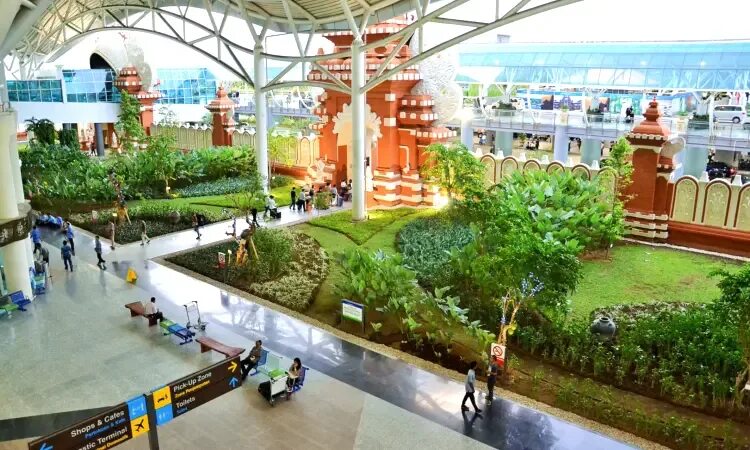
The international terminal at Bali Airport is modern, with wide corridors, duty-free shops, and multiple dining options. The domestic terminal is smaller but still comfortable and organized. Both terminals provide restrooms, seating areas, and information counters. Although the airport is not enormous compared to global mega-hubs, walking distances can still be significant. Arriving early for departures ensures you have sufficient time to navigate check-in and security procedures without pressure.
Departing from Denpasar Airport
When departing from Denpasar Airport, arriving at least two to three hours before an international flight is recommended. Check-in counters typically open three hours before departure, and security lines can fluctuate depending on passenger volume. Having your boarding pass ready, whether printed or digital, speeds up entry into the secure area. After check-in, passengers proceed through security and passport control before entering the departure lounge.
Inside the departures area of Bali Airport, you will find duty-free shops, cafes, restaurants, and souvenir stores selling last-minute gifts. Lounges are available for eligible passengers or those willing to purchase access. While the atmosphere is generally relaxed, peak evening departures to Australia and Asia can create crowded conditions. Planning extra time allows you to explore calmly, purchase snacks, or simply reflect on your Bali experience before boarding your flight home.
Facilities and Services at Denpasar Airport

Denpasar Airport offers a range of facilities designed to support international travelers. These include ATMs, currency exchange counters, SIM card providers, medical services, and information desks. Wi-Fi is available, though connection quality can vary depending on passenger volume. Charging stations are present in some seating areas, but carrying a portable power bank is wise, especially during longer layovers.
Food options at Bali Airport range from international fast-food chains to Indonesian cuisine outlets. Prices are generally higher than outside the airport, but the variety allows travelers to choose according to preference. There are also prayer rooms, baby care facilities, and assistance services for passengers with reduced mobility. While not a luxury airport by global standards, Denpasar Airport covers essential needs effectively and maintains a clean, organized environment.
Is Denpasar Airport Easy to Navigate?
Compared to massive international hubs, Denpasar Airport is relatively manageable. Signage is clear, and the layout is intuitive, particularly in the international terminal. Most processes follow a linear path, reducing confusion. However, first-time visitors may feel overwhelmed by crowds, especially when several flights land simultaneously. Staying attentive to overhead signs and following official directions simplifies navigation.
One of the advantages of Bali Airport is its compact design. Walking from immigration to baggage claim and then to the exit does not require extensive distances. For departures, security and passport control are centralized, minimizing the risk of missing connecting points. Overall, Denpasar Airport balances functionality with accessibility, making it approachable even for travelers unfamiliar with Southeast Asian airports.
Peak Season vs Low Season at Bali Airport

Seasonality significantly affects the experience at Denpasar Airport. During peak periods, such as July, August, and December holidays, passenger numbers surge. Immigration lines lengthen, baggage delays increase slightly, and taxi queues grow longer. If traveling during these months, patience and preparation are essential. Arriving with completed documentation and pre-booked transport reduces friction.
In contrast, low season months often provide a smoother airport experience. Shorter queues at Bali Airport allow quicker processing through immigration and security. However, weather conditions during the rainy season can influence flight schedules. Monitoring your airline’s updates and allowing buffer time remains important regardless of season. Understanding these fluctuations helps you mentally prepare and adjust expectations accordingly.
Insider Tips for First-Time Visitors
Before landing at Denpasar Airport, download essential apps such as Grab for transport and ensure your hotel address is saved offline. Bring a small amount of cash in a widely accepted currency if you plan to use Visa on Arrival services. Keep travel insurance documents accessible, and confirm your onward ticket details in advance. These small steps simplify the arrival process considerably.
Another practical tip is to avoid exchanging large sums of money at Bali Airport. Instead, withdraw from an ATM or exchange modest amounts initially. If you have arranged a private driver, confirm the meeting point and share your flight number to accommodate delays. Finally, remain calm and observant in the arrivals hall, as the combination of excitement and fatigue can lead to rushed decisions.
Final Thoughts: Your First 60 Minutes in Bali
Denpasar Airport is more than just an entry point; it sets the tone for your entire Bali journey. From the warmth of the tropical air to the organized but lively arrivals hall, your first hour on the island blends anticipation with practicality. Knowing how immigration works, where to buy a SIM card, and how to arrange transport transforms what could feel chaotic into a confident transition.
Whether you call it Denpasar Airport, Bali Airport, or Ngurah Rai International Airport, this gateway welcomes millions of travelers each year. With preparation and realistic expectations, navigating DPS becomes straightforward. Your Bali adventure truly begins the moment you step outside the terminal doors, where palm trees, motorbikes, and ocean breezes wait just beyond the curb.
Related Tours
See more Blog Posts





.svg)

.svg)
.svg)
.svg)

