





Best Places to Live in Bali: A Personal Guide for Short-Term Stays


Living in Bali for a few weeks or a couple of months is very different from coming here on a classic one-week vacation. When you stay longer, the island slowly changes its face. The temples stop being “attractions” and turn into part of your morning routine. Cafés remember your order. You start planning your day not around sightseeing, but around where you want to live — work, rest, move, breathe.
This guide is written exactly from that perspective. Not as a relocation manual for permanent immigration, and not as a rushed holiday checklist, but as a personal travel story mixed with practical insights for short-term living in Bali. Whether you are a digital nomad staying for a month, a couple exploring island life before the next destination, or someone simply curious about where Bali actually feels good to live, this article is for you.
We spent time moving between different areas, staying long enough to feel their rhythm. Some places felt energizing, others grounding, and a few surprised us completely. Below are the best places to live in Bali for short-term stays, with honest pros, cons, and everyday details that matter once the honeymoon phase fades.
Why Bali Works So Well for Short-Term Living
Before diving into specific areas, it’s worth understanding why Bali has become one of the best places to live in Southeast Asia for a month or two.
First, Bali is incredibly modular. You can change your entire lifestyle by driving 30–60 minutes. Surf town? Jungle retreat? Quiet family beach? Party energy? It’s all here, close enough to combine during one stay.
Second, the infrastructure for temporary living is already built. Monthly villa rentals, coworking spaces, scooter rentals, healthy food, laundries, yoga studios — everything assumes you’re staying longer than a tourist but shorter than a local.
Third, Bali attracts people who are also “in-between”: freelancers, remote workers, creatives, slow travelers. That creates an easy social layer. You rarely feel like an outsider for not having permanent plans.
That said, not every part of Bali fits every person. Choosing the right area matters more than choosing the perfect villa.
Canggu: The Social and Creative Hub
If Bali had a heartbeat, Canggu would be one of its loudest pulses.
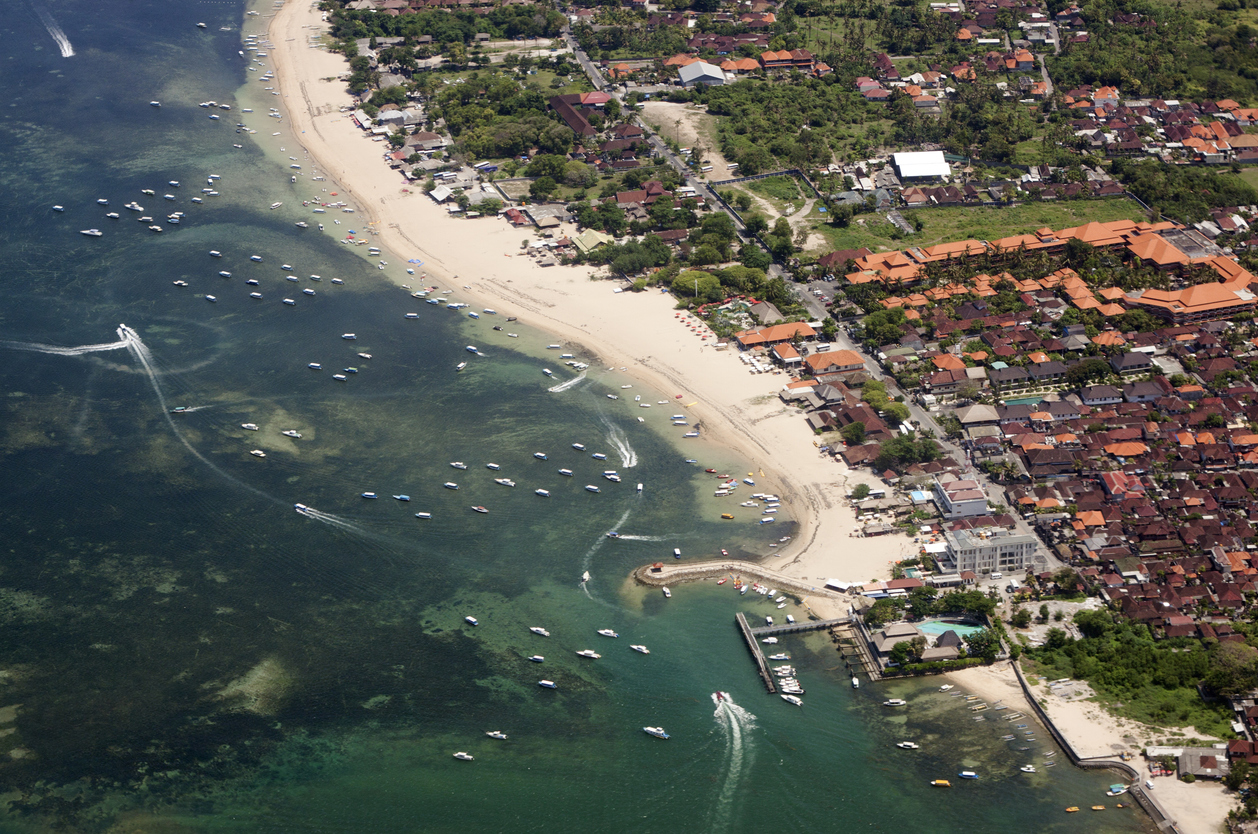
Canggu is often described as the best place to live in Bali for digital nomads — and that reputation exists for a reason. It’s energetic, international, creative, and constantly moving.
Why Canggu Feels Alive
Living in Canggu means being surrounded by cafés, coworking spaces, yoga studios, surf schools, and people who are doing something. Writing, coding, filming, designing, building startups, or simply reinventing themselves.
It’s incredibly easy to fall into a routine here:
- Morning coffee and laptop time
- Midday surf or gym
- Afternoon work session
- Sunset at the beach
- Dinner with people you met two days ago
If you’re staying in Bali for one month and want social density, Canggu delivers.
The Reality of Daily Life
That said, Canggu is not quiet. Traffic can be intense. Construction never really stops. During high season, it can feel crowded and overstimulating.
Short-term living works best if you:
- Choose accommodation slightly away from main roads
- Accept scooters as part of life
- Embrace the energy instead of fighting it
Canggu is perfect if you want to plug in quickly. It’s less ideal if you’re sensitive to noise or craving solitude.
Ubud: Green, Grounded, and Slower

After Canggu, Ubud feels like a deep exhale.
Ubud is often called the spiritual heart of Bali, but that description barely scratches the surface. For short-term living, Ubud offers something rare: mental spaciousness.
What Living in Ubud Feels Like
Your days in Ubud unfold differently. Mornings are quiet. The air is cooler. Instead of beach sunsets, you get misty rice fields and jungle sounds.
Ubud is ideal if you want:
- Focused work
- Creative thinking
- Healing or recovery
- A break from constant social stimulation
Many people who feel overwhelmed in Canggu find their balance here.
The Practical Side
Ubud still has excellent infrastructure for longer stays: coworking spaces, cafés with strong Wi-Fi, organic markets, and affordable villas. However, nightlife is limited, and you’ll need a scooter or driver to explore nearby villages.
For a one-month stay, Ubud works beautifully if you treat it as a base for inner life, not entertainment.
Uluwatu: Space, Ocean, and Silence
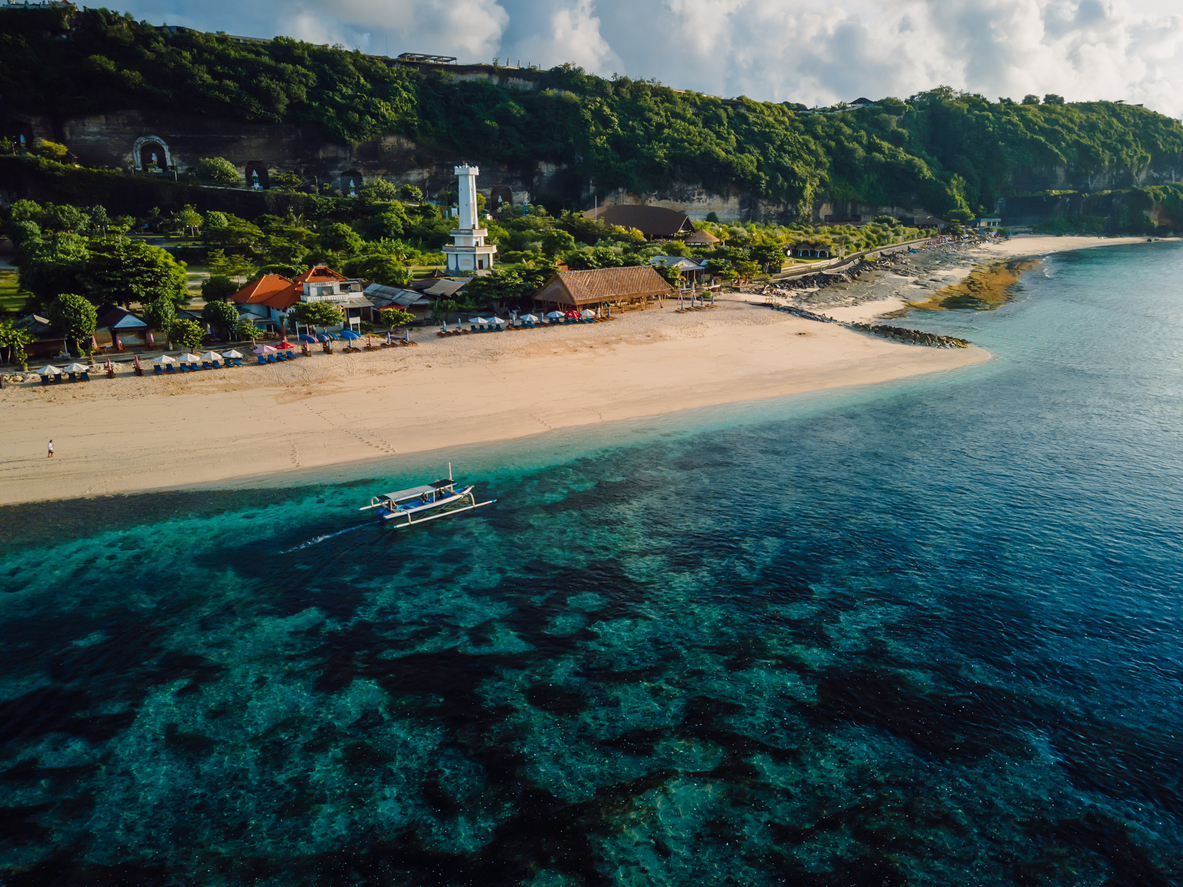
Uluwatu is where Bali stretches out and slows down.
Located on the Bukit Peninsula, Uluwatu offers dramatic cliffs, turquoise water, and a sense of openness you won’t find in busier areas.
Why People Fall in Love with Uluwatu
Living in Uluwatu feels almost cinematic. Wide roads, ocean views, fewer crowds. It’s especially appealing if you love surfing or simply want to wake up to space and silence.
Short-term stays here feel restorative. Days are simple: beach, food, rest, repeat.
Things to Consider
Uluwatu is less convenient. Shops are spread out, nightlife is minimal, and social opportunities require effort. But if you’re staying in Bali for a month and want mental calm, this trade-off can be worth it.
Sanur: Quiet Comfort and Balance

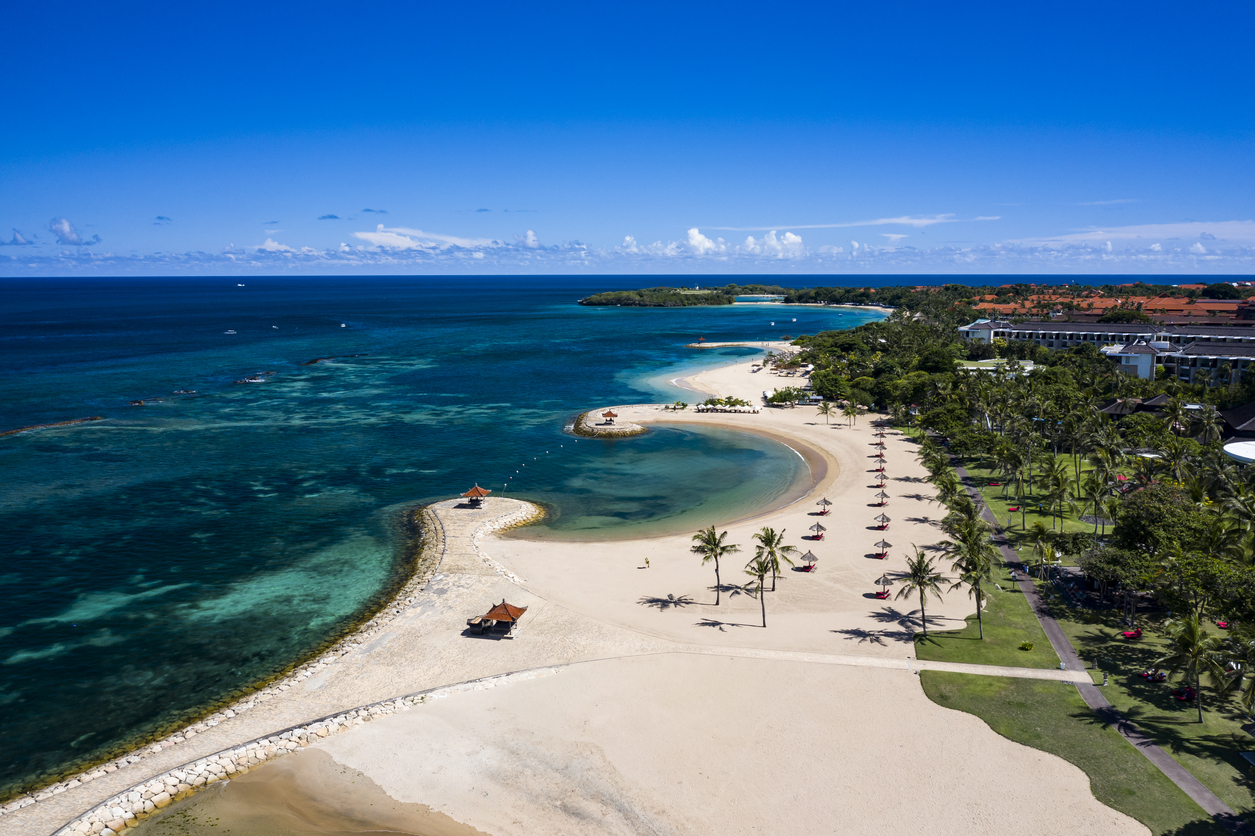
Sanur is often overlooked — and that’s exactly why it works.
Located on Bali’s east coast, Sanur offers a calmer, more traditional atmosphere. It’s flat, walkable, and refreshingly low-key.
Who Sanur Is Perfect For
Sanur is one of the best places to live in Bali if you want:
- Peaceful mornings
- Easy walks
- Reliable infrastructure
- Less tourism pressure
It’s popular with families, older travelers, and people who value routine.
Daily Life in Sanur
The beachfront promenade becomes part of your life quickly. Morning walks, sunrise swims, casual cafés. Evenings are quiet, not boring — just calm.
For a short-term stay, Sanur is excellent if you want Bali without intensity.
Nusa Penida: Raw Beauty and Island Perspective

Nusa Penida is not the easiest place to live — and that’s precisely why it’s unforgettable.
Just off Bali’s southeast coast, Nusa Penida feels wilder, rougher, and more elemental.
What Living on Nusa Penida Is Like
Life here strips down to essentials. Roads are rough, shops are simple, and entertainment comes from nature itself. Cliffs, ocean, silence.
For short-term stays, Nusa Penida works best as a reset location. A place to disconnect, reflect, and experience a different pace of island life.
Getting There — and Experiencing It from Above
Most people reach Nusa Penida by boat, but for a truly unforgettable arrival, helicopter flights with Balicopter offer a completely different perspective. Seeing Bali and Nusa Penida from the air reveals just how dramatic and untouched parts of the island still are.
For travelers staying longer, this option saves time and turns transportation into an experience itself.
Practical Tips for Living in Bali for a Month

Short-term living becomes much easier when you plan with flexibility.
Accommodation:
Start with Airbnb or short-term rentals, then negotiate locally if extending.
Transport:
Scooters offer freedom but require confidence. Drivers are affordable alternatives.
Work & Internet:
Canggu and Ubud are safest for stable Wi-Fi. Remote areas require backups.
Budget:
Monthly costs vary widely but Bali remains accessible compared to many global hubs.
Final Thoughts: Choosing Your Bali
There is no single best place to live in Bali — only the best place for you, right now.
Canggu energizes.
Ubud grounds.
Uluwatu opens space.
Sanur comforts.
Nusa Penida transforms.
For short-term stays, Bali is not about settling down forever. It’s about trying on different versions of yourself — and seeing which one fits best.
And that’s what makes living in Bali, even for just a month, so powerful.
Related Tours
See more Blog Posts


.svg)

.svg)
.svg)
.svg)

