





10 Things to Do in Nusa Penida in 2026


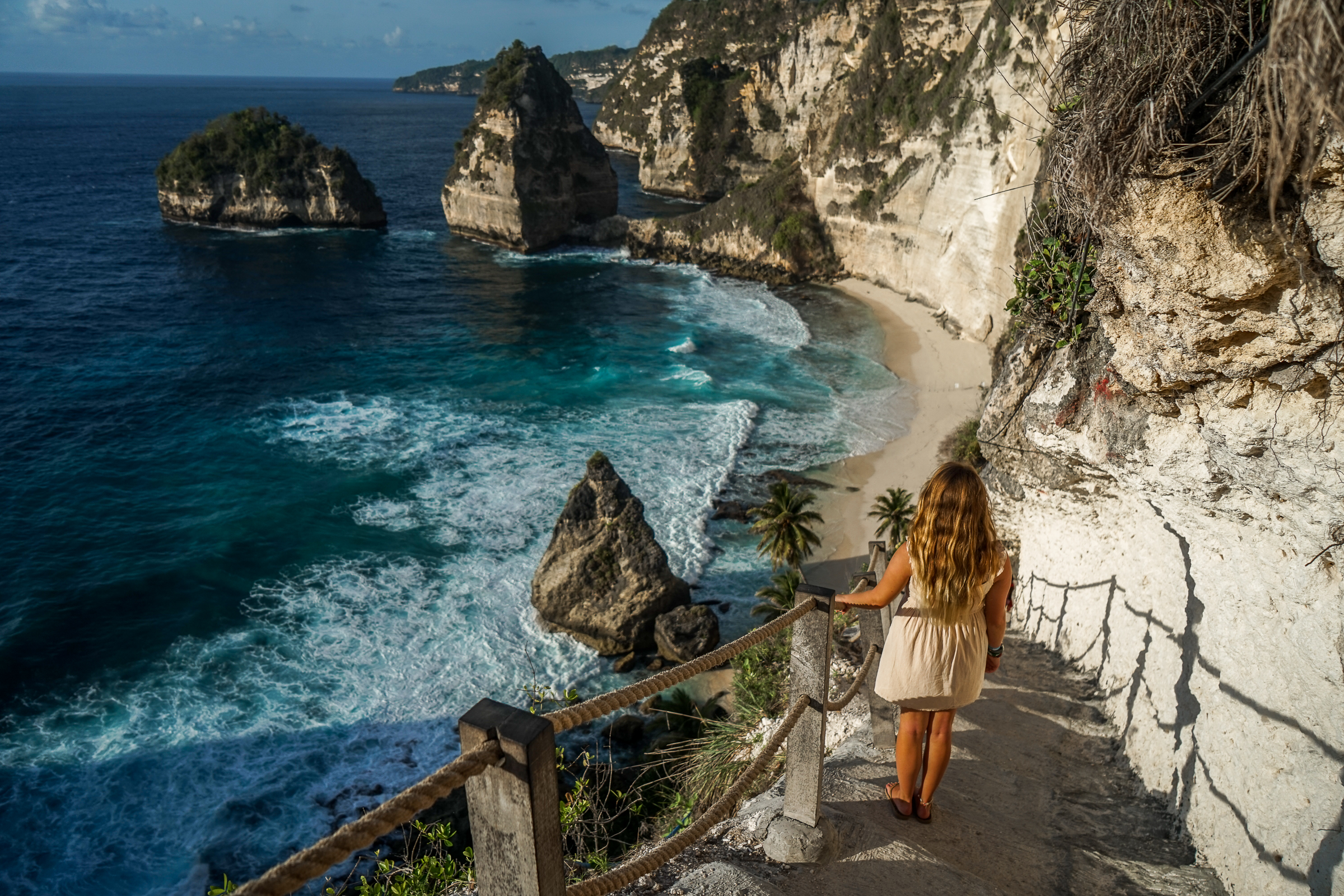
Nusa Penida has become one of Indonesia’s most extraordinary island destinations — dramatic cliffs that fall straight into turquoise water, beaches carved into impossible shapes, manta rays gliding through deep-blue channels, and landscapes that feel untouched by time. By 2026, the island continues to evolve, offering better infrastructure, new viewpoints, and more sustainable tourism practices, yet still keeping its raw, wild character that travelers love.
Most visitors come for a day trip, rushing through Kelingking, Diamond Beach, and Broken Beach in a crowded schedule. But Nusa Penida is much more than a checklist of scenic spots. It’s a place worth slowing down for — a place where sunrises over jagged limestone towers feel almost otherworldly, where the ocean seems unreasonably blue, and where hidden coves wait far from the crowds.
Before diving into the classic “top ten,” there is one experience that stands above everything else — the only way to see all of Penida’s cliffs, coves, and impossible formations without traffic, heat, or rough roads.
1. Take a Helicopter Tour Over Nusa Penida (The Most Spectacular Way to Explore)
.jpeg)
Seeing Nusa Penida from the air is nothing short of breathtaking. From above, the island reveals itself as a jagged crown rising out of deep cobalt water — cliffs folded like dragon scales, hidden beaches glowing white beneath the waves, and coves so perfect that they look unreal. A helicopter tour allows you to take it all in at once: Kelingking’s T-Rex head, the blinding-white arch of Diamond Beach, the sweeping Thousand Islands viewpoint, and the shattered ring of Broken Beach.
Unlike boat tours or car trips, which depend on long drives and rough roads, a helicopter flight is fast and effortless. In just 20–25 minutes from Bali, you’re soaring above the most dramatic coastline in the region. There are no crowds, no queues, no time pressure — only uninterrupted aerial views and the freedom to appreciate the scale of Penida’s landscapes.
This is also the most reliable option during the rainy season, when seas are rough and boat schedules become unpredictable. For honeymooners, photographers, families with small children, or travelers who simply want the most memorable experience possible, it’s hard to imagine a more impressive introduction to Nusa Penida.
Balicopter offers both scenic flights and private charters, allowing you to combine an aerial tour with a private car on the island if you want to explore certain spots on foot. For many travelers in 2026, this becomes the highlight of the entire Bali trip — an experience that turns Penida from a beautiful island into something truly unforgettable.
2. Visit Kelingking Beach & the T-Rex Cliff Viewpoint

Kelingking Beach is the reason many travelers first hear about Nusa Penida — the iconic T-Rex–shaped cliff that plunges into turquoise water has become one of the most photographed coastal formations in the world. Yet no photo quite prepares you for the moment you step to the edge and see it in person. The scale is overwhelming: a massive limestone spine rising from the sea, surrounded by waves that crash far below with slow, rhythmic force.
Most visitors head straight to the main viewpoint where the T-Rex shape is most visible. In 2026, the area is better maintained than before, with reinforced railings and improved paths, though it still retains its rugged charm. The earlier you arrive, the more peaceful the experience — the light is soft, the crowds are thin, and the cliff glows gold as the sun rises behind you.
Reaching the beach itself is possible, but it is not a casual walk. The descent is steep, exposed, and physically demanding, with uneven steps carved into the rock and narrow wooden railings. It’s a rewarding adventure for experienced hikers but not recommended in midday heat or for travelers with mobility concerns. Even if you don’t go all the way down, the upper viewpoint alone makes Kelingking one of the absolute must-see places on the island.
Kelingking is unforgettable, but it’s also extremely popular — which is why having a good plan matters. If you visit after midday, expect crowds and long waiting times for the main photo spots. That’s one of the reasons helicopter travelers appreciate seeing Kelingking from the air first: the aerial perspective reveals the full shape of the cliff in a way impossible from the ground, and the on-foot visit then becomes a more intimate, focused experience rather than a race through crowds.
3. Relax at Diamond Beach — the Most Photographed Beach in the Region
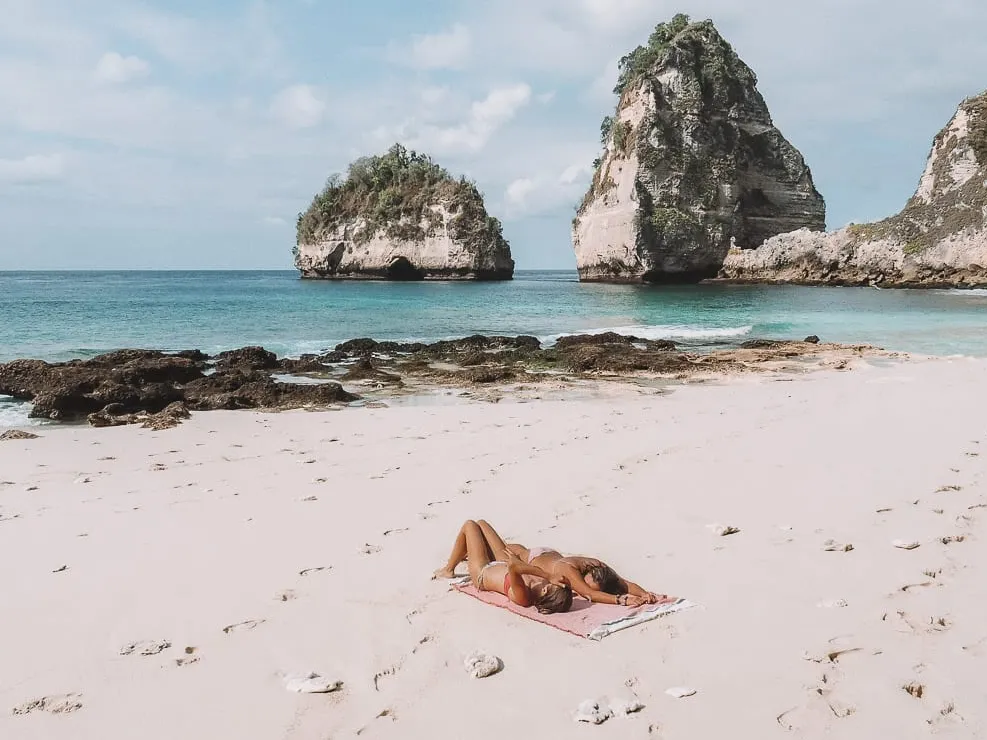
Diamond Beach feels like a place that shouldn’t exist in the real world — a perfectly carved white-sand cove framed by towering limestone spires that rise like giant diamond-shaped pillars from the sea. It’s one of the most dramatic beaches in Indonesia, and when you see it for the first time, the scene looks almost too cinematic to be natural.
The descent to Diamond Beach begins with a stone staircase cut directly into the cliffside. Over the last few years, this path has been widened and reinforced, but it remains steep and narrow in places. As you walk down, every turn reveals another angle of the turquoise water crashing against the pinnacles below. The light here is particularly beautiful in the morning, when the cliffs shield the beach from harsh sun and the water appears almost neon-blue.
Once you reach the sand, you immediately understand why Diamond Beach is so famous. The waves are powerful and often unsuitable for swimming, but that’s not the point of this place. Most visitors come to relax on the sand, take photos, and soak in the raw coastal beauty. You’ll find a few shaded areas under the cliffs and even a picturesque rope swing that has become one of the island’s signature photo spots.
Because Diamond Beach is on the eastern side of Nusa Penida, arriving early is essential. Before 10 AM, the beach is quiet, soft-lit, and magical. After midday, the sun becomes intense, the tide rises, and the area fills quickly. Early mornings also provide the best conditions for photography, because the cliffs still cast long shadows that highlight the shape of the coastline.
For many travelers, Diamond Beach is the emotional highlight of the trip — not necessarily for swimming or relaxing, but for the sense of awe it inspires. Like many Penida locations, it’s raw, natural, and powerful. If you visit only one beach on the island, it should be this one.
4. Experience Thousand Islands Viewpoint — Nusa Penida’s Most Dramatic Panorama
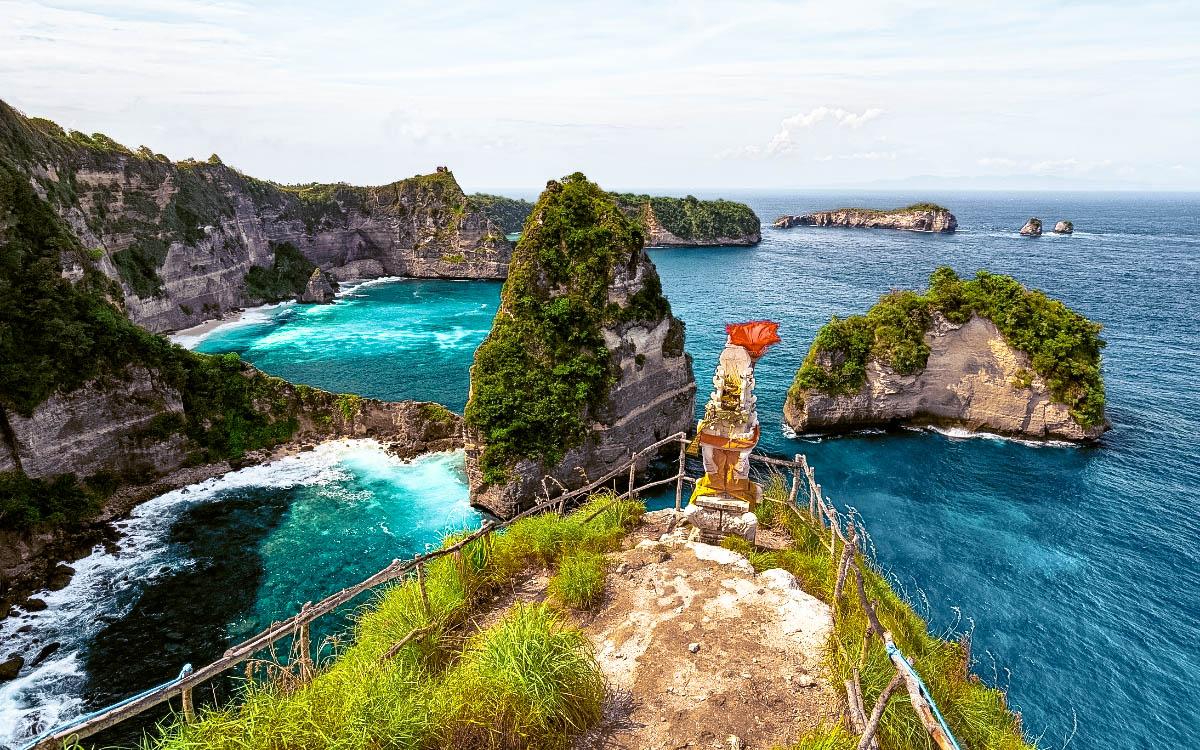
Thousand Islands Viewpoint, known locally as Pulau Seribu, is one of those places where the landscape feels entirely larger than life. Standing at the cliff’s edge, you see a chain of limestone islands stretching across the ocean — sharp, jagged, irregular formations rising from the water like ancient monuments. The view is vast, layered, and endlessly photogenic, especially in the soft morning light.
Located on the eastern side of Nusa Penida, this viewpoint is often less crowded than Kelingking or Diamond Beach, making it an ideal place to pause and take in the island’s natural scale without rushing. The path to the viewpoint involves a short walk down stone steps that wind along the cliff. It’s not difficult, but you’ll want comfortable shoes and plenty of water, as the sun in this part of the island becomes strong very quickly.
One of the most iconic elements of this area is the Rumah Pohon Tree House, perched on a cliff with a postcard-perfect view of the rock islands. Even if you don’t stay there, you can walk down for a photo or simply enjoy the lookout. The tree house has become one of the island’s signature Instagram spots, but early mornings still offer long stretches of quiet time before the daytime visitors arrive.
The true magic of Thousand Islands Viewpoint lies in the sense of space. From here, the ocean looks infinite, and the clusters of limestone towers create a surreal mosaic of blues, greens, and pale stone. This is also one of the best places on the island to understand the geography of East Penida — expansive, wild, and untouched compared to the busier west coast.
If you’re visiting Diamond Beach the same morning, Thousand Islands is only a few minutes away, and together they form one of the most memorable sunrise routes in Nusa Penida. For travelers who love dramatic landscapes and panoramic views, this viewpoint is absolutely essential.
5. Explore Broken Beach & Angel’s Billabong — Penida’s Natural Wonders

Broken Beach and Angel’s Billabong are two of Nusa Penida’s most famous coastal landmarks, located just a short walk from each other on the island’s rugged western shore. Together, they form one of the most dramatic sections of coastline in all of Bali’s surrounding islands — a place where geology, ocean power, and sheer visual spectacle collide.
Broken Beach (Pasih Uug) is unlike any other beach you’ll see in Indonesia. It’s not a beach you walk onto, but a massive circular cove carved into the coastline, with a natural stone arch that allows the ocean to flow in and out. When you stand on the rim and look down, the water below swirls in vivid shades of blue, shifting with the rhythm of the waves. The size of the formation always surprises first-time visitors — it feels like a natural amphitheater sculpted by centuries of erosion and volcanic movement.
Just a short walk away is Angel’s Billabong, a natural tidal pool formed by flat, layered rock shelves. At low tide, the water becomes almost transparent, revealing patterns of algae and small marine life beneath the surface. In the right light, the pool glows emerald and gold, creating the impression of a liquid gemstone. It’s one of the most photographed places on the island, but it’s also one of the most misunderstood.
Angel’s Billabong is stunning, but it’s not always safe. Waves along this coastline can be unpredictable, and even during calm conditions, surges can sweep over the rocks. In 2026, local authorities have enforced stricter safety guidelines, limiting access when waves become too strong. The safest time to visit is early in the morning during a low tide window, when the ocean is quiet and the reflections are at their most beautiful.
Despite the crowds that gather at midday, Broken Beach and Angel’s Billabong still retain their raw, untamed energy. The cliffs are enormous, the water is impossibly blue, and the sound of the waves echoing through the arch creates a sense of constant motion.
If you want to appreciate these locations with fewer people around, aim to arrive before 9 AM — or after 4 PM, when the light becomes softer and many day-trip tours have already left the island.
6. Enjoy Crystal Bay — The Best Sunset Spot on Nusa Penida

Crystal Bay is the kind of place where time seems to slow down. After a day of steep cliffs, powerful waves, and dramatic viewpoints, this calm, crescent-shaped beach offers a completely different side of Nusa Penida — gentle, relaxed, and peaceful. It’s the island’s most comfortable swimming area, its most accessible beach, and undeniably its best location for watching the sun disappear behind the horizon.
The bay is framed by palm trees and backed by rolling hills, with a small rocky island sitting just offshore. The water here is typically calmer than on Penida’s eastern and southern coasts, making it one of the safest places for a swim. Many visitors spend the late afternoon floating in the warm shallows or relaxing on a rented sunbed with a cold drink in hand.
But the real magic happens at sunset. As the sun drops lower, the light gradually shifts into soft oranges and pinks, reflecting off the water in long shimmering streaks. The offshore island becomes a perfect silhouette, and locals and travelers alike gather on the sand to take in the view. Unlike the more intense landscapes elsewhere on the island, Crystal Bay feels warm, approachable, and deeply soothing — a reminder that Penida isn’t only about dramatic cliffs, but also about quiet moments by the sea.
Because it is one of the island’s more accessible beaches, Crystal Bay can get busy during midday, especially with snorkeling tours. But by late afternoon it becomes far more peaceful, drawing a crowd that feels relaxed rather than rushed. If you want a slow, cinematic end to your Penida day, this is the place to be.
7. Snorkel with Manta Rays — A Signature Nusa Penida Experience

Snorkeling with manta rays is one of the most unforgettable activities you can experience in Indonesia, and Nusa Penida is one of the few places in the world where these gentle giants appear reliably year-round. Their wingspans can reach up to five meters, yet they move with slow, graceful precision — gliding through the water with a calmness that feels almost meditative. Seeing one rise beneath you from the deep blue is a moment you don’t easily forget.
Most tours head to two main spots: Manta Bay and Manta Point. Manta Bay is closer and more commonly visited, offering a higher chance of sightings but also more boat traffic. Manta Point, located farther south along the cliffs, is wilder and often has larger mantas, but the waves can be stronger and the currents more unpredictable. In 2026, tour operators are working more closely with marine conservation groups to reduce overcrowding and minimize disturbance — a positive shift that improves both safety and sustainability.
It’s important to understand that manta rays are wild animals, and encounters are never guaranteed. However, Penida has one of the highest success rates in the region, especially in calmer seasons. Even when the mantas don’t appear, the snorkeling itself is still worth the trip, with rich reefs, bright fish, and deep blue drop-offs that feel like swimming above underwater cliffs.
Safety should be a priority. The waters surrounding Penida are known for strong currents, especially in the southern areas. Choose reputable operators who provide proper safety equipment, clear instructions, and guides who understand the ocean conditions. Avoid tours that appear rushed or overcrowded — the experience is far better when boats are respectful of space and interaction guidelines.
When everything lines up — the weather, the current, the visibility — snorkeling with manta rays becomes a near-spiritual encounter. It’s one of those activities that changes the meaning of a trip, transforming a travel day into a lifelong memory.
8. Visit Atuh Beach — A Quiet Eastern Paradise
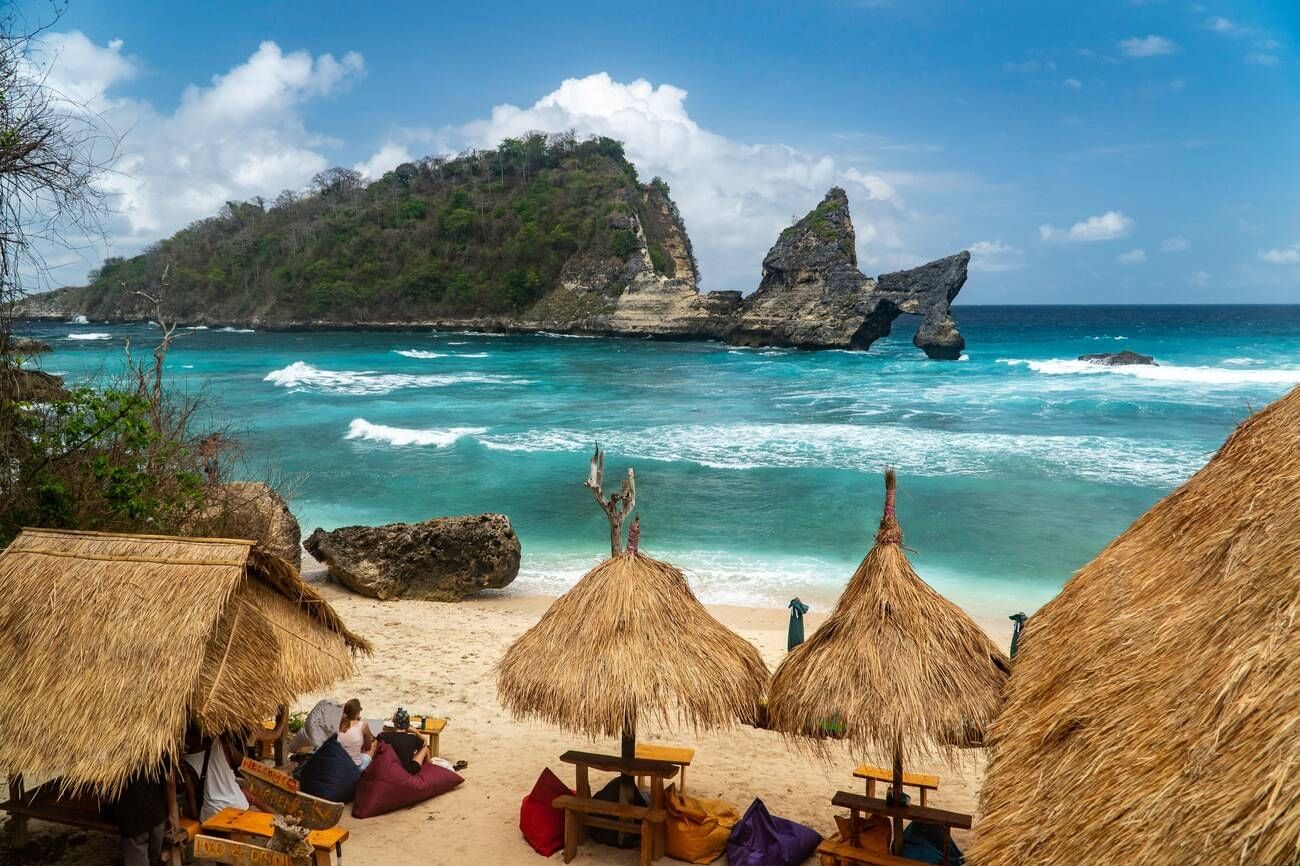
Atuh Beach often feels like the calmer, softer counterpart to Diamond Beach. While both sit along Nusa Penida’s dramatic eastern coastline, Atuh offers a gentler and more relaxed atmosphere, making it a perfect stop for travelers who want beauty without the intensity. The moment you arrive at the cliff-top viewpoint overlooking Atuh, the scene unfolds like a painting: a graceful arc of pale sand, turquoise water stretching into the horizon, and a series of limestone formations rising like natural sculptures from the sea.
The descent to Atuh Beach is straightforward compared to other parts of the island. The path has been improved significantly in recent years, with stone steps and handrails that make the walk down manageable for most visitors. As you descend, the view shifts constantly — first broad and panoramic, then intimate as the beach reveals its soft curve and shallow lagoon.
Unlike Diamond Beach, which often feels dramatic and exposed, Atuh has a more welcoming energy. The waves are usually gentler, the swimming conditions more predictable, and the beach wider and more open. You’ll find a few simple beach huts offering fresh coconuts or light snacks, and scattered umbrellas that provide shade during the hottest hours of the day.
Atuh is also one of the best early-morning spots on Nusa Penida. The sun rises directly across the ocean here, bathing the cliffs in gold and turning the water into a shimmering pastel gradient. Arriving before the crowds is not only peaceful but rewarding — the lighting is beautiful, the sand is cool, and the whole area feels untouched.
One of the reasons many travelers prefer Atuh is its balance: dramatic enough to impress, but comfortable enough to enjoy slowly. It’s a beach where you can sit for hours, listening to the waves and watching the light shift across the limestone towers. In an island full of adrenaline viewpoints and rugged cliffs, Atuh offers something essential — stillness.
9. Explore Tembeling Natural Pool & the Forest Path

Tembeling is one of Nusa Penida’s most atmospheric hidden gems — a place where the raw energy of the island softens into something quieter, cooler, and deeply calming. Reaching it requires more effort than most attractions, but that challenge is part of what makes Tembeling feel untouched. The journey itself is an experience: a winding forest path that leads you through dense greenery, echoing with birds, cicadas, and the sound of distant waves hitting the cliffs below.
Most travelers park their scooters or meet their local guides at the top, then continue down on foot or by hiring a motorbike taxi for the steep descent. The walk takes you through shady, narrow passages beneath towering trees, creating a refreshing contrast to the usual sun-exposed viewpoints of Penida. When the forest finally opens, you arrive at one of the island’s most serene spots — a pair of natural freshwater pools framed by towering rock walls.
The upper pool is shallow and bright, while the lower pool is deeper and more shaded, perfect for cooling off after the hike. The water is crisp and clean, fed by a natural spring that flows through the limestone. Visitors often mention how peaceful this area feels: no crowds, no loud tour groups, just a handful of travelers sitting quietly on the rocks or floating in the cool water beneath the trees.
If you continue walking beyond the pools, you’ll reach one of Penida’s most underrated coastal spots — a dramatic cliffside opening where the ocean crashes with enormous power against the rock. The view is wild and cinematic, and because it requires extra effort to reach, you’ll often have it almost entirely to yourself.
Tembeling isn’t as instantly accessible as Diamond Beach or Broken Beach, and that’s exactly why it’s special. It rewards patience and curiosity. It offers shade, cool water, and nature that feels ancient and untouched. For travelers who want to see the softer, more intimate side of Penida, Tembeling is a must.
10. Visit Goa Giri Putri — Nusa Penida’s Sacred Cave Temple
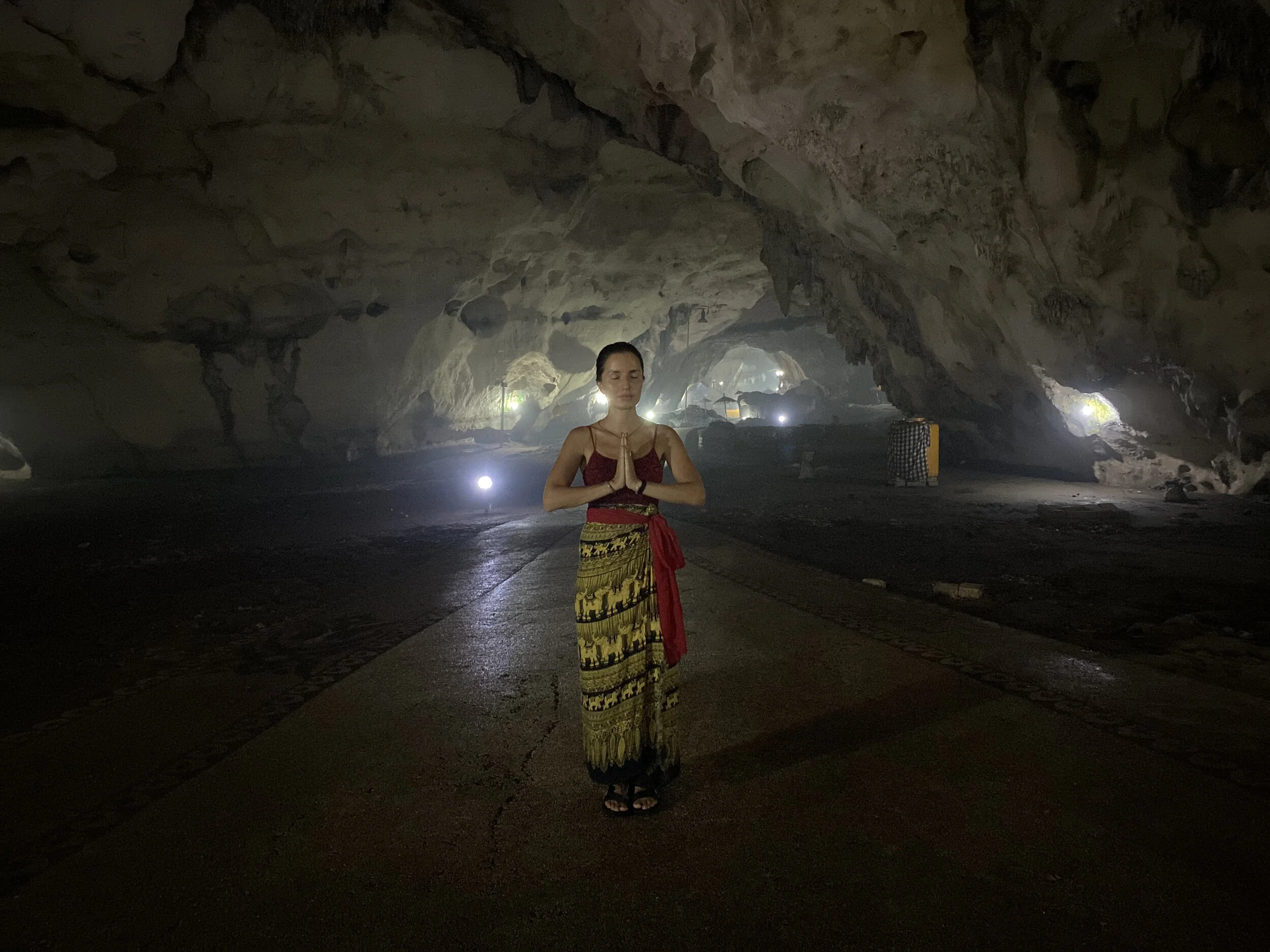
Goa Giri Putri is one of Nusa Penida’s most surprising and spiritually significant places — a massive underground temple hidden inside a limestone cave. From the outside, it looks almost unremarkable: a small opening in a cliff wall, narrow enough that you need to crouch and squeeze through. But once you pass inside, the space suddenly expands into an enormous cavern that feels like a world of its own. The contrast between the tiny entrance and the vast interior creates a sense of mystery that stays with you.
The cave is home to an active Hindu temple where ceremonies, blessings, and purification rituals take place throughout the day. Soft light filters in from cracks in the ceiling, and the sound inside is unlike anything else on the island — echoes of chanting, drops of water, and the subtle hum of the cave itself. Even without participating in any rituals, simply walking through the cavern gives you a powerful sense of presence and reverence.
Visitors must wear a saron (available for rent at the entrance) and behave respectfully, as the temple is not a tourist attraction but a functioning place of worship. Depending on the time of day, you may see locals making offerings, priests giving blessings, or groups moving through different sections of the cave as part of a ceremonial cycle.
The cave stretches far deeper than most expect. As you continue walking, the path opens into multiple chambers, each with its own atmosphere — some quiet and dimly lit, others filled with incense and color. Eventually, you emerge from a different exit near the top of the hill, rewarded with fresh air and panoramic views of the surrounding landscape.
Goa Giri Putri offers something rare on Nusa Penida: a cultural experience that balances the island’s natural attractions. It is a reminder that Penida is not just cliffs and beaches but a island with a deep spiritual heritage. Visiting the cave is humbling, grounding, and unexpectedly moving — an essential stop for anyone who wants to understand the island beyond its Instagram-famous viewpoints.
Final Thoughts — Is Nusa Penida Worth Visiting in 2026?
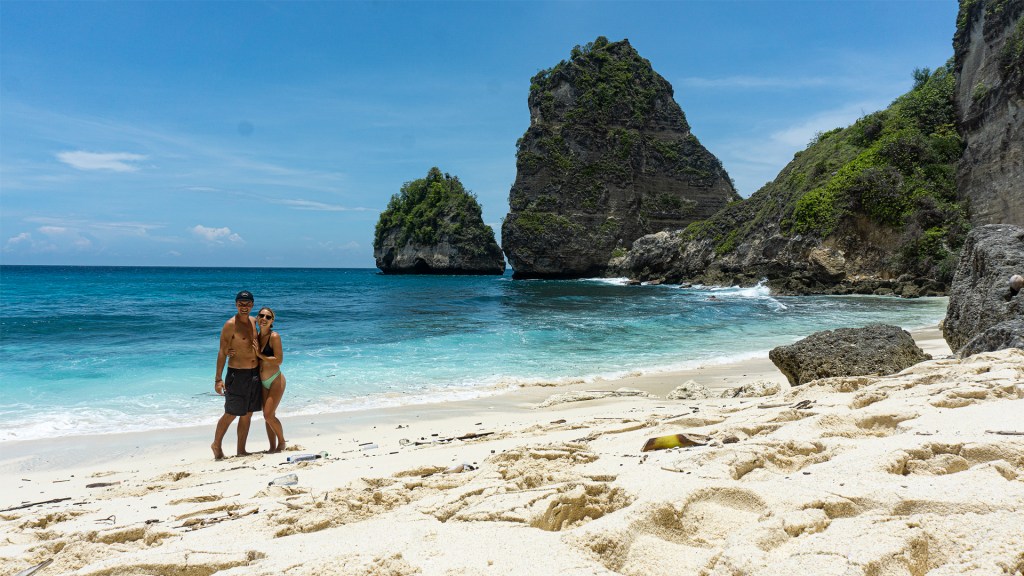
Nusa Penida remains one of the most extraordinary destinations in Indonesia — a place where nature still feels powerful, wild, and larger than life. By 2026, the island has evolved with better infrastructure, clearer viewpoints, improved safety measures, and more sustainable tourism practices. Yet it has managed to preserve the raw, dramatic character that draws travelers from around the world.
If you’re searching for impossible cliffs, surreal beaches, manta rays, and scenery that looks straight out of a fantasy world, Penida is absolutely worth your time. It delivers the kind of visual impact and emotional intensity that few places can match. It’s not a typical tropical island — it’s rougher, grander, and more elemental.
That said, Penida is not effortless. The roads can be challenging, the sun is strong, the distances deceptive, and the crowds significant at peak times. But with the right planning — arriving early, choosing the right transport, knowing which spots fit your pace — the experience becomes smooth, memorable, and deeply rewarding.
For travelers seeking the fastest, safest, and most spectacular way to see Nusa Penida, the helicopter tours stand in a category of their own. They bypass the ferries, the waves, the crowds, and the long drives, offering instead a breathtaking aerial introduction to the island’s cliffs and coves. If you want a once-in-a-lifetime way to explore Penida, start from the sky:
👉 Balicopter — Helicopter Tours & Private Transfers
Ultimately, Nusa Penida is worth visiting if you love beauty in its wildest form. It’s a place that demands a little effort but gives back far more. A place that stays with you long after you’ve left. And a place that, in 2026, continues to stand as one of the most unforgettable natural landscapes in Southeast Asia.
Related Tours
See more Blog Posts




.svg)

.svg)
.svg)
.svg)

