





Water Activities in Bali: The Ultimate Guide to Ocean, Rivers, and Island Adventures


Water Activities in Bali: The Ultimate Guide to Ocean, Rivers, and Island Adventures
Bali is often described as a tropical paradise, but for travelers who love the water, the island is much more than beautiful beaches and sunsets. It is a place where the ocean, rivers, waterfalls, and surrounding islands create one of the most diverse playgrounds for water activities in Southeast Asia. From calm lagoon snorkeling and family-friendly rafting to world-class surf breaks and dramatic canyoning routes, water activities in Bali can easily shape an entire trip.
What makes Bali especially attractive is not just the number of activities, but their variety and accessibility. In a single week, you can snorkel with manta rays, surf reef breaks beneath limestone cliffs, raft through jungle canyons, and explore waterfalls hidden deep in the island’s interior. Whether you are traveling as a couple, with children, or as an adventure-focused solo traveler, Bali offers water experiences for every level of comfort and adrenaline.
This guide brings together the best water activities in Bali, explains where to do them, when to go, and how to plan logistics efficiently. It also covers transportation options, including fast and premium ways to reach remote water locations, so you can spend less time on the road and more time in the water.
Why Bali Is One of the Best Destinations for Water Activities
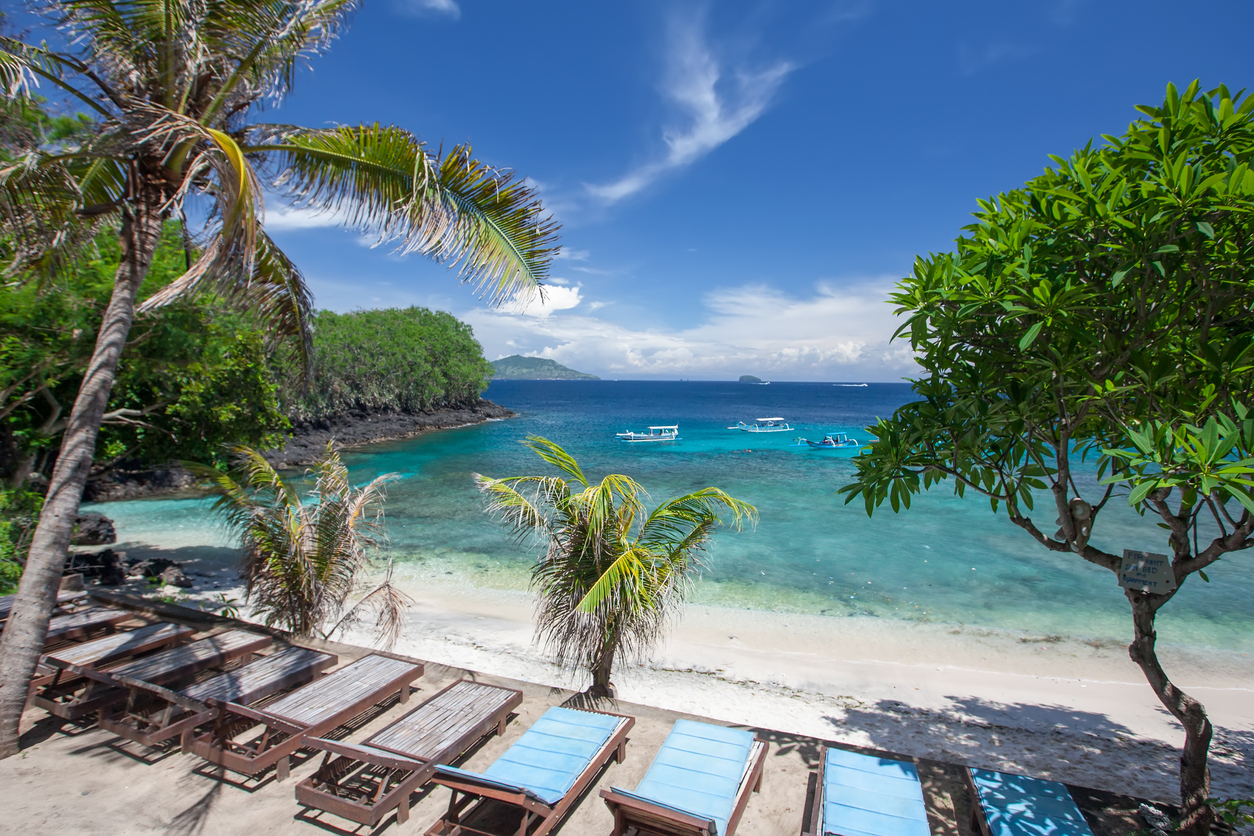
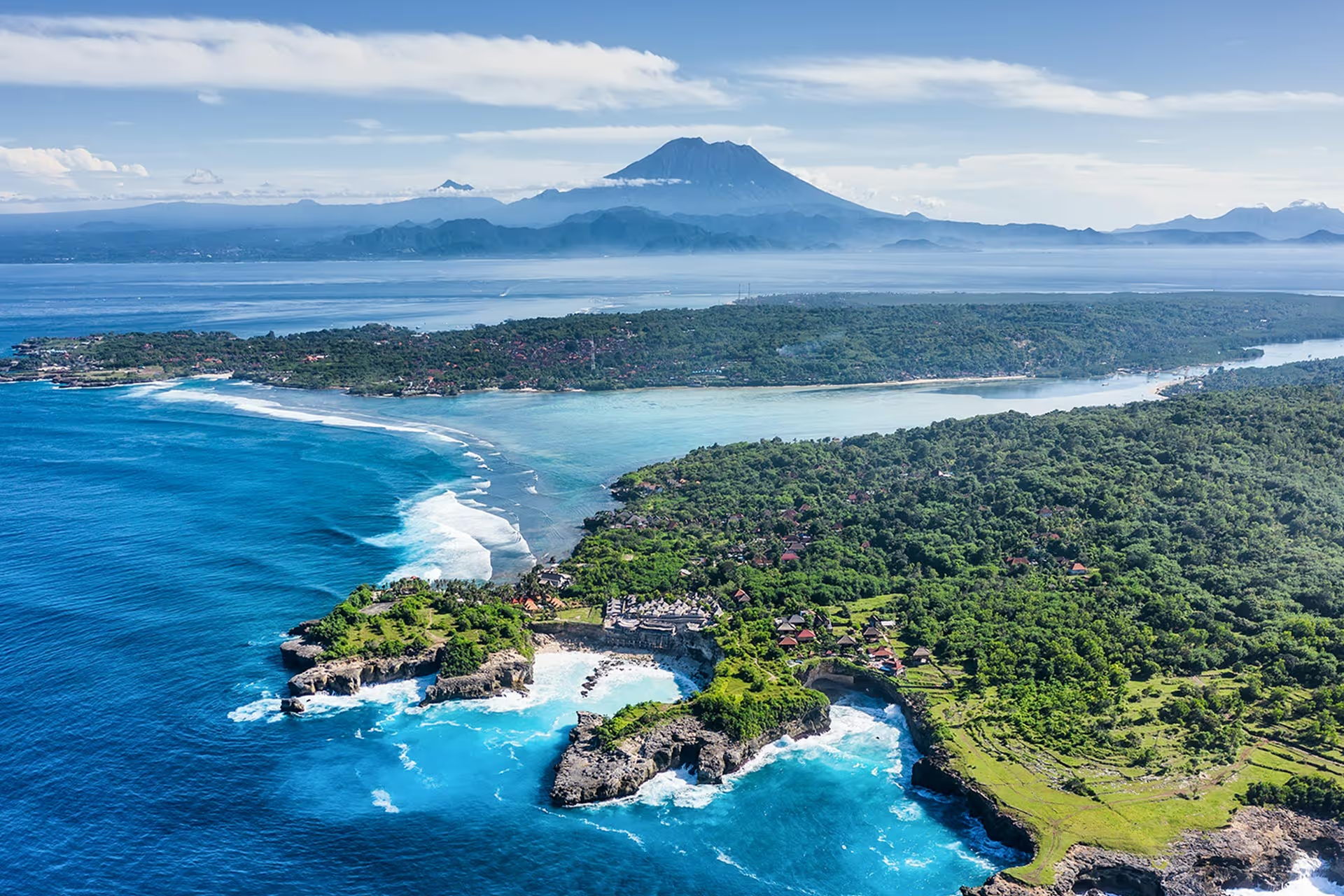
Bali’s geography is the foundation of its water-based appeal. The island sits between the Indian Ocean and the Bali Sea, with strong ocean swells on the south and calmer waters to the north and east. Add to that volcanic mountains, fast-flowing rivers, tropical rainforests, and nearby islands such as Nusa Penida and Nusa Lembongan, and you get an unusually rich mix of environments within short distances.
Another advantage is infrastructure. Bali has decades of experience hosting surfers, divers, and adventure travelers, which means equipment rentals, professional guides, and safety standards are widely available. You do not need to be an expert or bring your own gear to enjoy most activities. At the same time, experienced surfers and divers will find locations that meet international standards and expectations.
Finally, Bali’s water activities can be combined with culture, wellness, and food in a way that few destinations manage. A morning surf session, an afternoon spa, and a sunset seafood dinner can all happen in the same day, often within the same region.
Popular Water Activities in Bali
Snorkeling in Bali
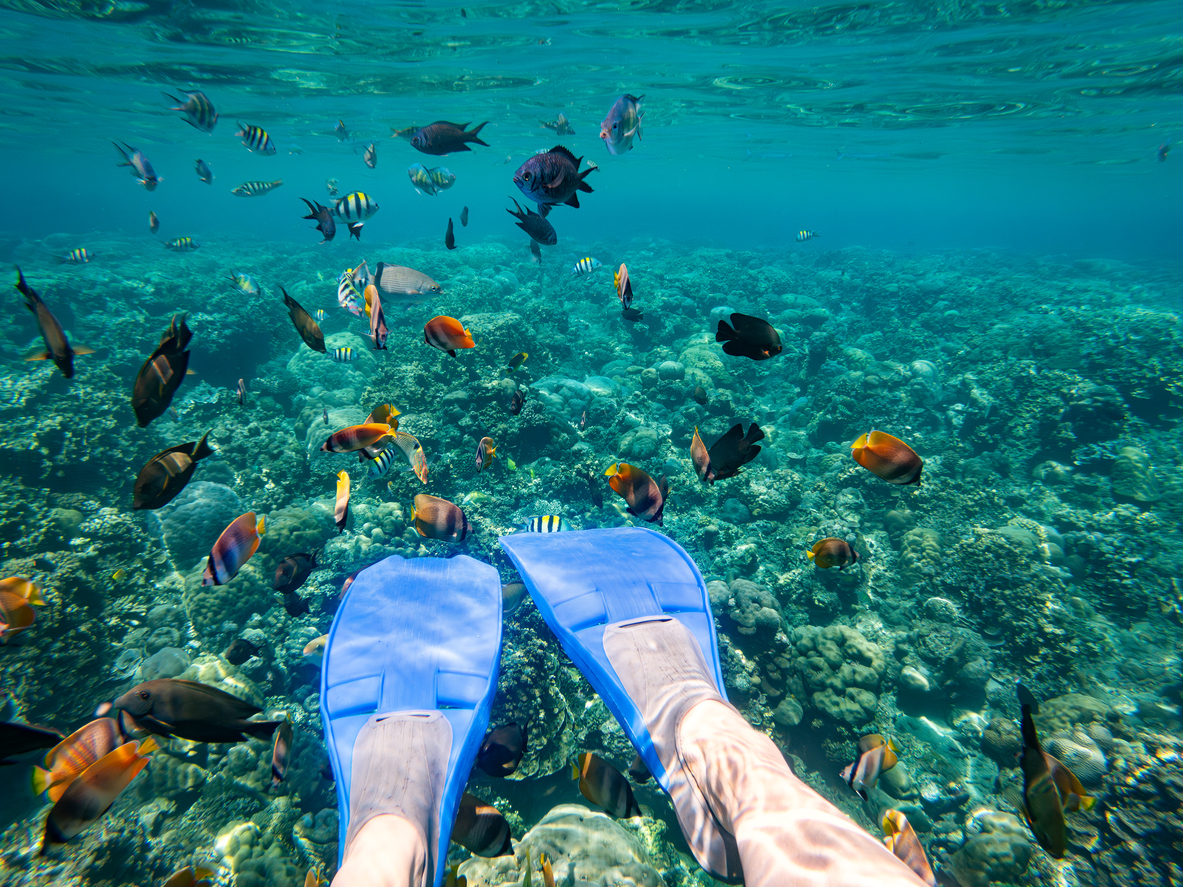
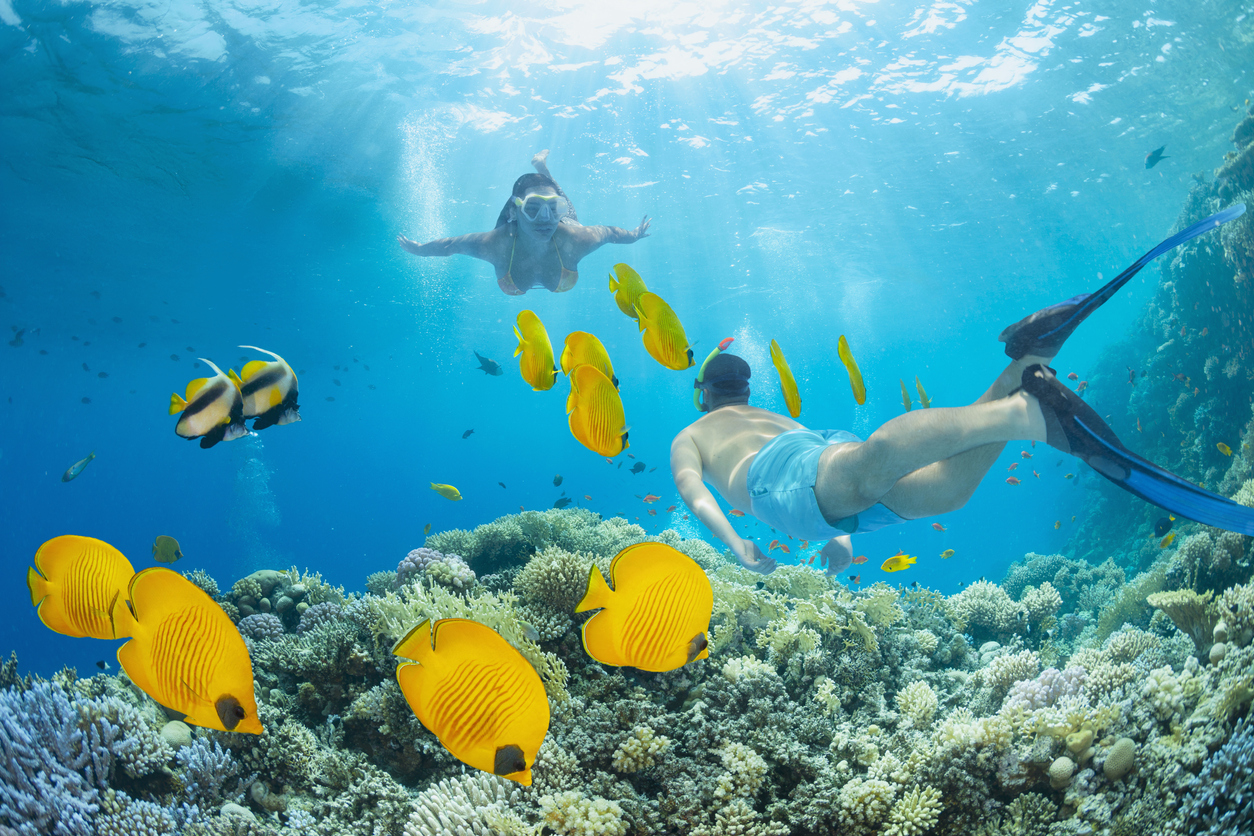
Snorkeling is one of the most accessible and rewarding water activities in Bali. Warm water, rich marine life, and a wide range of locations make it suitable for beginners, families, and experienced snorkelers alike.
Some of the best snorkeling spots are located on the east and north sides of the island, as well as on nearby islands. Amed and Tulamben are famous for calm waters and coral reefs close to shore, making them ideal for relaxed snorkeling without boat trips. Menjangan Island, part of West Bali National Park, offers clear water and vibrant coral walls, often considered among the best snorkeling areas in Bali.
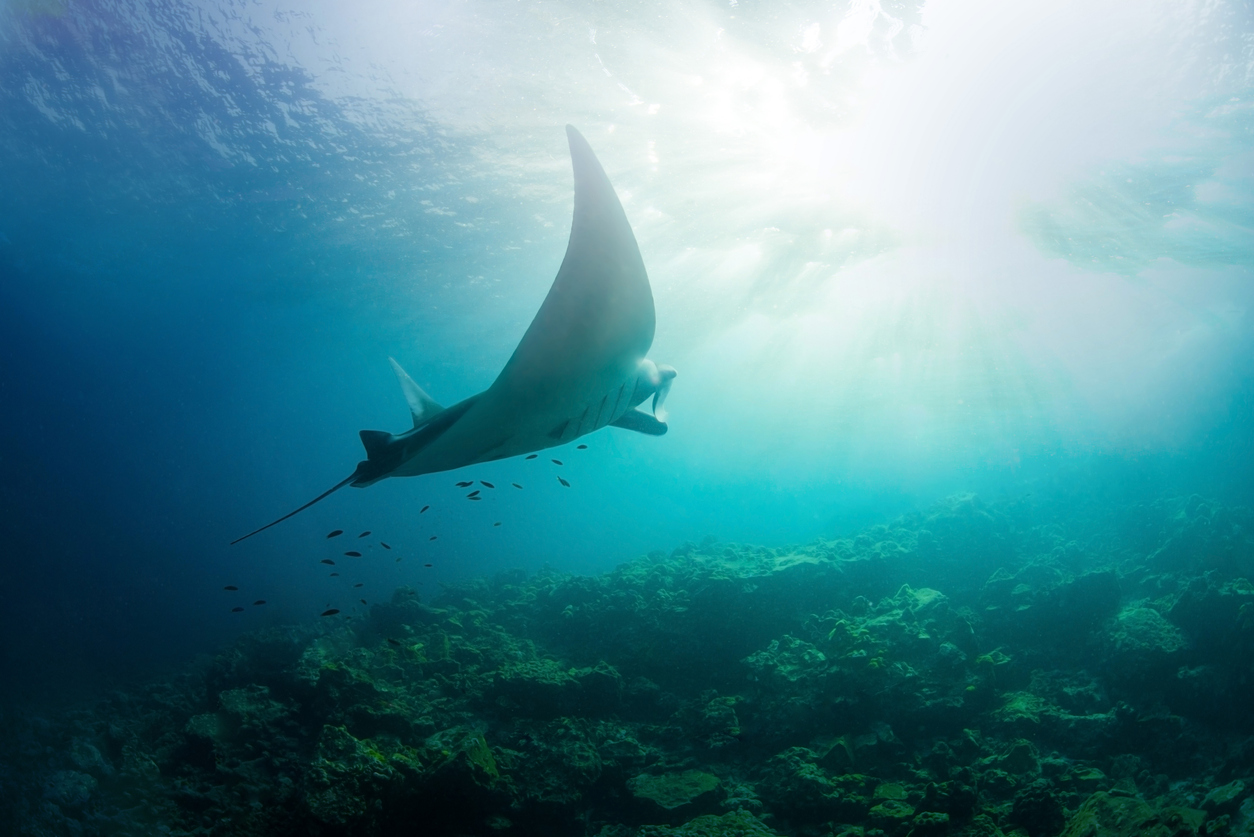
For those seeking something truly special, Nusa Penida stands out. The island is known for encounters with manta rays and, seasonally, mola mola (ocean sunfish). Snorkeling tours usually involve boat transfers, but the underwater experience is often the highlight of an entire Bali trip.
Scuba Diving in Bali
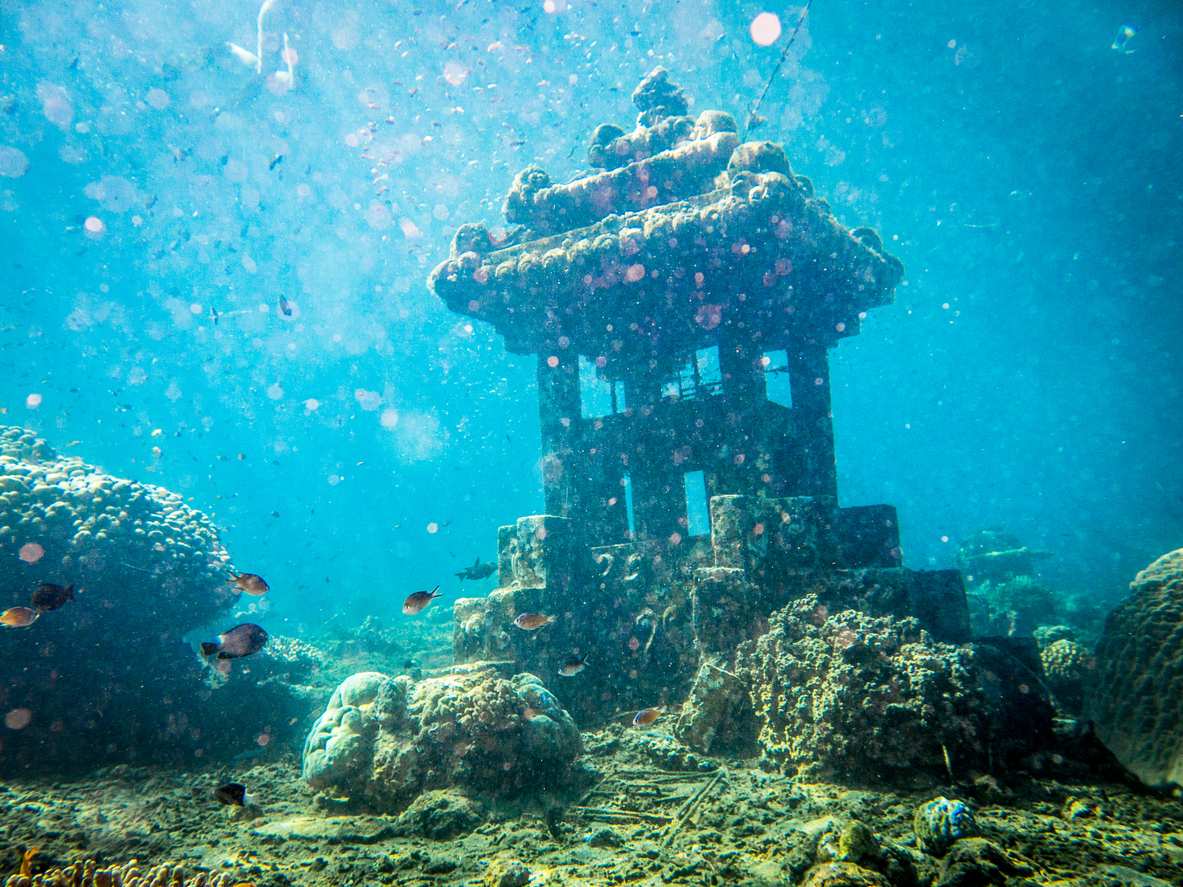
Bali is also a major diving destination, attracting divers from around the world. The diversity of dive sites is impressive: shipwrecks, coral gardens, steep walls, and drift dives can all be found within the region.
One of the most iconic dive sites is the USAT Liberty wreck in Tulamben. The wreck lies close to shore and is accessible to both beginners and experienced divers. In other areas, such as Nusa Penida, stronger currents create thrilling drift dives and support large marine life.
Dive centers across Bali offer beginner courses, refresher dives, and advanced certifications. For travelers who want to include diving without committing to long training schedules, discovery dives are widely available and professionally guided.
Surfing in Bali
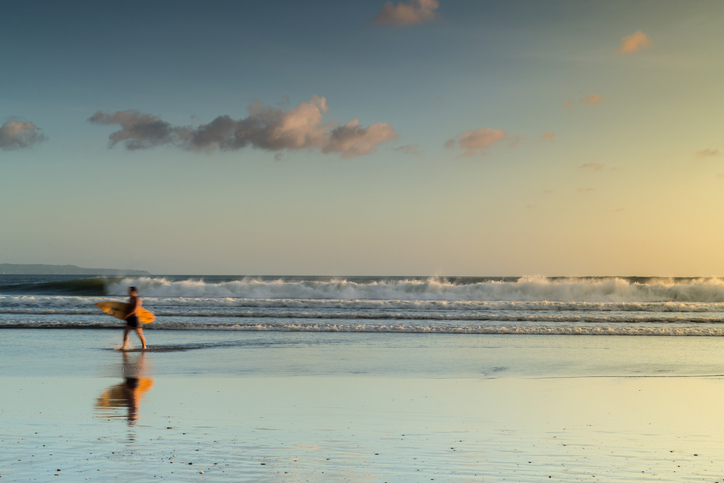
Surfing is inseparable from Bali’s global image. The island has been attracting surfers since the 1970s, and today it offers waves for every level. Beginners often start in beach-break areas like Kuta, Legian, and parts of Canggu, where sandy bottoms and surf schools make learning easier.
More advanced surfers head to Uluwatu, Padang Padang, and other reef breaks along the Bukit Peninsula. These waves are powerful, consistent, and visually stunning, breaking beneath dramatic cliffs.
Seasonality plays an important role in surfing. The dry season typically brings better waves to the west and south coasts, while the wet season shifts quality conditions to the east. This means there is almost always a surfable coast somewhere on the island.
Jet Skiing and Parasailing
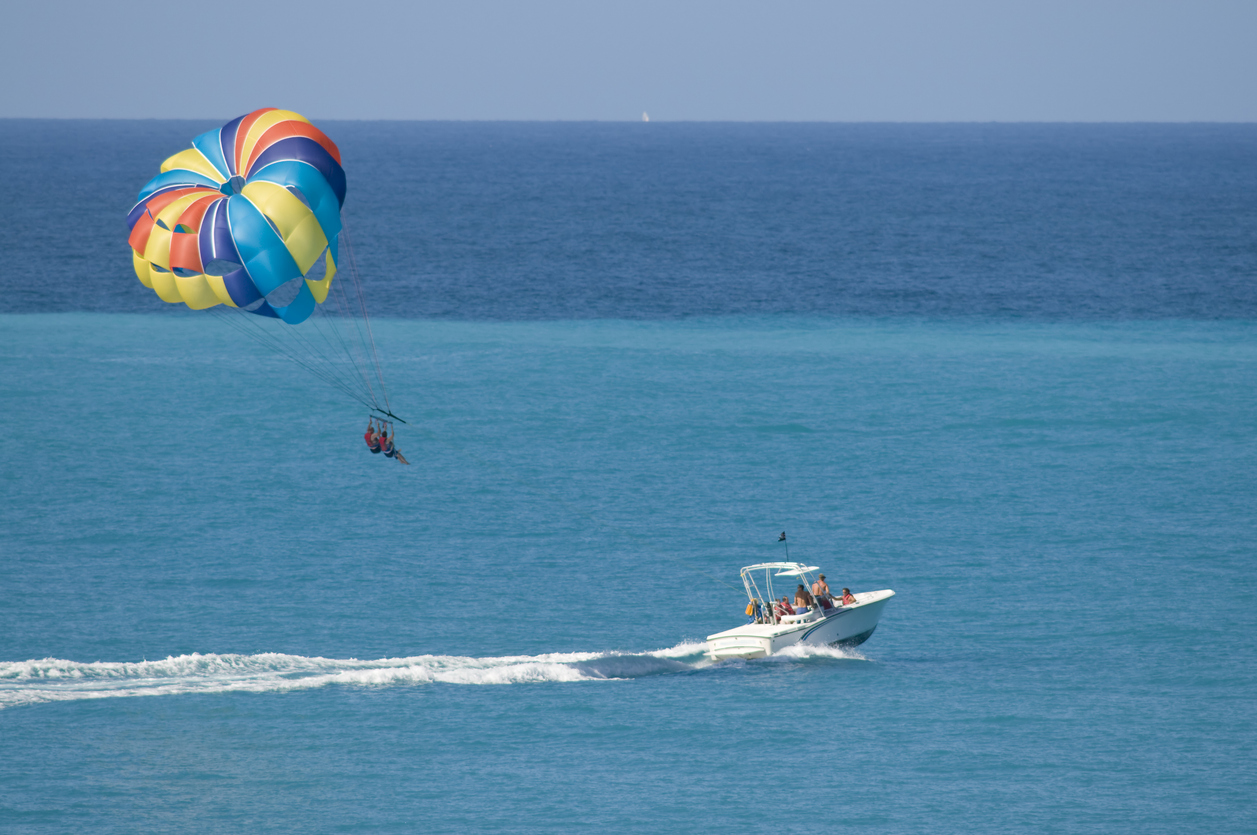
For travelers looking for high-energy, short-duration water fun, jet skiing and parasailing are popular choices. These activities are most commonly found in Nusa Dua, where calmer waters and organized facilities create a controlled environment.
Jet ski rides offer speed and excitement without requiring prior experience, while parasailing provides aerial views of the coastline. These activities are often combined into half-day packages and are suitable for groups and families with older children.
White Water Rafting in Bali
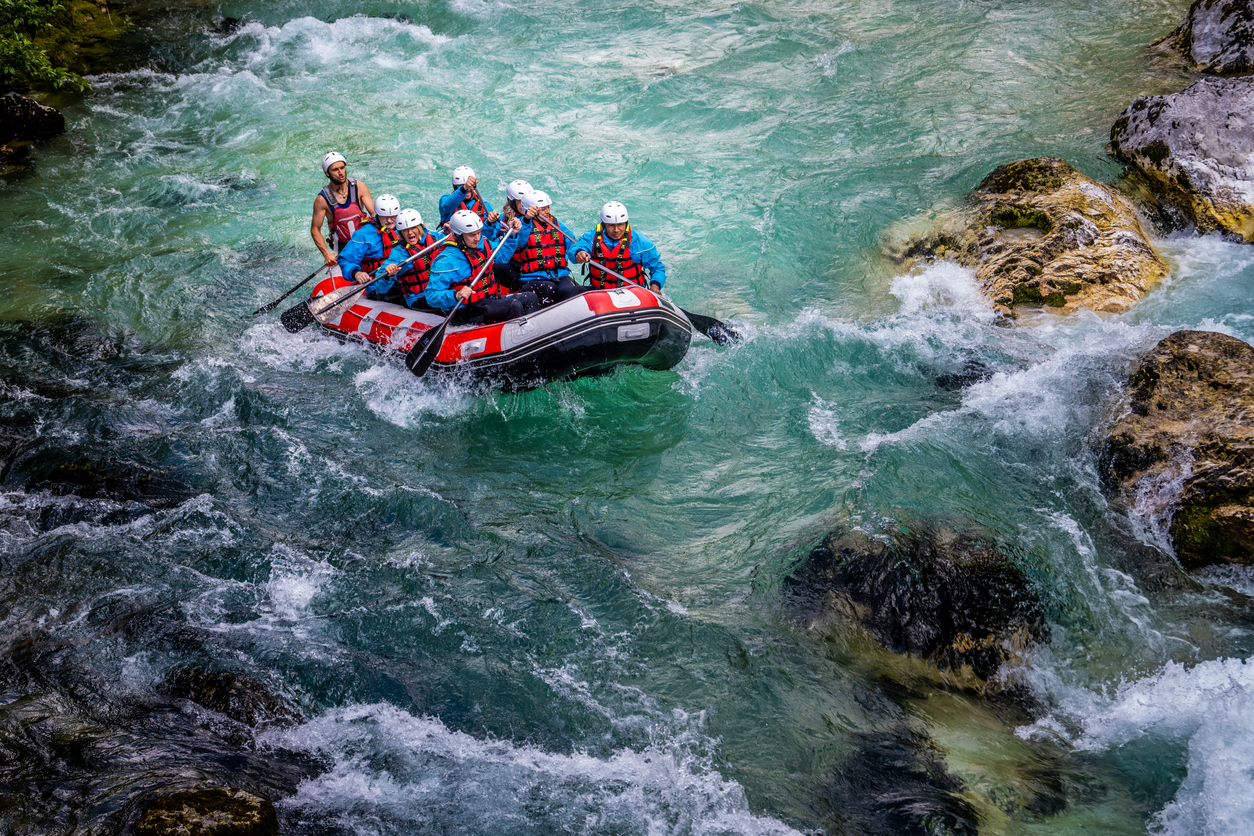
Bali’s rivers add another dimension to its water activities. White water rafting is especially popular because it combines adventure with nature and is accessible to a wide range of fitness levels.
The Ayung River near Ubud is the most well-known rafting location. It features gentle to moderate rapids, lush jungle scenery, and carved stone walls along parts of the river. This makes it suitable for beginners and families.
For a more intense experience, the Telaga Waja River in eastern Bali offers stronger rapids and longer routes. Rafting tours include professional guides, safety equipment, and transport, making them a convenient addition to most itineraries.
Canyoning and Waterfall Adventures
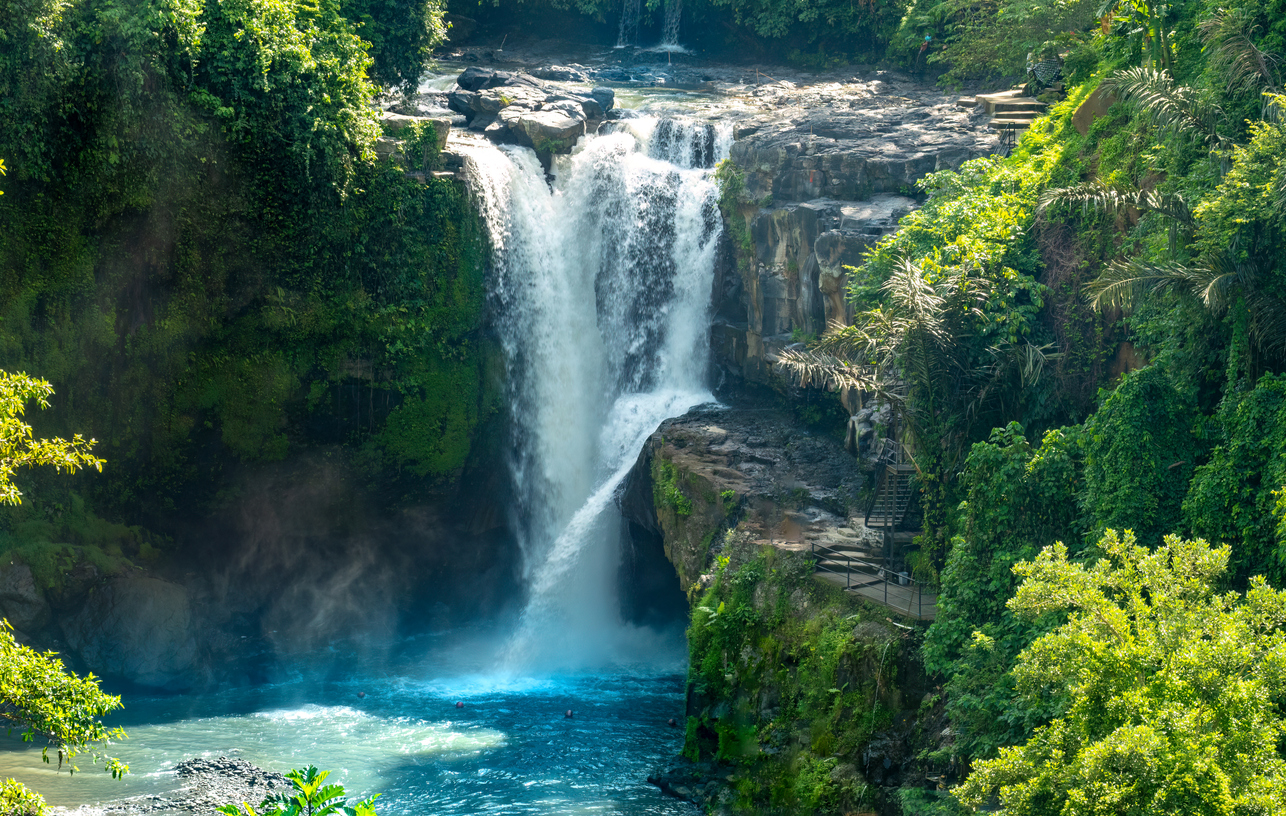
Canyoning is one of Bali’s more adventurous water activities, combining hiking, swimming, climbing, and rappelling through waterfalls and narrow gorges. Most canyoning routes are located in the island’s north and central regions, where rivers cut through dense jungle and volcanic rock.
This activity is usually guided and requires a reasonable level of fitness, but no previous canyoning experience. It is an excellent choice for travelers who want something beyond beaches and ocean sports and prefer immersive nature experiences.
Best Areas in Bali for Water Activities
Nusa Dua
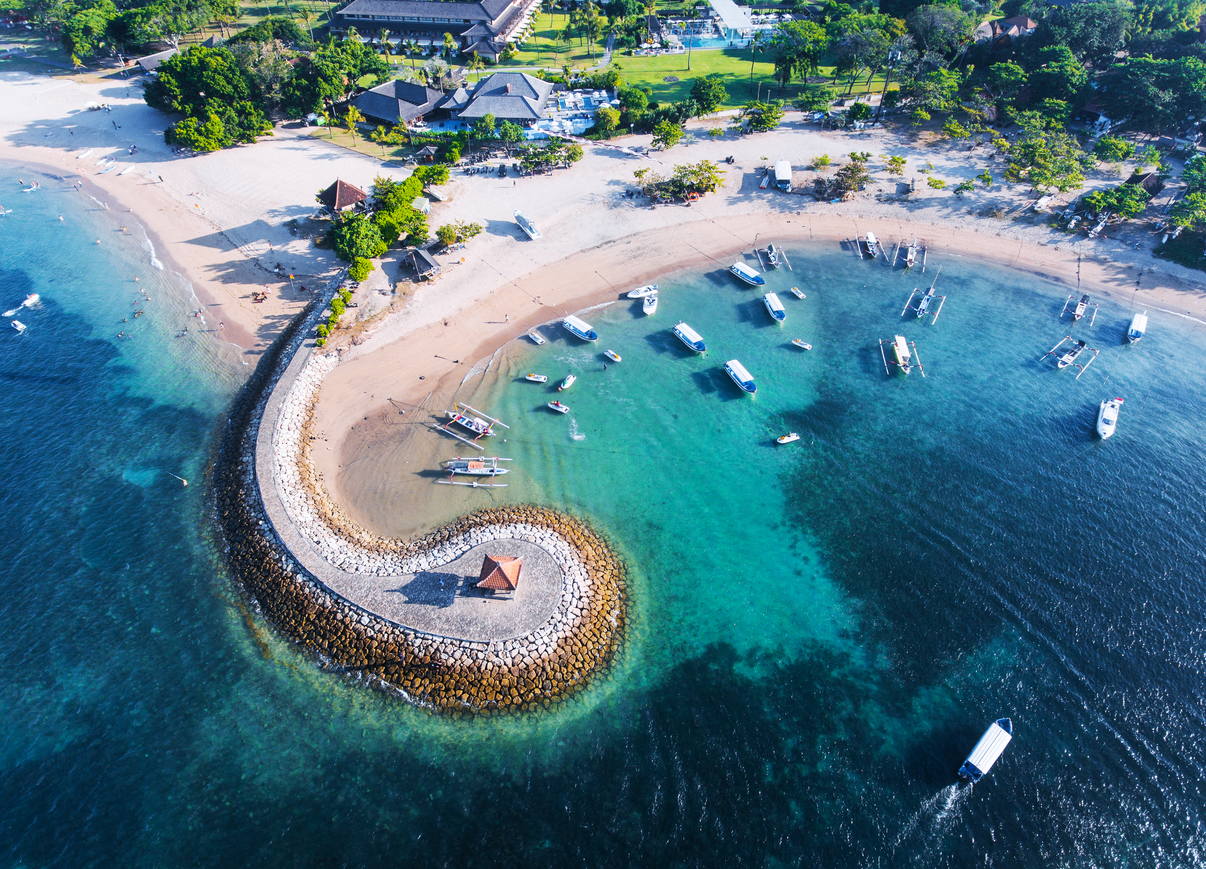
Nusa Dua is known for its calm waters and well-organized resorts, making it one of the best areas for families and first-time visitors. Jet skiing, parasailing, banana boats, and beginner-friendly snorkeling are widely available. The atmosphere is controlled and predictable, which many travelers appreciate.
Uluwatu and the Bukit Peninsula
The Bukit Peninsula, home to Uluwatu, is the heart of Bali’s surf culture. The coastline is dramatic, with cliffs, hidden beaches, and world-class waves. Water activities here are more focused on surfing and coastal exploration rather than calm-water sports.
Canggu and Seminyak
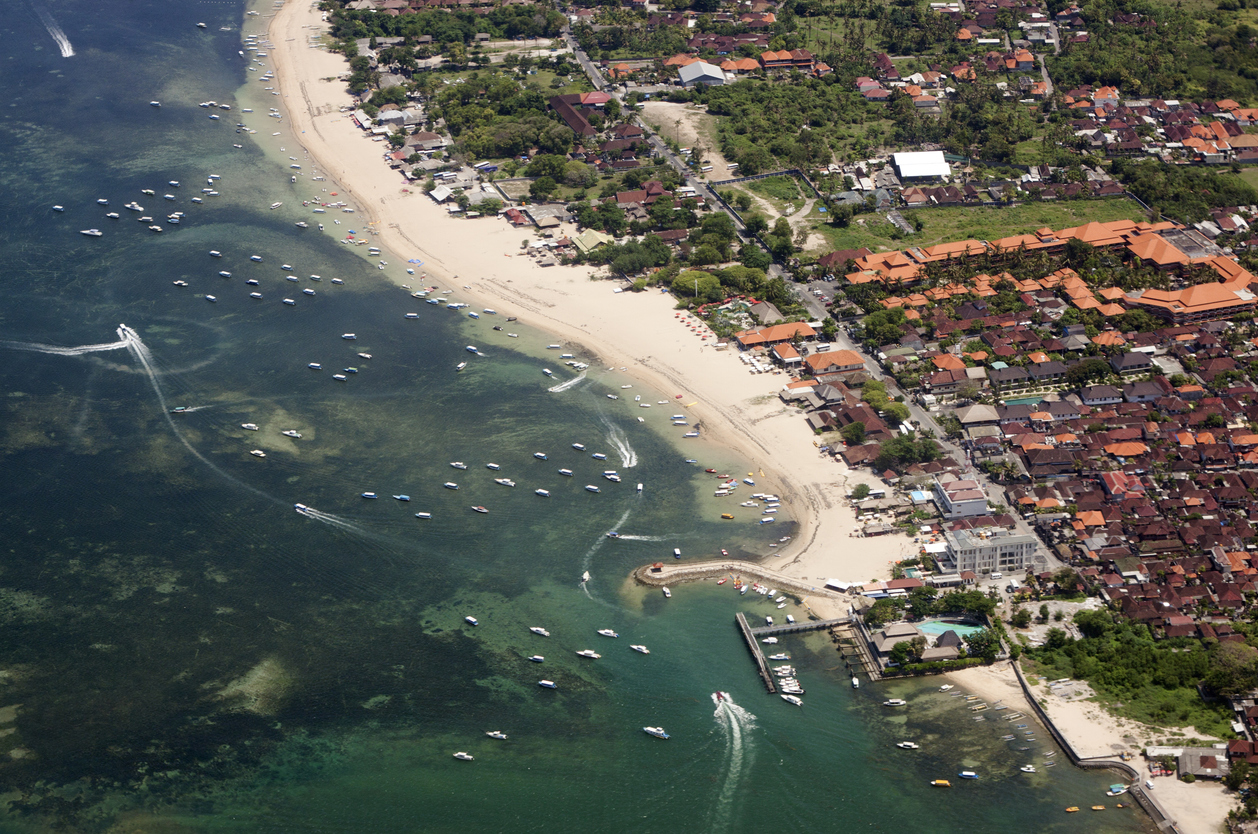
Canggu and Seminyak combine surf culture with cafes, nightlife, and a relaxed lifestyle. Surfing is the main water activity, but the social atmosphere makes these areas appealing for longer stays. These regions are especially popular with digital nomads and younger travelers.
East Bali and Amed
East Bali offers a quieter, more traditional atmosphere. Snorkeling and diving dominate here, with easy access to coral reefs and shipwrecks. The slower pace and scenic coastline appeal to travelers seeking a less crowded experience.
Nusa Penida and Nearby Islands
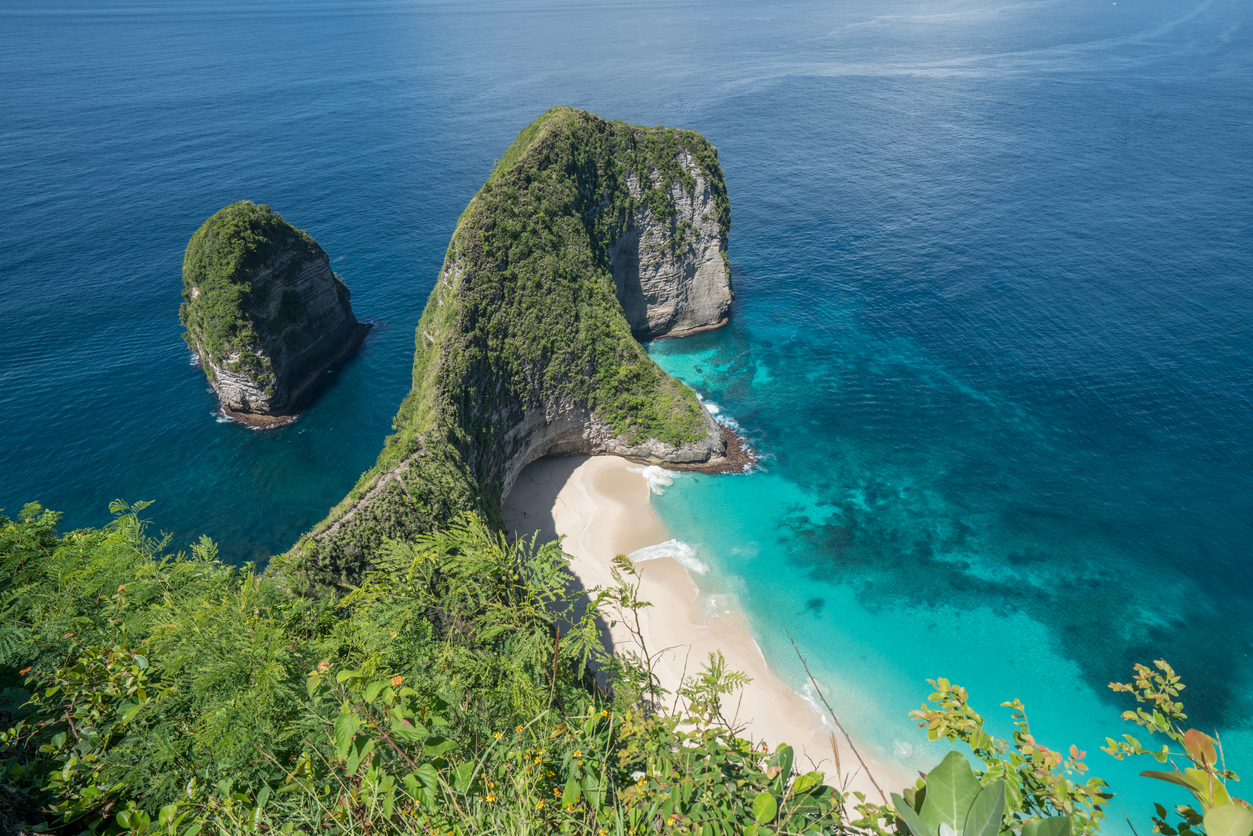
The Nusa Islands are often considered the highlight for marine life. Snorkeling and diving here are exceptional, but conditions can be more challenging due to currents. These islands are ideal for travelers who prioritize underwater experiences and are comfortable with boat transfers or alternative transport options.
How to Get to Water Activities in Bali
By Car or Scooter
The most common way to reach water activity locations in Bali is by car or scooter. While this offers flexibility, it also comes with limitations. Traffic congestion can significantly increase travel times, especially between popular areas in the south. Distances that appear short on a map can take hours during peak times.
Scooters are best suited for experienced riders and shorter distances, while private cars with drivers are more comfortable for families and groups.
By Boat
Boat transfers are essential for reaching offshore snorkeling and diving locations, especially around the Nusa Islands. Fast boats operate daily from several ports, but schedules are influenced by weather and sea conditions. While boats are efficient, they often require fixed departure times and additional planning.
By Helicopter: A Fast and Premium Alternative
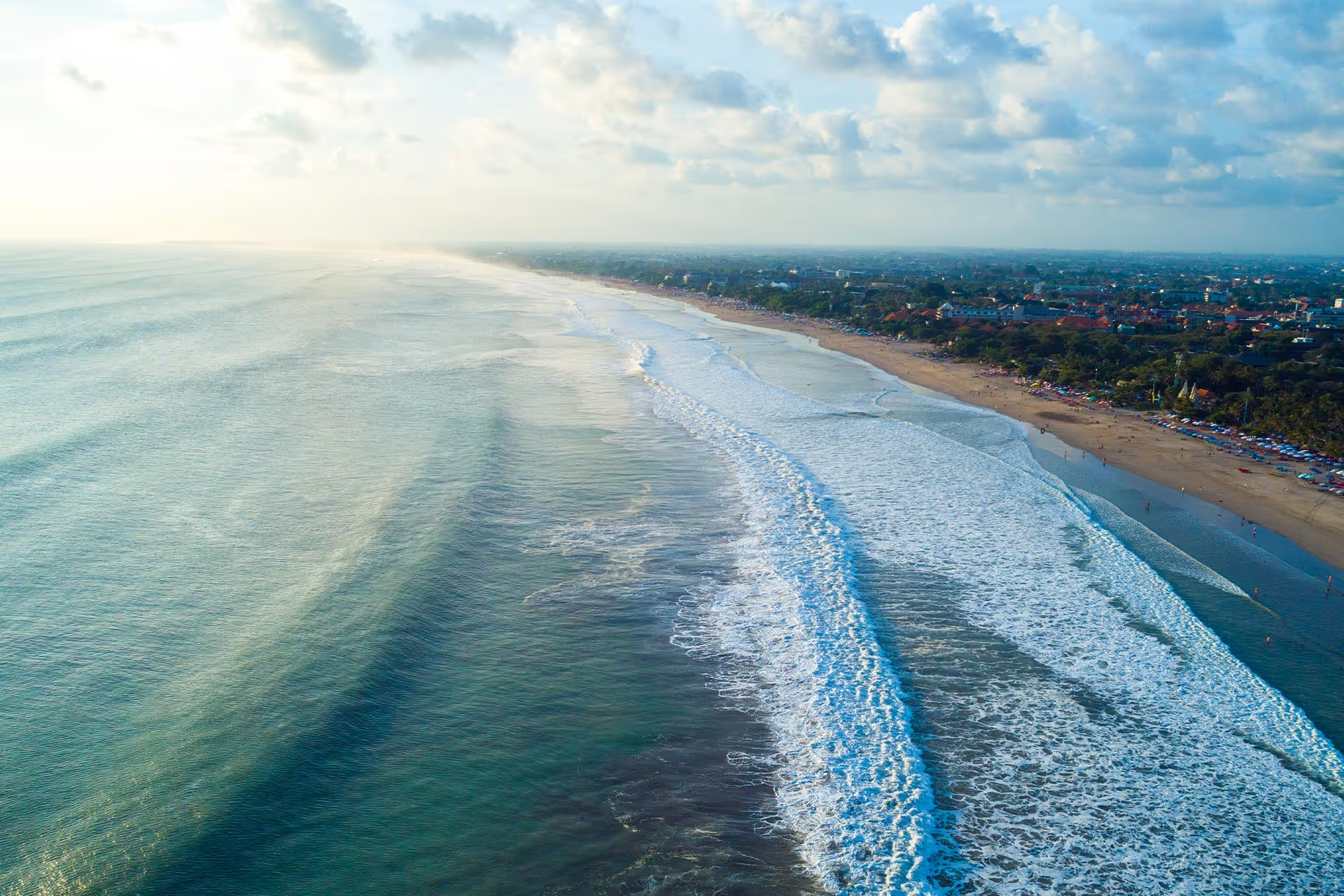
For travelers who value time, comfort, and unique views, helicopter transfers are an increasingly popular option. A helicopter allows direct access to remote beaches, islands, and water activity locations without long road journeys or boat schedules.
Companies such as Balicopter offer helicopter transfers and scenic flights across Bali. With this option, it is possible to reach snorkeling areas, diving sites, or coastal surf locations quickly and comfortably. Helicopter access is particularly useful for destinations like Nusa Penida or remote coastal areas, where standard transport can be time-consuming.
In addition to point-to-point transfers, helicopter tours can be combined with water activities, creating a seamless and memorable experience that includes both aerial and marine perspectives of the island.
Related Tours


Water Activities in Bali for Families and Kids

Bali is often chosen as a family destination, and many water activities are well-suited to children. Calm-water snorkeling in Amed or Nusa Dua allows kids to explore marine life safely. Rafting on the Ayung River is another family-friendly option, with routes designed to be fun rather than extreme.
Safety standards are generally high, and most operators provide life jackets, helmets, and trained guides. Parents should always check age and height requirements, especially for activities like rafting or parasailing.
Best Time for Water Activities in Bali
Bali has two main seasons: the dry season and the rainy season. The dry season typically offers calmer seas on the east coast and better surf on the west and south coasts. Visibility for snorkeling and diving is usually excellent during this period.
The rainy season brings warmer water and fewer crowds, but conditions vary. Surfing often improves on the east coast, while some rivers become more dynamic for rafting. Rain usually comes in short bursts rather than continuous downpours, so water activities remain possible year-round with proper planning.
Practical Tips for Planning Water Adventures in Bali
When planning water activities in Bali, it is important to consider safety, insurance, and environmental responsibility. Always choose licensed operators, especially for activities involving boats, diving, or rafting. Travel insurance that covers water sports is strongly recommended.
Environmental awareness is also essential. Coral reefs are fragile, and responsible snorkeling and diving practices help preserve Bali’s marine ecosystems. Avoid touching coral, use reef-safe sunscreen, and follow local guidelines.
Conclusion: Exploring Bali Through Water
Water activities in Bali offer more than entertainment; they provide a way to understand the island’s natural character. From the power of the Indian Ocean waves to the calm beauty of coral reefs and jungle rivers, Bali’s waters reflect its diversity and energy.
With thoughtful planning, travelers can combine multiple water experiences into a single itinerary, balancing adventure and relaxation. Whether you choose traditional transport or premium options like helicopter transfers, Bali rewards those who explore beyond the obvious beaches. For anyone drawn to the sea, rivers, and hidden coves, Bali remains one of the most complete water adventure destinations in the world.
See more Blog Posts


.svg)

.svg)
.svg)
.svg)

