





Best Travel Insurance for Bali: Ultimate 2026 Guide


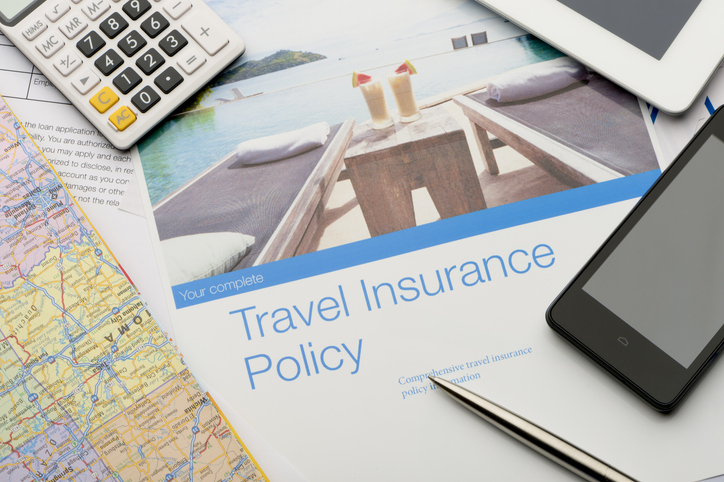
Travel insurance is not mandatory for Bali, but it’s highly recommended. Experts advise that all visitors carry comprehensive coverage — including trip and medical insurance — during their stay in Indonesia. Although Bali travel insurance (sometimes called travel medical insurance Bali) isn’t required by law, it helps with unexpected expenses like medical emergencies, flight delays, or lost luggage. Government travel advisories bluntly note that “if you can’t afford travel insurance, you can’t afford to travel”. In practice, one brief hospitalization can cost thousands of dollars in Bali. Even minor issues such as Bali belly (food poisoning) can become very expensive without coverage. For example, one travel insurance guide reminds travelers that many policies will cover treatment for Bali belly, including doctor visits and medication. In short, the best travel insurance for Bali is a smart safety net: it covers medical care abroad and reimburses non-refundable trip expenses if something goes wrong.
Do You Need Travel Insurance for Bali?
Travel insurance is strongly advised for any Bali trip. Indonesian authorities do not require proof of insurance, but all visitor guidelines emphasize having it. One travel resource explains that all tourists – from week-long beachgoers to long-term digital nomads – “should have comprehensive travel insurance, with both trip and medical coverage”. U.S. and international travel advisories similarly recommend insurance for medical evacuation and emergencies. Bali has active volcanoes, tropical diseases, and busy streets, so insurers suggest covering these risks. For example, Indonesia has many active volcanoes that can disrupt flights, and travel disruption cover can reimburse delays or cancellations caused by eruptions. An Australian travel advice site notes that hospitals in Bali may require immediate cash payment if you are uninsured. Without insurance, even routine care can be costly.
Ultimately, having travel insurance for Bali means you won’t pay large sums out of pocket. Policies typically cover emergency medical care and repatriation to your home country if needed. They also cover non-medical issues: trip cancellation, lost luggage, and even COVID-19 expenses. For example, a travel guidance page emphasizes that modern policies often include treatment for COVID-19 and benefits for quarantine (trip delay coverage). In summary, Bali travel insurance isn’t mandatory, but it protects your health and investment. Many travelers find “travel medical insurance Bali” essential because a single serious illness could otherwise mean thousands of dollars in bills.
What Does Bali Travel Insurance Cover?

Good Bali travel insurance generally includes a range of protections. At minimum, a policy should handle medical emergencies and evacuation. Many plans reimburse hospital and doctor bills abroad. For example, one insurer notes that benefits for Bali may include “medical emergencies, medical evacuation, and natural disasters while abroad”. In practice, this means if you break a leg or get dengue fever, your hospital costs are covered up to the policy limit, and if treatment isn’t available locally, medical evacuation (ambulance flight home) is included. Travel insurance also often covers baggage loss/theft and trip disruptions. As one advice site points out, trip cancellation or interruption coverage will reimburse prepaid, non-refundable expenses if your trip is canceled for a covered reason (illness, disaster, etc.). Many travelers add a “Cancel For Any Reason” upgrade for extra flexibility.
Below we detail common coverage categories included in Bali policies:
Medical & Evacuation Coverage
This is the core of travel medical insurance Bali. Policies typically cover emergency treatment, hospitalization, and even emergency dental care. For example, Squaremouth recommends at least $50,000 in emergency medical coverage and $100,000 for medical evacuation for Indonesia travel. In coverage terms, this benefit “offers reimbursement for medical bills related to an unforeseen illness or injury”. Many policies explicitly include COVID-19 treatment as well. If Bali’s local hospitals can’t fully treat you, insurance will pay to fly you home (repatriation). International insurance advice stresses that visitors may need repatriation “for more complex medical issues”. Basically, travel medical insurance for Bali ensures you don’t get stranded with a huge medical bill.
Adventure & Sports Activities

Bali is famous for adventure sports: surfing, scuba diving, cliff jumping, jungle trekking, etc. Not all insurers cover every activity by default, so the best travel insurance for Bali often allows you to add adventure sports coverage. For instance, World Nomads proudly covers “250+ adventure and sports activities across Bali (surfing and hiking included)”. If you plan to climb Mount Agung (a volcano) or try cliff jumping in Uluwatu, confirm your plan covers those. World Nomads notes that climbing Bali’s tallest volcano is covered even on their basic plan. Many insurers offer optional adventure add-ons to cover scuba diving, bungee jumping, or other high-risk activities. Be sure to list your planned adventures when getting a quote, because the policy coverage can vary by activity. In short, look for a Bali travel insurance plan that explicitly includes your activities – often labeled as “extreme sports” or “adventure sports” coverage.
Trip Cancellation/Delay
Trip insurance features help protect the money you’ve spent on flights, hotels, and tours. Standard coverage reimburses you for prepaid costs if you must cancel or cut short your trip for a covered reason (illness, family emergency, natural disaster, etc.). In Bali, this could mean a dengue diagnosis forces you to cancel, or a volcano eruption grounds flights. One guide advises verifying whether your policy covers cancellations due to volcanic ash clouds. A robust policy will also cover travel delays. Many insurers provide daily compensation if your flight is delayed or if you must quarantine due to COVID-19 testing (this is often part of “trip delay” coverage). For example, one travel insurance marketplace explicitly suggests trip delay coverage to handle expenses (food, lodging) if you are stuck due to quarantine. In summary, trip cancellation/interruption cover can reimburse 100% of non-refundable trip costs, and delay coverage can help when things go awry.
Other Benefits
Beyond medical and trip costs, Bali travel insurance often includes several additional benefits. Typical examples are baggage and personal effects coverage (for lost or stolen luggage and valuables), personal liability (if you accidentally injure someone or damage property), and accidental death or disability benefits. Policies often include 24/7 emergency assistance – a hotline that can help you find a doctor or arrange transport in Bali. Some insurers offer rental vehicle or scooter damage coverage (to cover a rental car or bike deductible, for example). For instance, general trip insurance may reimburse the excess on a rental car if your travel dates include Bali. Additional optional add-ons can include coverage for electronics (laptops, phones) or flight cancellation for any reason. Always check the fine print: as one provider warns, “all insurance coverages are subject to terms, limitations and exclusions”, so read the policy details carefully.
Overall, the best travel insurance for Bali packages a broad set of benefits: emergency medical care with evacuation, adventure sports cover, trip cancellation/interruption, and baggage protection, plus extras like liability or gadget insurance as needed.
Key Factors When Choosing Bali Insurance

When selecting a Bali travel insurance plan, consider these crucial factors:
Coverage Limits & Deductibles
Check the policy’s coverage limits for medical care, evacuation, and other benefits. Many experts recommend at least $50,000–$100,000 for emergency medical and a similar or higher amount for evacuation. Higher limits give more protection for serious incidents (hospital bills abroad can be steep). Also note deductibles (the amount you pay out of pocket per claim). Some budget policies have high deductibles, which lower premiums but mean more cost to you if you claim. By contrast, certain insurers like Heymondo offer plans with no deductible on medical claims. Decide what deductible you’re comfortable with and compare prices accordingly. In general, a smaller deductible costs more up front but means less worry later.
COVID-19 and Natural Disasters
Even though travel restrictions have eased, COVID-19 considerations remain relevant. Many Bali travel policies now explicitly cover COVID-19 medical treatment as part of their emergency care benefit. They may also cover trip interruption or delays due to a positive test or quarantine. For example, comprehensive travel delay coverage can reimburse expenses like hotel stays during quarantine.
Natural disasters are another key concern for Bali. Indonesia regularly experiences volcanic eruptions, earthquakes, and tsunamis. Good policies should include natural disaster coverage (which often falls under trip interruption/cancellation or lodging benefits). A travel advice site notes that volcanic eruptions can cause “widespread flight delays and cancellations” and urges travelers to choose policies that cover ash cloud disruptions. It also warns that insurers often exclude losses from a known event – meaning if a volcano’s eruption is anticipated, a new policy bought after news breaks might not cover it. To be safe, buy insurance early, as soon as you book your trip, so that unforeseen natural disasters (like an ash cloud) are covered. Keep all documentation (airline notices, local advisories) if you claim later.
Scooter/Motorbike Coverage
Riding a scooter or motorbike is a common way to get around Bali, but accidents on two-wheelers are one of the island’s top travel risks. (In fact, studies show around 70% of road traffic fatalities in Indonesia involve motorcycles.) If you plan to rent a scooter, check that your policy covers motorbike accidents. Some travel insurance plans explicitly include scooters under vehicle rental protection. However, coverage often requires a valid motorcycle license; if you ride without the proper license, your insurer may deny your claim. World Nomads cautions that motorbike accidents are common in Bali and emphasizes carrying the correct license if you insist on riding. When buying Bali insurance, look for mention of “motorcycle” or “scooter” in the policy, and consider an add-on if needed. Remember to wear a helmet, avoid alcohol, and drive cautiously on Bali’s winding roads. In effect, make sure your travel insurance includes the appropriate coverage if you’ll be on two wheels.
Pre-existing Conditions & Extras
If you have pre-existing health issues, note that most Bali travel insurance policies exclude pre-existing conditions by default. Some companies offer optional add-ons or higher-tier plans that will cover acute onset of pre-existing problems, but you usually must declare these in advance. Otherwise, plan on paying for regular medical check-ups at home, not abroad. Also consider any extras you want: for example, if you’ll carry a lot of expensive gear, look into gadget or electronics coverage. Check if the plan offers Cancel For Any Reason as an option (typically for an extra premium) for maximum flexibility. Travel insurance often has various riders for sports equipment, adventure activities, or rental vehicle damage. Review these add-ons carefully to tailor the policy to your trip.
By comparing coverage limits, deductibles, and any special inclusions (like COVID-19, scooter accidents, or extra benefits), you can choose the best travel insurance for Bali that matches your needs.
Best Travel Insurance Providers for Bali
There are many companies offering travel insurance. Here we discuss some popular choices often recommended for Bali trips. We do not endorse any brand over another, but these providers are known in the travel community for their Bali coverage.
Heymondo
Heymondo is a relatively new travel insurance company that markets itself as tech-friendly and traveler-focused. It offers various plan types (single-trip, annual multi-trip, and long-stay) and emphasizes easy claims and service. According to a comparison, Heymondo’s plans tend to be very competitive in price, especially for comprehensive coverage. Heymondo’s top plan includes high coverage limits for medical, evacuation, trip cancellation, and a $0 deductible. Notably, Heymondo claims to pay hospital bills upfront via their assistance service, so insured travelers often don’t pay anything at the time of care.
Key features: Heymondo’s standard plan covers emergency medical and repatriation, baggage, trip interruption, natural disaster expenses (including volcanic activity) up to $10,000, personal liability, and more. Adventure sports and electronics can be added. The policy has no deductible on medical claims by default. Heymondo’s parent group is AXA, giving it financial backing. According to reviews, Heymondo is backed by reputable insurers and offers 24/7 assistance, making it a solid all-around choice (one review notes it as a “tech-forward, great value choice” for travelers). The downside might be some restrictions on age or coverage of very extreme sports, but overall Heymondo is a good option for travelers wanting digital support (apps, chat) and direct payment of medical expenses.
SafetyWing
SafetyWing is one of the first insurers targeting digital nomads and long-term travelers. It offers a subscription-style travel medical insurance that can be purchased monthly. SafetyWing’s Nomad Essential plan automatically renews every 28 days (up to one year) and covers emergency medical, hospital stays, emergency dental, medical evacuation, and limited COVID-19 treatment. Children under 10 are included for free when traveling with insured parents. SafetyWing’s basic plan starts at about $56 per 4-week period for travelers under 40, making it a budget-friendly option. In late 2024, SafetyWing became its own insurance carrier, which eliminated deductibles for non-U.S. residents and sped up claims processing.
SafetyWing is simple in that you don’t need to specify destination or travel dates to buy – coverage applies globally in all eligible countries. It is mainly travel medical insurance (not trip cancellation). For coverage needs in Bali, SafetyWing is often chosen by long-term visitors or nomads because it’s flexible and affordable. However, note that the Essential plan does not include trip cancellation or loss of baggage. A fuller SafetyWing plan (Nomad Insurance Complete) covers some routine care and has higher limits but still focuses on health. If you only need emergency medical and evacuation (and are okay without trip insurance), SafetyWing could be an economical choice. For many travelers, a good strategy is to take SafetyWing for medical and then add a basic trip insurance for cancellation separately.
World Nomads
World Nomads has been a trusted name in travel insurance since 2002, especially among adventure travelers. It is known for broad coverage of activities (over 200 adventure sports covered) and strong worldwide assistance. World Nomads offers a couple of trip plans (Standard and Explorer), both covering emergency medical and evacuation, 24/7 assistance, and lost baggage. The Explorer plan has higher coverage limits and more included activities. A key point is World Nomads is underwritten by a major insurer (Allianz in many cases), so it’s reputable.
For Bali travelers, World Nomads covers common island activities: snorkeling, surfing, hiking volcanoes, etc., right out of the box. (Some very extreme activities might still require an upgrade, as noted in their Bali guide.) It also covers tour interruptions, loss/theft, and delays. Word of caution: World Nomads has an age cap (usually 70) and does not cover pre-existing conditions. If you fit their profile (generally younger and adventurous), World Nomads is a solid, if somewhat pricier, choice. It’s easy to get a quote on their website for Bali travel. Many backpackers and independent travelers appreciate World Nomads for its ease of adding activities and the trust in its brand.
Other Options
Beyond those three, there are many other travel insurance providers that can work for Bali:
- Allianz Travel Insurance – a large global insurer with many plans. Allianz offers single-trip or annual multi-trip plans, and their “Classic” plans can be purchased country-to-country. They have good medical limits and sometimes include some adventure coverage as an add-on. For example, Allianz’s annual plans start as low as $138/year, covering emergency medical (but basic plans may lack trip cancellation).
- IMG (International Medical Group) – offers worldwide medical plans like Global Medical or Patriot Travel. These can be useful for expats or long stays in Indonesia. IMG’s plans have various tiers (Bronze to Platinum) with very high coverage and options like acute onset of pre-existing condition. These tend to be more expensive, but come with generous COVID-19 and evacuation coverage.
- Insured Nomads, Travelex, Seven Corners, etc. – There are specialist companies for travelers (especially digital nomads). For example, Insured Nomads offers customizable trip insurance with optional adventure add-ons and trip cancellation. Travelex (now Arch RoamRight) and Seven Corners are well-known in the USA.
- Domestic insurers – Depending on your country, local insurers (e.g., AIG Travel Guard, or AXA Schengen which is usable worldwide) might offer relevant plans.
No matter which brand you choose, make sure they allow coverage in Indonesia and that you read policy details. Many travelers mix and match (for example, a SafetyWing medical plan plus a cheap trip cancellation plan from another provider).
Bali Travel Insurance Cost & Quotes

Cost of Bali travel insurance varies widely. Key factors include age, trip duration, trip cost, and coverage limits. Longer or older travelers pay more, and higher coverage caps increase the premium. For a rough idea, Squaremouth reports an average premium around $296 for Indonesia travel, though actual quotes can be much lower or higher depending on specifics.
To illustrate pricing: one Bali travel blog ran a quote scenario for a 30-year-old American taking a 7-day, $2,500 trip. The results showed wide variation by company. In that example, a Heymondo plan cost about $38, SafetyWing about $11 (for a similar short-term cover), World Nomads about $67, and another insurer (IMG) about $77. These differences reflect plan features (e.g. SafetyWing’s low cost comes with a $250 deductible and no trip cancellation, whereas Heymondo’s slightly higher price had $0 deductible and full benefits). This shows you should compare quotes online for your trip dates.
In general, you can find a basic travel medical insurance for Bali for as little as a few dollars a day if you are young and take a short trip. Longer trips or older travelers might spend a few hundred for several weeks. For example, SafetyWing’s nomad plan charges about $56 per month for those under 40. Many providers let you get a quote instantly on their websites. Use these quotes to gauge cost, and remember to include the coverage you need (medical limit, evacuation, adventure sports, etc.). If you have a multi-person or family, check if there are family rates or if you can add travelers.
Finally, consider shopping around or using a comparison tool. Some travel agencies or insurers allow you to enter trip details and see multiple quotes. Because no two policies are identical, comparing at least 2–3 quotes is wise. But price shouldn’t be the only factor: ensure each quote covers your risks adequately.
Tips & FAQs for Bali Travelers
- Bali’s sacred Monkey Forest is a popular attraction in Ubud, but even friendly monkeys are known to grab loose items. Keep belongings secure – travel insurance can cover theft of valuables.
- Carry proper documentation: Bali requires a 6-month passport validity, a return ticket, and a valid International Driving Permit (IDP) if you rent a scooter or car. An IDP is mandatory to drive legally in Bali; without it, your travel insurance may refuse claims for vehicle accidents.
- Helmets and safety: Always wear a helmet on scooters. Scooter accidents are a leading cause of injury in Bali. Studies show that over 70% of road deaths in Indonesia involve motorcycles. Travel insurance will not protect you if you ride recklessly or without a license, so drive safely.
- Health precautions: “Bali belly” (diarrhea from food/water) is common. To avoid it, eat at clean establishments and drink bottled or filtered water. If you do get sick, travel medical insurance will usually cover treatment. Vaccinations: Check CDC recommendations (e.g. Hepatitis A, typhoid). COVID-19 vaccination is no longer required for entry as of 2023, but staying up-to-date is wise for health.
- Stay aware of natural risks: Research the current activity of Mount Agung and other volcanoes before you travel. If an eruption occurs, stay where it’s safe and follow local advice. Keep receipts and airline notices if your flights get canceled – your insurance might reimburse accommodations or rebooking costs if volcanic ash interrupts travel.
- Insurance coverage check: Make sure your policy explicitly covers what you need. For example, if you search for “scooter insurance Bali,” you may find forums saying not all plans include scooter accidents. Verify with the insurer. Look for keywords like “motorbike” or “scooter” in the policy brochure. Similarly, find “natural disaster” and “COVID” in the document to be sure. If you need higher coverage for peace of mind, consider raising your limits.
- When to buy: Purchase your travel insurance as soon as you book the trip. Policies typically don’t cover events (like injuries or cancellations) that happen before the plan is in effect. Buying early also locks in protection against known risks that develop. Most insurers allow purchase up until departure; some nomad plans (like SafetyWing) can even be started after you’ve left home, but it’s safer to secure a policy first.
- What if I need help? Carry the 24/7 emergency assistance number (usually on your policy card). In an emergency, call them first; they can arrange hospital payments and transportation. Many travelers find it reassuring that their insurance company can communicate with Bali’s hospitals and transfer funds directly. Keep a copy of your insurance documents with you, and note any policy or certificate numbers.
- Wallet safety: Bali is generally safe, but petty theft happens. Keep your passport and extra cash in your hotel safe. Use anti-theft measures on your daypack. If something is stolen, file a police report immediately – many insurers require this before reimbursement.
- Emergency numbers: Know the local emergency contact (for example, in Bali call 112). Also have your country’s embassy or consulate number handy. They can assist if you lose documents or have a serious incident.
Related Tours
Frequently Asked Questions
- Do I need travel insurance to enter Bali? No – Indonesia does not currently mandate travel or health insurance for tourists. However, authorities and travel advisories strongly recommend it. In practice, all visitors should plan on buying travel insurance before departure to avoid large unexpected costs.
- Does travel insurance cover scooter accidents in Bali? It can, but only if the policy specifically includes it and you meet the conditions (like having a valid license). Always check “motorcycle” coverage. Some insurers require you to list vehicle rentals or simply state that scooters are covered under their personal accident or medical section. If in doubt, add a rider or choose a plan marketed for scooter riders.
- Will insurance cover flight cancellations from a volcano? If your policy includes trip cancellation or interruption for natural disasters, you may be reimbursed for prepaid expenses (hotel, flight change fees, etc.) when a volcano causes cancellations. However, coverage often depends on timing: if the eruption is a known event before you buy insurance, new policies may exclude it. Read the “natural disaster” terms carefully.
- What about COVID-19? Most insurers now include COVID-19 medical coverage as part of their emergency care benefits. Trip cancellation policies might cover trip delay due to positive tests or required quarantines as a covered reason, and trip delay benefits often specifically mention quarantine support. If you’re concerned, verify that your chosen plan explicitly covers COVID-19 illness or related delays.
- Can I buy insurance after I arrive in Bali? Generally, no – travel insurance must be purchased before or at the start of the trip. Most policies exclude events that happened before you bought them, so buying on arrival could leave you unprotected for anything that goes wrong early on. It’s best to arrange insurance while still at home.
Planning ahead with the right travel insurance means you can enjoy Bali’s beaches, temples, and adventures with greater peace of mind. Safe travels!
See more Blog Posts





.svg)

.svg)
.svg)
.svg)

