





Best SIM Card in Bali: Complete Guide for Tourists (2026 Update)



Having reliable mobile internet in Bali is not just a convenience — it directly affects how smoothly your trip goes. Navigation, ride-hailing apps, online payments, communication with accommodation hosts, work calls, and even emergency situations all depend on stable connectivity. That’s why choosing the best SIM card in Bali for tourists is one of the first practical decisions you’ll make after landing.
This guide is written in a travel blog style, but grounded in real usage scenarios, not marketing promises. It follows the structure and SEO logic outlined in the analysis: operator comparison, airport vs city purchase, prices, eSIM vs physical SIM, IMEI rules, and recommendations by travel style. The goal is simple — help you make the right choice without overpaying or losing connection halfway through your trip.
What Is the Best SIM Card in Bali for Tourists? (Quick Answer)
If you want a clear answer upfront:
- Best overall SIM card in Bali: Telkomsel
- Best value for money: XL Axiata
- Cheapest option: Indosat (IM3)
- Best hassle-free solution: eSIM
For most travelers — especially those moving around the island — Telkomsel offers the most reliable coverage and stable speeds. Budget travelers staying mostly in urban or tourist-heavy areas can save money with XL or Indosat, while short-term visitors often prefer eSIMs for convenience.
Why You Need a Local SIM Card in Bali
Some travelers assume hotel Wi-Fi or international roaming will be enough. In practice, this often leads to frustration.
Problems with roaming
- High cost per gigabyte
- Speed throttling after minimal usage
- Unstable connection when switching between towers
Limitations of Wi-Fi in Bali
- Shared bandwidth in guesthouses and villas
- Slow speeds during evenings
- Power outages and weather-related drops
A local Bali SIM card gives you:
- Consistent 4G (and limited 5G) access
- Reliable navigation with Google Maps or Waze
- Full functionality of Grab, Gojek, WhatsApp, and banking apps
- Freedom to explore without hunting for cafés with decent Wi-Fi
For digital nomads, content creators, or families traveling with kids, mobile data quickly becomes essential rather than optional.
Mobile Network Operators in Bali
Indonesia has several mobile operators, but only three are relevant for most tourists. Understanding their differences helps avoid poor coverage or unnecessary expenses.
Telkomsel
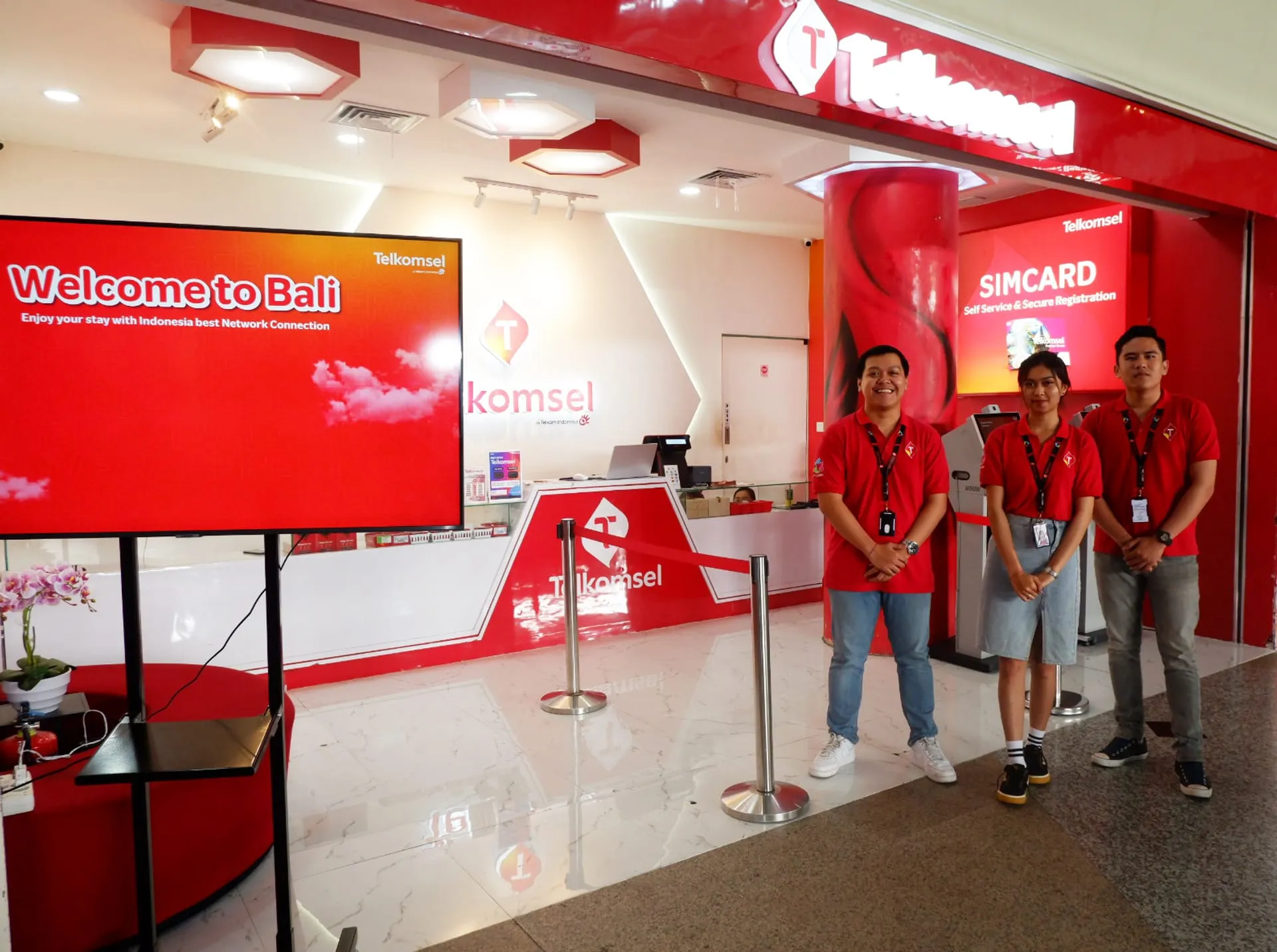
Telkomsel is Indonesia’s largest and most established telecom provider.
Coverage and reliability
Telkomsel has the widest network in Bali and across Indonesia. It performs especially well outside major tourist hubs — in mountainous areas, smaller villages, and on neighboring islands like Nusa Penida.
Strengths
- Best overall coverage on the island
- Stable speeds even during peak hours
- Works reliably in rural and coastal regions
Weaknesses
- Slightly higher prices
- Airport packages can be overpriced
Best for: First-time visitors, travelers moving around Bali, long stays, remote work
XL Axiata
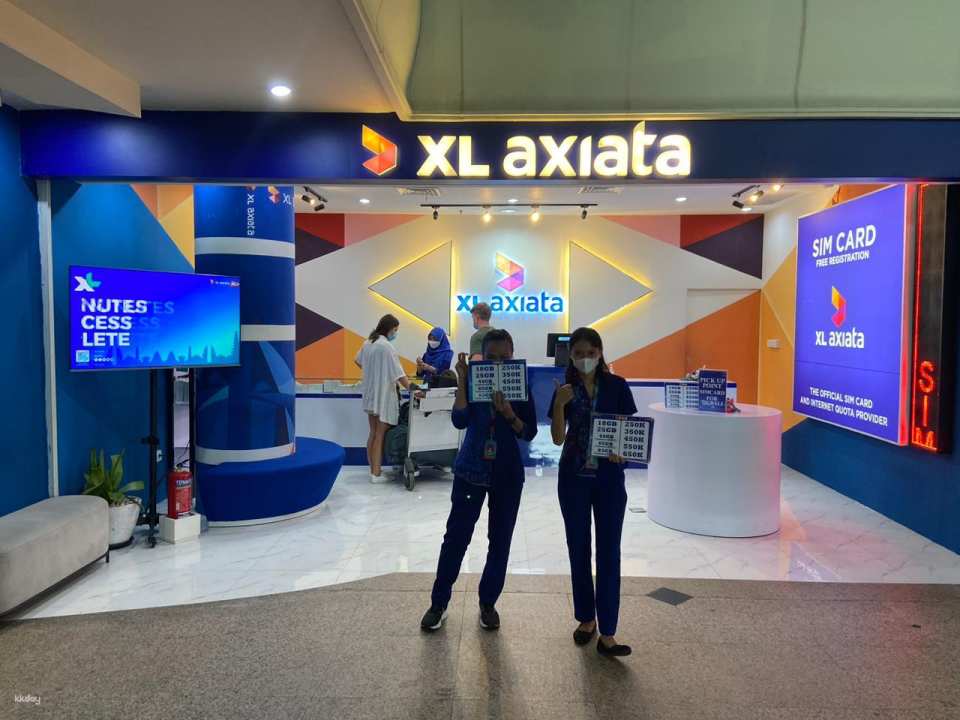
XL Axiata is known for competitive pricing and good urban performance.
Coverage and reliability
XL works well in cities and popular tourist areas such as Canggu, Seminyak, Kuta, and parts of Ubud. Coverage drops in remote or mountainous locations.
Strengths
- Affordable data packages
- Good speeds in urban zones
- Easy top-ups and promotions
Weaknesses
- Weaker signal outside cities
- Less reliable for island hopping
Best for: Budget travelers staying mostly in tourist centers
Indosat (IM3)
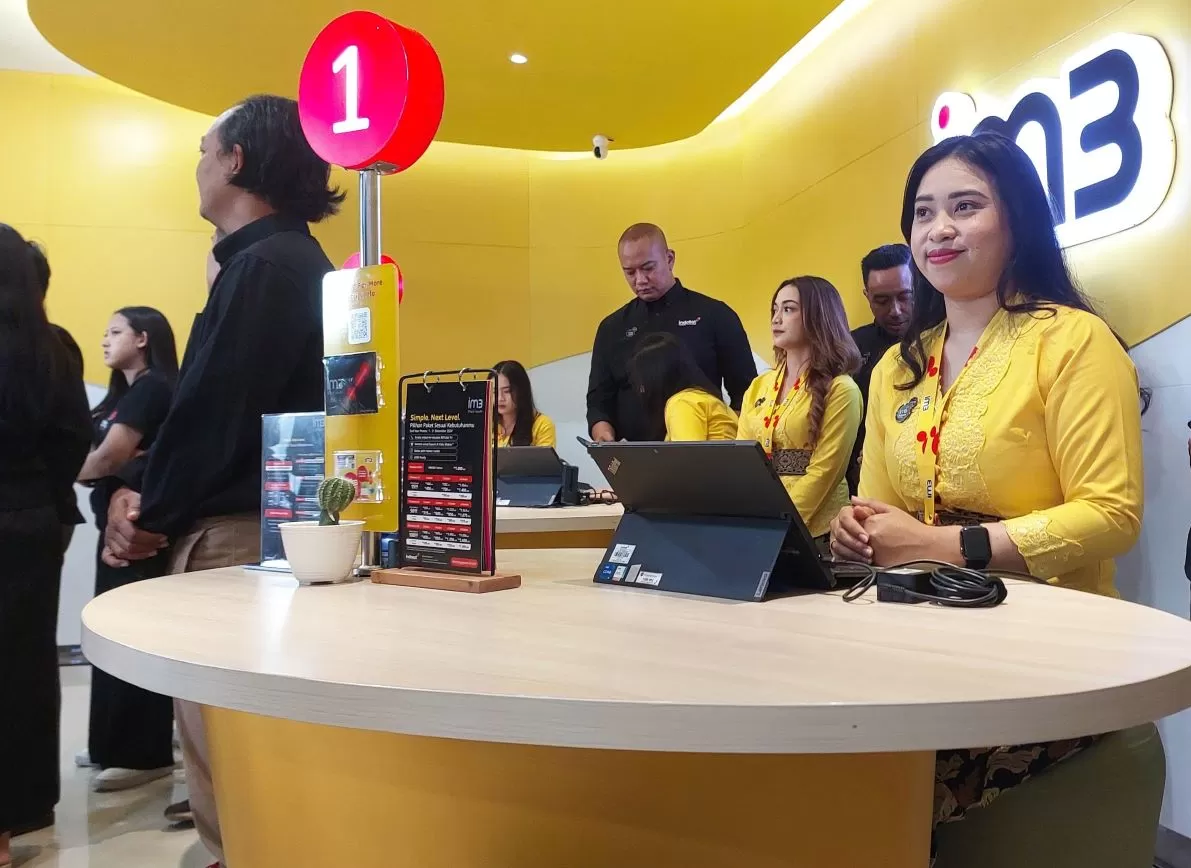
Indosat (often branded as IM3) focuses on low-cost data plans.
Coverage and reliability
Indosat is widely available but has the weakest overall coverage of the three. Speeds are acceptable for messaging and browsing but less consistent for video calls or hotspot use.
Strengths
- Cheapest options available
- Easy to find SIM cards
Weaknesses
- Less stable connection
- Limited performance outside cities
Best for: Short stays, light data usage, backup SIMs
Where to Buy a SIM Card in Bali
Buying a SIM Card at Bali Airport

Buying a SIM card at Ngurah Rai International Airport is the fastest option.
Advantages
- Immediate connectivity
- Staff assistance with setup
- Convenient after long flights
Disadvantages
- Prices are significantly higher
- Limited package options
- Aggressive sales tactics
Airport SIM cards are suitable if you:
- Arrive late at night
- Need instant internet
- Stay only a few days
For longer trips, buying in town usually offers better value.
Buying a SIM Card in the City
In Bali’s tourist areas, SIM cards are easy to find.
Where to buy:
- Official operator stores
- Phone shops and kiosks
- Tourist streets in Ubud, Canggu, Seminyak
Why this is often better
- Lower prices
- More data options
- Flexibility to choose packages
Always confirm:
- Data amount and validity
- Whether hotspot sharing is allowed
- Local vs national data limits
Bali SIM Card Prices: What to Expect
Prices fluctuate, but typical ranges are:
- Airport SIM: USD 15–30
- City SIM: USD 7–15
- Data packages: 10–30 GB for 30 days
Be cautious of vague offers like “unlimited internet” — these usually include speed caps or daily limits.
eSIM in Bali: Is It Worth It?
eSIMs are increasingly popular, especially among travelers who prefer convenience.
Advantages of eSIM
- Purchase before arrival
- Instant activation
- No physical SIM handling
Disadvantages of eSIM
- Higher cost per GB
- Often data-only
- Speeds depend on partner networks
Who should use eSIMs
- Short-term visitors
- Travelers with dual-SIM phones
- Those who want zero setup hassle
SIM Card Registration & IMEI Rules in Indonesia
Indonesia requires passport registration for tourist SIM cards.
What usually happens:
- Passport is scanned at purchase
- SIM is activated immediately
- No additional steps for short stays
IMEI Registration Explained
- Short-term tourists usually don’t need IMEI registration
- Long-term stays (over 90 days) may require it
- Buying from official stores reduces risk of issues
For most travelers, this process is handled automatically and causes no problems.
Best SIM Card in Bali by Travel Style
Short Vacation (1–2 Weeks)
Recommended:
- Airport Telkomsel SIM
- Or an international eSIM
Reason:
- Fast setup
- No long-term concerns
Long Stay or Digital Nomads
Recommended:
- Telkomsel SIM purchased in town
- Larger data packages (20–30 GB)
Reason:
- Reliable coverage
- Easy renewals
- Better hotspot performance
Surf Camps & Remote Areas
Recommended:
- Telkomsel only
Reason:
- Stronger rural coverage
- More consistent speeds
Common Mistakes Travelers Make
- Overpaying at the airport without checking alternatives
- Choosing operators based only on price
- Ignoring data validity periods
- Assuming all SIMs support hotspot sharing
Spending a few extra minutes comparing options can save money and frustration.
Related Tours
Final Verdict: Best SIM Card in Bali
For most travelers, Telkomsel remains the best SIM card in Bali thanks to its coverage, reliability, and consistency. XL Axiata is a strong alternative for budget-focused trips, while Indosat suits very short or light-usage stays. eSIMs are ideal for those who prioritize convenience.
Quick summary:
- Best overall: Telkomsel
- Best budget: XL Axiata
- Best no-hassle option: eSIM
With the right SIM card, you can focus on enjoying Bali — not troubleshooting your internet connection.
See more Blog Posts





.svg)

.svg)
.svg)
.svg)

