





Balinese Culture: Traditions, Religion, Ceremonies & Daily Life in Bali


Balinese culture is one of those things people think they understand after a couple of days on the island—until they notice how much of Bali’s “everyday scenery” is actually sacred. The small palm-leaf baskets of flowers on the pavement. The sound of gamelan drifting from a temple courtyard at dusk. A traffic jam caused not by an accident, but by a procession carrying offerings down the road. You can visit Bali for beaches and sunsets and still have a great trip. But if you want to feel the island rather than just pass through it, understanding the culture of Bali changes everything.
This guide keeps a travel-blog tone, but it goes beyond a quick list of “facts.” We’ll unpack what makes Balinese culture unique, how Balinese Hinduism shapes daily life, what you might witness during ceremonies, and how to be a respectful traveler in places that are living religious environments—not museum exhibits. You’ll also learn the key terms you’ll see again and again: Tri Hita Karana, banjar, canang sari, Nyepi, Galungan, and Ngaben. By the end, “Balinese culture” won’t feel like an aesthetic. It will feel like a system—community-based, ritual-rich, and intensely alive.
What Makes Balinese Culture So Unique?
Bali is part of Indonesia, but culturally it often feels like a different world. That difference is rooted in religion, history, geography, and social organization. The island’s dominant faith is Balinese Hinduism, a local form of Hindu practice shaped by centuries of exchange with India and Java, blended with older animist beliefs and a strong emphasis on ancestor reverence. In practical terms, Balinese culture is not “religion on Sundays.” It’s a daily practice that shows up in architecture, calendars, food, clothing, and the way villages organize themselves.
A useful way to think about the culture of Bali is that it’s built around balance. Bali does not aim for a single “correct” state; it aims for harmony between forces that are always in motion: the divine and the human, the seen and the unseen, the village and the individual, the mountain and the sea. You’ll see this in how homes and temples are oriented toward sacred directions, and the way rituals are used to restore equilibrium after disruption.
Another unique feature of Balinese traditions is how communal they are. Many visitors come from cultures where spiritual practice is private. In Bali, it’s shared. If a family has a ceremony, neighbors help. If a village temple celebrates an anniversary, the whole community participates. That collective rhythm is one reason Balinese culture remains resilient even under the pressure of tourism and modernization.
Balinese culture is also intensely artistic—but not “art for art’s sake.” Dance, music, carving, painting, textile work, and architecture are often devotional in purpose. Art is a way of making the invisible visible. A performance can be entertainment, but it can also be an offering. A carved guardian figure is decoration, but also protection. When you understand that, Bali’s beauty becomes less like “a vibe” and more like a worldview rendered in color, sound, and movement.
The Foundation of Balinese Hinduism
What Is Balinese Hinduism?
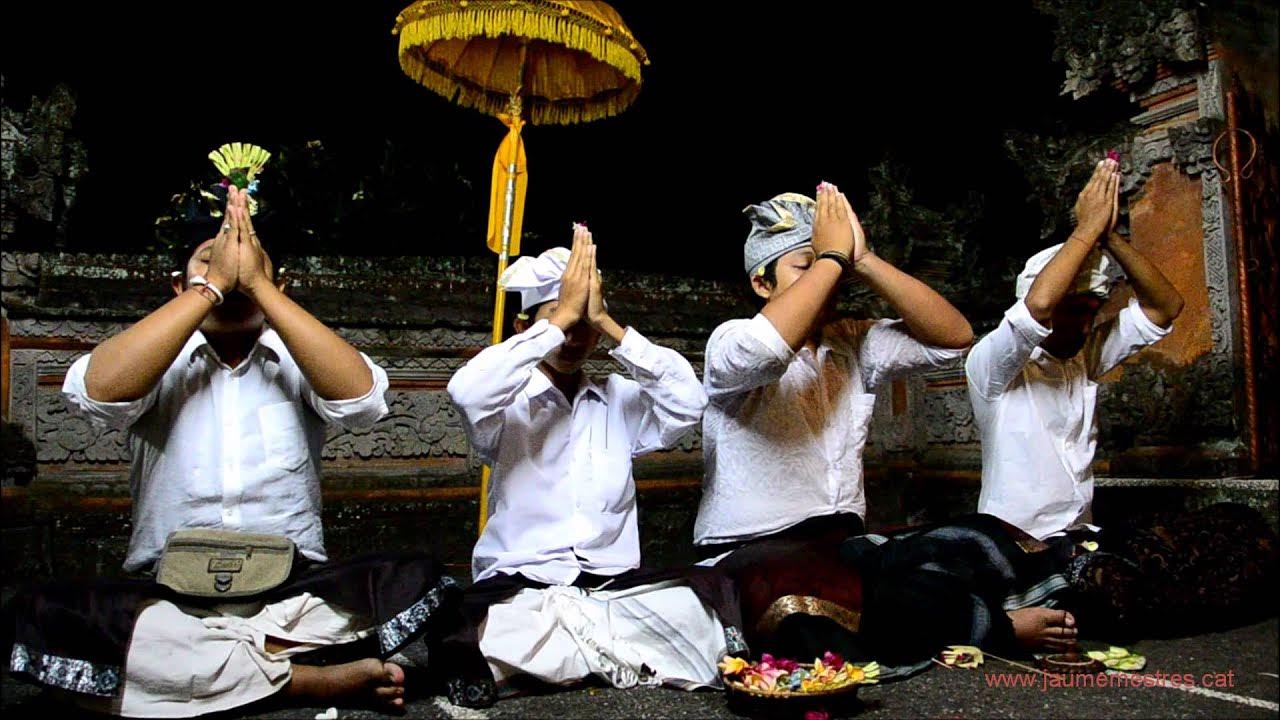
Balinese Hinduism (often called Agama Hindu Dharma in Indonesia) shares many concepts with Indian Hinduism, including the importance of deities such as Brahma, Vishnu, and Shiva. But the Balinese expression is distinct. It places a strong emphasis on rituals, offerings, purification, and the presence of ancestral spirits. Many religious practices are tied to place—springs, mountains, coastlines, and temples that anchor the community’s spiritual geography.
For travelers, the most visible aspect of Balinese religion is the constant presence of offerings and ceremonies. Behind that visibility is a clear logic: rituals maintain spiritual cleanliness and harmony. In Balinese culture, the world is full of forces. Some are benevolent, some disruptive, some simply powerful. The goal is not to eliminate complexity, but to keep relationships with these forces balanced through respectful practice.
One detail that helps visitors understand Balinese Hinduism is the island’s sacred orientation. Mountains are generally associated with purity and the realm of the gods, while the sea is associated with powerful energies and purification. You’ll see this orientation in where certain rituals happen and how people describe directions.
The Philosophy of Tri Hita Karana
If there is one concept worth remembering as you explore the culture of Bali, it’s Tri Hita Karana, often translated as “three causes of well-being.” It describes the three relationships that must be kept in balance:
• Parahyangan: harmony between humans and the divine
• Pawongan: harmony among humans (community)
• Palemahan: harmony between humans and nature
This isn’t a slogan. It influences how villages manage water, how communities share labor, how temples structure festivals, and how people decide what is “appropriate” behavior. The culture of Bali assumes that well-being is relational: you thrive through right relationships—with gods, with neighbors, and with the land.
The Role of Gods, Spirits, and Ancestors
Balinese culture includes a lively cosmology populated by gods, spirits, and ancestors. Many families maintain shrines for ancestors within the home compound, and offerings honor both divine beings and the family line. Ancestors are not distant figures; they’re part of ongoing life, requiring respect and care.
Spirits also play a role in Balinese religious imagination. Some are protective; others are disruptive. Many ceremonies are acts of negotiation—acknowledging forces that share the island with humans. This is one reason rituals occur so frequently: offerings are not occasional, they’re routine “maintenance” for the spiritual ecosystem.
Daily Life in Bali: More Than Paradise
Visitors often experience Bali through curated spaces: villas, cafes, beach clubs, tours. Balinese daily life is different—less curated, more community obligations, temple calendars, and family networks. Understanding this doesn’t mean you need to copy local life. It simply means noticing what’s real beyond the tourist layer, and appreciating the work that keeps Balinese culture functioning.
The Banjar Community System
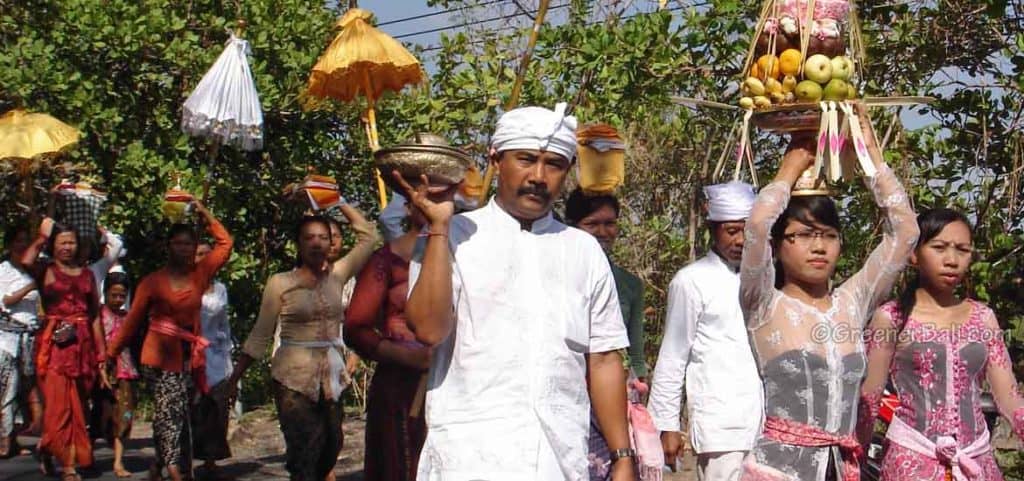
A key social institution in the culture of Bali is the banjar, a local community organization that helps coordinate ceremonies, mutual aid, and local decision-making. Even if you’re just visiting, the banjar is often the invisible engine behind what you witness—someone organized the procession, prepared food, arranged offerings, and coordinated temple schedules.
The banjar also shows how communal Balinese culture is. Participation is expected. Ceremonies require labor, and labor is shared. Weddings, temple anniversaries, and funerals become community events because the community is how the culture reproduces itself.
The Balinese Family Compound
Traditional Balinese homes are not single buildings but compounds made up of several pavilions arranged around an open courtyard. The layout follows cultural and spiritual rules, including orientation toward sacred directions, and most compounds include a family temple. Ceremonies can happen at home; offerings are placed at shrines; relatives move through the space daily. The compound reflects a worldview where family, religion, and social life are intertwined.
The Caste System in Bali
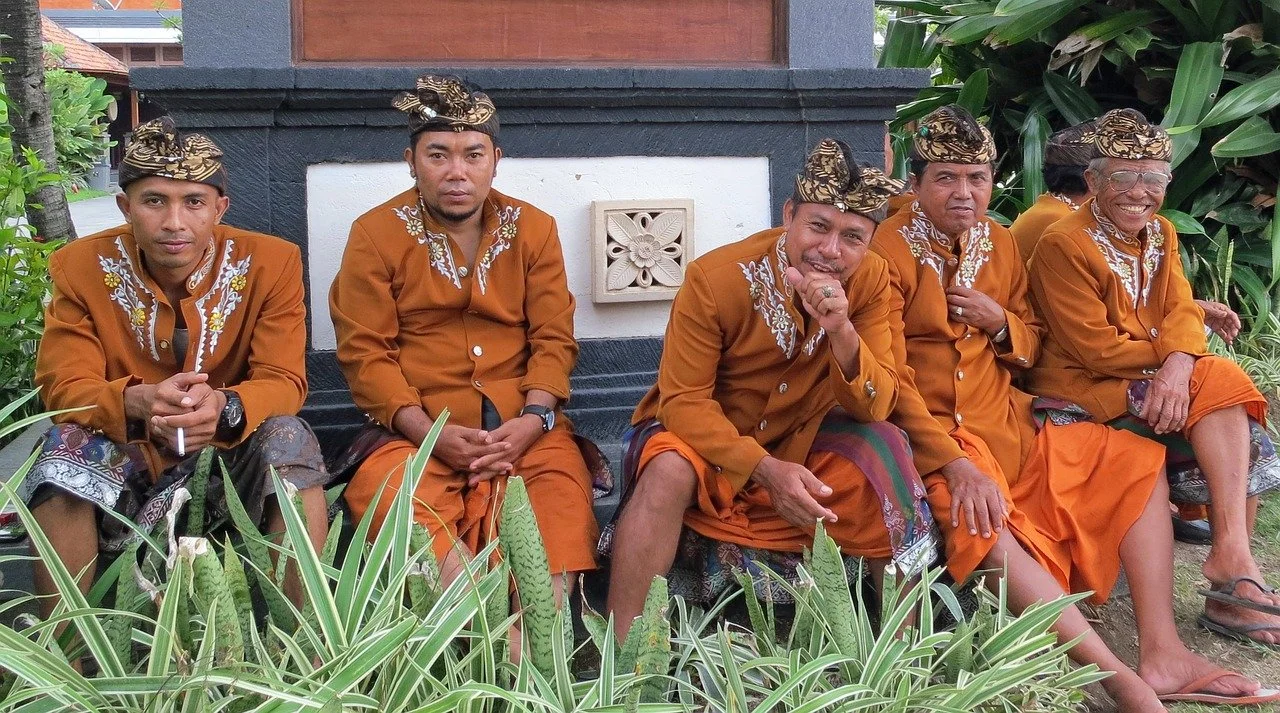
The caste system in Bali is often misunderstood. Historically, Balinese society recognized four broad categories: Brahmana (priests), Ksatria (warrior/noble lineages), Wesia (merchant/noble lineages in some interpretations), and Sudra (the majority). In modern Bali, caste is generally less rigid than outsiders assume, but it still appears in naming traditions, certain ritual roles, and social expectations in some contexts.
As a traveler, you don’t need to “decode” caste to be respectful. What helps is avoiding assumptions and asking gently if the topic comes up—because modern Balinese culture is negotiating tradition and change in real time.
Ceremonies & Rituals You’ll See in Bali
Balinese ceremonies are among the most memorable parts of visiting Bali. They’re colorful and dramatic, but they’re not staged for tourists. They’re tied to the Balinese calendar, temple anniversaries, life-cycle milestones, and community obligations. If you happen to be in the right place at the right time, you may see a procession, hear chanting, or find roads temporarily closed as people move between sites.
Canang Sari and Daily Offerings
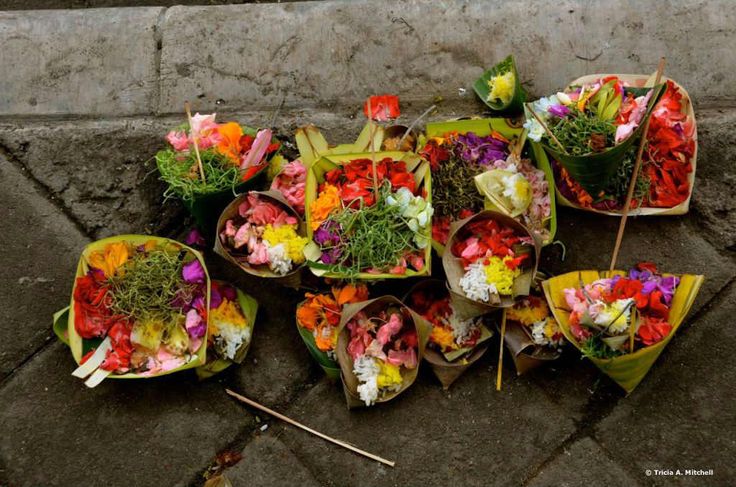
Canang sari are small daily offerings made from woven palm-leaf trays, usually filled with flowers and sometimes rice, often with incense. You’ll see them everywhere—on doorsteps, in temples, at shop entrances, on scooters, and even on the beach. They’re a daily practice of gratitude and balance, and one of the clearest ways Balinese Hinduism appears in ordinary life.
As a traveler, step around offerings rather than over them, and avoid moving them. If you’re in a hotel or villa, you may see staff placing offerings each morning. That isn’t decoration; it’s worship.
Nyepi – The Day of Silence
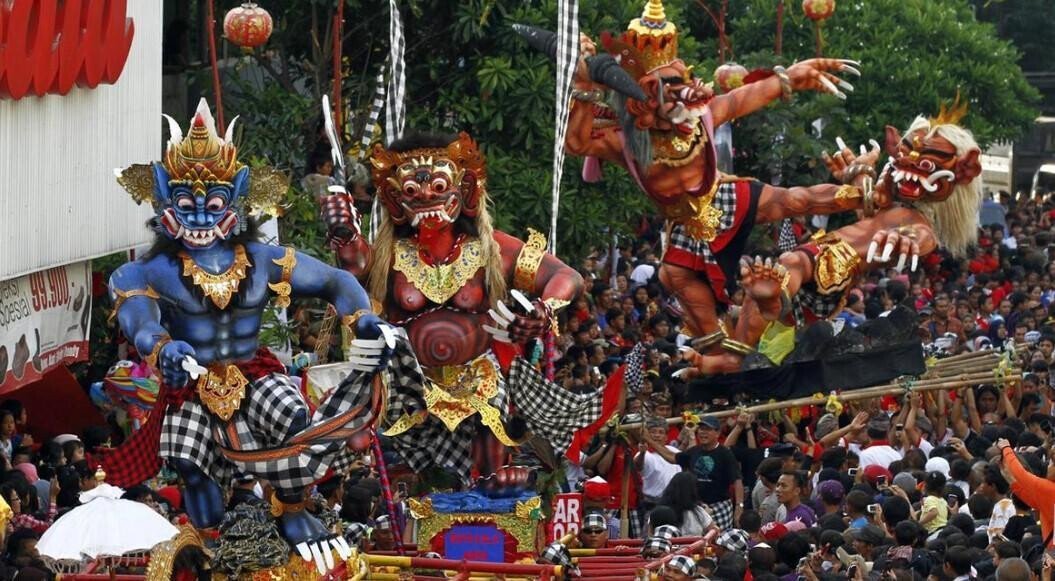
Nyepi, the Balinese Day of Silence, is a distinctive cultural experience. For 24 hours, much of Bali becomes quiet: many businesses close, streets empty, lights dim, and the airport shuts down. The purpose is purification and reset. The island symbolically “disappears” to discourage disruptive forces and to create space for reflection.
If you’re in Bali during Nyepi, prepare in advance: stock food and water, and plan to stay indoors. Many travelers describe it as unexpectedly powerful—because it’s one of the rare moments in modern life where an entire region collectively chooses stillness.
Galungan and Kuningan
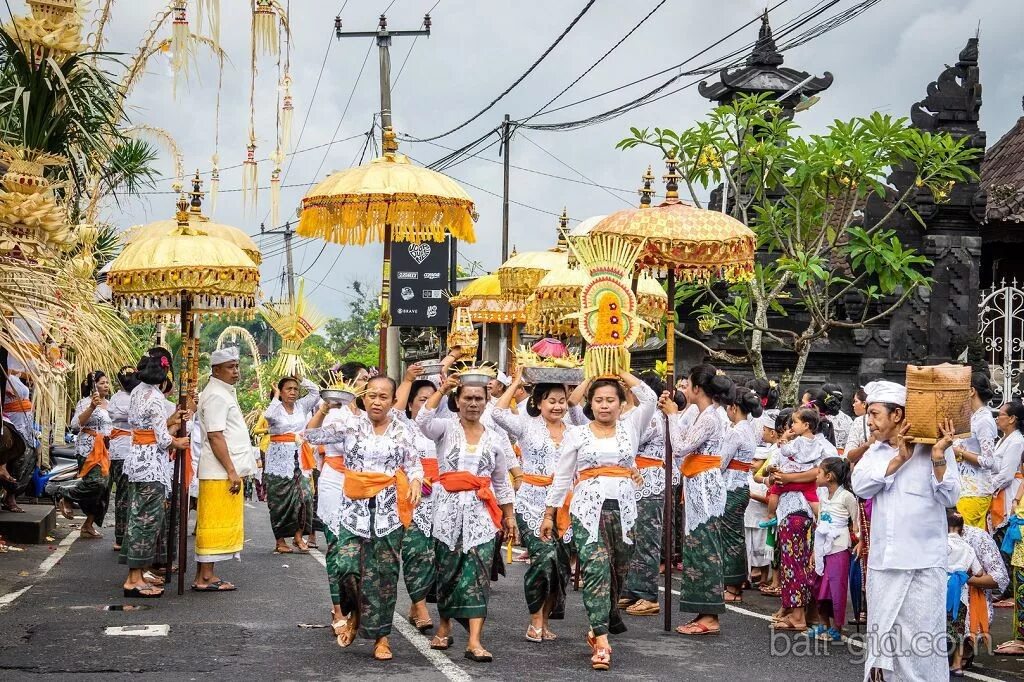
Galungan is a major festival celebrating the victory of dharma (order, righteousness) over adharma (disorder). During Galungan, you’ll see penjor—tall, curved bamboo poles decorated with coconut leaves—lining streets and entrances. The island looks transformed, like it’s wearing ceremonial dress.
Kuningan comes ten days after Galungan and marks the end of the celebration, often associated with the return of ancestral spirits. These festivals are among the most visually recognizable expressions of Balinese culture, and deeply meaningful for families who host ceremonies, prepare food, and visit temples together.
Balinese Cremation Ceremony (Ngaben)
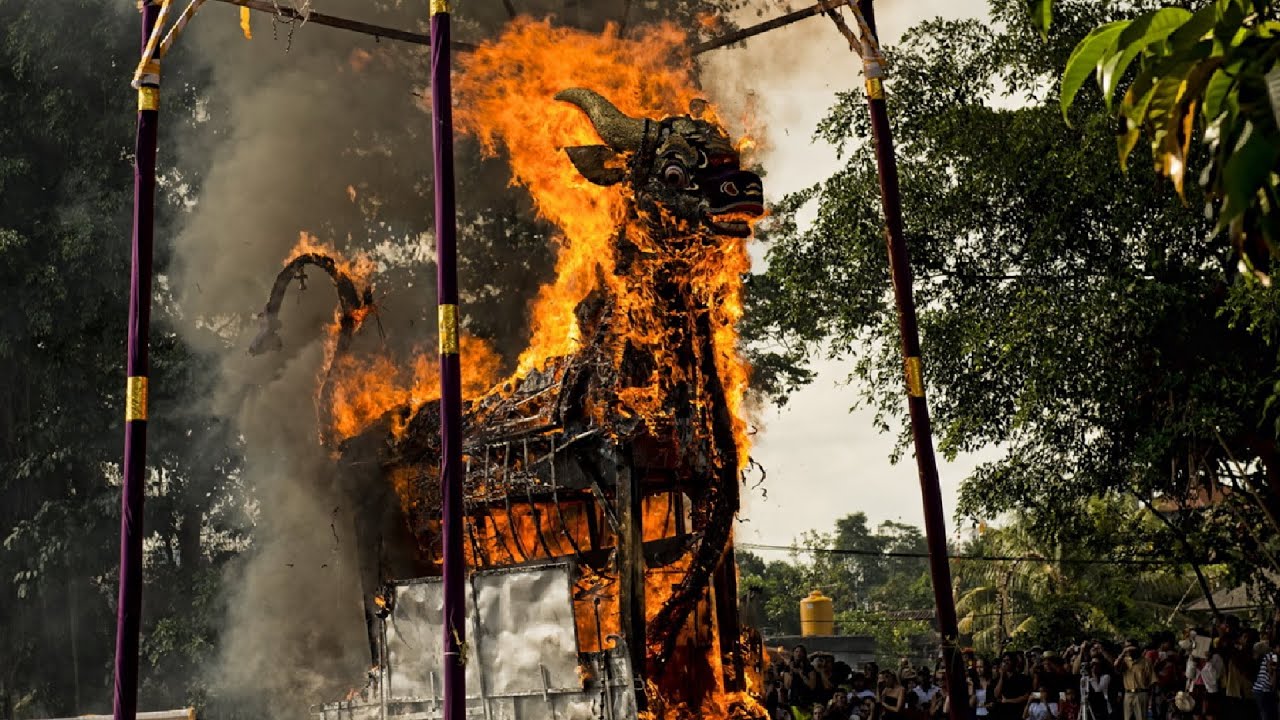
Ngaben, the Balinese cremation ceremony, can be one of the most striking rituals travelers may encounter. From a Western perspective, cremation is often private and mournful. In Balinese Hinduism, cremation is a necessary step in helping the soul move on and, eventually, reincarnate. Because it is spiritually important, it can be elaborate and communal.
You might see a procession carrying a cremation tower or hear gamelan music accompanying the event. Families may wait until they can afford a larger ceremony, sometimes coordinating multiple cremations. If you witness Ngaben, keep distance, avoid intrusive photography, and follow local cues. The ritual is not a spectacle; it is an act of duty and love.
Balinese Art, Dance & Architecture
Balinese culture is often described as artistic, but the key is understanding why. Art in Bali is frequently devotional. It honors gods, tells sacred stories, protects spaces, and strengthens community identity. Many forms are learned through practice and participation, and the boundary between “artist” and “non-artist” can be fluid—especially in villages where carving, weaving, and performance are part of cultural life.
Traditional Balinese Dance (Kecak & Barong)
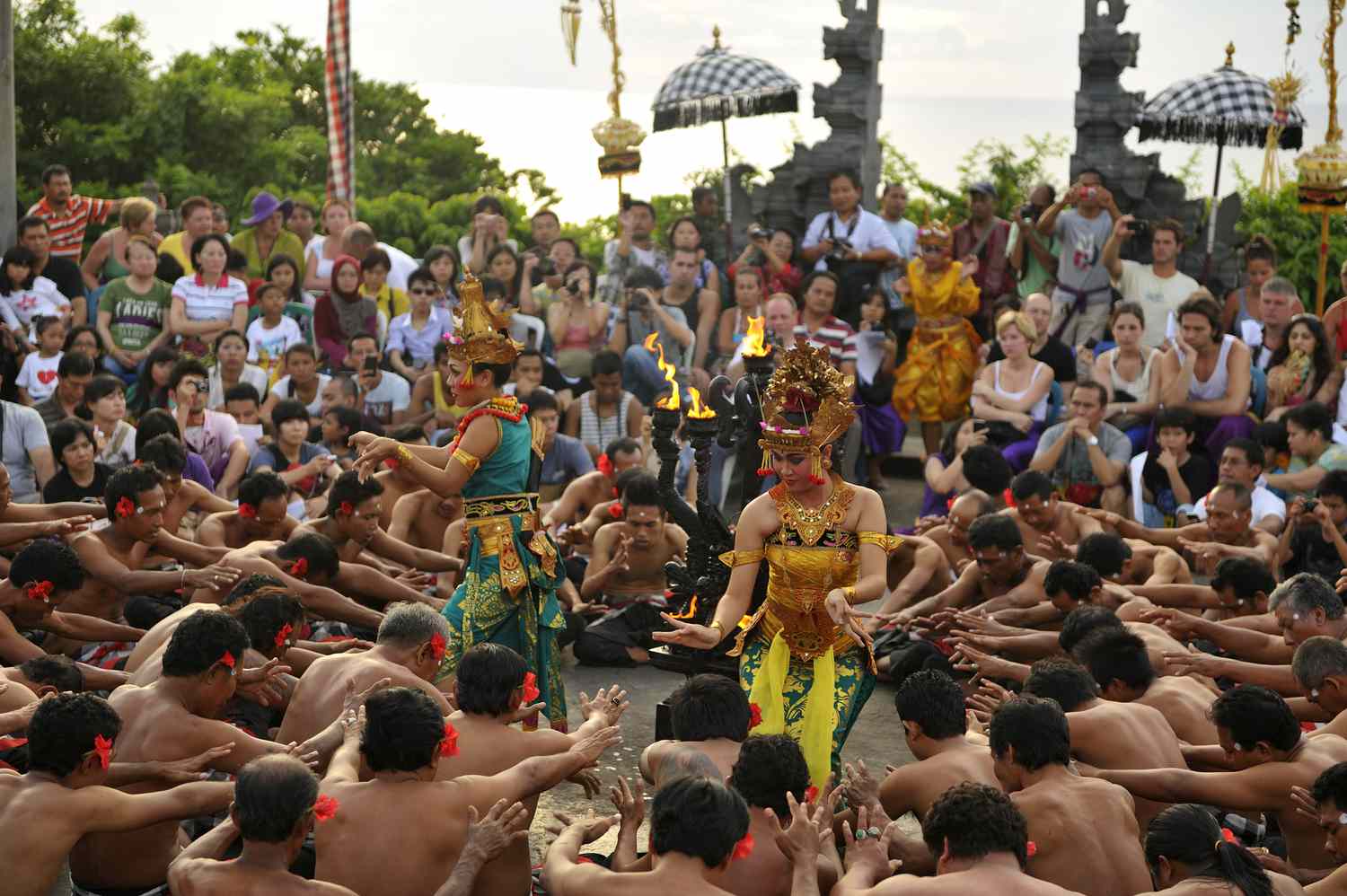
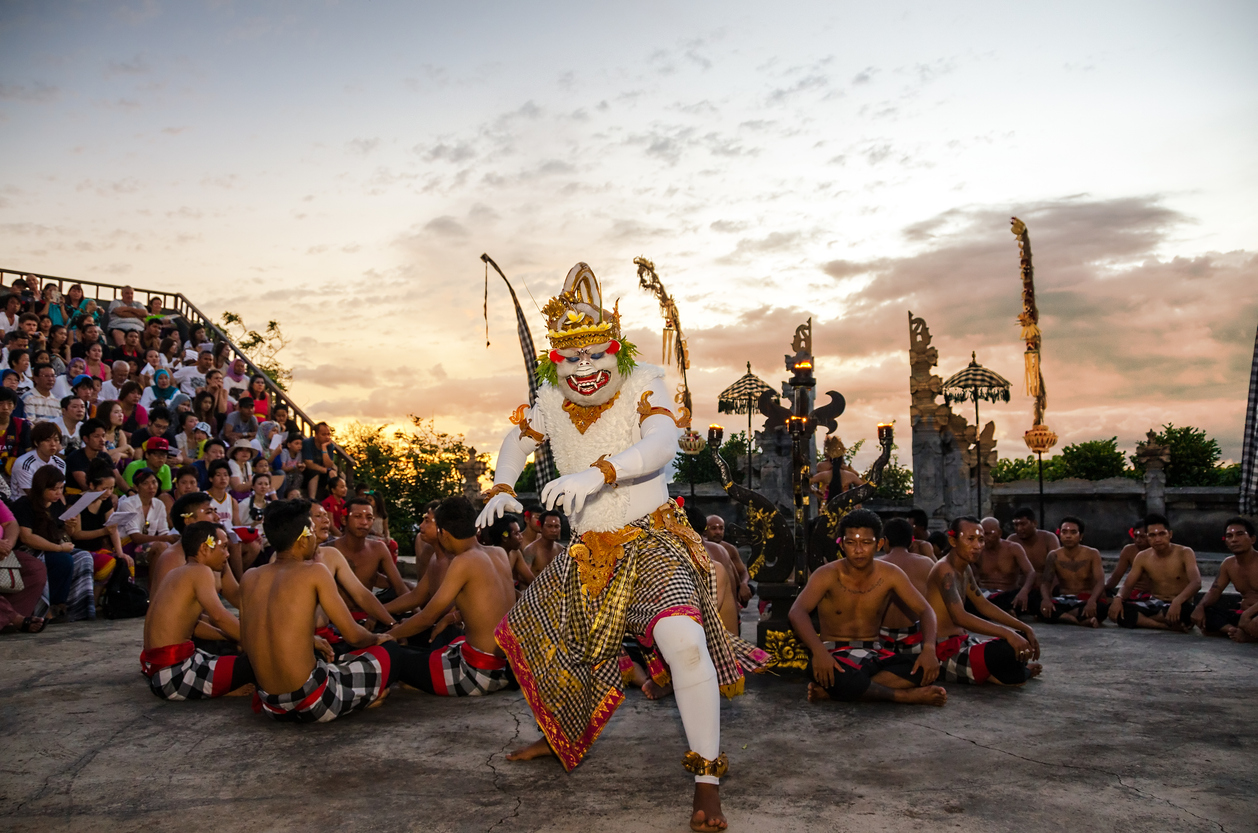
The Kecak dance is famous among travelers because it is often performed at dramatic sunset settings, and because it uses a powerful chorus of chanting men rather than instruments. It retells parts of the Ramayana through movement, masks, and ritualized gesture. Even when presented for visitors, it draws on sacred narrative and traditional performance language.
Barong dance is another well-known form, often depicting the struggle between Barong (a protective spirit) and Rangda (a fearsome figure associated with disruption). This is not a simple morality play. In Balinese culture, opposing forces coexist; the goal is balance rather than total victory. That worldview is part of what makes Balinese dance feel so charged—it’s not only entertainment, it’s cosmology in motion.
Gamelan and the Sound of Bali
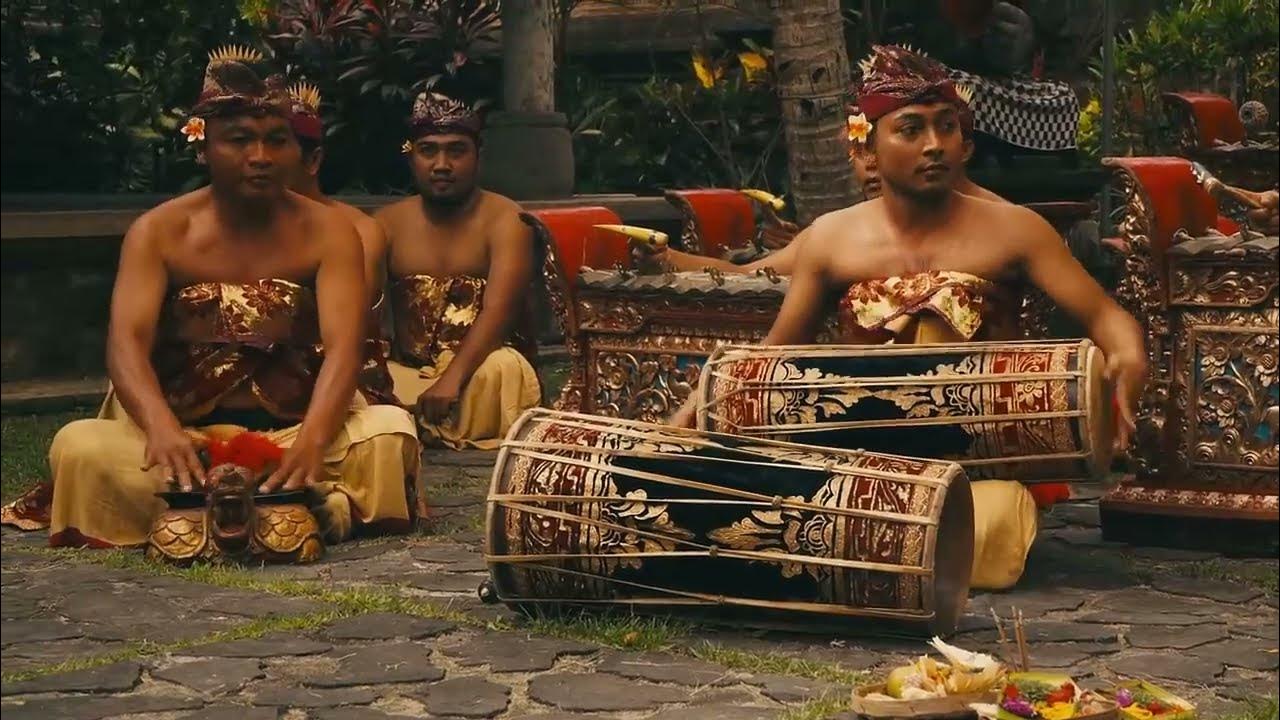
Even if you don’t attend a formal performance, you will probably hear gamelan—an ensemble of percussion instruments that creates shimmering, layered rhythms. Gamelan accompanies ceremonies and dances, but it also functions as a sonic marker of community life. If you hear it from a distance at night, it might mean a temple event is underway.
Temple Architecture and Sacred Space
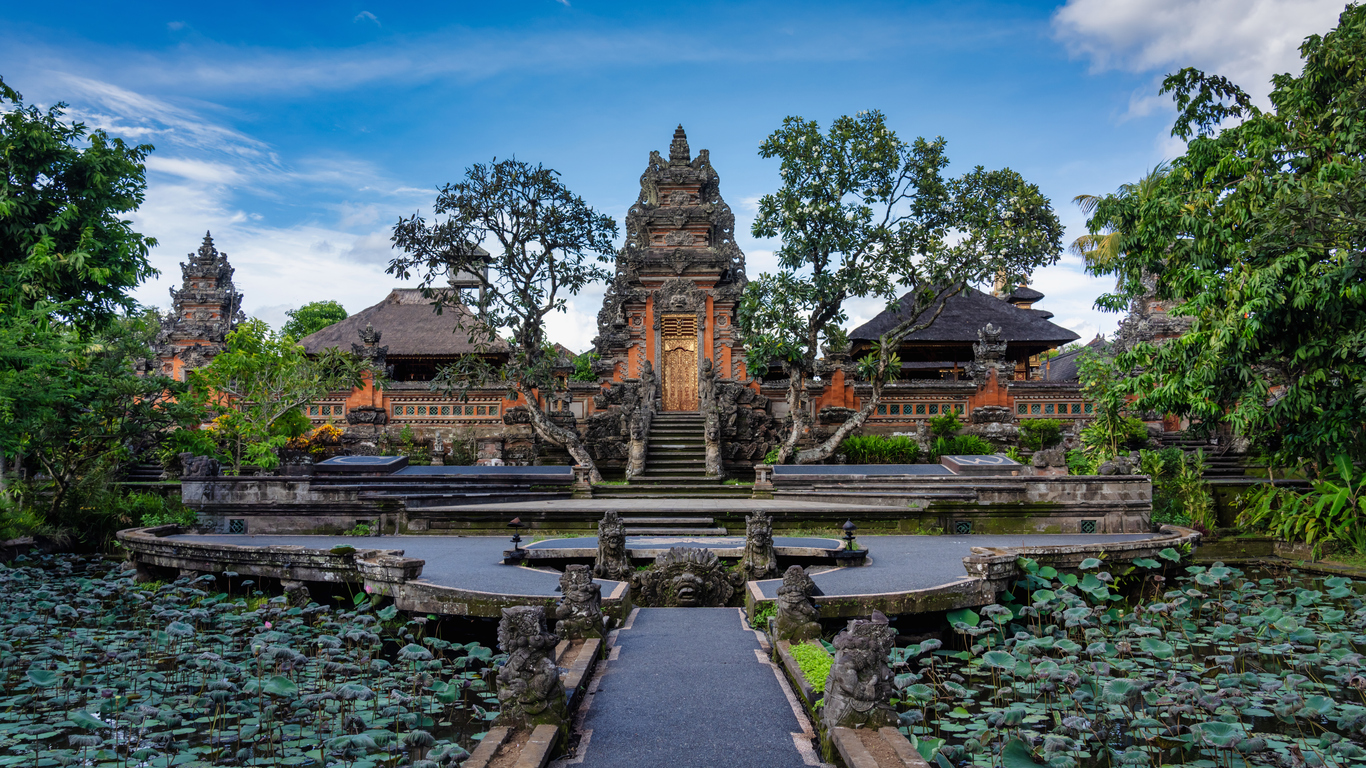
Balinese temples (pura) are open-air complexes built to frame the relationship between nature and the divine. They are often organized into courtyards that represent increasing sacredness as you move inward. Temple gates—especially split gates (candi bentar)—are iconic, but they’re not just photo backdrops. They symbolize passage and balance, dividing space in a way that mirrors the island’s cosmology.
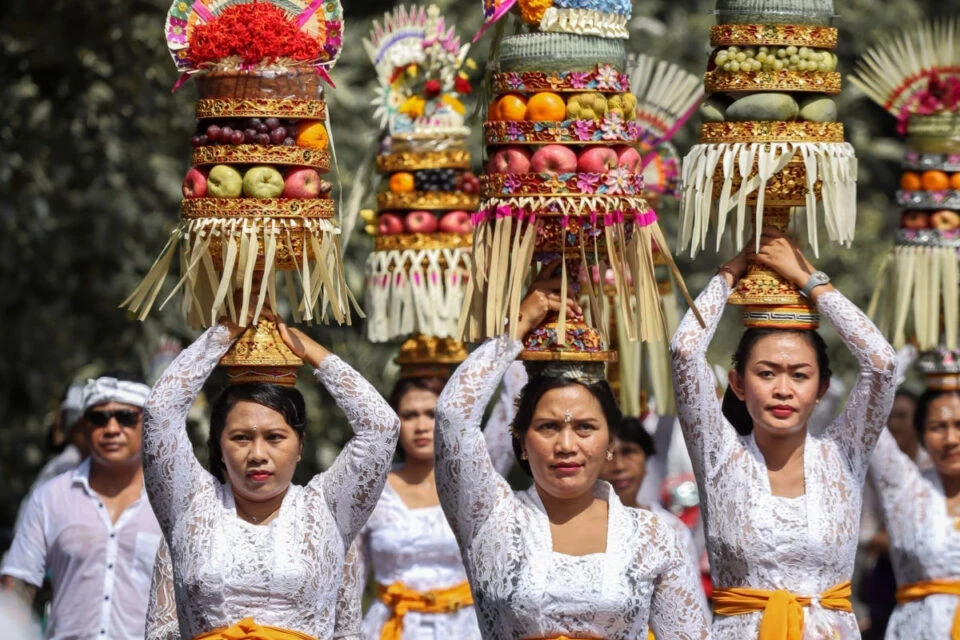
Temples also anchor community calendars through anniversaries (odalan) celebrated according to the Balinese calendar. During these times, you may see long lines of people carrying offerings, wearing ceremonial clothing, and moving together as a community.
The Subak Irrigation System: Culture in the Rice Fields
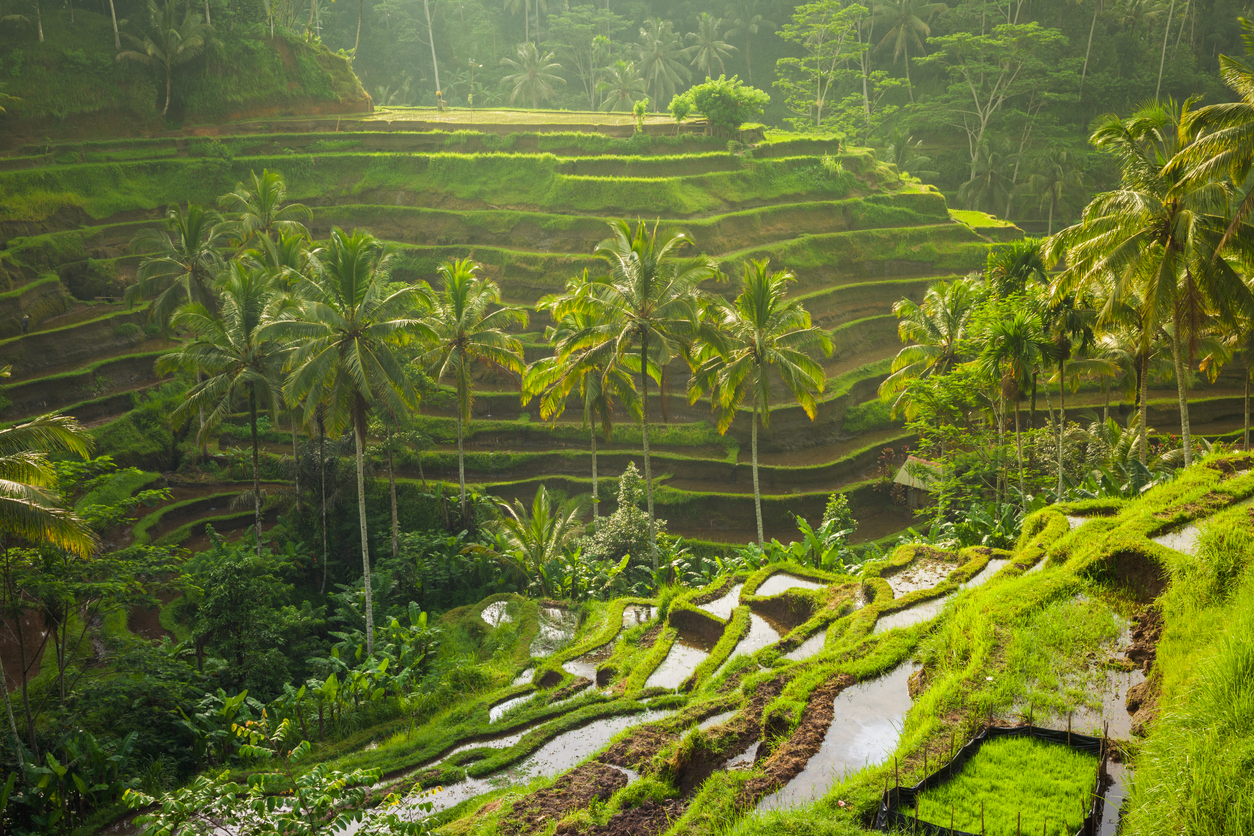
One of the most fascinating expressions of Balinese culture is the subak, a cooperative irrigation system that manages water for rice farming. Subak is not just engineering; it is social and spiritual organization. Water is shared according to agreed rules, and water temples help coordinate flows. This is a practical application of Tri Hita Karana: harmony with nature, harmony among humans, and harmony with the divine.
When you walk through rice terraces around Ubud or in more rural parts of the island, you’re seeing a cultural system that ties agriculture to religious practice and community cooperation. It’s one reason Bali’s landscapes feel intentional—they are, but through collective tradition rather than a tourism project.
Respecting Balinese Culture as a Traveler
Learning how to respect Balinese culture is not about being perfect. It’s about remembering you’re visiting a place where many everyday actions have religious meaning. The best travelers in Bali are not the ones who know the most facts; they are the ones who notice when the context changes and adjust their behavior.
Temple Etiquette (Quick Checklist)
• Wear a sarong and sash; cover shoulders and knees.
• Keep your voice low; don’t interrupt prayers.
• Don’t enter restricted areas; follow posted rules.
• Be mindful with photos during ceremonies.
Dress Code Beyond Temples
Bali’s beach areas can feel relaxed, but in villages and non-tourist areas, modest clothing is appreciated. Think of it as matching the setting: swimwear for the beach, modest clothing for towns, and ceremonial respect for temples.
Mini Glossary of Useful Culture Words
• Pura: a Balinese temple (many villages have several, each with a specific role).
• Odalan: a temple anniversary festival, often marked by offerings, music, and community gatherings.
• Sarong and sash: ceremonial clothing used to show respect in sacred spaces.
• Penjor: tall decorated bamboo poles seen during Galungan, symbolizing prosperity and gratitude.
• Tirta: holy water used for purification; you may see it sprinkled during blessings.
This vocabulary is simple, but recognizing it helps you read what’s happening around you and understand that Balinese traditions have names, structure, and meaning—not just visual beauty.
Why Balinese Culture Is Still Alive Today
It’s easy to assume tourism “dilutes” culture. Bali’s reality is more complicated. Tourism brings money and pressure, but Balinese culture has strong mechanisms of preservation: temple calendars, banjar obligations, family compounds, and rituals tied to life stages. Culture here is not only heritage; it’s infrastructure.
Balinese Hinduism remains central because it is practiced collectively, not just believed intellectually. Offerings happen daily. Ceremonies happen weekly. Festivals happen seasonally. Children grow up watching and participating. Art forms are maintained because they are needed for rituals. Community structures ensure that people show up, even when modern life is busy.
If you leave Bali having learned only one thing, let it be this: Balinese culture is a practice of relationship—with gods, with ancestors, with neighbors, and with land and water. If you travel in that spirit—curious, observant, and respectful—you’ll experience Bali not just as a destination, but as a culture you briefly had the honor to move through.
Related Tours
See more Blog Posts



.svg)

.svg)
.svg)
.svg)

